A clogged or damaged sewer line can lead to costly complications, including cracked pipes and mold growth, if left unresolved. Recognizing the early warning signs is crucial for homeowners to avoid emergency repairs and hazardous conditions.
A properly functioning sewer system is vital for maintaining sanitary conditions and protecting your family’s health and property value. If you suspect issues with your sewer line, it’s essential to contact a licensed plumbing technician immediately.
Rapid Fire Plumbing is available to assist you at 623-810-6166. Understanding the warning signs allows you to take prompt action before minor issues develop into major plumbing disasters.
Key Takeaways
- Early detection of sewer line problems can save homeowners thousands of dollars.
- A functioning sewer system is crucial for health and property protection.
- Common indicators of sewer line issues include slow drains and unusual odors.
- Prompt action can prevent contaminated water exposure and structural damage.
- Contacting a professional plumber, like Rapid Fire Plumbing, is essential for resolving sewer line issues.
Understanding Your Home’s Sewer System
Understanding the intricacies of your home’s sewer system is crucial for maintaining its integrity. Your home’s sewer system comprises a series of pipes that flow to your main sewer line, which connects to your municipal sewer system or septic tank.
How Your Sewer Line Works
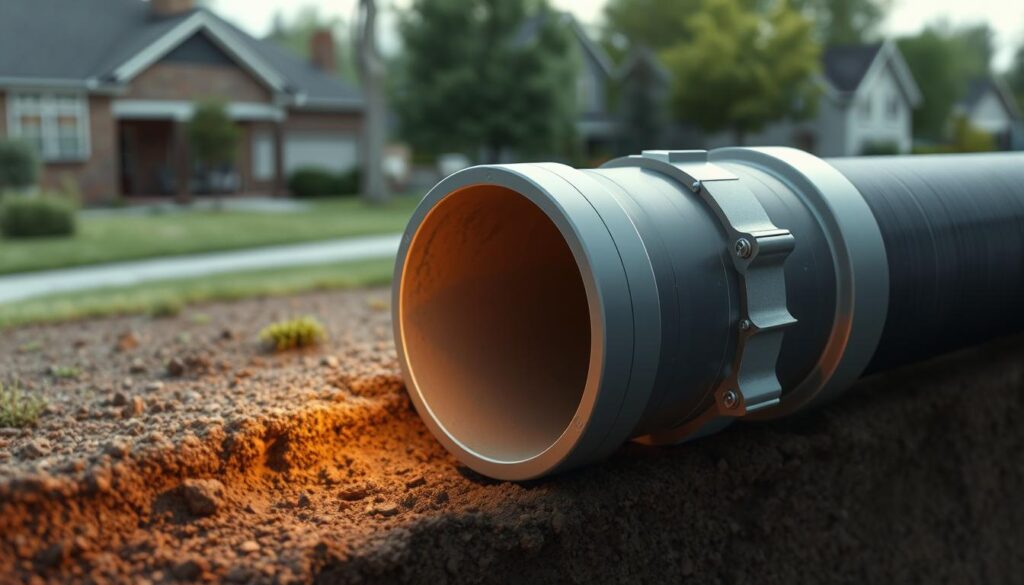
Your home’s sewer system operates like a tree structure, with the main sewer line as the “trunk” and smaller secondary drain lines as “branches.” All wastewater from sinks, toilets, showers, and appliances flows through these secondary lines before joining the main sewer line.
Common Causes of Sewer Line Problems
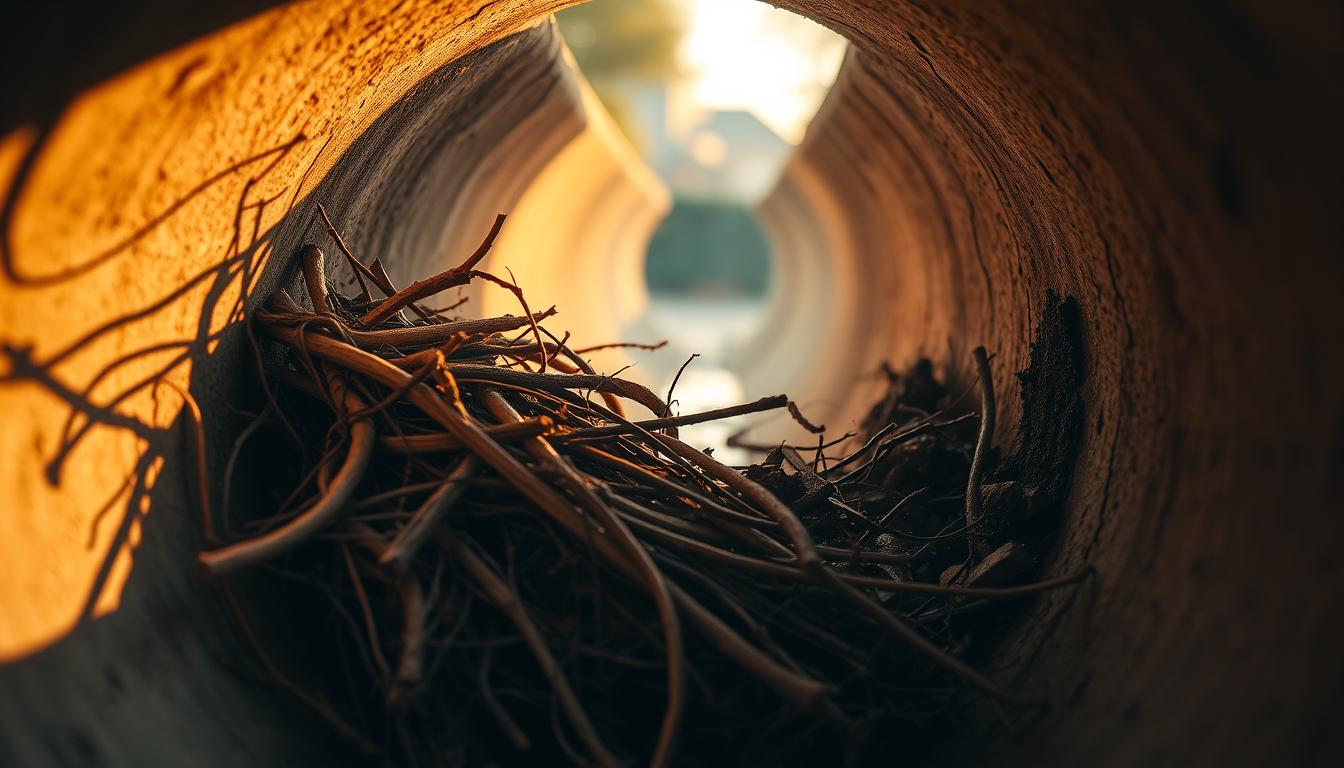
Common causes of sewer line problems include aging pipes, invasive tree roots, accumulated grease and debris, and improper disposal of non-flushable items. Regular maintenance by professionals like Rapid Fire Plumbing (623-810-6166) can identify potential issues before they become major problems.
Multiple Drains Backing Up
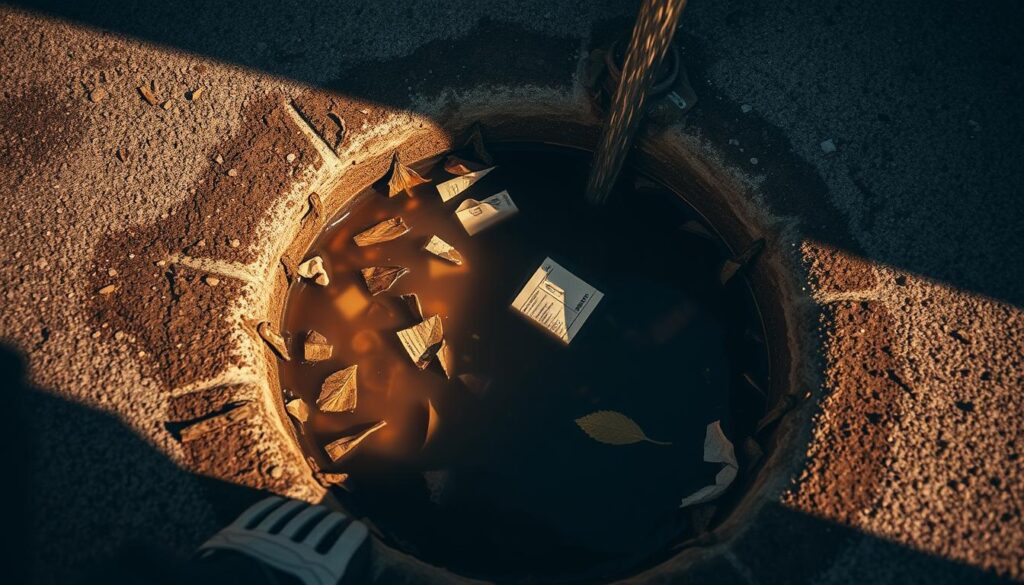
Noticing multiple drains backing up simultaneously is a clear indication of a possible clog or blockage in your main sewer line. If all your drains are backing up, you might have a main sewer line issue. A single clogged fixture, like a kitchen sink, might mean you’ve dropped one too many vegetable clippings down the drain and need to clear your kitchen pipes.
Why This Happens
This occurs because the main blockage prevents wastewater from exiting your property, causing it to back up through the path of least resistance in your plumbing system. When using one fixture causes another to back up, like running the washing machine causing the toilet to overflow, it strongly indicates a main sewer line blockage.
Which Fixtures to Check
When investigating potential sewer line issues, it’s crucial to check all fixtures, including toilets, sinks, bathtubs, showers, and floor drains, to determine if the problem is isolated or system-wide. Kitchen sinks often show early signs of drainage problems, especially if you’ve been disposing of grease, food particles, or coffee grounds that can accumulate in the main line. Basement fixtures typically experience backups first since they’re usually at the lowest point in your home’s plumbing system and closest to the main sewer line.
If you’re experiencing multiple drain backups, it’s advisable to contact professionals like Rapid Fire Plumbing at 623-810-6166 to address the issue promptly and avoid further damage.
Unusual Sounds and Odors
Pay attention to unusual odors and sounds emanating from your plumbing system, as they can be indicative of underlying sewer line issues. These signs often manifest as foul sewage smells or gurgling noises coming from your drains.
Foul Sewage Smells in Your Home
Foul smells emanating from your sink, bathtub, or floor drain can indicate a blockage in your main sewer line. When waste cannot flush through your sewer line, it leaves a lingering odor. These odors are most commonly noticed in basements, bathrooms, or around floor drains.
Rapid Fire Plumbing advises that persistent sewer smells not only create an unpleasant living environment but also pose potential health hazards due to the presence of methane and bacteria in sewer gases.
| Common Areas Affected | Possible Causes | Recommended Action |
|---|---|---|
| Basements, Bathrooms, Floor Drains | Blockages in main sewer line, dry P-traps | Contact Rapid Fire Plumbing at 623-810-6166 |
Gurgling Noises from Drains and Toilets
Gurgling noises from your drains or toilets occur when air trapped in the sewer line is forced back through the system. This typically happens when water attempts to drain after flushing a toilet, running a washing machine, or draining a bathtub.
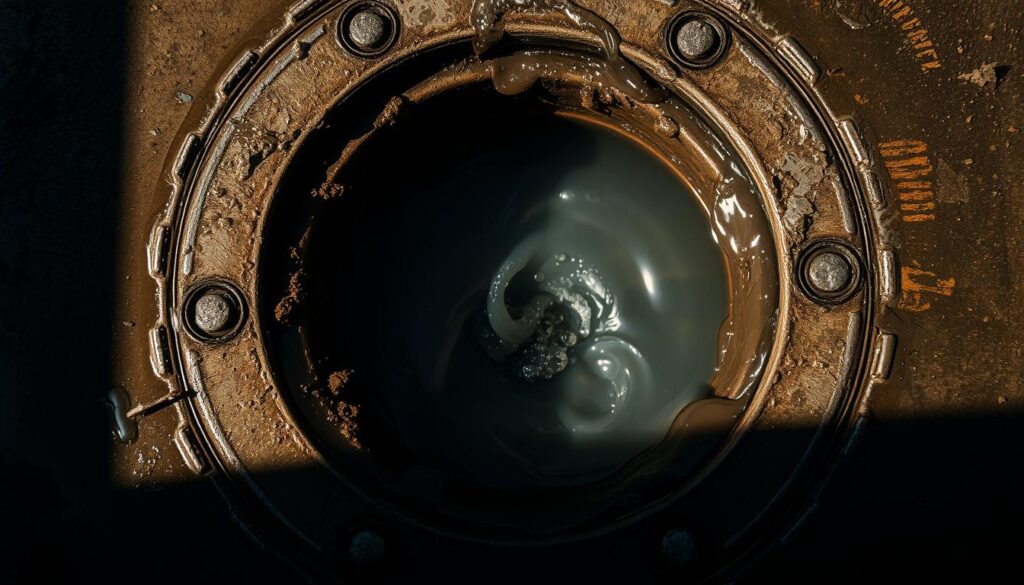
If you notice these warning signs, it’s advisable to contact Rapid Fire Plumbing at 623-810-6166 before the issue progresses to visible backups or overflows.
Signs Your Sewer Line Might Be Clogged or Damaged in Your Bathroom
The bathroom is a critical area to watch for signs of a clogged sewer line. Bathrooms often display the most obvious signs of sewer line problems due to their direct connection to the main waste system and frequent water usage.
Toilet Issues
Toilet issues can be a strong indicator of sewer line problems. Frequent clogging despite plunging, unexpected rises and falls in water levels, or toilets that bubble and gurgle when not in use are all potential signs. A toilet that backs up without excessive use or obvious blockage is likely a sign of a main sewer line clog.
Bathtub and Shower Drain Problems
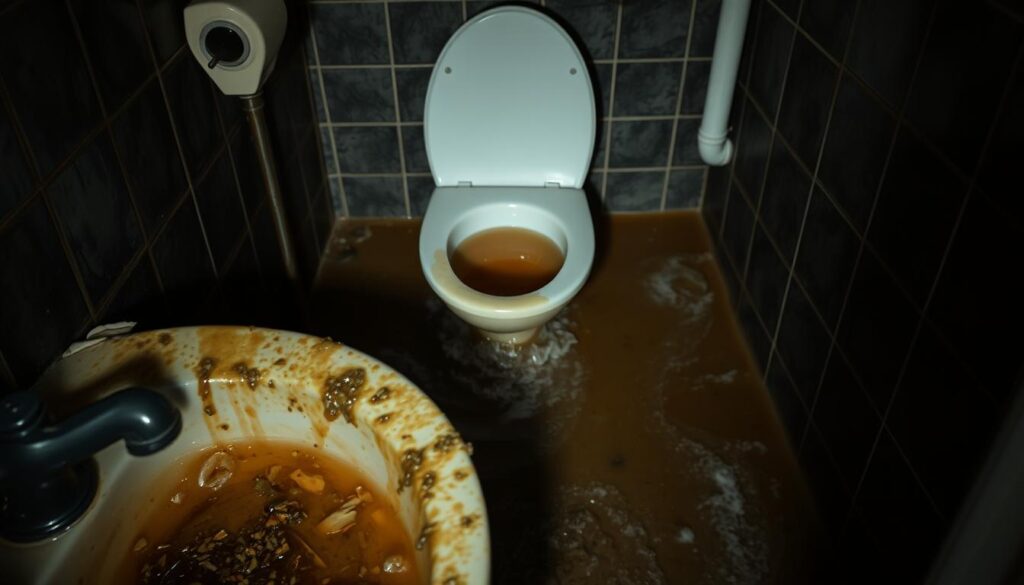
Bathtub and shower drain issues can also signal sewer line problems. Drains that are slow to empty, even after cleaning, may indicate a deeper issue in your sewer pipes. Water backing up into the bathtub or shower when using other fixtures is a definitive sign of a sewer line blockage. Brown or black water coming up through bathtub drains indicates sewage backing up and requires immediate attention from a professional plumber like Rapid Fire Plumbing (623-810-6166).
| Signs | Description | Possible Cause |
|---|---|---|
| Toilet Backing Up | Sewage coming out of the toilet | Main sewer line clog |
| Slow Drains | Water taking a long time to drain | Blockage in sewer pipes |
| Water Backing Up | Water rising in bathtub or shower | Sewer line blockage |
Water Backing Up in Unexpected Places
Noticing water backing up in unexpected areas while using your household fixtures is a strong indication of a clogged main sewer line. This issue can manifest in various ways, such as water surging into your shower when you flush the toilet or your sink overflowing when you run your washing machine.
A blockage in the main sewer line prevents wastewater from flowing out of your home properly, causing it to back up into other drains. It’s crucial to address this issue promptly to avoid potential sewage overflow and water damage.
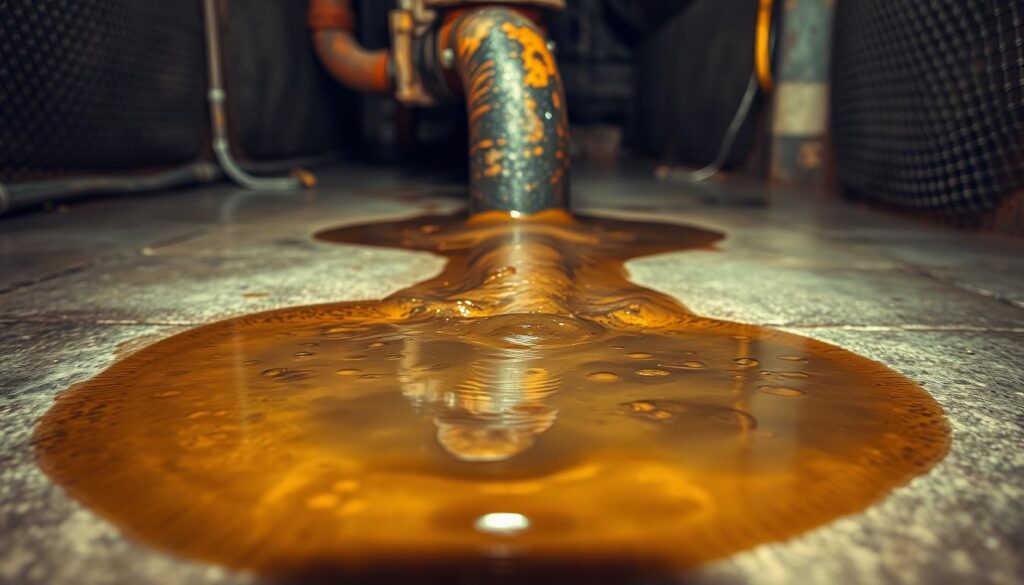
Water in Shower When Flushing Toilet
When you flush your toilet and water backs up into the shower, it’s a sign that the clogged sewer line is blocking the normal flow of wastewater. This cross-reactivity between fixtures indicates the blockage is likely after the point where the drain lines converge.
- The severity of the backup can indicate the extent of the blockage.
- Minor water rising suggests a partial clog, while significant flooding points to a major line blockage.
Sink Overflow During Appliance Use
Running appliances like washing machines or dishwashers can cause your sink to overflow or your toilet to bubble if there’s a clogged sewer line. This happens because the large volume of water has nowhere to go due to the blockage, resulting in a backup.
If you’re experiencing these issues, it’s advisable to contact a professional plumber like Rapid Fire Plumbing at 623-810-6166 to diagnose and fix the problem promptly.
Outdoor Signs of Sewer Line Problems
While you might expect sewer line issues to manifest inside your home, there are often telltale signs in your yard. Your main sewer line’s access point, typically located in your yard or basement, can be a critical indicator of potential problems.
Issues with Your Sewer Cleanout
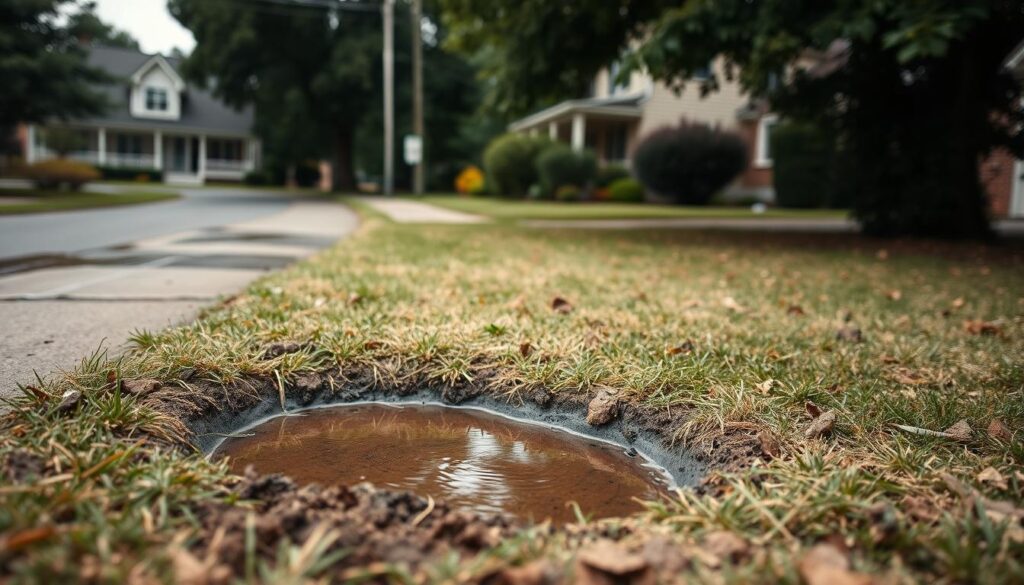
The sewer cleanout is a capped pipe that provides direct access to your main sewer line. If you notice sewage or water around this pipe, or if removing the cap reveals standing waste, it indicates a significant blockage.
Unusual Lawn Conditions
Tree roots can infiltrate your sewer pipes, causing damage and blockages. Unusually lush, green patches of grass may signal a leaking sewer line, as sewage acts as a fertilizer.
Standing Water or Sewage in Your Yard
Standing water or sewage in your yard, especially during dry weather, is a serious sign of a broken sewer line. If you observe such conditions, it’s crucial to contact Rapid Fire Plumbing at 623-810-6166 for immediate assistance.
When to Call Rapid Fire Plumbing for Your Sewer Line Issues
Don’t wait until it’s too late; call Rapid Fire Plumbing at 623-810-6166 to address your sewer line issues today. Our licensed plumbing technicians are equipped to handle all types of sewer line problems, from clogs and blockages to complex issues like tree root intrusions and pipe collapses.
When you notice warning signs like multiple drains backing up, sewage odors, or gurgling noises from fixtures, it’s crucial to contact us promptly. Our team uses specialized equipment like sewer cameras and professional-grade snakes to accurately diagnose and repair sewer line issues.
By choosing Rapid Fire Plumbing, you benefit from our emergency service for urgent sewer line problems and preventative maintenance plans to avoid future blockages and damage. Regular professional maintenance is a cost-effective way to protect your home’s value and avoid the inconvenience and health hazards associated with sewer backups.
Contact us today to schedule a professional assessment and address any potential issues before they become serious problems.
