
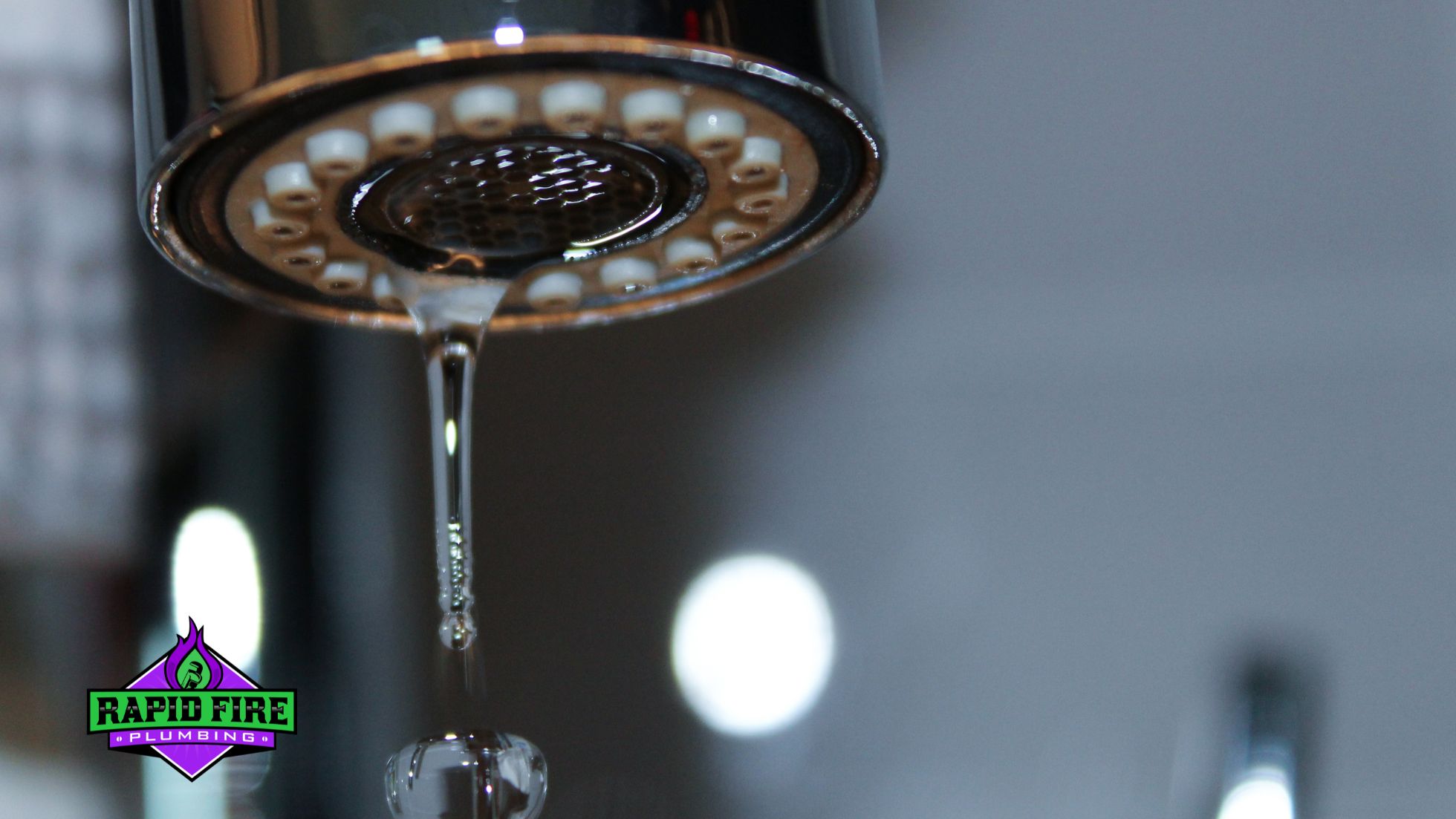
That persistent faucet drip echoing through your Phoenix home might seem like a minor annoyance, but it represents a significant water waste problem and mounting water bills. A single leaky faucet wastes more than 3,000 gallons annually—enough to fill a swimming pool while driving up your utility costs.
Understanding what causes faucet leaks in Phoenix is crucial because Arizona’s unique plumbing challenges differ significantly from national averages. The combination of extremely hard water, extreme desert heat, and pressure fluctuations creates specific failure patterns that local expertise can address effectively.
Key Information
Leaky faucets in Phoenix typically stem from five common causes: worn O-rings and seals corroded by Arizona’s hard water minerals, damaged valve seats that prevent proper water shutoff, corroded cartridge assemblies from mineral buildup, mineral-clogged aerators, and excessive water pressure overwhelming internal components. Arizona’s water hardness of 14.9 grains per gallon (GPG) / 230 parts per million (PPM) causes faucet internal seals and valve components to deteriorate 2-3x faster than in regions with softer water, making leak repair a more frequent necessity for Phoenix homeowners.
Understanding which cause applies to your situation helps determine whether a quick DIY fix works or professional service is needed. Some fixes are simple; others require specialized knowledge of Arizona’s hard water challenges to prevent water damage from botched repair attempts.
Overview
This comprehensive guide explains the five most common causes of leaky faucets specific to Phoenix homes, connects each cause to Arizona’s hard water realities, provides honest DIY vs. professional assessment, and explains water conservation regulations affecting faucet repair decisions. With 20+ years of experience serving the Phoenix area, Rapid Fire Plumbing understands the unique plumbing challenges Arizona hard water creates—expertise that generic national guides completely miss.
Unlike competitors offering generic national advice, this guide integrates Arizona Revised Statutes § 45-312 water conservation standards, Phoenix plumbing code compliance requirements, and hard water-specific diagnostic approaches used by licensed local professionals.
Arizona Hard Water and Why Faucets Leak More Frequently in Phoenix
 Phoenix water ranks among the hardest municipal water supplies in the nation. The city’s water averages 14.9 GPG or 230 PPM of dissolved minerals—primarily calcium and magnesium from the Colorado River and Salt/Verde River systems. This mineral content directly causes faucet failures more frequently in Phoenix than in most other U.S. regions.
Hard water minerals accumulate inside faucet components, coating internal seals, valve seats, and cartridge assemblies. Unlike soft water areas where seals maintain flexibility for many years, Arizona’s hard water mineral deposits progressively corrode rubber seals and calcify moving parts. This mineral buildup creates friction, prevents proper water shutoff, and causes leaks that would be far less common in regions with naturally soft water.
Why Phoenix’s Climate Accelerates Faucet Deterioration
Arizona’s extreme desert heat—regularly exceeding 110°F during summer—accelerates mineral deposit formation inside faucets. Heat causes minerals to precipitate faster and rubber seals to degrade more rapidly than in temperate climates. The combination of mineral-laden water and extreme temperatures creates a perfect environment for premature faucet failure.
Pressure fluctuations during peak water usage times and seasonal demand variations also stress faucet internal components more severely in Arizona than nationally. These combined factors explain why Phoenix homeowners experience faucet leaks more frequently than their counterparts in other regions.
Understanding Hard Water Corrosion Patterns
Hard water mineral corrosion in Arizona faucets follows predictable patterns that experienced local plumbers recognize immediately. Mineral deposits typically accumulate first in aerator screens (causing flow reduction), then progress to valve seat surfaces and cartridge internals (causing leaks and pressure loss). Understanding this progression helps homeowners recognize when simple aerator cleaning solves the problem versus when professional intervention prevents further damage.
The 5 Most Common Causes of Leaky Faucets in Phoenix Homes
 Understanding which cause applies to your specific faucet leak helps determine the appropriate repair approach and whether professional service is necessary.
Cause 1: Worn O-Rings and Rubber Seals Corroded by Hard Water
O-rings are small rubber seals that create watertight connections inside faucet handles. Arizona’s hard water minerals corrode these rubber components, causing them to lose flexibility and allow water to seep around connection points. Once O-rings deteriorate, they must be replaced to stop leaks—cleaning alone won’t restore their sealing capability.
Hard water corrosion accelerates this wear cycle dramatically. What might take 10-15 years in soft water areas often occurs within 5-7 years in Phoenix. This explains why homeowners in Arizona experience more frequent faucet repairs than national averages suggest.
Cause 2: Damaged or Corroded Valve Seats
Valve seats are the contact surfaces where faucet washers or cartridges seal to stop water flow. Hard water mineral deposits corrode these surfaces, creating tiny gaps that allow water to drip continuously. Even small corrosion damage prevents complete water shutoff, resulting in the characteristic slow drip that wastes significant water over time.
Mineral-corroded valve seats typically cannot be cleaned effectively; they require professional replacement to restore proper water shutdown. Attempting DIY removal risks stripping connection threads or damaging surrounding faucet components in corroded environments.
Cause 3: Corroded Cartridge Assemblies
Cartridge-style faucets contain replaceable internal components that manage water flow and temperature. Arizona’s hard water creates mineral deposits inside cartridge chambers, causing internal seals to fail and allowing water to leak around connection points. Cartridge corrosion is particularly common in Phoenix because mineral-laden water concentrates inside the enclosed cartridge space.
Replacing corroded cartridges requires specialized tools and knowledge of specific faucet brand designs. Professional service ensures proper cartridge selection and installation for leak-free operation.
Cause 4: Mineral-Clogged Aerators
Faucet aerators are small screens that mix air with water to reduce splashing and conserve flow. Arizona’s hard water causes calcium and magnesium deposits to accumulate rapidly on these screens, reducing water flow and sometimes creating leaks around aerator connection points.
Simple aerator cleaning works well for mineral deposits: unscrew the aerator, rinse away mineral buildup with white vinegar, and replace. This is one of the few faucet repairs homeowners can typically handle themselves without professional assistance.
Cause 5: Excessive Water Pressure
Phoenix water pressure sometimes exceeds 80 PSI (pounds per square inch)—the maximum recommended by Arizona plumbing code and manufacturers. High pressure stresses internal faucet components, accelerating seal deterioration and cartridge failure. Pressure regulators typically manage this, but regulators themselves fail more frequently in hard water environments due to mineral interference.
If your home consistently experiences high water pressure, a qualified plumber can test your system and recommend pressure regulator installation or adjustment to prevent premature faucet failure throughout your home.
DIY vs. Professional Service: Honest Assessment for Hard Water Conditions
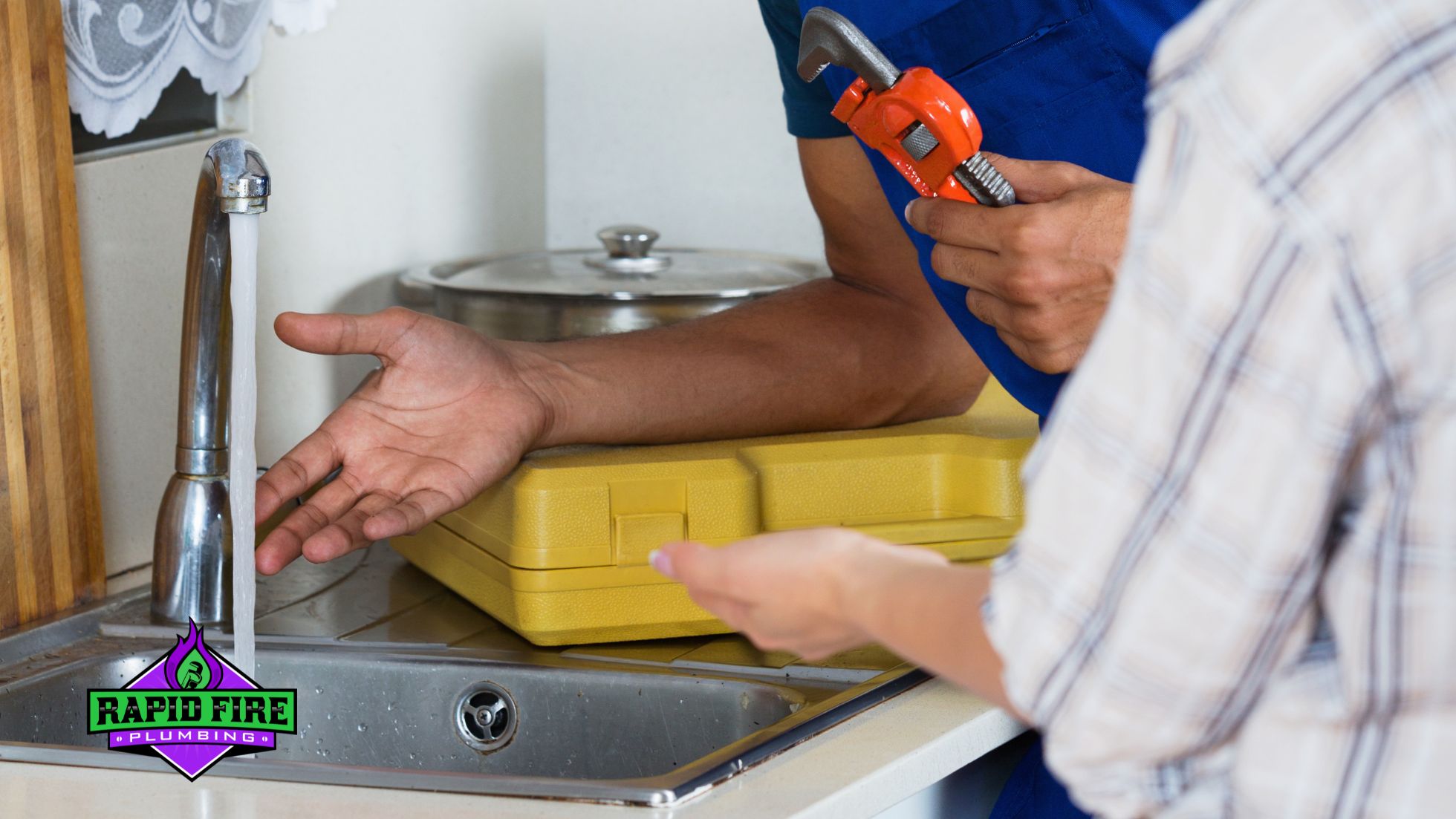 Determining whether you can safely fix your leaky faucet or need professional help requires honest assessment of Arizona’s hard water challenges.
When Homeowners Can Safely DIY: Simple Aerator Cleaning
Aerator cleaning is appropriate for homeowners attempting simple maintenance. If reduced water flow accompanies the leak, mineral deposits on the aerator screen are likely the culprit. Unscrew the aerator by turning it counterclockwise, soak it in white vinegar for 30 minutes*, rinse thoroughly, and replace. This approach works because aerators are easily removable and mineral cleaning doesn’t involve faucet disassembly.
DIY Risks in Hard Water Environments
Hard water mineral corrosion creates specific hazards for homeowners attempting repairs. Corroded faucet components become brittle and difficult to remove without breaking. Attempting to unscrew a corroded cartridge or valve seat risks stripping internal threads or cracking plastic components, transforming a simple repair into an expensive replacement situation.
Water damage represents the primary risk. If you attempt to disassemble a corroded faucet and accidentally crack supply lines or internal components during reassembly, water could leak inside walls or cabinets, causing damage requiring professional water mitigation services. This scenario costs significantly more than having a professional handle the repair initially.
Arizona’s hard water makes faucet components “frozen” from mineral deposits. Professional plumbers have specialized tools and knowledge to safely remove stuck components without damage. Homeowner tools often lack sufficient leverage, leading to stripped fasteners, broken internal components, or damaged faucet bodies.
When Professional Help Prevents Costly Water Damage
If your faucet drip persists after aerator cleaning, if you notice leaks around the faucet base, or if removing aerator or handles proves difficult, professional service prevents complications. Licensed Arizona plumbing contractors understand hard water challenges and have proper tools, replacement parts, and expertise to handle corroded components safely.
O-ring replacement, valve seat repair, and cartridge replacement should typically be handled by professionals in Phoenix’s hard water environment. The risk of water damage or incomplete repair makes professional service a protective investment rather than an unnecessary expense.
Signs Your Faucet Needs Emergency Professional Service
Contact a plumber immediately if you notice water leaking from beneath the faucet into cabinet spaces, water spraying from connection points, or completely absent water flow in one fixture. These situations indicate internal damage requiring prompt professional attention to prevent water damage escalation.
Arizona Water Conservation Regulations and Faucet Efficiency Standards
Arizona Revised Statutes § 45-312 establishes mandatory water efficiency standards for residential plumbing fixtures. Kitchen and bathroom faucets must not exceed 3 gallons per minute (GPM) flow rate at 80 PSI pressure. Older leaky faucets often fail to meet these efficiency standards; replacing them brings code compliance and water conservation benefits.
A single leaky faucet dripping at one drip per second wastes approximately 3,000 gallons annually. In Arizona’s desert environment where water conservation is critical, fixing leaky faucets addresses both homeowner budget concerns and regional water sustainability. Replacing older faucets with EPA WaterSense certified models reduces consumption another 20-30% beyond standard efficiency requirements.
Arizona § 45-313: Commercial Faucet Standards
Commercial facilities, multi-unit properties, and public buildings must meet stricter standards under Arizona Revised Statutes § 45-313. Lavatory faucets in commercial settings must auto-close or deliver no more than 0.5 GPM—significantly more restrictive than residential requirements. Businesses and property managers should understand these standards when budgeting for faucet repairs or replacements.
Water Waste Impact and Your Water Bill
EPA data documents that household plumbing leaks waste nearly 1 trillion gallons annually across the United States. For Arizona residents already concerned about desert water conservation, fixing leaky faucets represents both an environmental and financial responsibility. Annual water bill increases of 10-15% often trace back to unaddressed plumbing leaks that homeowners overlook.
Transparent Repair vs. Replacement Cost Analysis
Understanding repair costs versus replacement economics helps homeowners make informed decisions. Cost ranges in Phoenix typically follow these patterns:
Simple Aerator Cleaning: $0-$50* DIY or $75-$150* professional service. This represents the most affordable option for mineral deposit removal.
O-Ring or Seal Replacement: $100-$200* depending on faucet type and corrosion severity. Hard water corrosion sometimes requires additional component replacement, increasing total costs.
Cartridge Replacement: $150-$350* plus labor. Cartridge prices vary by brand; professional installation ensures proper fit and water-tight performance.
Valve Seat Repair or Replacement: $200-$400* for complex repairs. Significant corrosion often makes full faucet replacement more economical than extensive valve seat work.
Full Faucet Replacement: $250-$800* installed. Includes removal of old fixture, new faucet installation, code-compliant connections, and pressure testing.
All timelines and service cost ranges are provided for general information only. Actual service duration and costs will depend on the specific plumbing issues, project complexity, scheduling availability, and agreed-upon scope of work as set forth in the written service agreement.
When Repair Makes Economic Sense
If your faucet is relatively new (less than 10 years old) and the leak is isolated, repair typically makes economic sense. Simple cartridge replacement or O-ring repair restores functionality at a fraction of replacement cost.
Older faucets (15+ years) experiencing frequent leaks often become candidates for replacement despite higher upfront cost. Repeated repairs accumulate expenses and water waste, making replacement the more economical long-term investment. Modern faucets also meet Arizona’s water efficiency standards, providing ongoing conservation benefits.
Hard Water Corrosion Impact on Final Costs
Severe hard water mineral corrosion sometimes increases repair complexity and costs. Corroded valve seats or cartridges occasionally require professional removal techniques that add labor time. These situations illustrate why hard water expertise matters—local plumbers understand mineral corrosion patterns and can assess whether repair or replacement serves your interests best.
Emergency Service Availability and Same-Day Repair
Rapid Fire Plumbing offers 24/7 emergency faucet repair service throughout the Phoenix metro area, addressing urgent leaks that require immediate attention. Same-day diagnostic and repair service is often available* for non-emergency appointments during business hours*, allowing most homeowners to resolve faucet issues without prolonged disruption.
When Faucet Leaks Warrant Emergency Service
Late-night leaks posing water damage risks justify emergency service despite higher after-hours rates. If water is leaking from under the sink, you notice significant floor moisture, or pressure issues suggest imminent failure, immediate professional assessment prevents costly water damage.
Most daytime faucet leaks, while annoying, aren’t true emergencies. Scheduling same-day or next-day service* typically addresses the problem promptly without emergency surcharges.
Licensed, Insured Professional Response
Emergency technicians are licensed Arizona plumbing contractors with comprehensive insurance coverage. This ensures your home is protected if unexpected complications arise during emergency repairs, and your work meets Arizona plumbing code standards.
Preventing Future Faucet Leaks in Phoenix Homes
Hard water prevention strategies reduce future faucet leak frequency. Installing a whole-house water softener system removes mineral content before it damages faucets, water heaters, and appliances throughout your home. While representing an initial investment of $1,500-$3,500*, water softeners pay dividends through reduced fixture repairs, extended appliance lifespan, and lower energy bills.
Regular aerator cleaning—quarterly in hard water areas—prevents mineral accumulation that leads to flow reduction and leaks. This simple maintenance takes minutes* and costs nothing if performed by homeowners.
Monitoring your water pressure ensures your system stays within the 40-80 PSI range recommended by Arizona plumbing code. Excessive pressure accelerates faucet seal deterioration; pressure regulator maintenance or adjustment prevents premature failures.
Frequently Asked Questions About Leaky Faucets in Phoenix
Why do faucets leak more frequently in Phoenix than other places?
Phoenix’s water hardness (14.9 GPG / 230 PPM) causes mineral deposits to corrode internal faucet seals and valve components 2-3x faster than in soft water regions. Combined with extreme desert heat accelerating deterioration, Arizona homeowners experience more frequent faucet failures than national averages.
Can I fix a leaky faucet myself?
Simple aerator cleaning works for mineral deposits. O-ring replacement, cartridge work, and valve seat repairs risk water damage if attempted without professional expertise. Hard water corrosion makes DIY faucet repair riskier in Phoenix than nationally.
How much water does a leaky faucet waste?
One drip per second wastes approximately 3,000 gallons annually—enough water to significantly increase your water bill and strain Arizona’s desert water resources. Fixing leaky faucets addresses both personal and regional water conservation concerns.
What’s the cost to repair or replace a leaky faucet in Phoenix?
Repair costs range from $75-$400* depending on the problem complexity. Full replacement typically ranges from $250-$800* installed. Your specific faucet type, age, and corrosion severity determine final pricing.
Does Arizona law affect faucet repairs or replacements?
Arizona Revised Statutes § 45-312 limits residential faucets to 3 GPM maximum flow. Older leaky faucets often exceed efficiency standards; replacing them brings code compliance and water conservation. Replacement also qualifies for some water conservation rebates through municipal providers.
Should I replace my old faucet with a water-efficient model?
EPA WaterSense certified faucets reduce water usage 20-30% beyond standard models while meeting Arizona § 45-312 standards. For homeowners experiencing frequent leaks in older faucets, upgrading to efficient models saves money long-term through reduced water bills.
How quickly can I get emergency faucet repair in Phoenix?
Rapid Fire Plumbing provides 24/7 emergency service with rapid dispatch throughout the Phoenix metro area. Same-day service* is available for non-emergency appointments during business hours*.
What questions should I ask before hiring a faucet repair plumber?
Verify Arizona ROC licensing through the Arizona Registrar of Contractors, confirm insurance coverage, ask about hard water experience, request transparent pricing before work begins, and clarify warranty terms on parts and labor.
Is it an emergency if my faucet is just dripping?
Typical drips aren’t emergencies but do require timely repair to prevent water waste and bill increases. Schedule same-day or next-day service* to resolve the issue without urgency surcharges.
Do water softeners prevent faucet leaks?
Water softeners remove hard water minerals before they damage faucets and fixtures. While not preventing all leaks, softeners significantly reduce mineral-related failures and extend faucet lifespan in Phoenix’s hard water environment.
Can I replace my faucet myself?
Faucet replacement involves supply line disconnection and reconnection requiring plumbing knowledge. Mistakes risk water leaks into cabinets or walls. Professional installation ensures code compliance and proper water-tight connections.
What’s the difference between faucet repair and replacement?
Repair addresses specific component failures (cartridges, O-rings, aerators) while preserving the existing fixture. Replacement removes the old faucet entirely, installing a new one. Age, corrosion severity, and cost-benefit analysis determine which approach makes sense.
Getting Started: Professional Faucet Repair and Diagnosis
Understanding your faucet leak’s cause is the first step toward resolution. Whether the issue is simple mineral buildup requiring aerator cleaning or complex hard water corrosion demanding professional expertise, Rapid Fire Plumbing’s licensed Arizona contractors provide free consultations assessing your specific situation.
Contact Rapid Fire Plumbing at 623-810-6166 for 24/7 emergency faucet repair or same-day diagnostic service throughout Phoenix, Maricopa County, and surrounding Arizona areas. Our transparent pricing with a beat any quote guarantee ensures you receive qualified professional service at competitive rates.
Sources
Arizona Plumbing Resources
-
How Arizona’s Hard Water Impacts Your Plumbing – Information on Phoenix hard water mineral content, effects on plumbing systems, and Arizona-specific water quality challenges
-
How To Remove Calcium Build Up On Your Faucets – Practical guidance on removing hard water mineral deposits from faucet components
-
Arizona Water Hardness and Plumbing Effects – Comprehensive information on Arizona hard water impacts and mitigation strategies
Professional and Industry Association Sources
-
EPA WaterSense Bathroom Faucets – Water efficiency certification standards and conservation benefits for residential faucets
-
Types of Faucets and Internal Components – Technical information on different faucet types, handles, and internal designs
-
Faucet Valve Types and Replacement – Expert guide to cartridge, ball, ceramic, and compression valve types
Government and Regulatory Authorities
-
Arizona Revised Statutes § 45-312 – Arizona residential faucet efficiency standards requiring maximum 3 GPM flow rate
-
Arizona Revised Statutes § 45-313 – Arizona commercial faucet standards and lavatory requirements
-
2024 International Plumbing Code – Faucet Standards – Phoenix plumbing code requirements for faucet installation and water safety
-
Arizona Registrar of Contractors License Verification – Public contractor license database for verifying plumbing professional credentials
Service Consultation Disclaimer
This article provides general information about Arizona plumbing services and should not be considered as specific service advice for your project. Plumbing issues, costs, and procedures vary significantly based on individual circumstances, jurisdiction within Arizona, and specific project details. Service schedules, project timelines, and plumbing processes can be affected by many factors specific to each situation.
All timelines and service cost ranges are provided for general information only. Actual service duration and costs will depend on the specific plumbing issues, project complexity, scheduling availability, and agreed-upon scope of work as set forth in the written service agreement.
For free consultation and qualified service for your specific Arizona plumbing needs, contact Rapid Fire Plumbing at or call 623-810-6166. Our licensed Arizona plumbing contractors will provide personalized service analysis based on your specific needs and circumstances. No service agreement is created by reading this article.
