Is your outdoor plumbing ready for year-round challenges? Proper maintenance of your outdoor plumbing systems is crucial for preventing costly repairs and ensuring efficient water usage. This guide will cover essential tasks like inspecting faucets, cleaning gutters, and protecting pipes from freezing. By following these steps, you’ll keep your outdoor plumbing functioning smoothly, avoid water damage, and potentially save on water bills. Learn how to tackle common issues and when to call in professionals for more complex problems.
Key Takeaways
- Regular inspection of outdoor faucets prevents issues and extends their lifespan
- Proper maintenance of gutters and downspouts protects the entire plumbing system
- Winterizing outdoor plumbing prevents freezing damage and costly repairs
- Professional maintenance and record-keeping ensure optimal performance of outdoor plumbing systems
- Understanding local regulations helps maintain compliant and efficient outdoor plumbing
Inspect Your Outdoor Faucets for Leaks and Damage
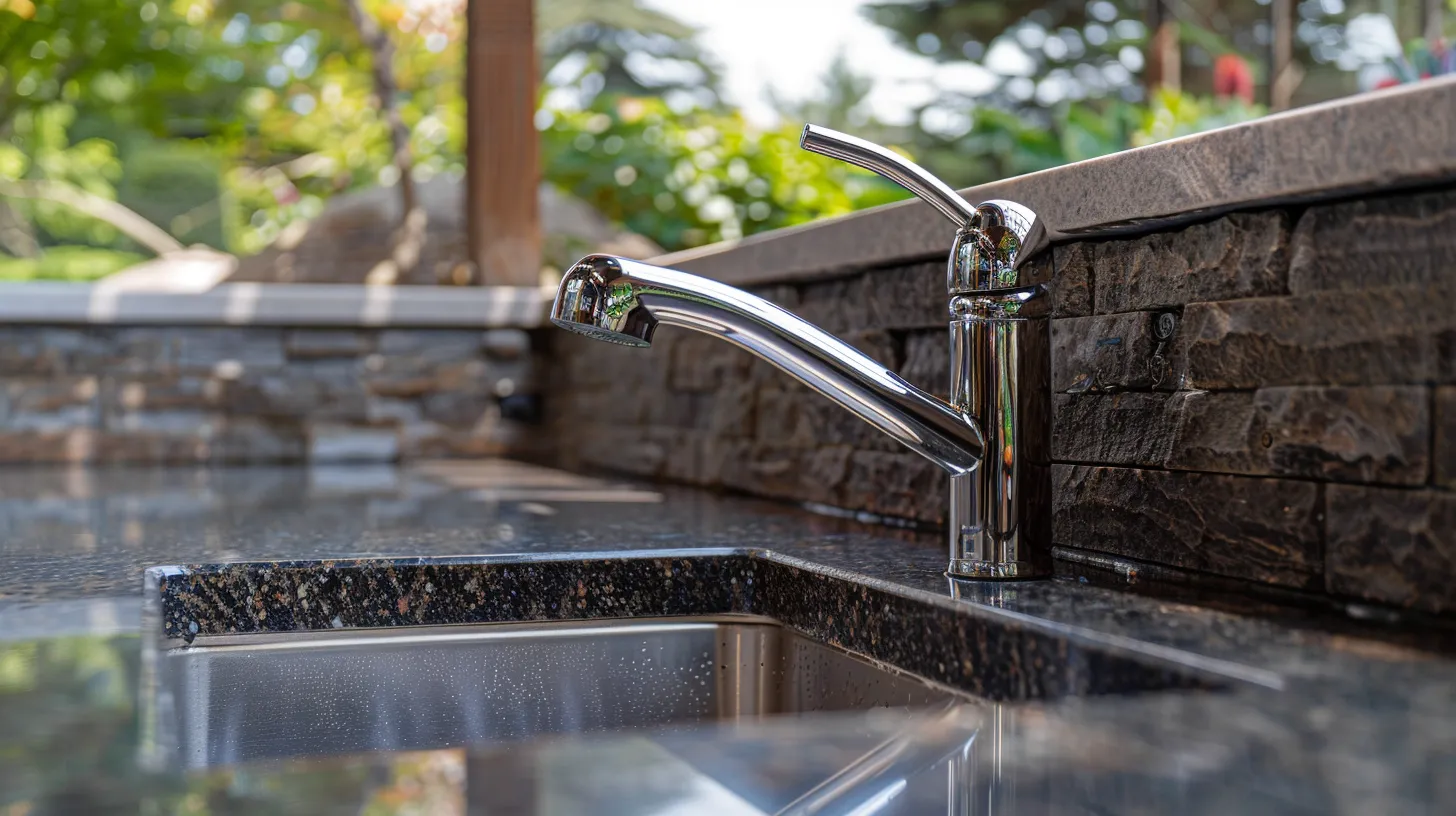
Regular inspection of outdoor faucets is crucial for maintaining optimal plumbing performance. This process involves checking for visible cracks and corrosion, ensuring tightness of handles and fixtures, and assessing seasonal wear and tear. Proper maintenance can prevent issues caused by harsh climate conditions and reduce the need for chemical drain cleaners or extensive plumbing services. Adequate pipe insulation and protection from rain are essential considerations during inspections.
Check for Visible Cracks and Corrosion
Regular plumbing inspection includes checking outdoor faucets for visible cracks and corrosion. This maintenance step helps identify potential issues before they escalate into major problems. Homeowners should examine the faucet body, handles, and connections for signs of damage or wear.
Corrosion often appears as discoloration or rust on metal surfaces. It can weaken the faucet structure and lead to leaks. Cracks may be subtle, so a thorough examination using good lighting is essential for effective leak detection.
If cracks or corrosion are found, immediate action is necessary. Replacing damaged components or the entire faucet may be required to prevent water waste and potential damage to the home’s foundation or nearby structures. Regular plumbing inspections can extend the life of outdoor fixtures and prevent costly repairs.
Ensure Tightness of Handles and Fixtures
Regular inspection of outdoor faucet handles and fixtures ensures optimal performance and prevents water waste. Homeowners should check for any looseness or wobbling in handles, which can indicate worn washers or loose packing nuts. Tightening these components can prevent leaks and reduce the need for drain cleaners in the basement.
Proper maintenance of fixtures includes examining the connection points between the faucet and the water supply line. Loose connections can lead to water leakage, potentially damaging the home’s foundation or wasting energy. Homeowners should use appropriate tools to tighten any loose fittings, ensuring a secure seal.
Rust formation on handles or fixtures can compromise their integrity and function. Regular cleaning and application of rust-resistant coatings can extend the lifespan of outdoor faucets. If rust is severe, replacement of affected parts may be necessary to maintain the efficiency of the water supply system:
- Check handles for looseness or wobbling
- Examine connection points between faucet and water supply line
- Tighten loose fittings with appropriate tools
- Clean and apply rust-resistant coatings
- Replace severely rusted parts if necessary
Assess Seasonal Wear and Tear
Seasonal changes significantly impact outdoor faucets, causing wear on the plumbing system. Extreme temperatures, precipitation, and UV exposure can degrade materials and compromise functionality. Homeowners should assess faucets for signs of wear after each season to prevent emergencies and maintain a healthy lawn.
Winter poses particular challenges, as freezing temperatures can cause pipes to burst. Homeowners should inspect for frost damage and ensure proper insulation. Summer heat can lead to sediment buildup and rubber component deterioration. Regular cleaning and lubrication can mitigate these issues.
Autumn brings falling leaves and debris that can clog outdoor faucets. Spring thaws may reveal hidden damage from winter freezes. A comprehensive seasonal inspection schedule helps identify and address wear before it leads to costly repairs or water waste:
Clean Your Gutters and Downspouts Regularly
Regular gutter and downspout maintenance is crucial for preserving outdoor plumbing systems. This involves scheduling seasonal cleanings to prevent clogs, using appropriate tools for safe cleaning, and keeping debris away from plumbing vents. Proper maintenance helps avoid issues with toilets, boilers, and sump pumps, especially during heavy rain or snow. Timely cleaning can reduce the need for professional plumbing services.
Schedule Seasonal Cleaning for Clogs
Scheduling seasonal gutter and downspout cleaning is essential for maintaining a healthy outdoor plumbing system. Homeowners should plan cleanings at least twice a year, typically in spring and fall, to prevent clogs that can affect irrigation systems and septic tanks. Regular maintenance helps avoid overflow that may damage foundations or lead to basement flooding.
During cleaning, homeowners should inspect for signs of root intrusion, which can cause significant blockages in gutters and downspouts. Using a hose to flush the system can reveal any remaining debris or obstructions. This process also helps identify areas where foam gutter guards might be beneficial in reducing debris accumulation.
Professional gutter cleaning services often offer seasonal maintenance plans that include comprehensive inspections and cleanings. These services can be particularly valuable for multi-story homes or properties with complex rooflines. A well-maintained gutter system protects outdoor plumbing components and extends their lifespan:
Use Appropriate Tools for Safe Cleaning
Proper tools are essential for safe and effective gutter cleaning. Homeowners should use sturdy ladders with stabilizers to prevent damage to gutters and reduce the risk of falls. Wear and tear on gutters can be minimized by using plastic scoops instead of metal tools, which may scratch or dent the gutter material.
For hard-to-reach areas or homes with tall trees, telescoping gutter cleaning wands can be invaluable. These tools attach to a garden hose and allow for cleaning from the ground, reducing the risk associated with ladder use. Electric leaf blowers can also be effective for removing dry debris, especially from gutters near large trees or plants.
In regions prone to freezing temperatures, heated gutter cables can prevent ice dams and reduce the frequency of manual cleaning. When installing these systems, homeowners should follow manufacturer guidelines to avoid electrical hazards. Safety equipment such as gloves, eye protection, and non-slip shoes are crucial for all gutter cleaning tasks:
- Sturdy ladder with stabilizers
- Plastic gutter scoop
- Telescoping gutter cleaning wand
- Electric leaf blower
- Heated gutter cables (for cold climates)
- Safety gloves, goggles, and non-slip shoes
Keep Debris Away From Plumbing Vents
Keeping debris away from plumbing vents is crucial for maintaining a healthy outdoor plumbing system. Homeowners should regularly inspect roof vents and remove any accumulated leaves, twigs, or other debris that could obstruct proper airflow. This simple maintenance task helps prevent issues with water heating systems and reduces the risk of mold growth in bathrooms and kitchens.
A comprehensive plumbing checklist should include checking vent pipes for signs of corrosion or damage. Homeowners can use a garden hose to flush debris from vent openings, ensuring water flows freely through the plumbing system. Regular cleaning of plumbing vents can prevent costly repairs and extend the lifespan of water heaters and other appliances.
Installing vent guards or screens can significantly reduce debris accumulation around plumbing vents. These protective devices allow air to flow while keeping out leaves, small animals, and other potential obstructions. Homeowners should choose corrosion-resistant materials for vent guards to ensure long-lasting protection for their plumbing system.
Protect Your Hose Bibs From Freezing
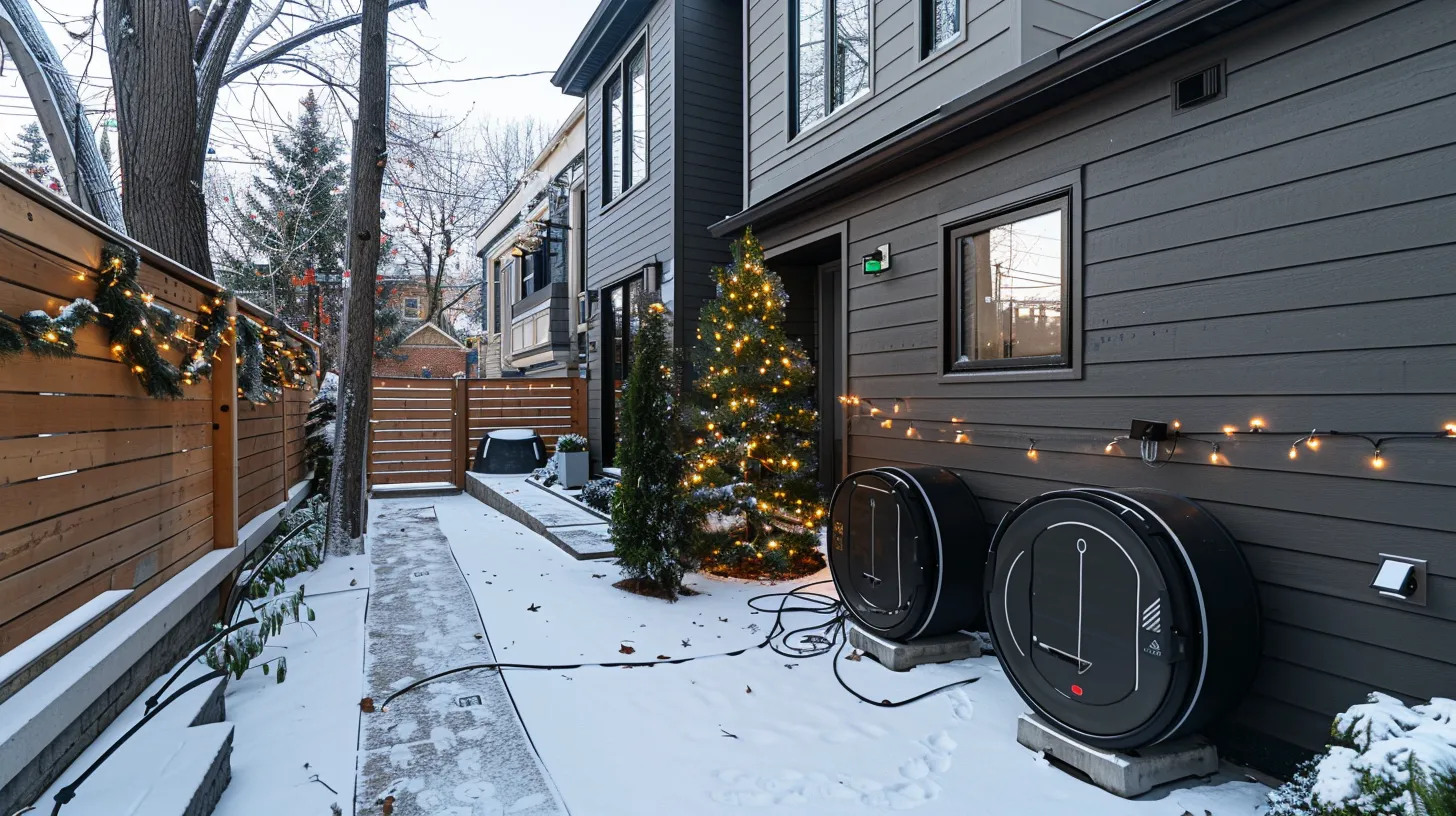
Protecting hose bibs from freezing is crucial for maintaining outdoor plumbing systems and preventing leaks. Homeowners can use insulated covers during winter, drain hoses before cold weather sets in, and install frost-free faucets to safeguard against damage. These measures help preserve garden hoses, taps, and pumps, ensuring optimal performance of bathroom fixtures and outdoor plumbing throughout the year.
Use Insulated Covers During Winter
Insulated covers provide essential protection for hose bibs during winter, preventing costly plumbing repairs. These covers shield outdoor faucets from freezing temperatures, which can cause pipes to burst and disrupt water flow to indoor fixtures. Homeowners should install covers before the first frost to ensure maximum protection.
Proper installation of insulated covers involves securing them tightly around the hose bib to prevent air infiltration. This creates a barrier against cold air, maintaining a temperature above freezing around the faucet. Regular inspection of covers throughout winter helps identify any damage or displacement that could compromise their effectiveness.
Choosing the right insulated cover is crucial for optimal protection. Covers should be weather-resistant and sized correctly for the specific hose bib. Homeowners can consider foam-insulated covers or electric heat tape for extreme cold climates. A well-protected hose bib contributes to the overall efficiency of a home’s plumbing and heating systems:
Drain Hoses Before the Cold Season
Draining hoses before the cold season is crucial for protecting outdoor plumbing systems. Homeowners should disconnect garden hoses from outdoor faucets and drain them completely to prevent water from freezing inside. This process helps maintain proper pressure in the plumbing system and reduces the risk of pipe bursts.
After draining, homeowners should inspect hoses for damage and store them in a dry, protected area. Proper storage extends the life of hoses and ensures they’re ready for use when warmer weather returns. Regular inspections can also reveal issues with the pressure regulator or other components connected to outdoor faucets.
Indoor fixtures, such as showers, benefit from this preventive measure as well. By ensuring proper drainage of outdoor systems, homeowners reduce the risk of pressure imbalances that can affect indoor plumbing performance. This simple maintenance task contributes to the overall health of both outdoor and indoor plumbing systems.
Install Frost-Free Faucets
Installing frost-free faucets is an effective way to protect outdoor plumbing systems from freezing temperatures. These specialized faucets feature a long stem that extends into the heated area of the home, preventing water from remaining in exposed pipes. Homeowners can significantly reduce the risk of frozen pipes and subsequent damage to their plumbing systems by upgrading to frost-free models.
Frost-free faucets work by automatically draining water from the pipe when the faucet is turned off, eliminating the need for manual draining. This feature is particularly beneficial for homes with sump pumps or other outdoor water-dependent systems, as it ensures continuous operation even in cold weather. The installation process typically involves replacing existing outdoor faucets with frost-free versions, which may require professional assistance for optimal results.
When selecting frost-free faucets, homeowners should consider models with additional features such as vacuum breakers or built-in heat tape for enhanced protection. Regular maintenance of these faucets, including checking for leaks and ensuring proper drainage, is essential for their effectiveness. By investing in frost-free faucets, homeowners can protect their outdoor plumbing and reduce the likelihood of costly repairs due to frost damage:
- Choose appropriate frost-free faucet models
- Hire a professional for proper installation
- Perform regular maintenance checks
- Ensure proper drainage functionality
- Consider additional protective features
Install and Maintain a Sprinkler System
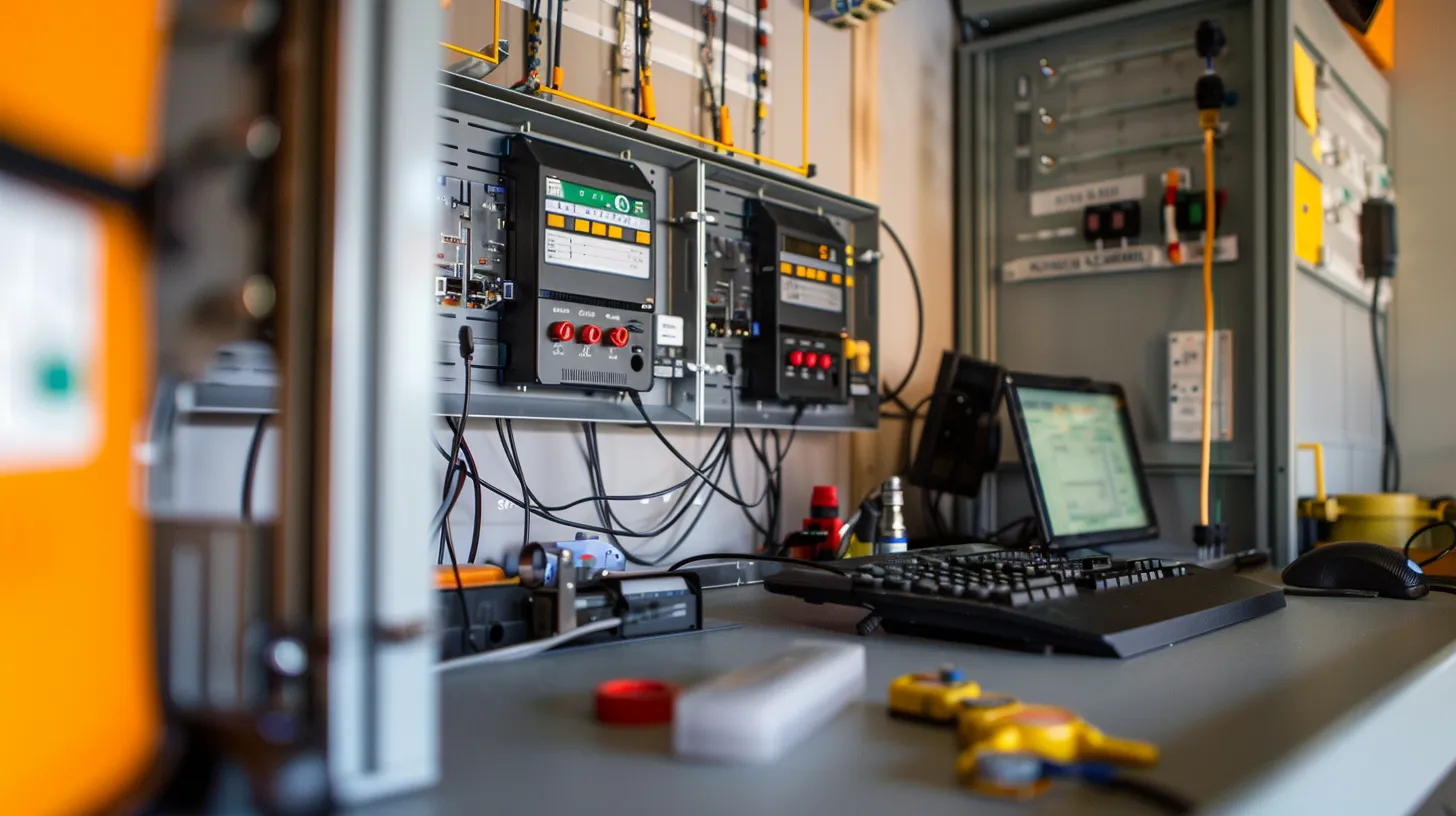
Installing and maintaining a sprinkler system is crucial for outdoor plumbing health. Regular checks for leaks in lines prevent water waste and potential damage. Seasonal adjustments to sprinkler heads ensure efficient watering. Proper winterization protects the system from freezing temperatures. These practices contribute to overall plumbing maintenance, potentially reducing the need for repairs to water heaters, washing machines, and other connected systems.
Regularly Check for Leaks in Lines
Regular inspection of sprinkler lines is crucial for maintaining outdoor plumbing systems. Homeowners should walk their property, paying close attention to wet spots or unusually lush areas in the garden, which may indicate underground leaks. Checking each valve for proper function and examining visible pipes for cracks or damage can prevent water waste and potential landscape issues.
Debris accumulation around sprinkler heads can cause uneven water distribution and increase the risk of leaks. Homeowners should clear away grass clippings, leaves, and soil from sprinkler heads to ensure proper operation. Additionally, they should test each zone of the sprinkler system separately, observing for any irregularities in water pressure or spray patterns that might suggest a leak in the lines.
Professional inspections can complement regular homeowner checks, especially for complex outdoor plumbing systems. Plumbers can use specialized equipment to detect hidden leaks and assess the overall health of the sprinkler system. This proactive approach to maintenance can extend the lifespan of the system and prevent costly repairs to other outdoor plumbing components.
Adjust Sprinkler Heads Seasonally
Seasonal adjustment of sprinkler heads ensures optimal water distribution and efficiency for outdoor plumbing systems. Homeowners should inspect and adjust sprinkler heads at the start of each season to account for changes in plant growth and water needs. This practice helps maintain a healthy lawn while conserving water and reducing strain on the home’s plumbing infrastructure, including the kitchen water supply.
During spring and summer, sprinkler heads may need to be raised or reoriented to accommodate growing vegetation. Homeowners should check for proper coverage and adjust spray patterns to avoid wasting water on sidewalks or driveways. This attention to detail can prevent overwatering, which may lead to issues with basement drainage or sump pumps.
In fall and winter, lowering sprinkler heads can protect them from damage caused by lawn equipment or freezing temperatures. Homeowners should also consider reducing watering frequency and duration to match the decreased water needs of dormant plants. These adjustments can help prevent unnecessary strain on the home’s water heater and overall plumbing system during colder months.
Winterize Your Sprinkler System Properly
Proper winterization of sprinkler systems is crucial for protecting outdoor plumbing from freezing temperatures. Homeowners should start by shutting off the main water supply to the system and draining all water from the pipes. This process involves using an air compressor to blow out any remaining water, ensuring complete drainage and preventing pipe damage.
Insulating exposed pipes and backflow preventers helps safeguard against extreme cold. Homeowners can use foam insulation sleeves or heat tape to protect vulnerable components. Covering above-ground parts of the system with insulated boxes or bags provides an additional layer of protection against frost damage.
Professional winterization services offer comprehensive protection for complex sprinkler systems. These services typically include a thorough inspection, complete water removal, and application of antifreeze solutions where necessary. Proper winterization not only protects the sprinkler system but also prevents potential issues with other plumbing components, such as water heaters or bathroom fixtures:
- Shut off main water supply
- Drain all water from pipes using an air compressor
- Insulate exposed pipes and backflow preventers
- Cover above-ground components
- Consider professional winterization services
Schedule Routine Maintenance With Professionals
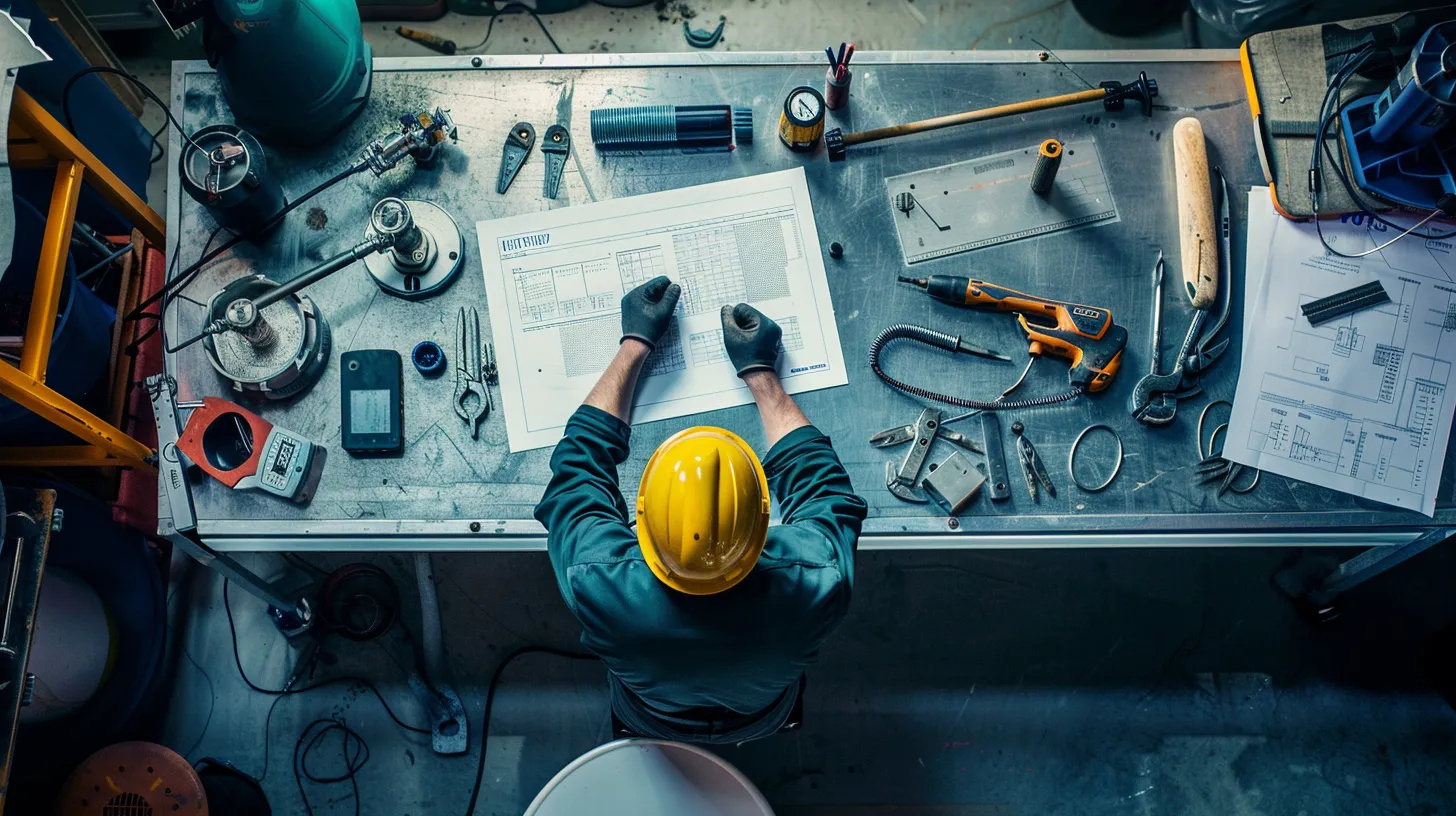
Professional maintenance is essential for keeping outdoor plumbing systems in optimal condition year-round. Homeowners should schedule annual check-ups, discuss preventative measures with technicians, and maintain detailed records of repairs and services. These practices ensure early detection of potential issues, extend the lifespan of plumbing components, and help avoid costly emergency repairs.
Set Annual Check-Ups for Outdoor Plumbing
Setting annual check-ups for outdoor plumbing systems is crucial for maintaining their longevity and efficiency. Homeowners should schedule these inspections with licensed plumbers before the start of each season to ensure their outdoor fixtures are in optimal condition. These regular check-ups can identify potential issues before they escalate into costly repairs.
During annual inspections, professionals assess the condition of outdoor faucets, sprinkler systems, and drainage pipes. They check for leaks, corrosion, and proper functioning of all components. These thorough examinations help prevent water waste and potential damage to the home’s foundation or landscaping.
Professional plumbers can also provide valuable advice on maintaining outdoor plumbing systems throughout the year. They may recommend specific maintenance tasks or upgrades to improve system performance and efficiency. By investing in annual check-ups, homeowners can ensure their outdoor plumbing remains in top shape, regardless of seasonal changes:
Discuss Preventative Measures With Technicians
Homeowners should engage in detailed discussions with plumbing technicians about preventative measures for outdoor plumbing systems. These conversations can reveal valuable insights into protecting pipes from freezing, preventing root intrusion, and maintaining proper water pressure. Technicians can offer tailored advice based on the specific climate and soil conditions of the property.
During maintenance visits, homeowners can ask technicians to demonstrate proper winterization techniques for outdoor faucets and sprinkler systems. This hands-on approach allows homeowners to learn essential skills for maintaining their plumbing between professional visits. Technicians may also recommend specific products or tools that can enhance the longevity of outdoor plumbing components.
Plumbing professionals can provide guidance on identifying early warning signs of potential issues in outdoor plumbing systems. By learning to recognize subtle changes in water pressure or unusual sounds from pipes, homeowners can address problems before they escalate. This proactive approach to maintenance can significantly reduce the likelihood of emergency repairs and extend the lifespan of outdoor plumbing fixtures.
Keep Records of Repairs and Services
Maintaining detailed records of repairs and services is essential for effective outdoor plumbing maintenance. Homeowners should create a log that includes dates of inspections, descriptions of work performed, and contact information for service providers. This documentation helps track the system’s history and identifies recurring issues that may require more extensive repairs.
A comprehensive record-keeping system allows homeowners to anticipate future maintenance needs and budget accordingly. By reviewing past service records, they can identify patterns in equipment wear and plan for replacements before failures occur. This proactive approach minimizes disruptions to outdoor water systems and prevents unexpected expenses.
Digital record-keeping tools offer convenient ways to store and access plumbing maintenance information. Homeowners can use smartphone apps or cloud-based services to organize receipts, warranty information, and service notes. These digital records are easily shareable with technicians during future visits, ensuring continuity of care for outdoor plumbing systems:
- Create a maintenance log with dates and service details
- Track recurring issues and equipment wear patterns
- Use digital tools for organizing plumbing records
- Share maintenance history with technicians
- Plan for future replacements and repairs
Understand Your Local Plumbing Regulations

Understanding local plumbing regulations is essential for maintaining outdoor plumbing systems effectively. Homeowners should familiarize themselves with area-specific codes, know when to obtain permits for upgrades, and stay informed about seasonal restrictions. This knowledge ensures compliance, prevents costly mistakes, and helps maintain the integrity of outdoor plumbing throughout the year.
Familiarize Yourself With Codes in Your Area
Homeowners should familiarize themselves with local plumbing codes to ensure their outdoor systems comply with regulations. These codes often specify requirements for pipe materials, installation methods, and water conservation measures. By understanding these regulations, property owners can avoid costly violations and ensure their outdoor plumbing meets safety standards.
Local building departments typically provide access to current plumbing codes. Homeowners can request copies or view them online to learn about specific requirements for outdoor fixtures, backflow prevention devices, and drainage systems. This knowledge helps in planning maintenance tasks and upgrades that align with local standards.
Staying informed about code updates is crucial for maintaining compliant outdoor plumbing systems. Homeowners should periodically check with local authorities or plumbing professionals for any changes in regulations. This proactive approach helps anticipate necessary modifications and ensures continuous compliance with evolving standards:
- Review local plumbing code documentation
- Consult with building department officials
- Stay updated on code revisions
- Implement necessary changes to outdoor plumbing
- Verify compliance during routine maintenance
Know When to Seek Permits for Upgrades
Homeowners should familiarize themselves with local regulations regarding outdoor plumbing upgrades to determine when permits are required. Most jurisdictions mandate permits for major changes to water supply lines, sewer connections, or significant alterations to existing outdoor plumbing systems. Obtaining proper permits ensures compliance with safety standards and protects homeowners from potential legal issues.
Generally, minor repairs or replacements of existing fixtures do not require permits. However, installing new outdoor plumbing features, such as irrigation systems or outdoor kitchens, often necessitates official approval. Homeowners should consult their local building department or a licensed plumber to clarify specific permit requirements before commencing any substantial outdoor plumbing projects.
Failure to secure necessary permits can result in fines, forced removal of non-compliant installations, or complications during property sales. By proactively seeking permits for qualifying upgrades, homeowners demonstrate commitment to maintaining safe and efficient outdoor plumbing systems. This approach also ensures that work is inspected and meets local codes, potentially preventing future issues.
Stay Informed About Seasonal Restrictions
Homeowners should stay informed about seasonal restrictions on outdoor water use to maintain compliant plumbing systems. Many municipalities implement watering schedules or usage limits during dry seasons to conserve resources. By adhering to these regulations, property owners can avoid fines and contribute to community water conservation efforts.
Local water authorities often provide updates on seasonal restrictions through various channels, including websites, social media, and community newsletters. Homeowners can sign up for alerts or regularly check these sources to stay informed about changes in outdoor water use policies. This proactive approach helps in adjusting irrigation schedules and outdoor plumbing practices to align with current regulations.
Understanding seasonal restrictions also aids in planning outdoor plumbing maintenance activities. Homeowners can schedule system upgrades or repairs during periods with fewer restrictions, ensuring compliance and minimizing disruptions to landscaping routines. By aligning maintenance with seasonal regulations, property owners can optimize their outdoor plumbing systems for efficiency and regulatory compliance year-round.
Conclusion
Maintaining outdoor plumbing systems throughout the year is crucial for preventing costly repairs and ensuring efficient water use. Regular inspections, seasonal maintenance, and proper winterization protect pipes, faucets, and sprinkler systems from damage caused by changing weather conditions. Understanding local regulations and scheduling professional check-ups further safeguard outdoor plumbing components and ensure compliance with area-specific codes. By implementing these practices, homeowners can extend the lifespan of their outdoor plumbing systems, conserve water, and maintain a functional and attractive outdoor living space year-round.
