How to Safeguard Your Pipes Against Arizona’s Harsh Summers
Are your pipes ready for Arizona’s scorching summer heat? This guide will show you how to protect your plumbing from the harsh desert climate. We’ll cover essential steps to prepare your pipes, monitor water use, and maintain your system during peak temperatures. By following these tips, you’ll prevent costly damage and ensure your home’s plumbing stays in top shape all summer long. Learn how to safeguard your pipes and avoid common heat-related plumbing issues today.
Key Takeaways
- Arizona’s extreme heat can damage pipes through expansion, contraction, and mineral buildup
- Regular maintenance and inspections are crucial for preventing plumbing issues in harsh climates
- Proper insulation and sealing of pipes help protect against temperature fluctuations and leaks
- Monitoring water usage and implementing conservation strategies can reduce strain on plumbing systems
- Homeowners should prepare for plumbing emergencies by identifying issues quickly and having reliable services on call
Understanding How Summer Heat Affects Your Pipes
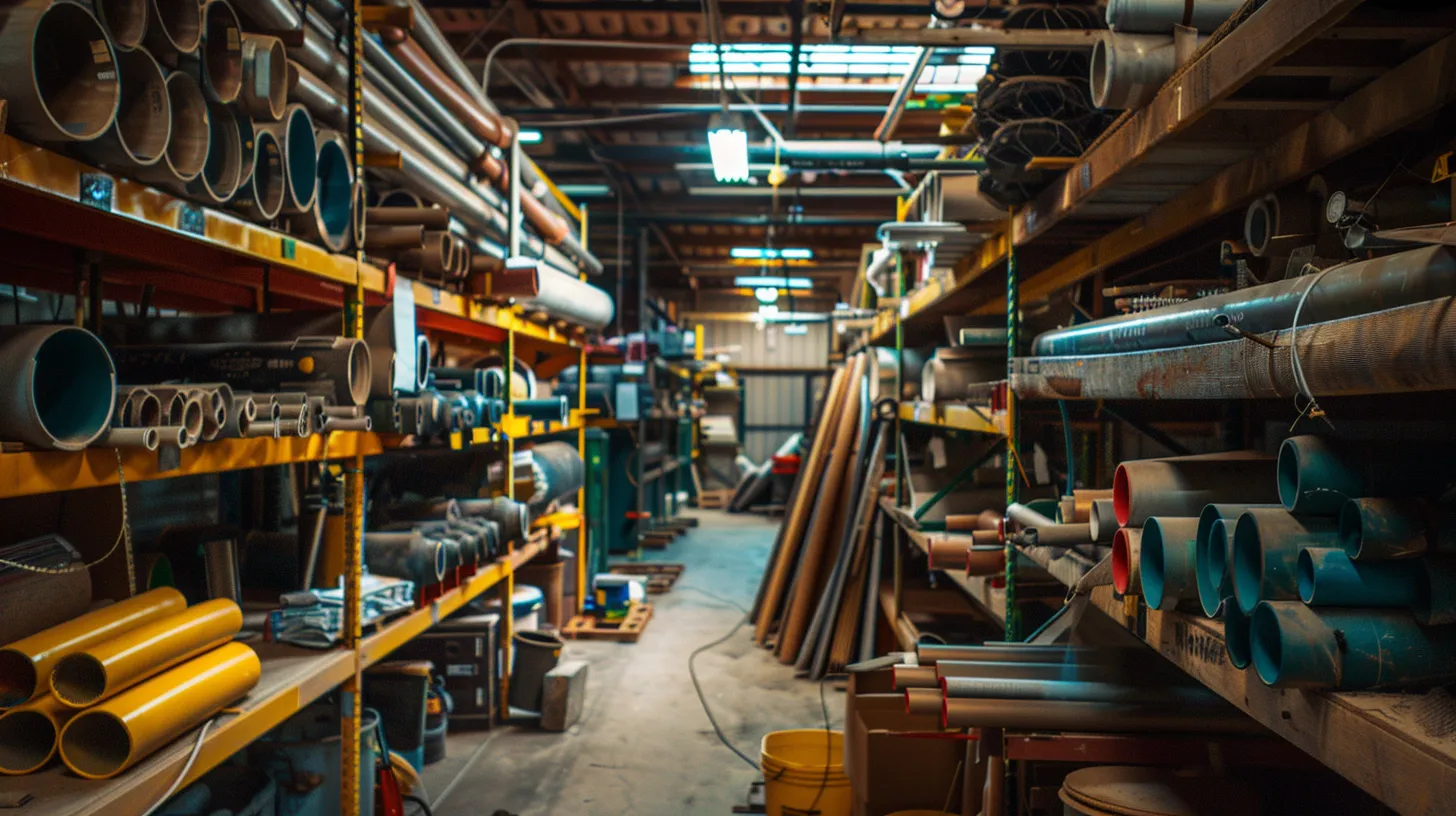
Arizona’s extreme heat poses significant challenges to plumbing systems. High temperatures can affect pipe integrity, leading to potential mineral buildup and structural issues. Rapid temperature changes in crawl spaces and other areas can stress pipes, impacting their longevity. Understanding these effects is crucial for homeowners seeking to protect their plumbing and maintain efficient home services.
Effects of High Temperatures on Pipe Integrity
High temperatures can significantly impact pipe integrity, leading to expansion and contraction that strains the material. This thermal stress can cause pipes to crack or leak, especially in areas exposed to direct sunlight or extreme heat. Proper pipe insulation can help mitigate these effects, protecting pipes from freezing in winter and excessive heat in summer.
The intense Arizona heat can accelerate mineral buildup within pipes, reducing water flow and increasing pressure on the system. This buildup can lead to clogs and decreased efficiency, potentially causing homeowners to pay higher water bills. Regular maintenance and professional inspections can help identify and address these issues before they escalate.
Extreme temperature fluctuations, particularly in crawl spaces or attics, can cause pipes to weaken over time. The constant expansion and contraction can lead to joint failures or pipe bursts, especially when combined with high water pressure. Installing a pressure regulator and ensuring proper ventilation in these areas can help protect pipes from the harsh effects of both heat and wind.
How Rapid Temperature Changes Impact Plumbing
Rapid temperature changes can significantly stress a plumbing system, especially in Arizona’s harsh climate. As temperatures fluctuate, pipes expand and contract, potentially leading to cracks or leaks. This thermal stress is particularly pronounced in outdoor plumbing fixtures and pipes exposed to direct sunlight.
Sudden temperature drops, such as those caused by rain or nightfall, can create pressure imbalances within the plumbing system. These imbalances may cause water to flow back through taps or affect the performance of propane-based water heaters. Proper pressure regulation and insulation are crucial to mitigate these effects.
Temperature variations can also impact the integrity of pipe joints and seals. Over time, repeated expansion and contraction can weaken these connections, increasing the risk of leaks or bursts. Regular inspections and maintenance can help identify vulnerable areas in the plumbing system:
- Check for visible signs of wear or damage
- Test water pressure at various taps
- Inspect outdoor pipes and fixtures
- Monitor for unusual sounds or odors
Preparing Your Pipes for the Intense Summer Heat
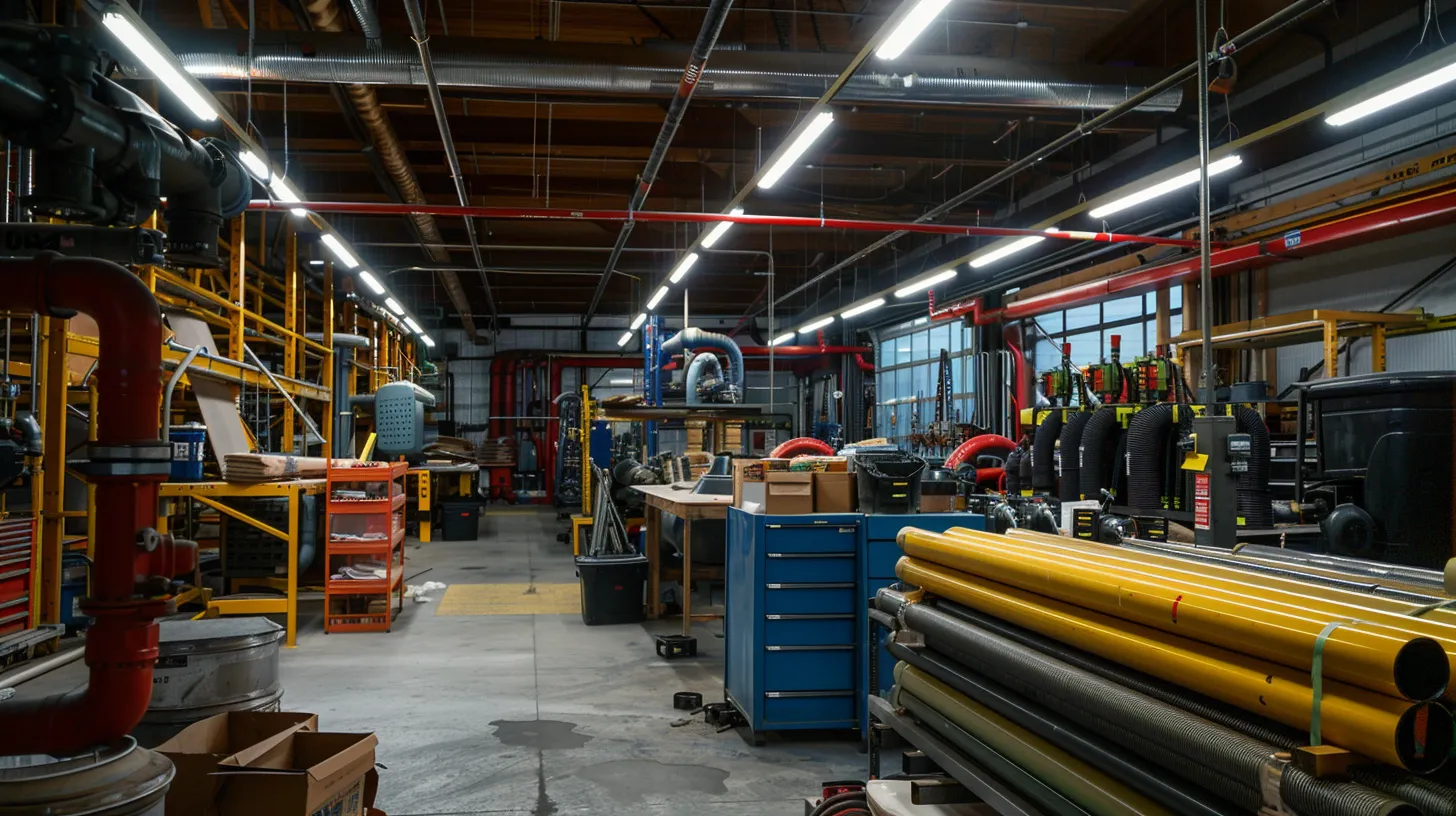
Preparing pipes for Arizona’s intense summer heat involves crucial steps to prevent damage and maintain efficiency. Proper insulation of exposed pipes, sealing joints and fittings, and selecting appropriate insulation materials are key to safeguarding plumbing systems. These measures protect hot water pipes, prevent floods, and ensure smooth operation of tap water, sprinklers, and drains during extreme temperatures.
Key Steps to Insulate Exposed Pipes
Homeowners should identify exposed pipes in vulnerable areas such as the roof, garage, and near hot water heaters. These locations are susceptible to extreme temperature fluctuations and potential damage from lightning strikes. Conducting a thorough inspection helps determine which pipes require immediate attention.
Selecting appropriate insulation materials is crucial for effective pipe protection. Foam sleeves or fiberglass insulation work well for most residential applications. For outdoor hoses and pipes, UV-resistant materials offer additional protection against sun damage and heat exposure.
Proper installation techniques ensure optimal insulation performance. Homeowners should measure pipe diameters accurately, cut insulation to fit snugly, and secure it with tape or clamps. Special attention should be given to joints and bends, as these areas are prone to heat loss and potential leaks:
Importance of Sealing Joints and Fittings
Properly sealing joints and fittings is crucial for maintaining plumbing integrity during Arizona’s harsh summers. High-quality sealants prevent water leaks and protect pipes from corrosive household chemicals, ensuring optimal performance even in extreme heat.
Summer temperatures can cause pipes to expand, potentially compromising the integrity of joints and fittings. Regularly inspecting and resealing these areas helps prevent costly water damage and maintains the efficiency of home plumbing systems.
Ice formation in poorly sealed joints can lead to pipe bursts when temperatures fluctuate rapidly. By ensuring all connections are properly sealed, homeowners can protect their plumbing from both summer heat and unexpected cold snaps, reducing the risk of damage and expensive repairs.
Selecting the Right Insulation Materials
Choosing appropriate insulation materials is crucial for protecting pipes against Arizona’s intense summer heat. Homeowners should consider materials with high R-values, such as fiberglass or foam, to effectively insulate pipes in kitchens and bathrooms, including toilet supply lines. These materials provide excellent thermal resistance, helping to prevent leaks and maintain consistent water temperatures.
For outdoor pipes exposed to extreme temperatures and potential tornado debris, closed-cell polyethylene foam offers superior protection. This durable material resists moisture absorption and UV damage, making it ideal for safeguarding pipes in emergency situations. It also helps prevent condensation, which can lead to corrosion and eventual leaks.
In areas prone to rapid temperature fluctuations, such as attics or crawl spaces, reflective insulation can provide an additional layer of protection. This type of insulation reflects radiant heat away from pipes, helping to maintain consistent temperatures and reduce the risk of expansion-related leaks. Homeowners should consult with a professional plumber to determine the best insulation strategy for their specific needs.
Monitoring Water Use During Peak Summer
Monitoring water use during Arizona’s peak summer is crucial for safeguarding pipes and conserving resources. As temperatures soar and monsoon season approaches, homeowners must be vigilant for signs of increased water demand on their plumbing systems. Implementing effective strategies to conserve water in hot weather can help protect the water supply and mitigate the impact of severe weather on household plumbing.
Signs of Increased Water Demand on Plumbing
Increased water flow through pipes and fixtures often signals heightened demand on the plumbing network. Homeowners may notice reduced water pressure or inconsistent temperatures from faucets and showers, indicating stress on the system. These signs can be particularly evident in outdoor plumbing fixtures, which experience more direct exposure to extreme heat.
Unusual noises from pipes or the water heater can suggest increased demand and potential issues. Rattling, banging, or whistling sounds may indicate air in the lines or excessive pressure, both of which can strain the plumbing system. Frequent cycling of the water heater pump can also point to higher water usage and potential efficiency problems.
Higher than normal moisture levels around pipes or fixtures may indicate leaks caused by increased demand and heat stress. Homeowners should regularly inspect areas around toilets, sinks, and outdoor spigots for signs of water damage or excessive condensation. Early detection of these issues can prevent more severe damage to the plumbing system and surrounding structures:
- Check for damp spots or discoloration on walls and floors
- Inspect outdoor hose bibs and sprinkler systems for leaks
- Monitor water meter readings for unexplained increases in usage
- Pay attention to changes in water pressure throughout the home
Strategies to Conserve Water in Hot Weather
Homeowners can reduce water consumption during hot weather by adjusting their landscape irrigation schedules. Watering lawns and plants early in the morning or late in the evening minimizes evaporation, ensuring efficient water use. Installing drought-resistant plants and using mulch can further decrease water needs while maintaining an attractive landscape.
Proper insulation of pipes and water heaters helps conserve water by preventing heat loss. This reduces the energy required to maintain hot water temperatures, leading to less water waste. Homeowners should also consider installing low-flow fixtures and appliances to decrease overall water usage without sacrificing comfort or convenience.
Regular maintenance of plumbing systems is crucial for water conservation. Checking for leaks, repairing dripping faucets, and ensuring proper antifreeze levels in outdoor pipes can prevent water waste. The Red Cross recommends conducting periodic inspections to identify and address potential issues before they lead to significant water loss or damage.
Recognizing and Addressing Pipe Vulnerabilities
Recognizing and addressing pipe vulnerabilities is crucial for protecting plumbing systems in Arizona’s harsh climate. Homeowners should understand common types of pipe damage caused by high heat and conduct routine inspections to prevent flow issues. By identifying potential problems early, residents can safeguard their pipes against summer extremes and avoid costly repairs. This proactive approach helps maintain efficient plumbing and evaporative cooler systems throughout the year.
Common Types of Pipe Damage in High Heat
Extreme heat can cause pipes in attics and gardens to expand and contract, leading to cracks or leaks. Homeowners should regularly inspect these areas for signs of damage, especially after prolonged periods of high temperatures. Checking garden hoses and outdoor spigots for brittleness or cracks can prevent water waste and potential flooding.
Prolonged exposure to sunlight can degrade PVC pipes, causing them to become brittle and prone to breakage. Applying foam insulation or UV-resistant coatings to exposed pipes can help protect them from sun damage. Homeowners should pay special attention to pipes in uncovered areas or those near reflective surfaces that intensify heat exposure.
High temperatures can accelerate mineral buildup within pipes, leading to reduced water flow and increased pressure. Regular maintenance, including flushing pipes and using water softeners, can help prevent this issue. Homeowners should read their water quality reports and consider installing filtration systems to protect their plumbing from mineral-related damage.
Routine Inspections to Prevent Flow Issues
Homeowners should conduct routine inspections of their plumbing systems to prevent flow issues caused by Arizona’s extreme heat. These checks should include examining pipes for signs of corrosion, leaks, or unusual noises, which may indicate problems with water pressure or potential blockages. Regular inspections can help identify issues before they escalate, saving homeowners from costly repairs and ensuring the central plumbing system functions optimally.
During inspections, homeowners should pay special attention to areas where pipes are exposed to high temperatures, such as attics or crawl spaces. In these locations, a space heater can be used to simulate extreme conditions, allowing homeowners to observe how pipes react under stress. This proactive approach helps identify vulnerable points in the plumbing system and allows for timely interventions to prevent flow issues.
Professionals recommend homeowners keep a detailed account of their inspection findings and any maintenance performed. This record helps track the plumbing system’s health over time and can inform decisions about repairs or upgrades. By maintaining a comprehensive history, homeowners can better understand their pipes’ vulnerabilities and take appropriate measures to safeguard against Arizona’s harsh summers.
Regular Maintenance Practices for Summer
Regular maintenance practices are crucial for protecting pipes against Arizona’s harsh summers. Setting a plumbing maintenance schedule helps prevent water damage and prepares systems for extreme weather, including potential freezing during temperature fluctuations. Professional plumbing inspections offer significant benefits, ensuring thorough evaluations and timely repairs to safeguard against issues that may arise during the Atlantic hurricane season.
Setting a Plumbing Maintenance Schedule
Homeowners should establish a regular plumbing maintenance schedule to protect their water pipes from Arizona’s intense summer heat. This schedule should include monthly checks for drips, leaks, and unusual sounds that may indicate potential damage. By consistently monitoring their plumbing system, residents can identify and address issues before they escalate into costly repairs.
The maintenance routine should also involve inspecting outdoor areas where pipes are exposed to extreme temperatures and soil conditions. Homeowners should examine visible pipes for signs of corrosion or wear, paying special attention to connections and joints. Adjusting sprinkler systems and checking for proper drainage can prevent water accumulation that may lead to pipe damage.
Incorporating thermostat settings into the maintenance schedule can help optimize water heater performance and prevent unnecessary strain on the plumbing system. Homeowners should review their water heater’s temperature settings seasonally, ensuring they are appropriate for the current weather conditions. This practice not only protects pipes but also contributes to energy efficiency and cost savings.
Benefits of Professional Plumbing Inspections
Professional plumbing inspections offer homeowners comprehensive evaluations of their irrigation systems and water pipes. Trained technicians can identify potential leaks or weaknesses in metal components that may be vulnerable to Arizona’s extreme heat. These inspections help prevent costly water damage and ensure efficient operation of plumbing systems throughout the summer months.
Experts use specialized equipment to detect hidden issues that homeowners might miss, such as underground leaks or accumulating debris in pipes. By addressing these problems early, professionals can prevent major disruptions to water supply and protect property from water-related damage. Regular inspections also help maintain optimal water pressure and flow, crucial for comfort during hot summer days.
Professional plumbers provide valuable advice on maintaining and upgrading plumbing systems to withstand harsh summer conditions. They can recommend appropriate insulation materials, suggest water-saving fixtures, and offer guidance on proper care of outdoor irrigation systems. This expert knowledge helps homeowners implement effective strategies to protect their pipes and conserve water during Arizona’s challenging summer season.
Emergency Preparedness for Plumbing Failures
Emergency preparedness is crucial for homeowners facing plumbing failures in Arizona’s harsh summers. This section covers identifying plumbing emergencies, steps to take during crises, and finding reliable emergency services. From radiant heat affecting indoor air quality to sink blockages in desert conditions, understanding these aspects helps residents respond effectively to protect their homes and maintain comfort.
How to Identify Plumbing Emergencies
Identifying plumbing emergencies promptly is crucial for Arizona homeowners. A sudden drop in water pressure or complete loss of supply indicates a severe issue, possibly a burst pipe or main valve failure. Homeowners should check their basement and lawn for signs of water accumulation, which may suggest underground leaks.
Unusual sounds from pipes or persistent foul odors can signal serious plumbing issues. Gurgling noises in drains or toilets may indicate blockages or sewer line problems. Homeowners should be alert to these auditory and olfactory cues, especially during extreme heat when plumbing systems are under increased stress.
Visual cues often reveal emergency plumbing situations. Water stains on walls, ceilings, or floors suggest hidden leaks that require immediate attention. In Arizona’s harsh climate, even small leaks can quickly escalate, causing significant damage to a home’s structure and foundation.
Steps to Take When Facing an Emergency
When facing a plumbing emergency in Phoenix, homeowners should first shut off the main water supply to prevent further damage. This step is crucial in mitigating the effects of burst pipes or severe leaks. Residents should familiarize themselves with the location of their main water valve before an emergency occurs.
After stopping the water flow, contacting a licensed plumber is essential. Phoenix homeowners should keep a list of reputable emergency plumbing services readily available. While waiting for professional help, residents can take steps to minimize water damage, such as removing valuables from affected areas and using towels or buckets to contain the spread of water.
The American Red Cross recommends having an emergency kit prepared for plumbing failures. This kit should include items such as:
- Pipe repair tape
- Adjustable wrenches
- Flashlights and batteries
- Bucket and mop
- Contact information for local plumbers
Having these supplies on hand can help homeowners address minor issues and mitigate damage while awaiting professional assistance.
Finding Reliable Emergency Plumbing Services
Finding reliable emergency plumbing services in Arizona requires research and preparation. Homeowners should compile a list of reputable plumbers who offer 24/7 emergency services, ensuring they have valid licenses and insurance. Online reviews and recommendations from neighbors can help identify trustworthy professionals experienced in handling summer-related plumbing issues.
Homeowners should contact potential emergency plumbers before a crisis occurs to inquire about their response times, service areas, and pricing structures. Many reputable companies offer priority service for customers who sign up for annual maintenance plans, which can be beneficial during peak summer months when demand for emergency services is high.
Local plumbing associations and community forums often share information about reliable emergency services. Homeowners can join these groups to stay informed about reputable plumbers and receive tips on preventing common summer plumbing issues. Having multiple emergency contacts ensures that help is available even during busy periods when some services may be overwhelmed.
Conclusion
Safeguarding pipes against Arizona’s harsh summers is crucial for maintaining a functional and efficient plumbing system. By understanding the effects of extreme heat, implementing preventive measures, and conducting regular maintenance, homeowners can protect their pipes from damage and costly repairs. Proper insulation, routine inspections, and water conservation strategies play vital roles in preserving pipe integrity and preventing emergencies during peak summer months. Ultimately, proactive care and awareness of potential vulnerabilities empower residents to maintain comfortable living conditions and avoid disruptions to their water supply in Arizona’s challenging climate.
