
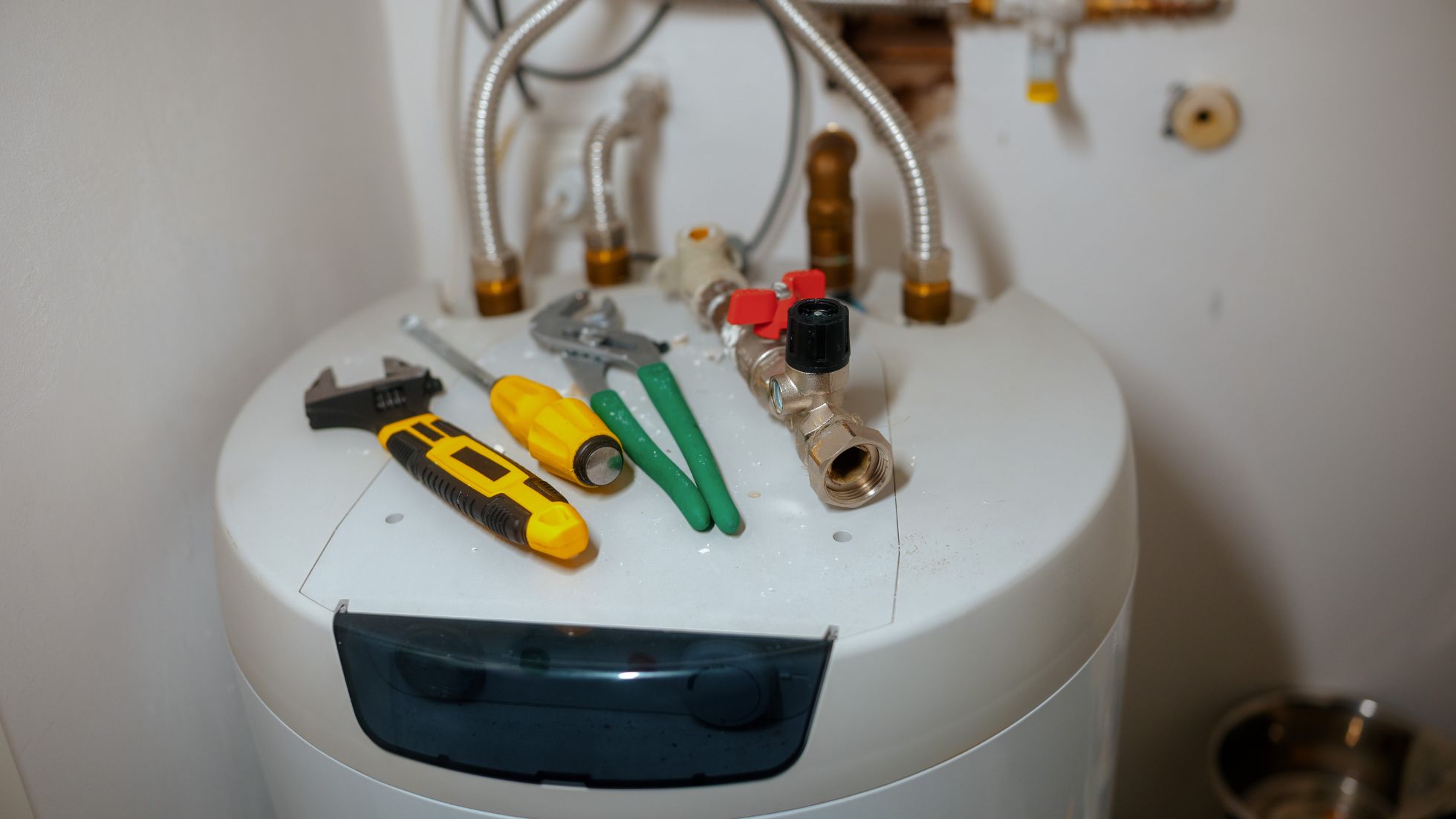
Annual water heater flushing saves Phoenix homeowners $150-$250 in professional service costs while extending equipment life by 2-3 years—a simple DIY task that takes 1-2 hours and requires only basic tools. But Phoenix’s 200+ ppm hard water creates unique challenges including accelerated sediment buildup (1-2 inches annually vs. 1/4-1/2 inch nationally) and corroded drain valves that can turn routine maintenance into an emergency flood requiring immediate professional response.
Phoenix water heaters face challenges homeowners in other regions never experience: extreme hard water from Salt and Verde River sources creates sediment accumulation 300-400% faster than national averages, shortening equipment life to 8-10 years versus 12-15 nationally. Arizona’s 110°F+ summer heat in garages and utility rooms accelerates component failures including thermostats, heating elements, and anode rods, while also increasing mineral precipitation that forms sediment even faster. Many Phoenix homeowners discover these regional challenges the hard way—attempting their first DIY flush on a 7+ year old water heater with corroded drain valves, opening the valve only to find it won’t reseal properly, causing garage floods requiring emergency service costing $200-$400 plus potential water damage remediation up to $5,000.
Key Information
DIY water heater flushing saves $150-$250 annually in professional service costs and extends Phoenix water heater life from typical 8-10 years to 10-12 years (approaching national 12-15 year average), with annual maintenance preventing 30-40% capacity loss from sediment buildup, reducing energy costs by 20-30%, and avoiding $1,000-$1,500 in premature replacement expenses. According to Salt River Project water quality reports, Phoenix water averages 14.9 grains per gallon hardness (200+ ppm)—250-350% harder than U.S. average—creating 1-2 inches of annual sediment versus 1/4-1/2 inch in soft water regions.
Phoenix’s 200+ ppm hard water creates unique DIY challenges including heavily compacted sediment in never-flushed units, corroded drain valves that often won’t reseal after opening on units 5+ years old without previous flushing (60-70% failure rate requiring emergency replacement), and sediment that can clog hot water lines when disturbed. Safe DIY flushing applies to water heaters under 5 years old with regular previous maintenance, functioning drain valves, and no visible corrosion or leaks, while professional service at $150-$250 becomes the wiser investment for units 7+ years old with no flushing history, corroded or mineral-encrusted drain valves, gas water heaters with pilot light issues in extreme heat, or situations where homeowners prefer comprehensive service including anode rod inspection, heating element assessment, and pressure relief valve testing.
24/7 emergency service availability at 623-810-6166 provides safety net if DIY reveals hidden problems including drain valves that won’t close causing floods, sediment-concealed tank leaks, element failures, or other issues requiring immediate professional response. Rapid Fire Plumbing’s Arizona ROC CR-37 licensed contractors understand Phoenix hard water challenges and extreme heat impacts on water heater components that generic plumbers may not recognize.
All timelines and service cost ranges are provided for general information only. Actual service duration and costs will depend on the specific plumbing issues, project complexity, scheduling availability, and agreed-upon scope of work as set forth in the written service agreement.
Overview
This guide provides Phoenix-area homeowners with complete step-by-step water heater flushing instructions, Phoenix hard water context explaining why Arizona requires annual maintenance versus every 2-3 years nationally, honest risk assessment for when DIY is safe versus when professional service is the wiser investment, and 24/7 emergency backup if complications arise. Unlike generic national DIY content, this resource is developed by Arizona ROC-licensed dual commercial/residential plumbers who understand how Phoenix’s 200+ ppm hard water sediment, extreme desert climate (110°F+ garage temperatures), and aging water heater stock create unique challenges.
What Makes This Guide Different:
DIY empowerment with honest limitations provides complete flushing instructions detailed enough for confident execution, while transparently explaining specific situations where DIY becomes risky—water heaters 7+ years old with no flushing history contain 2-4 inches of compacted sediment that can cause complications including drain valve failures, clogged hot water lines, and sediment-concealed tank leaks revealed during draining. Phoenix hard water sediment context explains exactly how Arizona’s 200+ ppm calcium/magnesium content creates sediment accumulation rates requiring annual flushing in Phoenix versus every 2-3 years elsewhere, how sediment reduces tank capacity by 30-40% and increases energy costs by 20-30%, and why Phoenix water heaters only last 8-10 years versus 12-15 nationally without regular maintenance.
Drain valve failure risk warnings specific to Phoenix hard water address mineral buildup that corrodes plastic and brass drain valves, with valves unopened for 2+ years having 60-70% failure rate (won’t reseal after opening), causing garage floods requiring emergency service at $200-$400 plus potential water damage remediation. Testing procedure before full flush (open valve slightly with bucket ready, assess whether it reseals) prevents disasters, with transparent guidance that professional service including drain valve replacement at $150-$250 total is often safer investment than DIY flood risk.
Transparent professional service pricing provides Phoenix market costs—complete water heater flush including sediment removal, drain valve inspection/replacement if needed, anode rod check, heating element assessment, pressure relief valve testing, and warranty on workmanship. Arizona extreme heat impacts on water heater components—110°F+ garage/utility room temperatures in summer accelerate thermostat failures, element corrosion, anode rod depletion, and pilot light/thermocouple problems (gas units), while also increasing mineral precipitation from water creating faster sediment formation.
By following this guide, you’ll understand complete DIY water heater flushing procedure with Phoenix-specific sediment expectations, know whether your specific water heater is safe for DIY based on age/condition/history, recognize drain valve failure warning signs before attempting full flush that could cause flooding, have transparent cost information for professional service if DIY isn’t appropriate for your situation, and access 24/7 emergency response if DIY reveals hidden problems requiring immediate professional attention.
Understanding Phoenix Water Heater Sediment Challenges
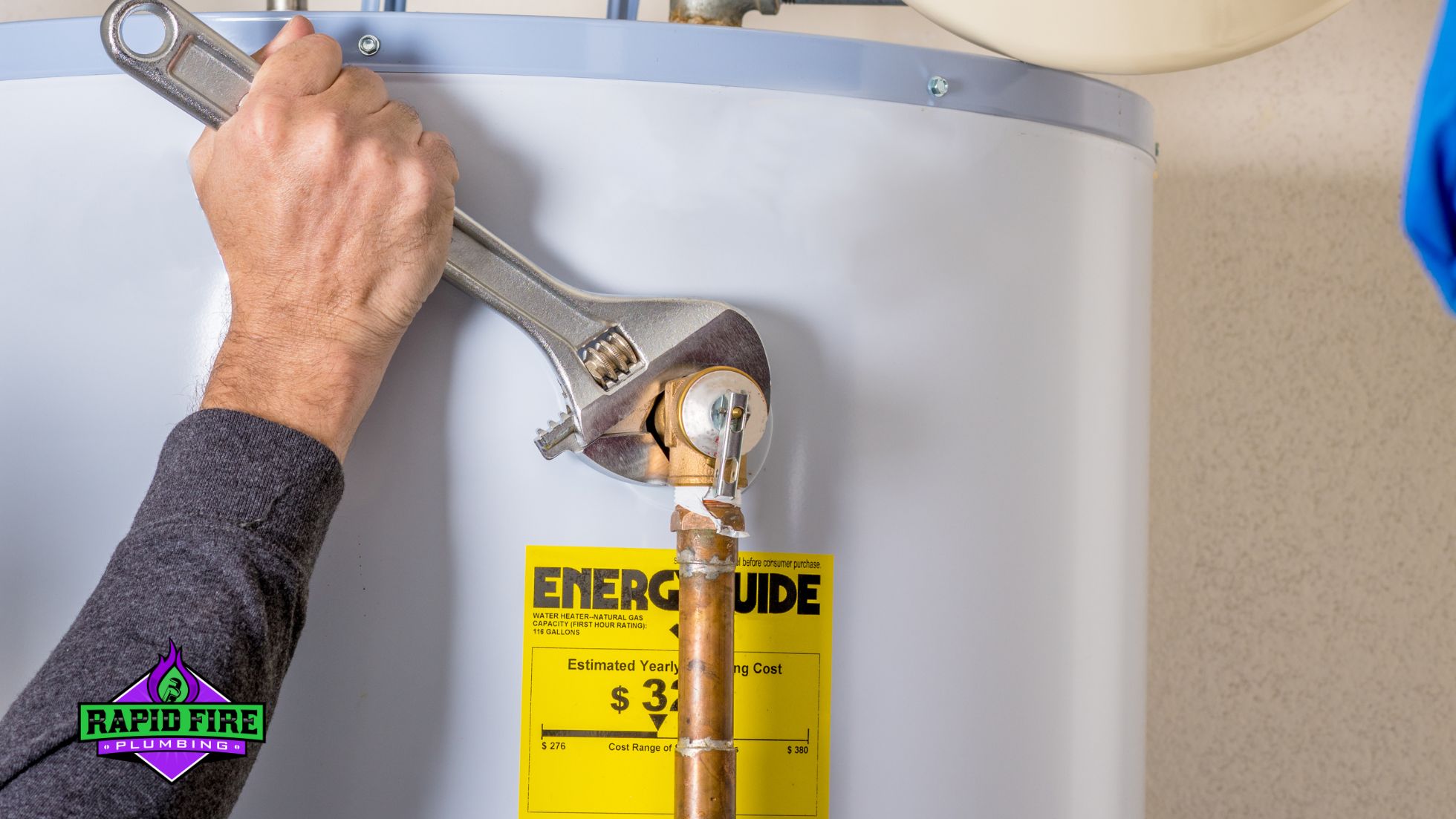
Phoenix homes experience water heater sediment challenges that differ dramatically from national averages. Understanding these Arizona-specific factors helps homeowners make informed decisions about DIY maintenance versus professional service.
Salt River Project Water Hardness Data
Salt River Project and City of Phoenix Water Services water quality reports show Phoenix water averages 14.9 grains per gallon (200+ ppm) hardness, classified as “very hard” water. Geographic variations across the service area show Glendale at 17.5 gpg, Mesa at 17 gpg, Goodyear at 24 gpg (highest in metro area creating extreme sediment challenges), and Peoria at 10.5 gpg (relatively lower but still considered hard water).
This calcium carbonate, magnesium, and sodium composition from Salt and Verde River sources accumulates as sediment when water is heated to 140-160°F operating temperatures. Comparison to U.S. average of 60-80 ppm reveals Phoenix water is 250-350% harder than typical municipal supplies nationwide. The “very hard” classification (over 10.5 gpg) affects water heaters differently than “hard” (7-10.5 gpg) or “soft” (<3.5 gpg) water—creating visible white, gray, or rust-colored sediment when draining tanks.
Why water softeners reduce but don’t eliminate sediment becomes clear: softened water removes 70-80% of minerals, but Phoenix homeowners with water softeners still need annual flushing versus being able to extend to every 2-3 years. The remaining minerals, combined with naturally occurring sodium and other compounds, continue forming sediment requiring regular removal.
How Sediment Forms and Accumulates in Phoenix Water Heaters
Heat physics explains sediment formation: dissolved minerals remain suspended in cold water, but precipitate when water temperature increases to water heater operating range of 140-160°F. These minerals settle on tank bottoms as water cools and reheats through daily usage cycles, with sediment layers building 1-2 inches per year in Phoenix versus 1/4-1/2 inch nationally.
After 5 years without flushing, Phoenix water heaters typically contain 5-10 inches of sediment filling the bottom third of standard 40-50 gallon tanks. Rumbling or popping sounds indicate water boiling beneath sediment layers, creating steam bubbles that burst through compacted mineral deposits. Why sediment is worse in Phoenix combines two factors: extreme heat accelerates mineral precipitation rates as water heats more rapidly in 110°F+ garages, and very hard water provides abundant calcium and magnesium minerals available for deposit.
Anode rod interaction compounds the problem: sediment acids accelerate anode rod depletion. These sacrificial magnesium or aluminum rods protect tank interiors from corrosion through electrochemical reaction, but heavy sediment creates acidic conditions depleting rods 30-40% faster in Phoenix than soft water areas, according to water heater manufacturer maintenance data.
Phoenix Water Heater Lifespan: 8-10 Years vs. National 12-15
Industry data shows Phoenix water heaters last 30-40% shorter than national average lifespan of 12-15 years. Combined factors create this regional difference: hard water sediment accelerating tank bottom corrosion, extreme heat component stress from 110°F+ ambient temperatures, and mineral corrosion attacking metal components throughout the system.
Cost impact for Phoenix homeowners: replacing water heaters 3-4 times over 30 years of homeownership versus 2-3 nationally adds $300-$500 in extra lifetime equipment costs. How annual flushing extends Phoenix water heater life to 10-12 years (approaching national average) represents significant value—preventing premature replacement at $1,200-$2,500 per unit.
Return on investment calculation shows annual flushing at $150-$250 (or DIY at no cost) extends life by 2-3 years, preventing $1,200-$2,500 premature replacement for net savings of $1,000-$1,500 over equipment lifetime. Energy savings add 20-30% reduction in heating costs when sediment is removed annually, as heating elements or burners don’t need to heat through insulating sediment layers. When replacement makes more sense than flushing: units 12+ years old approaching maximum Phoenix lifespan, visible leaks or rust indicating tank failure, or frequent repairs suggesting end of service life.
All timelines and service cost ranges are provided for general information only. Actual service duration and costs will depend on the specific plumbing issues, project complexity, scheduling availability, and agreed-upon scope of work as set forth in the written service agreement.
Complete DIY Water Heater Flushing Instructions
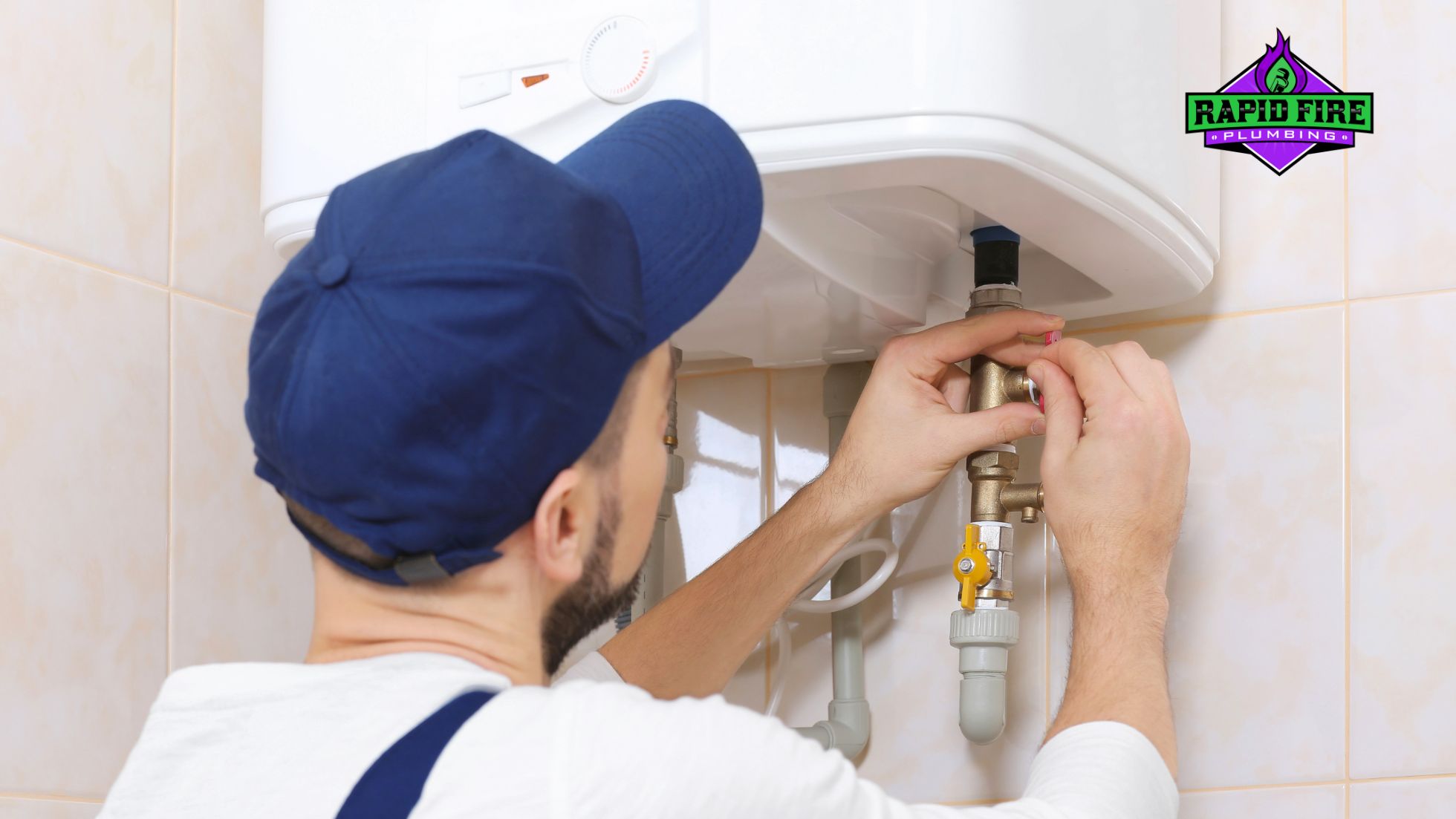
Complete step-by-step instructions provide confident DIY execution for appropriate situations while integrating Phoenix-specific considerations including heavy sediment expectations, drain valve testing protocol, and gas safety in extreme heat.
Tools and Safety Equipment for Phoenix Water Heaters
Garden hose requirements: 25-50 feet length reaching outdoor drain location or floor drain, ensuring hose end is positioned below water heater level for gravity drainage. Bucket serves critical function for Phoenix homeowners: test drain valve before connecting hose (valve failure prevention step competitors never mention). Channel locks or adjustable wrench may be needed as drain valves become tight from mineral buildup common in Phoenix hard water conditions.
Work gloves protect hands from scalding water temperatures and sharp metal edges on older units. Safety glasses prevent sediment spray when opening valves—Phoenix heavy sediment creates more forceful initial drainage than homeowners in soft water areas experience. Flashlight helps inspect sediment color and amount for maintenance records, with rust-colored sediment indicating accelerated tank corrosion requiring professional assessment.
Consider purchasing replacement drain valve ($8-$15) if testing reveals corrosion—proactive replacement prevents future leaks and floods. Shop vacuum proves helpful for stubborn sediment that won’t drain in Phoenix water heaters with heavy buildup, allowing suction removal when gravity drainage becomes insufficient.
Pre-Flush Safety Procedures
STEP 1 – Turn off power or gas supply: Electric water heaters require turning off the dedicated circuit breaker at electrical panel. Gas units require turning valve to “pilot” or “off” position—never attempt flushing with burner operating. STEP 2 – Let water cool completely: Wait 2-3 hours minimum (Phoenix recommendation vs. 1-2 hours nationally due to higher ambient heat keeping water hotter longer). Scalding risk is real—140-160°F water causes severe burns on contact.
STEP 3 – Turn off cold water supply: Locate valve at top of water heater where cold water line enters tank. Turn clockwise to close completely, stopping new water from entering during drainage. STEP 4 – TEST DRAIN VALVE FIRST: This Phoenix-specific critical step prevents most DIY disasters. Place bucket directly under drain valve, open valve only 1/4 turn, let small amount (1-2 cups) drain to assess valve condition, close valve completely, and verify valve reseals without leaking.
If valve won’t close or continues leaking after closing, STOP immediately and call professional service for valve replacement before attempting full flush. This simple test prevents 60-70% of Phoenix drain valve failure floods that occur when corroded valves won’t reseal after full drainage attempts, according to field experience data from Arizona plumbing contractors.
Complete Flushing Procedure
STEP 5 – Attach hose to drain valve: Secure connection tightly to prevent spray during drainage—Phoenix heavy sediment creates higher pressure during initial drain. STEP 6 – Position hose end: Outdoor location below water heater level (gravity assists drainage) or floor drain if utility room has proper drainage. Never drain into landscaping as sediment damages plants; driveway or street gutter are appropriate for residential flushing.
STEP 7 – Open pressure relief valve: Located on top or side of tank, lift lever to break vacuum inside tank allowing proper drainage. Without this step, drainage will be extremely slow or may not occur. STEP 8 – Open drain valve fully: Expect rust-colored, cloudy, or white sediment-filled water initially—this is normal for Phoenix water heaters and indicates successful sediment removal.
STEP 9 – Monitor drainage carefully: Phoenix water heaters with heavy sediment may drain slowly as particles clog the valve opening. Sediment chunks can temporarily block drainage—if flow stops, close and open valve repeatedly to dislodge blockages. This opening/closing technique proves necessary more frequently in Phoenix than soft water regions due to compacted sediment consistency.
STEP 10 – Flush with fresh water (Phoenix multi-cycle technique): Close drain valve once tank empties, open cold water supply briefly for 1-2 minutes allowing fresh water to stir remaining sediment, close cold water supply, open drain valve and drain again, then repeat this cycle 2-3 times until water runs clear. Phoenix water heaters often need 3-4 cycles during first flush compared to 1-2 cycles for regularly maintained units or those in soft water areas.
STEP 11 – Close drain valve and refill tank: Ensure drain valve closes completely without leaking, close pressure relief valve, open cold water supply fully, and open a hot water faucet somewhere in the house to purge air from lines. When water flows steadily from the faucet without sputtering, the tank is full. STEP 12 – Restore power/gas and test operation: Turn power breaker back on or relight gas pilot following manufacturer instructions, wait 30-60 minutes for water to reach operating temperature, test hot water at multiple faucets, check for any leaks at drain valve, and listen for quieter operation—rumbling sounds disappearing confirms successful sediment removal.
Phoenix-Specific Flushing Challenges and Solutions
Heavy sediment clogging drain valve during drainage: open and close valve repeatedly to break up blockages, use hose to create additional suction if available, or try short bursts of cold water supply to stir sediment. Drain valve won’t fully close after flushing: mineral particles lodged in valve seat sometimes resolve with multiple open/close cycles, but may require professional replacement if leaking persists.
Sediment too compacted to drain: water heaters never flushed in 7+ years may have cement-like sediment requiring professional service with specialized equipment including powered augers or replacement. Gas pilot won’t relight after completing flush: Phoenix extreme heat can damage thermocouples (pilot safety devices); may need professional gas line assessment if pilot won’t stay lit after 2-3 attempts.
Reduced hot water capacity persists after flush: possible sediment clogged hot water outlet or dip tube (plastic tube directing cold water to tank bottom); requires professional diagnosis and repair. Cloudy or discolored water continues flowing: keep flushing with fresh water cycles until clear; if doesn’t clear after 5-6 cycles, may indicate severe tank interior corrosion requiring professional assessment or replacement consideration.
When DIY Becomes Risky
Understanding honest limitations prevents situations where DIY attempts cause more problems than they solve. Clear criteria help Phoenix homeowners recognize when professional service at $150-$250 represents safer investment than DIY risks including drain valve failure floods, equipment damage, or personal injury.
Safe to DIY When These Conditions Apply
Water heater age under 5 years indicates newer units with less likelihood of corroded components or heavy sediment accumulation. Previous regular flushing history means water heaters flushed annually since installation are safe for continued DIY maintenance—established pattern of successful maintenance suggests components remain functional. Drain valve operates smoothly during testing phase: no visible corrosion, opens and closes easily, reseals without leaking when tested with bucket before full flush.
No visible corrosion or leaks on tank exterior: clean appearance, no rust stains around fittings, no water pooling beneath unit. Electric water heater designation simplifies procedure compared to gas units—no pilot light relighting, no gas safety concerns, straightforward power restoration. Homeowner comfort with tools and multi-step procedures: confident following detailed instructions without rushing, understanding each step’s purpose.
Time available for unhurried completion: 1-2 hours without pressure allows careful attention to each step, reducing error risk from rushing. Backup plan awareness: knowing 24/7 emergency service at 623-810-6166 is available if complications arise provides confidence to attempt DIY with professional safety net.
When these criteria are met, DIY saves $150-$250 professional service cost annually, provides satisfaction of successful home maintenance, and extends water heater life equivalently to professional service outcomes.
All timelines and service cost ranges are provided for general information only. Actual service duration and costs will depend on the specific plumbing issues, project complexity, scheduling availability, and agreed-upon scope of work as set forth in the written service agreement.
Call Professional Service for These Situations
Water heater 7+ years old with NO previous flushing history presents multiple risks: heavy compacted sediment (2-4 inches in Phoenix), high drain valve failure probability, sediment may be concealing tank leaks that drain removal reveals, and stirring accumulated sediment can clog hot water outlet pipes requiring professional clearing. Drain valve shows visible corrosion or mineral buildup: white or green deposits around valve, difficulty turning valve during testing, or valve hasn’t been opened in 2+ years (60-70% Phoenix failure rate for valves in this condition).
Gas water heater with any pilot light problems: pilot won’t stay lit, visible damage to thermocouple, gas odors during operation, or extreme heat environment (110°F+ garage) creating safety concerns during relighting. Visible tank leaks or rust staining: sediment may be temporarily sealing small leaks; flushing process can cause these leaks to worsen or become active floods. No hot water or equipment malfunction: indicates problems beyond sediment requiring professional diagnosis—element failures, thermostat issues, gas valve problems, or other component failures.
Water heater 10+ years old approaching end of Phoenix typical 8-10 year lifespan: may make more economic sense to replace unit rather than invest maintenance time in equipment nearing failure. Homeowner uncertainty or discomfort with any aspect of procedure: professional service at $150-$250 provides peace of mind, comprehensive inspection beyond just flushing, warranty on workmanship, and eliminates personal injury risks from scalding water or gas-related incidents.
Phoenix Drain Valve Failure: Honest Risk Assessment
Common scenario plays out frequently: homeowner attempts first flush on 7+ year old water heater, opens drain valve that’s been corroded by Phoenix hard water minerals, valve won’t reseal properly after draining tank, water begins flooding garage or utility room at 2-4 gallons per minute until emergency shutoff can be accomplished and valve repaired or replaced.
Water damage costs escalate rapidly: garage flooding typically runs $500-$2,000 for drywall replacement, insulation damage, and flooring repairs. Home interior flooding if utility room is inside living space reaches $2,000-$5,000 for flooring, drywall, and mold remediation. Emergency service requires immediate drain valve replacement at $200-$400 including after-hours premium, but total costs with water damage far exceed the original $150-$250 that professional flushing with included valve inspection and replacement would have cost.
Prevention through testing protocol: opening drain valve 1/4 turn with bucket ready, allowing small amount to drain, and verifying valve reseals completely identifies 90% of at-risk valves before full flush creates flooding situation. Alternative prevention: professional service for any unit with visible corrosion or 5+ years without previous flushing includes valve replacement in base service price.
Insurance considerations add complexity: water damage from failed maintenance attempts may not receive full coverage from homeowner policies, with some insurers considering preventable negligence if homeowner ignored warning signs or attempted maintenance beyond their skill level on aging equipment.
How Arizona’s Extreme Heat Affects Water Heater Maintenance
Phoenix’s 110°F+ summer temperatures create water heater challenges no other major U.S. city experiences. Understanding these climate-specific impacts helps homeowners maintain equipment more effectively and recognize when professional assessment is warranted.
Extreme Ambient Heat Component Stress
Garage and utility room temperatures in Phoenix reach 110-125°F during summer months (June-September), compared to 70-90°F in moderate climates. Thermostat failures increase in these conditions: both electronic and mechanical thermostats are rated for specific ambient temperature ranges, with sustained 110-125°F exposure exceeding design parameters for many standard residential units. Heating element corrosion accelerates as high ambient heat promotes oxidation of element metals, while mineral deposits from Phoenix hard water bake onto elements more rapidly at elevated temperatures.
Anode rod depletion occurs 30-40% faster in Phoenix conditions according to water heater manufacturer field data. These sacrificial magnesium or aluminum rods protect tanks from corrosion through electrochemical reactions that accelerate in extreme heat environments. Insulation degradation around tanks breaks down faster with sustained heat exposure, reducing energy efficiency even as heating demands decrease. Pressure relief valve issues arise from high ambient temperatures increasing tank pressure, causing relief valves to cycle more frequently and wearing out springs and seals prematurely.
Gas water heater components including thermocouples (pilot light safety devices), gas valves, and burner assemblies all experience accelerated wear from sustained 110°F+ ambient exposure. Maintenance recommendations for Phoenix include annual professional inspection for units located in uninsulated garages, anode rod replacement every 3-4 years versus 5-6 years nationally, thermostat testing during annual flush, and pressure relief valve annual testing to ensure proper operation.
Gas Water Heater Safety in Phoenix Extreme Heat
Pilot light problems occur more frequently in Phoenix than moderate climates: thermocouples fail more often in 110°F+ environments, pilots can blow out from temperature-induced air currents in poorly ventilated garages, and relighting procedures become riskier in extreme heat conditions. Gas valve issues develop as extreme heat affects internal seals and diaphragms in gas control valves, potentially causing improper operation or gas leaks.
Relighting procedures in extreme heat require additional safety measures: wait for garage temperatures to drop below 100°F if possible for safer pilot lighting (typically early morning or evening during summer), verify proper draft through vent pipe before relighting as heat affects venting dynamics, ensure adequate ventilation by opening garage doors during procedure. When to call professional service: pilot won’t stay lit after 2-3 attempts, any gas odor present before or during relighting, thermocouple appears damaged or shows visible corrosion, or homeowner feels uncomfortable with gas procedures in extreme heat.
Carbon monoxide considerations become more critical in hot garages where air circulation may be reduced: ensure proper venting remains unobstructed, consider carbon monoxide detector installation in utility areas, and professional service includes vent system inspection that DIY flushing doesn’t typically address.
Seasonal Water Heater Maintenance in Phoenix
Pre-summer inspection timing (April-May) provides optimal maintenance window before peak demand season and extreme heat stress period. This service window allows flushing before heavy summer usage, component inspection before extreme heat stress, anode rod replacement if inspection reveals depletion, pressure relief valve testing, and leak detection before small issues worsen in heat. Summer monitoring period (June-September) requires homeowner vigilance: watch for pilot light issues on gas units, listen for unusual rumbling sounds indicating sediment buildup increasing, monitor for reduced hot water capacity as sediment fills tanks, and track energy bills for 20-30% increases suggesting efficiency loss from sediment insulation.
Post-summer assessment (October) allows checking for damage from extreme heat period, catching up on flushing if not completed pre-summer, inspecting for leaks that developed during stress period, and planning any needed repairs before winter heating season increases hot water demand. Winter considerations shift focus: incoming water temperature drops to 50-60°F increasing heating demand and costs, monsoon season power outages (July-September) can affect electric water heaters creating recovery issues, and professional service scheduling becomes easier with lower demand compared to summer emergency calls.
Professional service timing preference: many Phoenix homeowners schedule annual water heater maintenance in April-May, catching problems before they become summer emergencies during peak usage periods and avoiding service delays common during high-demand summer months when equipment failures spike.
Professional Water Heater Service in Phoenix
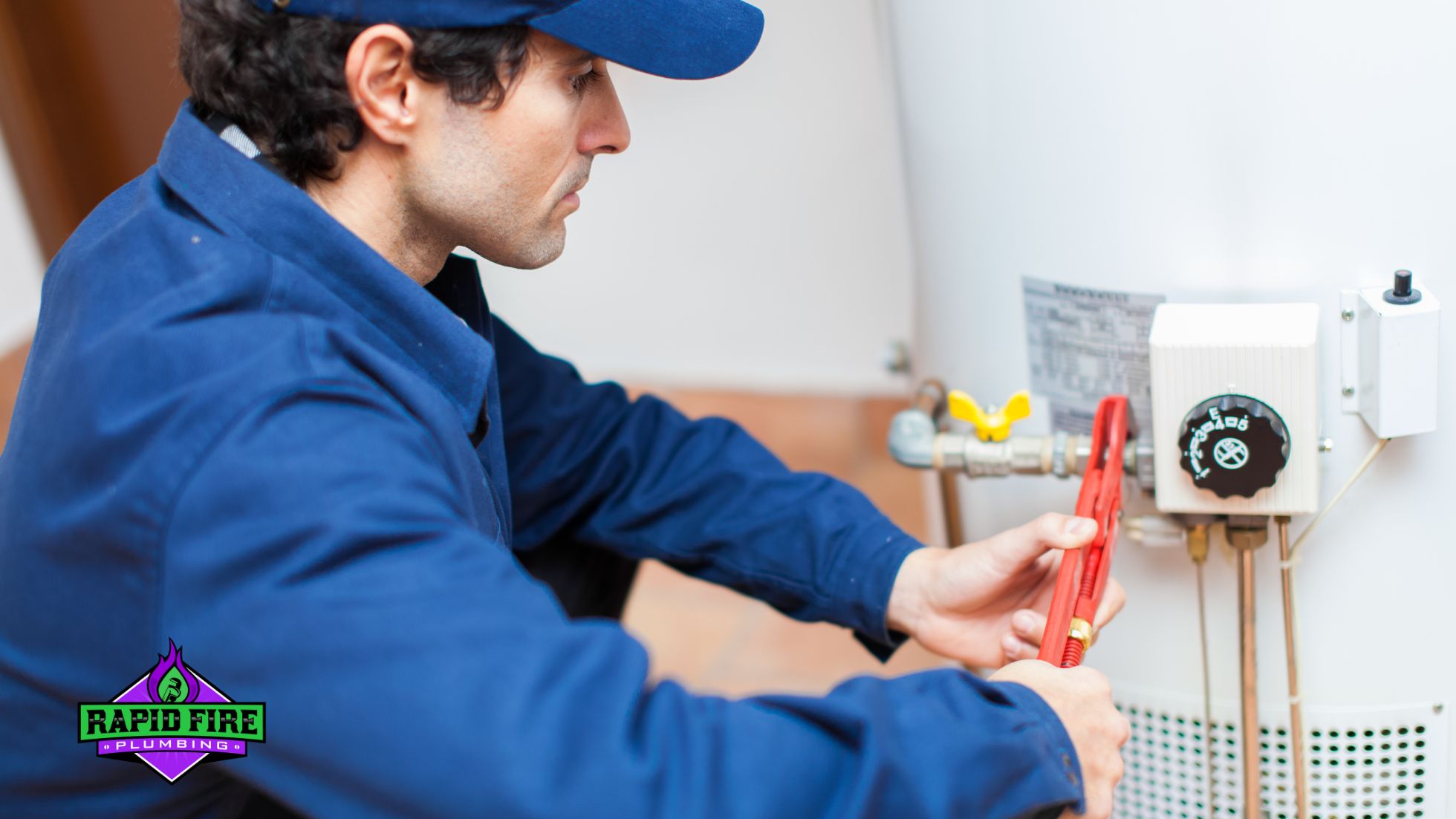
Understanding what professional service includes helps homeowners evaluate when $150-$250 investment provides better value than DIY time and risk, particularly for situations where comprehensive assessment beyond basic flushing is warranted.
Complete Professional Water Heater Flush Service
Professional service at $150-$250 typically includes complete sediment removal through multiple flush cycles until water runs completely clear (Phoenix heavy sediment often requires 4-6 cycles vs. 1-2 nationally). Drain valve inspection and replacement if corrosion or mineral buildup is discovered receives $0 additional charge versus DIY flood risk when valves fail. Anode rod inspection through visual assessment via drain valve opening or hot water outlet provides critical information about remaining tank protection—anode rod replacement if needed adds $150-$250 to service but prevents premature tank failure.
Heating element check for electric water heaters includes resistance testing and mineral buildup assessment, identifying failing elements before they cause complete loss of hot water. Gas component check for gas units covers pilot light operation verification, thermocouple function testing, gas valve operation assessment, and proper venting confirmation—critical safety checks DIY doesn’t typically include. Pressure relief valve testing through manual operation ensures this safety device functions properly, preventing potential tank explosions from pressure buildup.
Tank condition evaluation examines exterior for rust or corrosion, checks for active or potential leaks, assesses remaining service life based on condition, and provides honest replacement guidance when equipment nears end of Phoenix 8-10 year typical lifespan. Temperature setting verification confirms 120-140°F range recommended for legionella bacteria prevention while maintaining energy efficiency balance. Warranty coverage typically spans 90 days to 1 year on workmanship, providing return service at no charge if issues arise within warranty period.
Typical professional service duration runs 45-90 minutes from arrival to completion, testing, and cleanup—comparable to or faster than DIY time investment of 1-2 hours while providing comprehensive inspection and warranty protection DIY cannot offer.
All timelines and service cost ranges are provided for general information only. Actual service duration and costs will depend on the specific plumbing issues, project complexity, scheduling availability, and agreed-upon scope of work as set forth in the written service agreement.
When Professional Service Provides Better Value Than DIY
Water heaters 7+ years old without previous flushing benefit from professional assessment: contractors can evaluate whether unit is worth maintaining or better to replace given Phoenix 8-10 year typical lifespan, saving homeowners from investing maintenance effort in equipment approaching failure. Uncertain drain valve condition makes professional service safer choice: service includes valve replacement if needed during inspection, preventing $1,000-$5,000 flood risks from DIY valve failures. Comprehensive inspection beyond basic flushing provides full equipment health assessment: anode rod condition, heating element or gas component function, pressure relief valve operation, tank integrity evaluation, and remaining service life estimate help homeowners plan for eventual replacement before emergency failures occur.
Time value consideration for homeowners: those earning $50+ per hour face $50-$100 opportunity cost for 1-2 hour DIY compared to professional 45-90 minute service at $150-$250, with professional time not requiring homeowner presence. Warranty and accountability through professional service means if problems arise within warranty period, return service occurs at no additional charge—DIY issues become homeowner responsibility and expense. Gas water heater safety advantages: professionals carry gas certification, specialized tools, and experience that prevents dangerous mistakes during pilot relighting or gas component work.
Peace of mind value: no worry about flooding, equipment damage, or personal injury; professional contractors carry liability insurance protecting homeowners from potential damages during service; transparent upfront pricing eliminates surprise costs; and expert guidance on maintenance schedules and replacement timing helps homeowners plan.
Emergency Service When DIY Goes Wrong
24/7 emergency availability at 623-810-6166 addresses situations where DIY reveals problems or causes complications: drain valve that won’t close causing continuous flooding, tank leaks revealed during draining process, pilot light that won’t relight after completing flush, no hot water after refilling and restoring power, discolored water or foul odors after flush indicating problems, or loud unusual noises after refilling suggesting sediment disturbance complications.
Emergency response provides 60-90 minute arrival times in Phoenix metro including Glendale, Peoria, Surprise, Avondale, and Mesa, with 90-120 minutes for extended areas including Cave Creek and Black Canyon City. Live person answers 623-810-6166 calls (not voicemail or automated systems), on-call licensed plumber receives immediate dispatch with estimated arrival time provided, and fully-stocked service vehicles carry common water heater parts for immediate repairs without delays.
Transparent pricing before work begins ensures no surprise charges: drain valve emergency replacement runs $200-$400 (includes after-hours premium of $50-$100), tank repair if damage allows runs $300-$600, water heater replacement if necessary costs $1,200-$2,500 for tank models or $2,500-$4,500 for tankless units. These emergency costs remain far less than combined water damage and equipment costs from delayed response—water damage remediation alone typically runs $2,000-$10,000 depending on flooding extent and duration.
Why choose Rapid Fire Plumbing for emergencies: Arizona ROC CR-37 licensing verifiable at azroc.gov, 20+ years Phoenix water heater experience understanding local hard water and extreme heat challenges, commercial expertise from hospitals and hotels translating to superior residential problem-solving, full insurance with $2 million liability coverage guaranteeing property protection, transparent pricing even for emergencies with no hidden fees, and family-owned business with owners personally involved in emergency response ensuring accountability.
All timelines and service cost ranges are provided for general information only. Actual service duration and costs will depend on the specific plumbing issues, project complexity, scheduling availability, and agreed-upon scope of work as set forth in the written service agreement.
Transparent Pricing and Beat Any Quote Guarantee
Rapid Fire Plumbing transparent pricing structure: water heater flush complete service at $150-$250, drain valve replacement if needed during flush included in base price (not additional charge), anode rod replacement if inspection reveals depletion adds $150-$250 to service, heating element replacement for electric units runs $200-$350, thermocouple replacement for gas units costs $150-$250, pressure relief valve replacement runs $150-$250, and water heater replacement when needed ranges $1,200-$2,500 for tank models or $2,500-$4,500 for tankless systems.
“Beat Any Quote” guarantee process: provide written quote from licensed Arizona contractor (verify ROC licensing at azroc.gov to ensure legitimate comparison), Rapid Fire beats competitor pricing for equivalent service scope ensuring best value, no bait-and-switch tactics with upfront pricing provided before work begins, and guarantee applies to all services including water heater maintenance, repair, and replacement.
Cost factors affecting final pricing: water heater location and access difficulty (tight spaces or second-story installations add complexity), sediment severity with units never flushed requiring extended service time for thorough removal, parts discovered necessary during service such as corroded valves or depleted anode rods, time of day with emergency premium of $50-$100 for after-hours service, and water heater type as tankless descaling proves more technically complex than tank flushing.
Cost transparency benefits homeowners through informed decision-making about maintenance versus replacement, elimination of surprise charges during service, budget planning for expected costs, and fair pricing verification through quote-beating guarantee providing market-rate confidence.
All timelines and service cost ranges are provided for general information only. Actual service duration and costs will depend on the specific plumbing issues, project complexity, scheduling availability, and agreed-upon scope of work as set forth in the written service agreement.
Frequently Asked Questions About Water Heater Flushing in Phoenix
How do you flush a water heater yourself?
DIY water heater flushing involves 12-step procedure: turn off power/gas and let water cool 2-3 hours, turn off cold water supply, TEST drain valve with bucket before full flush (critical Phoenix step), attach hose to drain valve, open pressure relief valve to break vacuum, drain tank while monitoring for sediment clogs, flush with fresh water using multiple cycles (3-4 cycles for Phoenix heavy sediment), close drain valve and refill tank, purge air from hot water lines, and restore power/gas. Phoenix sediment expectations include 1-2 inches minimum annually versus 1/4-1/2 inch nationally, requiring patience as heavy sediment drains more slowly. Time investment runs 1-2 hours for first-time DIY, with tools needed including garden hose, bucket, channel locks, gloves, and safety glasses. Safety precautions emphasize drain valve testing before full flush preventing 60-70% of Phoenix valve failure floods.
How long does it take to flush a water heater?
DIY flushing takes 1-2 hours for first-time attempts, dropping to 45-90 minutes with experience once homeowners understand their specific equipment and sediment patterns. Professional service completes in 45-90 minutes from arrival to testing and cleanup, often faster than DIY while including comprehensive inspection beyond basic flushing. Phoenix heavy sediment may extend time requirements as multiple flush cycles (3-4 vs. 1-2 nationally) are needed until water runs completely clear, and sediment clogs requiring repeated valve opening/closing add time. Water heaters never previously flushed in 5+ years may require extended service time for thorough sediment removal, potentially reaching 2 hours even for experienced DIY or professionals dealing with extremely compacted deposits.
All timelines and service cost ranges are provided for general information only. Actual service duration and costs will depend on the specific plumbing issues, project complexity, scheduling availability, and agreed-upon scope of work as set forth in the written service agreement.
How often should I flush my water heater in Phoenix?
Phoenix requires annual minimum flushing due to 200+ ppm hard water creating 1-2 inches of sediment yearly versus every 2-3 years nationally where soft water creates only 1/4-1/2 inch annually. Homes without water softeners in extreme hardness areas like Goodyear (24 gpg) may benefit from semi-annual flushing—every 6 months—to prevent excessive buildup. Cost of skipping annual maintenance: $1,000-$1,500 in premature water heater replacement as sediment reduces Phoenix equipment life to 8-10 years versus potential 10-12 years with regular maintenance, plus 20-30% higher energy bills from sediment insulation reducing heating efficiency. Even homes with water softeners need annual Phoenix flushing as softened water reduces but doesn’t eliminate sediment formation (70-80% reduction still leaves minerals that accumulate over time).
Does Phoenix hard water affect water heaters?
Yes dramatically—Phoenix’s 200+ ppm water hardness creates 1-2 inches of annual sediment versus 1/4-1/2 inch nationally, requires annual flushing versus every 2-3 years in soft water areas, shortens equipment life to 8-10 years versus 12-15 nationally (30-40% reduction), increases energy costs 20-30% when sediment isn’t regularly removed as heating elements or burners work through insulating sediment layers, and accelerates anode rod depletion requiring replacement every 3-4 years versus 5-6 nationally. Salt River Project data shows Phoenix water at 14.9 grains/gallon is 250-350% harder than U.S. average, with areas like Goodyear at 24 gpg experiencing even more severe impacts. Annual maintenance becomes essential rather than optional in Phoenix conditions, making this the highest-value preventive maintenance task Phoenix homeowners can perform for water heater longevity.
Can I flush my water heater myself or do I need a plumber?
Safe DIY applies when water heater is under 5 years old with regular previous flushing history, drain valve operates smoothly during testing phase, no visible corrosion or leaks exist, and homeowner feels confident with tools and multi-step procedures. Call professional service for water heaters 7+ years old with no previous flushing (heavy sediment risk), drain valves showing corrosion or mineral buildup (60-70% failure rate in Phoenix after 2+ years unopened), gas units with any pilot light issues, visible tank leaks or rust, equipment 10+ years old approaching Phoenix 8-10 year typical lifespan, or any homeowner uncertainty about procedure. Professional service at $150-$250 includes drain valve replacement if needed (preventing $1,000-$5,000 flood risk), comprehensive inspection beyond flushing (anode rod, elements, valves, tank condition), warranty on workmanship, and no DIY time investment or personal risk. Decision matrix helps: young regularly-maintained equipment = safe DIY; older never-flushed equipment = professional service recommended.
All timelines and service cost ranges are provided for general information only. Actual service duration and costs will depend on the specific plumbing issues, project complexity, scheduling availability, and agreed-upon scope of work as set forth in the written service agreement.
Why won’t my water heater drain valve close?
Phoenix hard water corrodes drain valves through mineral buildup in valve seats, preventing proper resealing after opening. Valves that haven’t been opened in 2+ years have 60-70% failure rate in Phoenix conditions according to field experience data. Mineral particles lodge between valve seat and valve mechanism, creating gaps that allow continuous water flow even when valve handle is in closed position. This common problem when first flushing 5+ year old units requires emergency drain valve replacement at $200-$400 including after-hours service premium. Prevention involves testing drain valve before full flush: open 1/4 turn with bucket ready, let small amount drain, close valve completely, and verify no leaking occurs. If testing reveals valve won’t reseal properly, call professional service for valve replacement before attempting full flush—base service at $150-$250 includes valve replacement, preventing flood damage that can reach $1,000-$5,000 in water remediation costs. Some valve failures resolve through repeated opening/closing cycles that dislodge mineral particles, but persistent leaking requires professional replacement.
Can flushing a water heater cause it to leak?
Yes, especially in units 10+ years old approaching Phoenix typical 8-10 year lifespan. Sediment can temporarily seal small tank bottom leaks—when sediment is removed during flushing, these concealed leaks become active causing water damage. Drain valves can fail during flushing when Phoenix hard water corrosion has weakened components, creating floods requiring emergency valve replacement. Disturbing heavy sediment in never-flushed older units occasionally reveals hidden tank damage including corrosion-thinned metal that was structurally supported by sediment mass. Professional service identifies these risks before flushing through visual inspection and testing—if tank shows signs of imminent failure, honest replacement guidance prevents wasted maintenance effort on equipment that needs replacement. Risk is highest for water heaters 10+ years old with no maintenance history; safest approach involves professional assessment determining whether flushing is worthwhile or replacement is more economical given tank condition and age. If leaks develop during DIY flush, shut off water supply immediately, turn off power/gas, and call 24/7 emergency service at 623-810-6166 for immediate response preventing extensive water damage.
What happens if you don’t flush your water heater?
Sediment reduces water heater capacity by 30-40% as mineral deposits fill bottom portion of tank, leaving less space for actual hot water storage—showers run out of hot water faster and recovery time between uses increases. Energy costs increase 20-30% as heating elements or burners must heat through insulating sediment layers to reach water above, wasting electricity or gas. Equipment life shortens to 8-10 years in Phoenix versus potential 10-12 with regular maintenance, costing $1,000-$1,500 in premature replacement expenses over ownership period. Rumbling or popping sounds develop as water boils beneath sediment layers creating steam bubbles that burst through compacted minerals. Discolored hot water (rust-colored, cloudy) indicates accelerated tank interior corrosion from sediment acids. Higher utility bills reflect 20-30% efficiency loss from sediment insulation. Eventually complete tank failure occurs requiring emergency replacement at $1,200-$2,500 for tank models, often at inconvenient times without hot water during replacement. Annual flushing costing $150-$250 professionally or free for DIY prevents all these issues, representing one of highest-value maintenance tasks Phoenix homeowners can perform.
All timelines and service cost ranges are provided for general information only. Actual service duration and costs will depend on the specific plumbing issues, project complexity, scheduling availability, and agreed-upon scope of work as set forth in the written service agreement.
How much does professional water heater flushing cost in Phoenix?
Professional complete water heater flushing service costs $150-$250 in Phoenix market, including thorough sediment removal through multiple cycles until water runs clear, drain valve inspection with replacement if corrosion or mineral buildup discovered (no additional charge), anode rod visual inspection assessing remaining protection (replacement if needed adds $150-$250), heating element check for electric units or gas component assessment for gas units, pressure relief valve manual testing ensuring proper safety device operation, tank condition evaluation with remaining service life estimate, temperature setting verification, warranty on workmanship typically 90 days to 1 year, and professional completion in 45-90 minutes. Cost-benefit versus DIY: professional service eliminates flood risk from failed drain valves (potential $1,000-$5,000 water damage), provides comprehensive inspection beyond basic flushing that DIY doesn’t include, offers warranty protection if issues arise, requires no homeowner time investment, and includes expert guidance on maintenance schedules and replacement timing. Rapid Fire Plumbing’s “Beat Any Quote” guarantee means providing written quote from licensed Arizona contractor (verify at azroc.gov) results in matched or beaten pricing for equivalent service scope.
All timelines and service cost ranges are provided for general information only. Actual service duration and costs will depend on the specific plumbing issues, project complexity, scheduling availability, and agreed-upon scope of work as set forth in the written service agreement.
Is annual water heater maintenance worth it in Phoenix?
Absolutely yes—annual flushing costing $150-$250 professionally or free for appropriate DIY extends Phoenix water heater life from typical 8-10 years to 10-12 years, saving $1,000-$1,500 in premature replacement costs over equipment lifetime. Energy cost reduction of 20-30% from removing sediment insulation saves $100-$200 annually on utility bills, paying for professional service within 1-2 years through energy savings alone. Emergency prevention value: avoiding sudden water heater failures requiring emergency replacement at premium pricing, preventing water damage from tank leaks or burst units, and maintaining consistent hot water availability without interruption. Phoenix’s 200+ ppm hard water makes annual maintenance essential rather than optional—sediment accumulation rate 300-400% faster than soft water areas means skipping maintenance accelerates equipment failure dramatically. Return on investment calculation: $150-$250 annual investment prevents $1,200-$2,500 premature replacement plus $100-$200 annual energy savings equals $1,300-$2,000 total value over 10-year ownership period, making this one of highest-return home maintenance activities Phoenix homeowners can perform.
When should I replace my water heater instead of flushing?
Phoenix water heaters 10+ years old approach end of typical 8-10 year lifespan—at this age, consider replacement rather than maintenance if equipment shows signs of failure. Units never flushed that now show visible leaks, rust staining, or frequent malfunction often have internal damage beyond what maintenance can address. Cost-benefit analysis: if water heater is 9-10 years old and requires $400+ in repairs beyond basic flushing, $1,200-$2,500 replacement investment makes more sense than repairing equipment likely to fail within 1-2 years. Professional assessment provides honest guidance distinguishing between units worth maintaining versus those better replaced—Rapid Fire’s 20+ years Phoenix experience means recognizing patterns indicating imminent failure. Signs suggesting replacement over maintenance: age 10+ years, multiple component failures (elements, thermostats, valves), visible tank exterior corrosion or rust, active leaks from tank body rather than connections, rumbling sounds that persist after flushing (indicating severe internal scale), or inadequate capacity for household needs suggesting undersized original installation. Upgrading to tankless during replacement offers long-term benefits in Phoenix: unlimited hot water, 20+ year lifespan, energy efficiency advantages, but requires higher initial investment at $2,500-$4,500 installed.
All timelines and service cost ranges are provided for general information only. Actual service duration and costs will depend on the specific plumbing issues, project complexity, scheduling availability, and agreed-upon scope of work as set forth in the written service agreement.
Take Control of Water Heater Maintenance Today
DIY water heater flushing saves Phoenix homeowners $150-$250 annually while extending equipment life by 2-3 years when applied to appropriate situations—water heaters under 5 years old with regular previous maintenance, functioning drain valves, and no visible corrosion. Understanding Phoenix-specific challenges including 200+ ppm hard water creating sediment 300-400% faster than national averages, extreme heat accelerating component failures, and drain valve corrosion risks helps homeowners make informed decisions about when DIY is safe versus when professional service represents wiser investment.
For water heaters 7+ years old without flushing history, visible corrosion, or any uncertainty about condition, professional service at $150-$250 includes comprehensive inspection with drain valve replacement if needed, anode rod assessment, heating element or gas component check, pressure relief valve testing, tank condition evaluation, and warranty coverage preventing $1,000-$5,000 costs when drain valves fail or hidden problems emerge during DIY attempts.
Why Choose Rapid Fire Plumbing for Water Heater Service
Arizona ROC CR-37 licensed dual commercial and residential contractors bring 20+ years Phoenix experience understanding local challenges from hard water mineral accumulation, extreme heat component stress, and aging equipment common throughout Phoenix metro. Verify licensing at azroc.gov for consumer protection and code-compliant work backed by state oversight.
Phoenix hard water specialists understand how 200+ ppm mineral content affects water heaters differently than national averages, with maintenance recommendations and honest replacement guidance specifically designed for Arizona conditions. Transparent pricing with “Beat Any Quote” guarantee provides upfront costs—complete water heater flush at $150-$250 including drain valve inspection/replacement if needed, with no hidden fees or surprise charges creating trust through honest business practices.
24/7 emergency availability means water heater problems receive immediate response regardless of timing. Call 623-810-6166 anytime for live answering and 60-90 minute Phoenix metro arrival if DIY reveals emergencies including drain valves that won’t close, tank leaks, or pilot light failures. Emergency premiums of only $50-$100 remain minimal compared to water damage costs from delayed response or extended loss of hot water affecting household quality of life.
Commercial-grade expertise from serving Phoenix hospitals, hotels, and restaurants for 20+ years translates to superior residential problem-solving for complex situations. Family-owned business means owners and technicians are Phoenix community members invested in long-term customer relationships, with success depending on honest recommendations and quality work rather than maximizing service calls or pushing unnecessary replacements.
Get Water Heater Service or Emergency Help Today
For water heater flushing, inspection, or maintenance questions, call 623-810-6166 for same-day or next-day appointments based on scheduling availability. For water heater emergencies including leaks, no hot water, flooding from failed drain valves, or equipment malfunctions, call 24/7 emergency line immediately: 623-810-6166 for rapid response preventing extensive damage. For questions about whether DIY or professional service is appropriate for your specific water heater age and condition, reach out for free consultation and transparent pricing information helping informed decision-making.
Service area includes Phoenix, Glendale, Peoria, Surprise, Avondale, Mesa, Cave Creek, Black Canyon City, and all Maricopa County communities with extended coverage throughout Phoenix metro. Visit rapidfireplumbing.com or call 623-810-6166. Address: 2941 W Dailey St, Phoenix, AZ 85053. Arizona ROC License: Verify at azroc.gov for consumer protection.
Don’t let Phoenix’s hard water destroy your water heater prematurely through sediment accumulation. Whether you choose confident DIY maintenance for appropriate situations or professional comprehensive service for older or uncertain equipment, regular annual flushing extends life by 2-3 years, saves $1,000-$1,500 in premature replacement costs, and reduces energy bills by 20-30%—making this the highest-value maintenance Phoenix homeowners can perform for long-term equipment reliability and cost savings.
Sources
Arizona Plumbing Resources
-
Salt River Project – Phoenix water hardness data, water quality reports showing 14.9 grains/gallon average, mineral content analysis including calcium and magnesium composition, geographic variations across service area
-
City of Phoenix Water Services – Municipal water quality standards, hardness classifications, water conservation programs, and infrastructure information for Phoenix metro area
-
Arizona Registrar of Contractors – Licensing requirements for water heater installation and replacement (CR-37, C-37, R-37), contractor verification protecting consumers, homeowner maintenance versus licensed work boundaries
Professional and Industry Association Sources
-
U.S. Department of Energy – Water heater efficiency standards, maintenance recommendations for optimal performance, energy cost calculations showing 20-30% savings from regular sediment removal
-
Water Quality Association – Hard water impacts on appliances and equipment, sediment formation research, water treatment solutions including softener effectiveness data
-
American Society of Plumbing Engineers – Professional water heater maintenance standards, commercial system requirements, best practices for residential and commercial applications
Government and Regulatory Authorities
-
International Code Council – 2024 International Plumbing Code water heater standards, temperature/pressure relief valve requirements, venting specifications for gas units
-
Arizona State Climatology Office – Phoenix extreme heat data showing 110°F+ temperatures on 31 days annually, seasonal temperature patterns, climate impacts on equipment performance
-
National Weather Service Phoenix – Temperature forecasts, extreme heat warnings, monsoon season data affecting Phoenix water heater operation and maintenance timing
Service Consultation Disclaimer
This article provides general information about Arizona plumbing services and should not be considered as specific service advice for your project. Plumbing issues, costs, and procedures vary significantly based on individual circumstances, jurisdiction within Arizona, and specific project details. Service schedules, project timelines, and plumbing processes can be affected by many factors specific to each situation.
All timelines and service cost ranges are provided for general information only. Actual service duration and costs will depend on the specific plumbing issues, project complexity, scheduling availability, and agreed-upon scope of work as set forth in the written service agreement.
For free consultation and qualified service for your specific Arizona plumbing needs, contact Rapid Fire Plumbing or call 623-810-6166. Our licensed Arizona plumbing contractors will provide personalized service analysis based on your specific needs and circumstances. No service agreement is created by reading this article.
