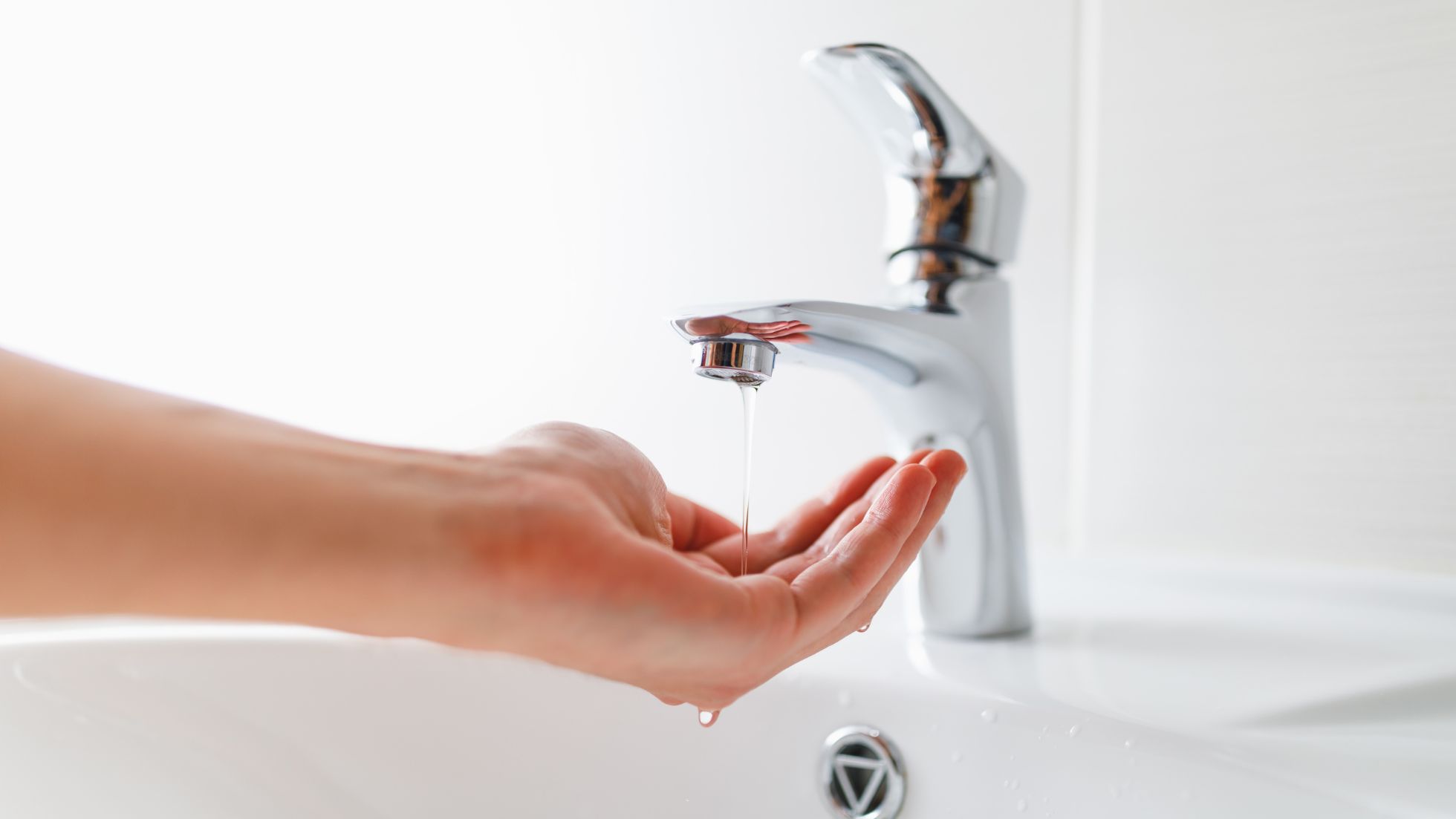
Low water pressure confined to a single room can disrupt your daily routine and raise questions about whether the issue is urgent. In Phoenix and throughout Arizona, water pressure problems in isolated areas often stem from Arizona’s notably hard water, localized pipe buildup, or fixture-specific complications that require targeted diagnosis and professional attention.
This guide addresses single-room water pressure issues specifically for Phoenix-area homeowners and business owners, combining Arizona plumbing code knowledge, hard water expertise, and proven service guidance to help you understand the problem and determine next steps.
Key Information
Single-room water pressure loss typically signals one of three situations: a clogged fixture aerator, mineral buildup from Arizona’s hard water affecting supply lines, or a valve issue within that room’s plumbing system. Understanding which scenario applies to your situation helps determine whether a quick DIY fix is possible or professional diagnosis is needed.
Phoenix’s water hardness averages 14.9 grains per gallon (GPG) or 230 parts per million (PPM), making it one of the hardest water supplies in the nation. This mineral content creates calcium and magnesium buildup in pipes and fixtures, frequently causing isolated pressure loss before affecting the entire home’s system.
The distinction between single-room pressure problems and whole-house issues is critical. If only one bathroom, kitchen, or laundry room has reduced pressure while other areas maintain normal flow, the problem is localized and typically easier to resolve than systemic pressure loss.
Overview
This comprehensive guide walks through identifying the cause of single-room water pressure loss, determining when DIY steps might help, understanding Arizona plumbing code requirements for repairs, and knowing when to contact a licensed professional. Unlike generic national guides, this resource integrates Arizona-specific water quality data, local permit procedures, and proven diagnostic approaches used by Phoenix’s experienced plumbing contractors.
The following sections address the most common causes, step-by-step troubleshooting for homeowners, Arizona regulatory considerations, transparent service information, and guidance on selecting qualified professional help when needed.
Arizona Plumbing Codes, Water Quality & Regulatory Requirements
Phoenix and Maricopa County follow the 2024 International Plumbing Code (IPC) with local amendments, establishing specific requirements for water pressure systems. The code requires minimum water pressure of 40 PSI (pounds per square inch) and maximum pressure of 80 PSI for residential systems. If your home’s pressure exceeds 80 PSI, a pressure regulator installation may be required by code.
Understanding these standards matters because pressure regulators, once installed, sometimes develop issues affecting single rooms through internal valve complications or outlet port clogging. Additionally, when repairs involve replacing supply lines, upgrading fixtures, or installing new systems, local permits typically apply, and work must comply with current code standards.
Arizona Plumbing Codes and Permit Requirements
The City of Phoenix Development Services website provides detailed information on plumbing permits and inspection procedures. Repairs to isolated fixtures usually don’t require permits, but replacing supply lines, installing pressure regulators, or modifying the main water distribution system does. A licensed Arizona plumbing contractor knows which repairs trigger permit requirements and handles the application process, ensuring your work passes inspection and meets code standards.
Arizona’s Registrar of Contractors (ROC) licenses all plumbing professionals in the state. You can verify any contractor’s license status, experience level, and disciplinary history through the public ROC database, providing assurance that service providers meet state qualification standards.
Hard Water Quality and Arizona’s Unique Water Challenges
Phoenix water comes from two primary sources: the Colorado River (delivered through Central Arizona Project canals) and local groundwater combined with Salt and Verde River supplies (delivered through Salt River Project systems). Both sources have naturally high mineral content, creating the hard water conditions affecting Arizona homes’ plumbing systems.
Hard water causes mineral deposits—primarily calcium and magnesium—to accumulate inside pipes and fixtures. In isolated rooms, these deposits often concentrate in supply line sections serving that specific area or within the fixture’s internal components. Shower heads and faucet aerators experience buildup first, commonly causing localized pressure loss before affecting other areas.
Understanding this Arizona-specific factor is crucial: pressure problems you experience in one room might stem directly from hard water mineral accumulation rather than systemic plumbing failure. Water softeners address this root cause, preventing future mineral buildup throughout your home’s system.
Diagnosing Single-Room Water Pressure Problems: Step-by-Step Troubleshooting
Start by identifying which specific fixtures are affected. If low pressure occurs at all fixtures in one room—shower, sink, and toilet—the problem likely involves the room’s main supply line. If only one fixture has reduced pressure, the issue is probably localized to that fixture’s internal components or its individual supply line.
Quick Diagnostic Steps for Homeowners
Check the affected fixture’s aerator first. For faucets, unscrew the aerator (the small screen at the faucet tip) by turning it counterclockwise. Rinse it under running water, checking for mineral deposits or debris. If mineral buildup is visible, soak the aerator in a mixture of equal parts white vinegar and water for 30 minutes, then scrub gently with a soft brush and reinstall.
For shower heads with low pressure, remove the shower head and check for mineral buildup inside the spray holes. Soaking in vinegar overnight and using a small brush to clear deposits often restores flow. This approach works well in Arizona homes because hard water mineral removal is often the solution for isolated pressure loss.
Test water pressure at different fixtures by turning on cold water at the affected faucet, noting the flow strength. Then test the hot water tap. If one is significantly weaker than the other, the issue may involve the water heater system or the specific hot or cold supply line. If both have equally weak pressure, the problem likely affects the main supply line to that room.
When to Seek Professional Diagnosis
If quick fixes don’t restore pressure, or if you’re uncertain about attempting the aerator cleaning, consider a professional diagnostic consultation. Licensed Arizona plumbing contractors can test pressure at multiple points, identify whether mineral buildup, valve issues, or line damage is causing the problem, and recommend targeted solutions.
Pressure problems occurring suddenly—where pressure was normal yesterday and low today—sometimes indicate more serious issues like a water line leak, valve failure, or main supply line complication. These situations benefit from prompt professional evaluation to prevent water damage or system complications.
Understanding Emergency vs. Non-Emergency Water Pressure Issues
 Single-room pressure loss is rarely an emergency requiring immediate nighttime service. However, certain situations warrant prompt attention: complete loss of water to a room, pressure loss accompanied by water discoloration (indicating possible contamination), or pressure problems following repair work or weather events.
Rapid Fire Plumbing offers 24/7 emergency service for genuine plumbing emergencies in the Phoenix area. For typical pressure diagnostic needs, scheduling a same-day appointment* during business hours often provides faster service than emergency after-hours rates, with qualified service available the same day in most situations.
The Professional Plumbing Service Process: What to Expect
When you contact a licensed Arizona plumbing contractor for single-room pressure diagnosis, the typical service process involves an initial consultation call, scheduling a diagnostic visit, on-site evaluation, professional recommendation, and agreed-upon repair or installation work.
Initial Diagnostic Assessment
A qualified plumbing professional arrives with diagnostic equipment, discusses the pressure symptoms with you, and performs comprehensive testing. This might include measuring water pressure with a pressure gauge, testing hot and cold supplies separately, inspecting visible supply lines, and checking fixtures for aerator buildup or damage.
In Phoenix homes, diagnosticians specifically assess whether hard water mineral deposits are the primary cause. If minerals are suspected, they may recommend water softener installation or discuss targeted line-cleaning approaches to restore pressure while preventing future buildup.
Recommended Solutions and Transparent Pricing
After diagnosis, a professional provides clear recommendations for solving the problem. A pressure regulator adjustment might cost between $150-$300* for diagnosis and adjustment. Aerator replacement or cleaning typically ranges from $50-$150*. Water softener installation for preventing future pressure loss might involve $1,500-$3,500* investment for a whole-house system, depending on system type and household size.
These are general ranges only; actual costs depend on specific circumstances, system complexity, and local market conditions. Licensed contractors provide written estimates before beginning work, ensuring transparency about service investment.
Service Execution and Quality Assurance
Professional plumbers execute repairs according to Arizona plumbing code standards, obtaining permits when required and arranging inspections as necessary. Upon completion, they test the system to confirm pressure restoration, document the work performed, and provide warranty information for parts and labor.
Licensed Arizona Contractor Qualifications and Selection
Selecting the right plumbing contractor significantly impacts service quality, cost, and code compliance. Arizona requires all plumbing contractors to hold valid ROC licenses, carry liability insurance, and demonstrate relevant experience. You can verify these qualifications through the Arizona Registrar of Contractors public search.
Key considerations when selecting a contractor include verified licensing, insurance coverage (liability and workers’ compensation), local experience serving Phoenix and Maricopa County, transparent pricing practices, and emergency availability if needed. Rapid Fire Plumbing brings 20+ years of experience serving the Phoenix area, licensed and insured contractors, 24/7 emergency response, and transparent pricing with a “beat any quote” guarantee for competitive service.
Contractors familiar with Arizona’s hard water challenges, local permit procedures, and current code requirements provide better service outcomes than those operating nationally without specific regional expertise. Experience with both residential and commercial properties indicates broader technical capability and problem-solving experience.
Water Softener Solutions for Hard Water Pressure Problems
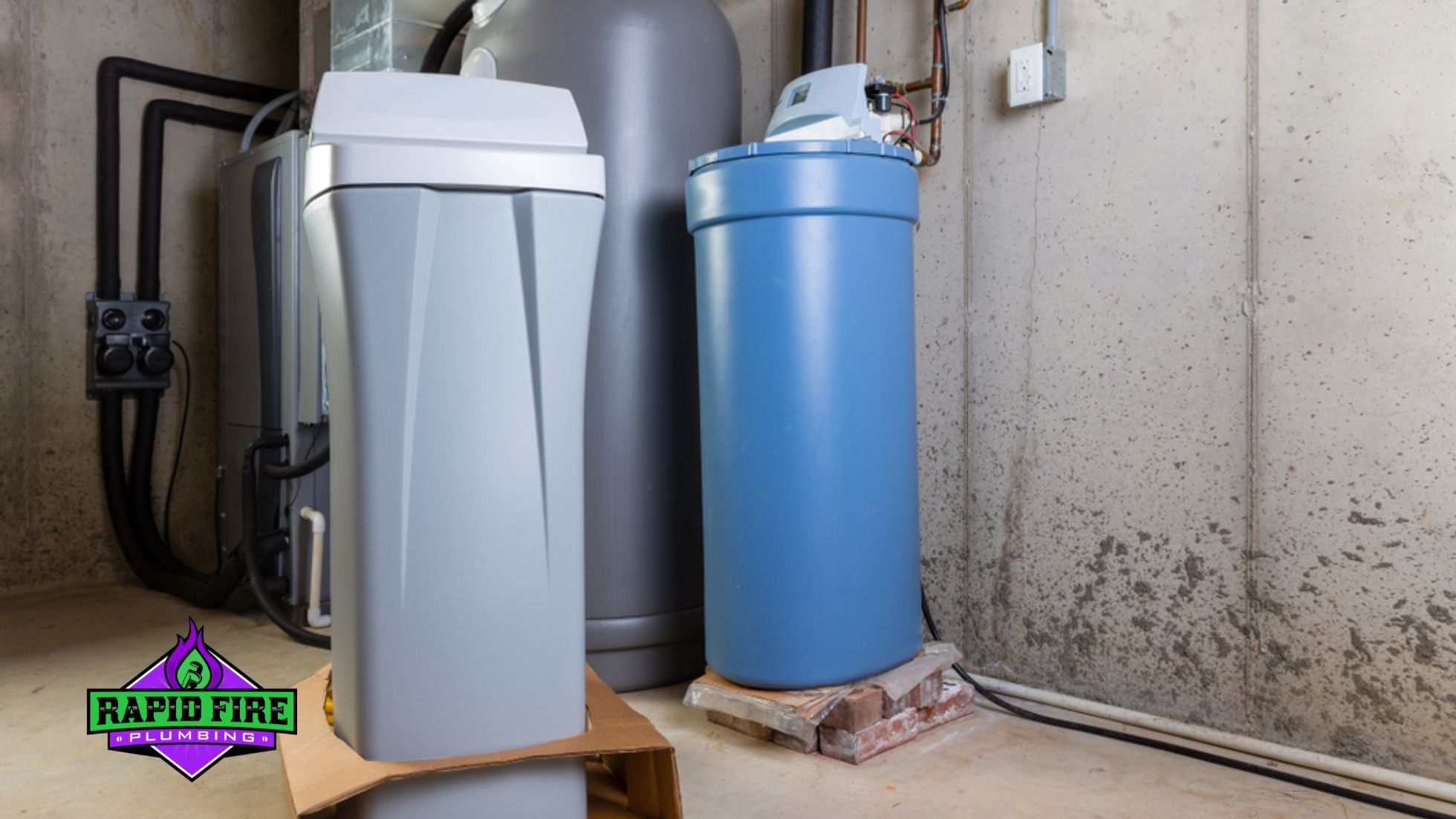 For homeowners experiencing recurring pressure loss or mineral-related complications, water softener installation prevents future issues while protecting pipes and appliances from hard water damage. Arizona water’s 14.9 GPG hardness level makes water treatment a practical investment for many Phoenix homes.
Water softeners remove calcium and magnesium minerals before water enters your plumbing system, preventing mineral deposits inside pipes and fixtures. This approach eliminates a primary cause of isolated pressure loss in Arizona homes.
Installation involves connecting the softener system to your main water supply line before water reaches individual room lines. Professional installation ensures proper sizing, code-compliant connections, and appropriate backwash procedures for system maintenance. The water softener installation service addresses not just current pressure issues but prevents future complications.
Whole-House Plumbing System Evaluation
Single-room pressure loss sometimes indicates broader systemic concerns, particularly in older Phoenix homes with galvanized pipes or corrosion-related deterioration. If pressure problems recur in different rooms or affect multiple areas over time, a whole-house evaluation identifies system-wide complications requiring comprehensive re-piping services.
Modern polybutylene, copper, or PEX supply lines significantly improve pressure consistency compared to aging galvanized systems. In homes built before the 1980s, re-piping might be more cost-effective than repeated isolated repairs, offering long-term reliability and code-compliant functionality.
Frequently Asked Questions About Water Pressure in Phoenix Homes
What are the required water pressure levels by Phoenix building codes?
Phoenix follows the 2024 IPC, requiring minimum 40 PSI and maximum 80 PSI for residential systems. Pressures below 40 PSI might indicate system problems, while pressures exceeding 80 PSI require regulator installation for system protection and code compliance.
Do I need a permit for water pressure repairs in Phoenix?
Simple repairs like aerator cleaning or fixture replacement typically don’t require permits. However, supply line modifications, pressure regulator installation, or system alterations generally do require permits and inspection. A licensed contractor knows which repairs trigger permit requirements in your jurisdiction.
How do I verify my plumber is licensed with Arizona ROC?
Visit the Arizona Registrar of Contractors public search and enter the contractor’s name or license number. The database shows active status, license classification, experience level, and any disciplinary history.
Is low water pressure in one room always an emergency?
Typically, no. Isolated pressure loss is usually non-urgent, allowing you to schedule convenient service times. However, sudden complete water loss, discolored water, or pressure problems following recent work might warrant prompt professional assessment.
How fast can I schedule professional water pressure service?
Same-day diagnostic service is often available* for non-emergency appointments during business hours. Rapid Fire Plumbing’s 24/7 emergency service handles urgent situations requiring immediate attention. Response time depends on current service demand and your location within the Phoenix metro area.
What’s the difference between same-day and 24/7 emergency service?
Same-day service* schedules diagnostic appointments during regular business hours, typically arriving within several hours. Emergency service is available 24/7 for genuine plumbing emergencies, with dispatch occurring immediately upon call.
Can Arizona’s hard water cause low water pressure in just one room?
Yes, hard water mineral deposits are a leading cause of isolated pressure loss in Phoenix homes. Mineral buildup concentrates in specific pipes or fixtures, causing localized pressure reduction before affecting the entire system.
Is installing a water softener worthwhile in Phoenix?
Given Phoenix’s 14.9 GPG water hardness, water softeners prevent mineral-related complications in pipes, fixtures, and appliances. For homeowners experiencing recurring pressure loss or concerned about long-term system health, softener installation is a practical preventive investment.
How do I choose between DIY aerator cleaning and professional service?
DIY aerator cleaning works well for hard water mineral removal if you’re comfortable with basic plumbing tasks. Professional service is worthwhile if you’re uncertain about the process, uncomfortable disassembling fixtures, or if aerator cleaning doesn’t restore pressure.
What does water pressure testing involve?
Professionals use a pressure gauge connected to a test faucet or outdoor spigot, measuring pressure in PSI at various system points. Testing hot and cold supplies separately, measuring at multiple fixtures, and assessing pressure variation throughout the home helps diagnose the problem’s location and cause.
How long does water pressure repair typically take?
Simple repairs like aerator replacement take 30-60 minutes*. Pressure regulator adjustment or installation might require 1-2 hours*. Comprehensive diagnostics combined with repairs might take 2-4 hours*, depending on complexity and whether permits or inspections are required.
Why is water hardness important for understanding pressure problems?
Phoenix water’s hard mineral content creates deposits inside pipes and fixtures, progressively reducing flow and pressure. Understanding this Arizona-specific factor helps explain why pressure loss occurs and guides prevention strategies like water softening.
What should I do if pressure remains low after aerator cleaning?
Contact a licensed professional for diagnostic testing. Persistent low pressure after aerator cleaning suggests mineral buildup within supply lines, valve complications, or other system issues requiring professional evaluation and targeted solutions.
How much does water pressure diagnosis typically cost?
Professional diagnostic services typically range from $75-$200*, depending on complexity and the contractor’s service model. Some contractors apply diagnostic fees toward repair costs if you proceed with their recommended solutions, effectively making diagnostics free when repairs are completed.
Can I fix pressure problems myself without professional help?
Simple aerator cleaning can help if the problem is localized to fixture screens. However, internal supply line complications, valve issues, or pressure regulator problems require professional expertise and specialized equipment for safe, code-compliant repairs.
Commercial Plumbing and Water Pressure for Businesses
Businesses and multi-family properties face additional considerations regarding water pressure and plumbing code compliance. Commercial buildings must meet higher performance standards, accommodate peak usage periods, and maintain precise pressure ranges for specific applications like medical facilities or kitchens.
Rapid Fire Plumbing’s commercial plumbing experience with schools, hospitals, hotels, and government buildings provides the specialized expertise necessary for complex systems. If your commercial property experiences pressure complications, professional commercial plumbing service understands system-wide implications and regulatory requirements specific to business applications.
Prevention and Long-Term System Health
Single-room pressure problems often prevent future complications. Addressing mineral buildup early through water softening, maintaining pressure regulators, and scheduling periodic system inspections preserves your plumbing system’s long-term health and functionality.
For older homes or systems experiencing recurring pressure loss, professional evaluation identifies whether targeted repairs or comprehensive re-piping better serves your situation. Investing in prevention often costs less than addressing repeated failures over time.
Getting Started: Free Consultation for Your Phoenix Home
If you’re experiencing low water pressure in just one room and need professional guidance, Rapid Fire Plumbing offers free consultations to discuss your specific situation. Licensed Arizona contractors will listen to your symptoms, answer questions about your home’s system, and recommend appropriate next steps.
Whether your situation requires simple aerator cleaning, pressure regulator adjustment, water softener installation, or comprehensive system evaluation, Rapid Fire Plumbing’s transparent pricing ensures you understand service costs before any work begins. The “beat any quote” guarantee protects your investment while ensuring competitive service rates.
Contact Rapid Fire Plumbing at Rapid Fire Plumbing or call 623-810-6166 to schedule your free consultation and understand your options for restoring full water pressure throughout your Phoenix home or business.Sources
Arizona Plumbing Resources
-
2024 International Plumbing Code – City of Phoenix Amendments – Official Phoenix plumbing code requirements, pressure standards, fixture regulations, and permit triggers for residential and commercial plumbing work
-
Arizona Water Quality and Hard Water Information – City of Phoenix 2024 water quality report providing mineral content data, source water information, and hard water treatment guidance for Phoenix residents
-
Maricopa County Drinking Water Quality – County water quality data, treatment information, and water system details for Maricopa County communities
Professional and Industry Association Sources
-
Arizona Registrar of Contractors License Verification – Public contractor license search database for verifying plumbing contractor licensing, experience level, and disciplinary history in Arizona
-
Arizona Plumbing Contractor Licensing Requirements – Comprehensive information on Arizona plumbing license requirements, experience standards, and contractor qualification procedures
Government and Regulatory Authorities
-
City of Phoenix Development Services and Permits – Official Phoenix city information on plumbing permits, inspection procedures, and code compliance requirements for residential and commercial plumbing projects
-
Arizona Department of Building and Fire Safety – State-level construction standards, code enforcement information, and contractor licensing oversight for Arizona plumbing and building services
Service Consultation Disclaimer
This article provides general information about Arizona plumbing services and single-room water pressure issues, and should not be considered as specific service advice for your project. Plumbing issues, costs, and procedures vary significantly based on individual circumstances, jurisdiction within Arizona, and specific project details. Service schedules, project timelines, and plumbing processes can be affected by many factors specific to each situation.
All timelines and service cost ranges are provided for general information only. Actual service duration and costs will depend on the specific plumbing issues, project complexity, scheduling availability, and agreed-upon scope of work as set forth in the written service agreement.
For free consultation and qualified service for your specific Arizona plumbing needs, contact Rapid Fire Plumbing at Rapid Fire Plumbing or call 623-810-6166. Our licensed Arizona plumbing contractors will provide personalized service analysis based on your specific needs and circumstances. No service agreement is created by reading this article.
