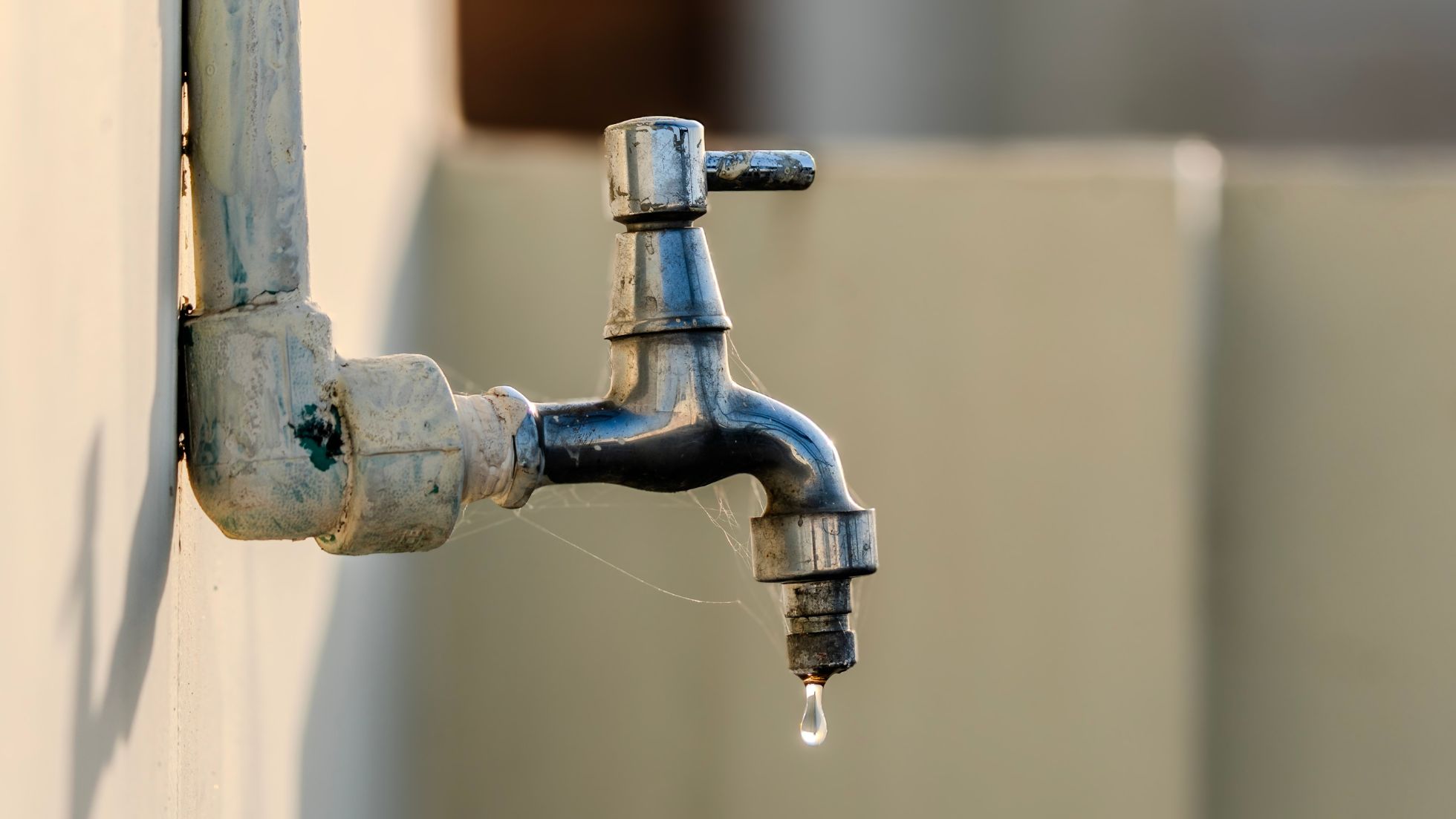
That white, chalky buildup on your kitchen faucet isn’t just cosmetic—it’s a warning sign that Arizona’s extreme hard water is silently damaging your plumbing system and appliances. Phoenix water ranks among the hardest in the nation, with mineral content averaging 230 PPM (parts per million) or 14.9 GPG (grains per gallon), causing accelerated damage patterns most other regions never experience.
Understanding hard water damage indicators helps homeowners recognize problems early, prevent costly repairs, and make informed decisions about water treatment investments. Early detection often saves thousands in premature appliance replacements and frequent plumbing repairs.
Key Information
Hard water damage in Phoenix homes typically manifests through 10 visible indicators: limescale buildup on fixtures, soap scum accumulation, cloudy glassware, reduced water pressure, frequent fixture repairs, higher water heating costs, and premature appliance failure. Arizona’s extreme water hardness (230 PPM / 14.9 GPG—1.5-2.3x harder than national average) causes water heaters to fail approximately 2 years earlier than normal lifespan, increases heating costs 25-30%, and reduces appliance efficiency by 25-50%. Professional water quality testing identifies specific hardness levels and helps homeowners determine if water softener installation makes financial sense—typically paying for itself in 12-36 months* through avoided repairs and energy savings.
Phoenix homeowners typically spend $1,200-$2,500+ annually* on hard water-related costs (energy bills, repairs, cleaning products) without prevention—making early damage detection and professional assessment essential decisions.
Overview
This comprehensive guide identifies 10 visible hard water damage indicators specific to Phoenix homes, explains why Arizona’s extreme water hardness causes accelerated damage compared to national averages, quantifies financial costs of inaction, provides transparent water softener ROI analysis, and guides when professional diagnostic service is necessary. With 20+ years of experience serving the Phoenix area, licensed Arizona plumbing contractors understand hard water damage patterns unique to Arizona’s mineral-rich water sources and extreme desert climate.
Unlike national guides offering generic advice, this resource integrates Phoenix-specific water quality data (230 PPM / 14.9 GPG), local damage patterns from decades of regional expertise, and actionable prevention strategies backed by transparent financial analysis.
Phoenix’s Extreme Hard Water Severity and Why Local Damage Accelerates Faster
 Phoenix water hardness averages 230 PPM or 14.9 GPG—a measurement that places Phoenix among the hardest municipal water supplies in the entire nation. For context, national average water hardness ranges from 100-150 PPM, meaning Phoenix water is 1.5-2.3x harder than typical U.S. communities. This extreme mineral content directly drives accelerated damage to plumbing fixtures, water heaters, and appliances throughout Phoenix homes.
Understanding Phoenix’s Water Hardness Classification
Arizona water comes from three primary sources: the Colorado River (delivered via Central Arizona Project canals), Salt/Verde River systems (delivered through Salt River Project), and groundwater aquifers beneath the desert. All three sources carry naturally high mineral content—primarily calcium and magnesium—picked up as water moves through Arizona’s mineral-laden terrain. This mineral-rich water creates the hard water conditions affecting virtually every Phoenix home.
The USGS classifies water hardness into categories: soft (0-60 PPM), moderately hard (61-120 PPM), hard (121-180 PPM), and very hard (181+ PPM). Phoenix’s 230 PPM places the city firmly in the “very hard” classification—a designation carrying serious implications for plumbing systems and appliances.
How Arizona’s Desert Climate Accelerates Mineral Damage
Phoenix’s extreme summer heat—regularly exceeding 110°F—creates unique acceleration of hard water damage not seen in temperate climates. Heat causes minerals to precipitate faster inside pipes, fixtures, and appliances. Rubber seals and gaskets that might last 10-15 years in soft water areas deteriorate 2-3 years faster in Phoenix’s hard water combined with extreme temperatures.
This climate-water combination explains why Phoenix homeowners experience more frequent faucet leaks, more rapid water heater deterioration, and more consistent plumbing problems than communities with comparable water hardness in cooler regions. The heat accelerates every aspect of hard water mineral damage.
Comparing Phoenix to Other Arizona Cities
Water hardness varies across Arizona. While Phoenix averages 230 PPM, some Arizona cities experience even higher hardness levels, while others fall slightly lower. Understanding your specific neighborhood’s hardness helps assess damage severity in your home.
10 Visible Hard Water Damage Indicators in Your Phoenix Home
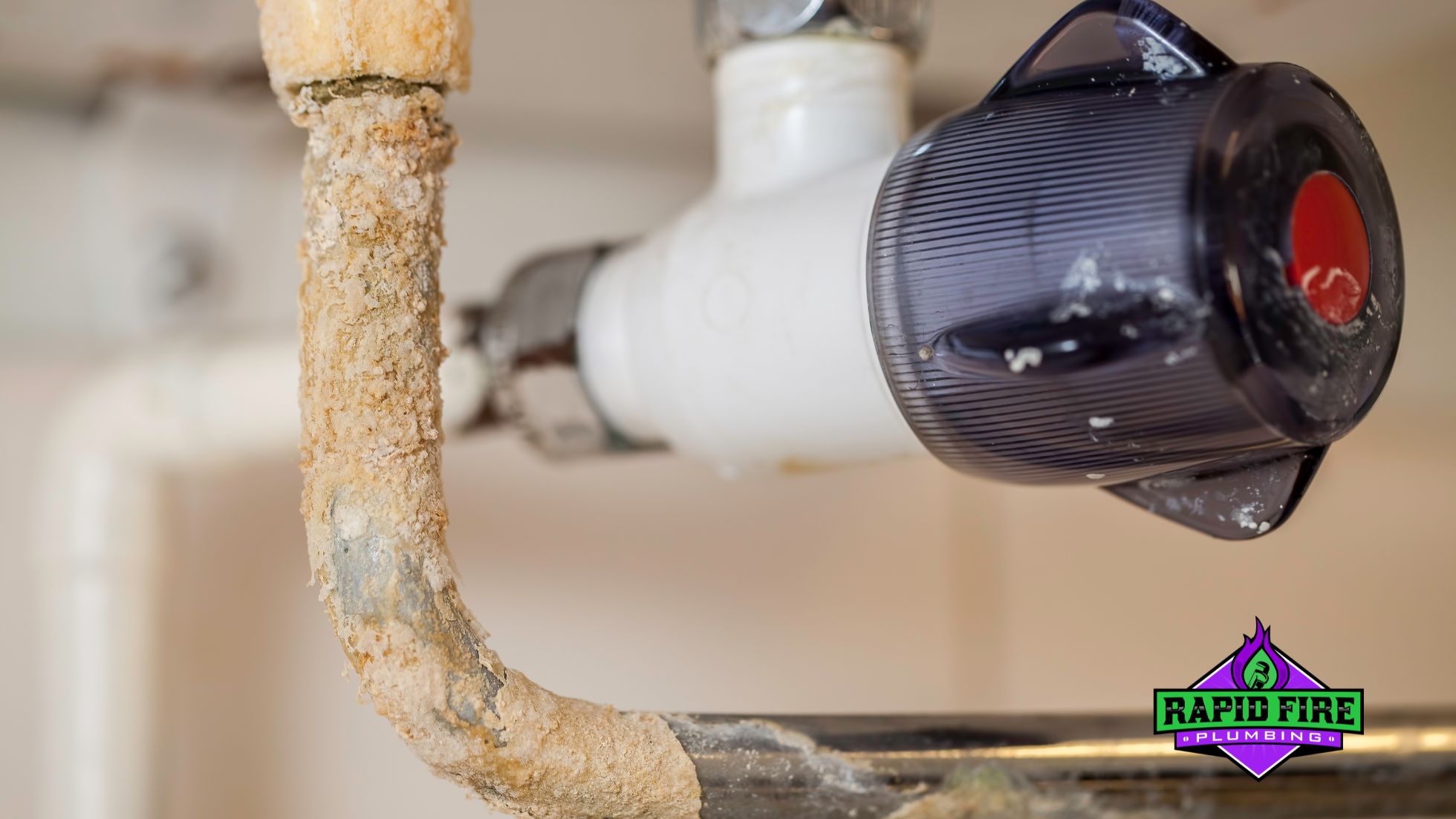 Hard water damage in Phoenix manifests through recognizable visual and performance indicators. Learning to identify these signs helps homeowners assess situation severity and determine if professional water quality assessment is needed.
Indicator 1: Limescale Buildup on Fixtures
The most obvious hard water sign is white, chalky mineral deposits accumulating on faucets, showerheads, and fixtures. These deposits form as hard water minerals concentrate and solidify on fixture surfaces. The buildup is purely cosmetic initially but signals that mineral damage is occurring inside fixtures as well.
Indicator 2: Soap Scum Accumulation
Hard water minerals interact with soap to create a stubborn film that won’t rinse away completely. You’ll notice soap scum buildup in tubs, shower walls, and tile surfaces—a sticky residue that requires extra cleaning effort. This scum indicates hard water is preventing soap from working properly throughout your home.
Indicator 3: Cloudy or Spotted Glassware
Dishes emerging from your dishwasher with permanent spots or cloudy appearance indicate hard water. These spots are mineral deposits that normal drying doesn’t remove. Over time, glassware becomes increasingly spotted and difficult to clean completely.
Indicator 4: Stained Shower Tiles and Surfaces
Permanent discoloration on bathroom tile, grout, and surfaces reflects hard water mineral staining. These stains prove increasingly difficult to remove with standard cleaning products—a sign that mineral damage has progressed beyond surface level.
Indicator 5: Reduced Water Pressure
Mineral buildup inside pipes gradually restricts water flow. Many Phoenix homeowners notice reduced pressure in showers, at sinks, or throughout their homes. This pressure loss indicates significant mineral accumulation inside supply lines and fixture interiors—damage that cleaning alone won’t resolve.
Indicator 6: Frequent Faucet Repairs
Hard water accelerates fixture failure. If you’re having cartridges replaced, washers changed, or aerators cleaned repeatedly, hard water mineral damage is likely the cause. Fixtures failing more frequently than you’d expect signal hard water corrosion.
Indicator 7: Water Heater Efficiency Loss
Water heater tanks accumulate mineral scale from hard water, acting like insulation and forcing the system to work harder. Your water heating costs increase noticeably—energy bills rising 25-30%* from the same usage patterns. This efficiency loss accelerates as scale buildup increases.
Indicator 8: Appliance Wear and Premature Failure
Dishwashers, washing machines, and other water-using appliances deteriorate faster in hard water. You might notice your dishwasher leaving food residue on dishes, your washing machine leaving soap residue on clothes, or appliances needing repairs more frequently. These failures signal hard water is shortening appliance lifespan significantly.
Indicator 9: Dry Skin and Dull Hair
Hard water minerals strip natural oils from skin and hair, leaving a sticky film. If household members notice skin feeling dry despite moisturizing efforts, or hair lacking luster despite quality products, hard water is likely the culprit. This indicator affects everyone in the home but is easy to overlook as a plumbing problem.
Indicator 10: Low Shower Flow Despite Good Main Pressure
Sometimes water pressure is adequate at other fixtures but your shower delivers weak flow. This localized pressure problem indicates mineral deposits inside shower lines or showerhead specifically—a classic hard water damage pattern in Phoenix homes.
Quantifying Hard Water Damage Costs: Understanding Financial Impact
Hard water damage extends far beyond annoying mineral buildup. The financial costs accumulate silently through energy bills, repair expenses, and premature appliance replacements.
Water Heater Failure and Replacement Cost
Water heaters in soft water regions typically last 8-12 years. In Phoenix’s hard water, that lifespan commonly reduces to 6-10 years—a 2-year early failure typical. Water heater replacement costs $800-$1,500* for the unit alone, plus $500-$1,000* for professional installation. Hard water causing 2-year premature failure means Arizona homeowners face this expense 2 years sooner than expected, representing significant unplanned costs.
Energy Bill Impact from Scale Buildup
Mineral scale inside water heaters acts like insulation, forcing the heating element to work longer and harder to reach target temperature. This inefficiency increases water heating energy costs by 25-30%* compared to scale-free systems. For homeowners spending $100-$150 monthly* on water heating, hard water adds $25-$45 monthly* to bills—totaling $300-$540 annually* just from reduced efficiency.
Appliance Efficiency Loss and Replacement
Dishwashers, washing machines, and other appliances accumulate hard water deposits internally. Efficiency drops 25-50%* as mineral buildup restricts water flow and reduces cleaning capability. Eventually, appliances fail prematurely—replacing a dishwasher ($400-$1,000*), washing machine ($500-$1,500*), or other water appliance represents significant expense.
Repair Frequency and Maintenance Costs
Frequent faucet repairs, aerator cleanings, pressure regulator adjustments, and other hard water-related plumbing maintenance accumulate. Many Phoenix homeowners spend $500-$1,500+ annually* on repeated repairs from hard water damage—expenses that professional water softening would have prevented.
Cleaning Product Waste
Hard water requires 2-4x more detergent, shampoo, dish soap, and cleaning products to achieve the same results as soft water. Over a year, this increased consumption costs an additional $200-$300 annually* in cleaning supplies.
Total Annual Hard Water Cost
Combining all factors—energy bills, appliance efficiency loss, repair frequency, and cleaning products—typical Phoenix homeowners spend $1,200-$2,500+ annually* on hard water-related costs. Over a decade, this totals $12,000-$25,000+ in preventable expenses.
All timelines and service cost ranges are provided for general information only. Actual service duration and costs will depend on the specific plumbing issues, project complexity, scheduling availability, and agreed-upon scope of work as set forth in the written service agreement.
Water Softener ROI Analysis: Is Professional Installation Worth the Investment?
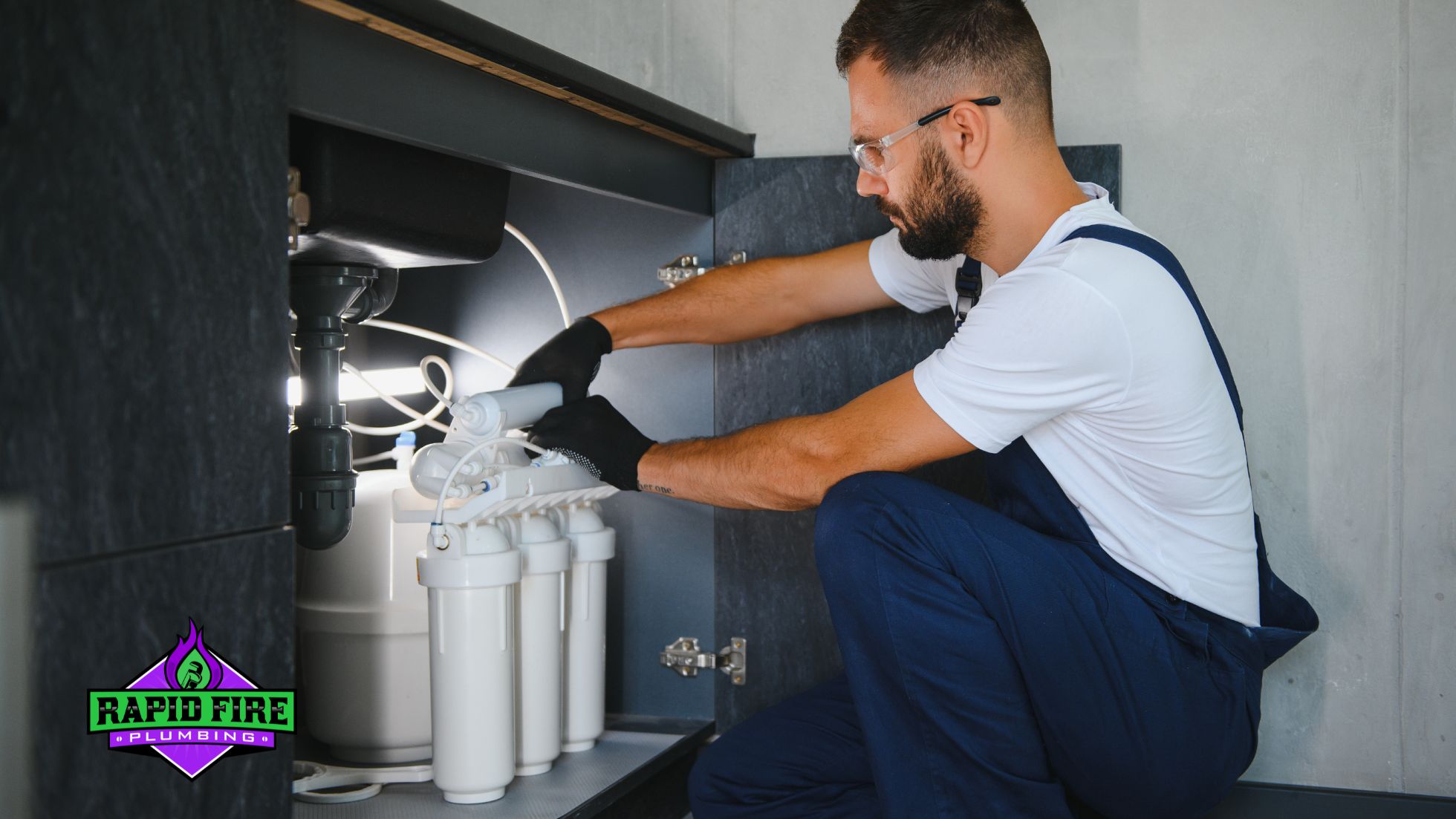 One of homeowners’ most common questions: “Is a water softener worth installing?” The answer becomes clear through transparent financial analysis.
Water Softener Installation Investment
Professional water softener installation typically costs $1,500-$3,500*, depending on system type, capacity, and home size. This represents a significant but calculated investment requiring clear ROI analysis.
Annual Savings from Water Softening
Water softeners provide measurable annual savings:
-
Energy savings: $300-$600 annually* from improved water heater efficiency
-
Appliance replacement deferral: $400-$800 annually* from extended appliance lifespan
-
Repair cost reduction: $200-$400 annually* from decreased fixture failures
-
Cleaning product savings: $150-$250 annually* from reduced product consumption
-
Total annual savings: $1,050-$2,050 annually*
ROI Timeline Calculation
With annual savings of $1,050-$2,050, a $1,500-$3,500 investment pays for itself in 12-36 months*. Most Phoenix homeowners see full payback within 2-3 years*—after which all savings become pure financial gain.
10-Year Financial Projection
Over 10 years, a water softener generates $10,500-$20,500 in savings—far exceeding the initial $1,500-$3,500 investment. This calculation doesn’t include the intangible benefits: no more frequent appliance failures, no premature water heater replacements, consistent water pressure, and improved fixture longevity.
Long-Term Value Consideration
Water softeners typically last 15-20 years* with minimal maintenance ($300-$500 annually* for salt and occasional servicing). The investment protects your entire plumbing system and appliance fleet from hard water damage while delivering continuous financial benefit.
All timelines and service cost ranges are provided for general information only. Actual service duration and costs will depend on the specific plumbing issues, project complexity, scheduling availability, and agreed-upon scope of work as set forth in the written service agreement.
Professional Water Quality Assessment vs. DIY Identification
DIY damage identification works for visible indicators—mineral buildup, pressure loss, appliance wear. However, professional water quality assessment provides information DIY approaches cannot.
What Professional Testing Reveals
Licensed Arizona plumbing contractors use certified testing equipment to measure precise water hardness (PPM/GPG), pH level, and mineral composition. This data guides treatment decisions far better than visual assessment alone. Professional diagnosis identifies whether hard water is the only concern or part of larger plumbing system problems.
How Licensed Expertise Identifies Hidden Damage
Professional plumbers recognize hard water damage patterns homeowners might miss: internal pipe corrosion, valve seat deterioration, water heater tank damage, pressure regulator stress. Decades of Arizona experience mean our contractors immediately recognize whether damage is minor or warrants urgent intervention.
When Professional Assessment Prevents Costly Mistakes
Homeowners sometimes invest in water softeners when the actual problem involves damaged pipes, failing pressure regulators, or other complications requiring different solutions. Professional assessment clarifies what specific issues your home faces and which solutions actually address root causes.
Same-Day Diagnostic Service Availability
Rapid Fire Plumbing offers same-day water quality testing and damage assessment appointments* for homeowners wanting immediate clarity on situation severity. Free consultation removes decision barriers for homeowners uncertain about hard water impact.
Emergency Service Availability for Urgent Hard Water Situations
Certain hard water situations warrant urgent professional response beyond standard scheduling.
24/7 Emergency Hard Water Response
Rapid Fire Plumbing provides 24/7 emergency service* throughout the Phoenix metro area for urgent hard water emergencies: complete water loss from pipe failure, pressure system collapse, water heater catastrophic failure, or commercial facility hard water complications affecting operations.
When Hard Water Situations Require Immediate Service
Late-night pipe failure from mineral corrosion, commercial kitchen water system emergency, or multi-unit property urgent complications justify emergency service despite higher after-hours rates*. Professional emergency response prevents escalating water damage and restores service quickly.
Same-Day Scheduling for Non-Emergency Situations
Most hard water assessment needs aren’t true emergencies. Same-day diagnostic appointments available during business hours* provide rapid response without emergency surcharges. Professional diagnosis typically completes within 1-2 hours*, allowing homeowners to make informed decisions same day.
Licensed, Insured Emergency Response Protection
Emergency technicians are licensed Arizona contractors with comprehensive insurance coverage. Your home is protected if unexpected complications arise, and all work meets Arizona plumbing code standards.
Commercial and Multi-Unit Property Hard Water Challenges
Hard water damage affects commercial properties and multi-unit buildings differently than single-family homes.
Commercial Facility Hard Water Impact
Hospitals, hotels, commercial kitchens, and other facilities depend on reliable water systems. Hard water scale accumulation threatens water heater reliability, increases energy costs across large systems, and affects operational efficiency. Commercial facilities often justify water softening investments within months* rather than years* due to high water consumption.
Multi-Unit Building Considerations
Apartment complexes and multi-family properties face multiplied hard water costs: dozens of water heaters, hundreds of fixtures, thousands in annual energy overages. Water softening in multi-unit buildings delivers rapid ROI* and prevents tenant complaints from reduced pressure or efficiency.
Property Manager Decision-Making
Property managers benefit from professional water hardness assessment clarifying true costs to building operations. Phoenix’s extreme water hardness justifies preventive water treatment investments that managers might overlook without professional guidance.
Frequently Asked Questions About Hard Water Damage in Phoenix
How bad is hard water in Phoenix compared to other cities?
Phoenix’s 230 PPM water hardness ranks among the highest in the nation and is 1.5-2.3x harder than typical U.S. communities. This extreme severity causes damage patterns and costs most other regions never experience.
What’s causing my water heater to fail so quickly?
Hard water mineral scale accumulating inside your water heater tank reduces efficiency and forces premature replacement. Typical lifespan reduction is 2 years—meaning your 10-year heater becomes a 8-year heater. Scale buildup is the primary culprit.
Will a water softener really save me money?
Transparent financial analysis shows most Phoenix homeowners save $1,050-$2,050 annually* through water softening. The investment pays for itself in 12-36 months*, after which all savings become pure financial benefit.
Can I fix hard water damage myself?
Visible damage like mineral buildup on fixtures can be addressed with vinegar soaking for aerators. However, internal damage inside pipes, fixtures, and appliances requires professional intervention. Professional water quality assessment identifies the full scope of damage DIY approaches cannot reveal.
When should I call a plumber about hard water?
If you notice multiple hard water indicators—mineral buildup, reduced pressure, frequent repairs, high water heating costs—professional assessment is worth scheduling. Same-day diagnostics* remove guesswork about whether hard water investment is necessary.
Does Phoenix water quality vary by neighborhood?
Yes, water hardness varies across Phoenix and Maricopa County. Your specific area’s hardness affects damage severity and prevention urgency. Professional testing reveals your precise situation.
How often should I have my water quality tested?
Professional water quality assessment once or twice yearly helps monitor hard water impact and water softener effectiveness. Many homeowners test initially to confirm hard water concerns, then annually to verify treatment system performance.
Are there health concerns from hard water?
Hard water presents no significant health risks—calcium and magnesium are minerals humans consume regularly. Hard water problems are primarily plumbing and appliance related, not health concerns.
Getting Started: Professional Hard Water Assessment in Phoenix
Understanding your home’s hard water damage severity is the first step toward prevention and financial protection. Professional water quality assessment removes guesswork and positions you for informed decision-making about water softening investment.
Contact Rapid Fire Plumbing for free water quality consultation and same-day diagnostic appointments* available throughout the Phoenix metro area. Our licensed Arizona contractors provide transparent assessment of your specific situation and honest guidance on whether water softening makes financial sense for your home.
Call 623-810-6166 for 24/7 emergency hard water response or to schedule same-day diagnostic service*. Visit Rapid Fire Plumbing to learn more about professional water quality solutions protecting your Phoenix home.
Sources
Arizona Plumbing Resources
-
Arizona Water Hardness Levels By City & Zip Code – Comprehensive Arizona water hardness data showing Phoenix 230 PPM and regional variations across Maricopa County
-
Understanding Hard Water in Phoenix – Phoenix-specific hard water causes, water sources, and local impact information
-
How Arizona’s Hard Water Impacts Your Plumbing – Arizona-specific hard water damage patterns and prevention strategies
-
Hard Water in Phoenix: Plumbing & Appliance Damage – Phoenix hard water effects on plumbing systems and household appliances
Professional and Industry Association Sources
-
How Hard Water Impacts Your Water Heater – Water heater lifespan reduction and hard water damage to heating systems
-
The Real Cost of Hard Water on Your Appliances – Appliance damage costs and financial impact from hard water minerals
-
Hard Water Impact on Pipes and Damage Minimization – Pipe scale buildup and hard water mitigation approaches
-
How to Treat Hard Water in Arizona – Arizona-specific hard water treatment solutions and professional approaches
Government and Regulatory Authorities
-
Arizona Water Hardness by City Classification – USGS water hardness classifications and Arizona city-by-city hardness levels
-
Arizona Department of Environmental Quality Water Quality Standards – Arizona water quality standards and testing procedures
-
Arizona Registrar of Contractors License Verification – Public contractor license search for Arizona plumbing professionals
Service Consultation Disclaimer
This article provides general information about Arizona plumbing services and should not be considered as specific service advice for your project. Plumbing issues, costs, and procedures vary significantly based on individual circumstances, jurisdiction within Arizona, and specific project details. Service schedules, project timelines, and plumbing processes can be affected by many factors specific to each situation.
All timelines and service cost ranges are provided for general information only. Actual service duration and costs will depend on the specific plumbing issues, project complexity, scheduling availability, and agreed-upon scope of work as set forth in the written service agreement.
For free consultation and qualified service for your specific Arizona plumbing needs, contact Rapid Fire Plumbing at or call 623-810-6166. Our licensed Arizona plumbing contractors will provide personalized service analysis based on your specific needs and circumstances. No service agreement is created by reading this article.
