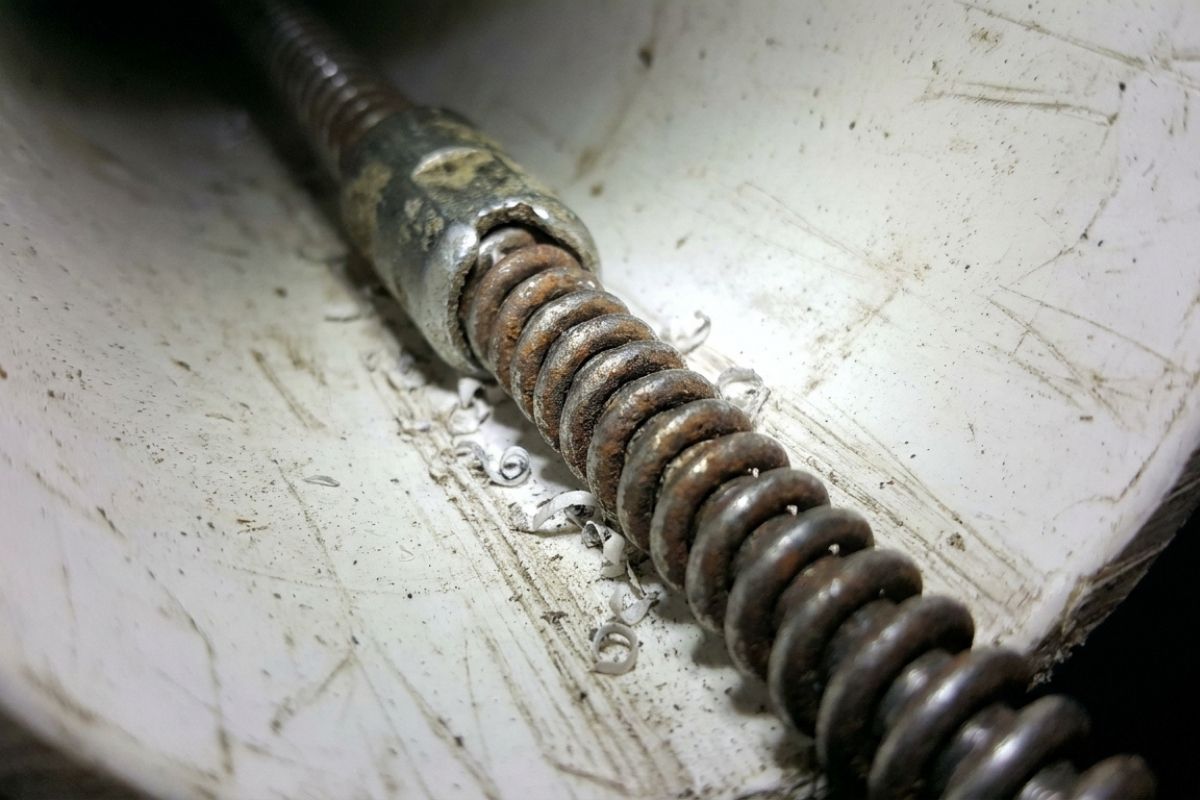
Using a mechanical auger, commonly known as a drain snake, frequently leads to catastrophic plumbing failures because the rigid metal cables and sharp cutting heads easily scratch, puncture, or shatter residential pipe walls. This risk is profoundly amplified in older systems weakened by internal corrosion or heavy mineral scaling. In regions with exceptionally hard water, the abrasive action of a metal coil scraping against calcified pipe interiors can compromise the structural integrity of the entire plumbing line, turning a simple clog into a multi-thousand-dollar emergency repair. Choosing a professional Drain Cleaning Phoenix service ensures your pipes are safely cleared without the risk of destroying your home’s infrastructure.
Key Takeaways
-
Mechanical Force vs. Fragile Materials: Metal augers can easily gouge softer PVC and ABS plastics, creating rough surfaces that attract future clogs.
-
Galvanized Pipe Vulnerability: Older homes risk sudden pipe bursts when snaking dislodges rust that is holding deteriorating pipes together.
-
Hard Water Complications: Regional water hardness significantly accelerates internal pipe decay, making mechanical cleaning highly hazardous.
-
Hidden Leaks: Punctures from improper snaking often happen behind walls, leading to unseen water damage and black mold growth.
-
Professional Alternatives: Licensed plumbers utilize non-destructive methods like CCTV inspections and hydro jetting rather than blind snaking.
The Mechanics of Plumbing Augers and Why They Fail
To understand the high risk of pipe damage, one must look at the mechanics of a standard plumbing auger. A drain snake consists of a flexible, coiled metal wire with a specialized tip—often a corkscrew or a blade—designed to physically break apart or hook onto blockages. While professional-grade motorized augers are carefully calibrated, the manual versions available at hardware stores require the user to force the cable through the plumbing system physically.
When a homeowner pushes a metal cable blindly down a drain, they cannot see the condition of the pipe walls or the layout of the plumbing traps. The P-trap, the curved section of pipe beneath sinks designed to hold water and block sewer gases, is particularly vulnerable. Pushing a stiff metal cable around these tight bends applies immense lateral pressure on the pipe joints. If the user twists the cable aggressively when it meets resistance—assuming they are boring through a clog—they are often actually boring directly into the side of the pipe fitting.
According to safety and installation guidelines from the International Association of Plumbing and Mechanical Officials (IAPMO), mechanical drain cleaning devices must be deployed with precise torque limits to prevent severe structural damage to the interior walls of plastic and galvanized piping systems. Without proper training, homeowners easily exceed these limits.
How Pipe Materials React to Abrasive Force
The severity of the damage caused by manual snaking largely depends on the age and material composition of your plumbing infrastructure. In 2026, many homes still rely on a mix of modern plastics and legacy metal piping, each reacting poorly to unauthorized mechanical stress.
Scraping and Puncturing Plastic (PVC and ABS)
Polyvinyl Chloride (PVC) and Acrylonitrile Butadiene Styrene (ABS) are the industry standards for modern drain lines. While highly resistant to chemical corrosion, they are relatively soft materials. When a steel auger head spins against a plastic elbow joint, it creates deep gouges and scratches. Even if the pipe does not immediately puncture, these internal scratches create a rough surface. Hair, grease, and soap scum will adhere to these newly formed grooves, guaranteeing that common plumbing issues in Phoenix will return more frequently than before.
Shattering Corroded Galvanized Steel
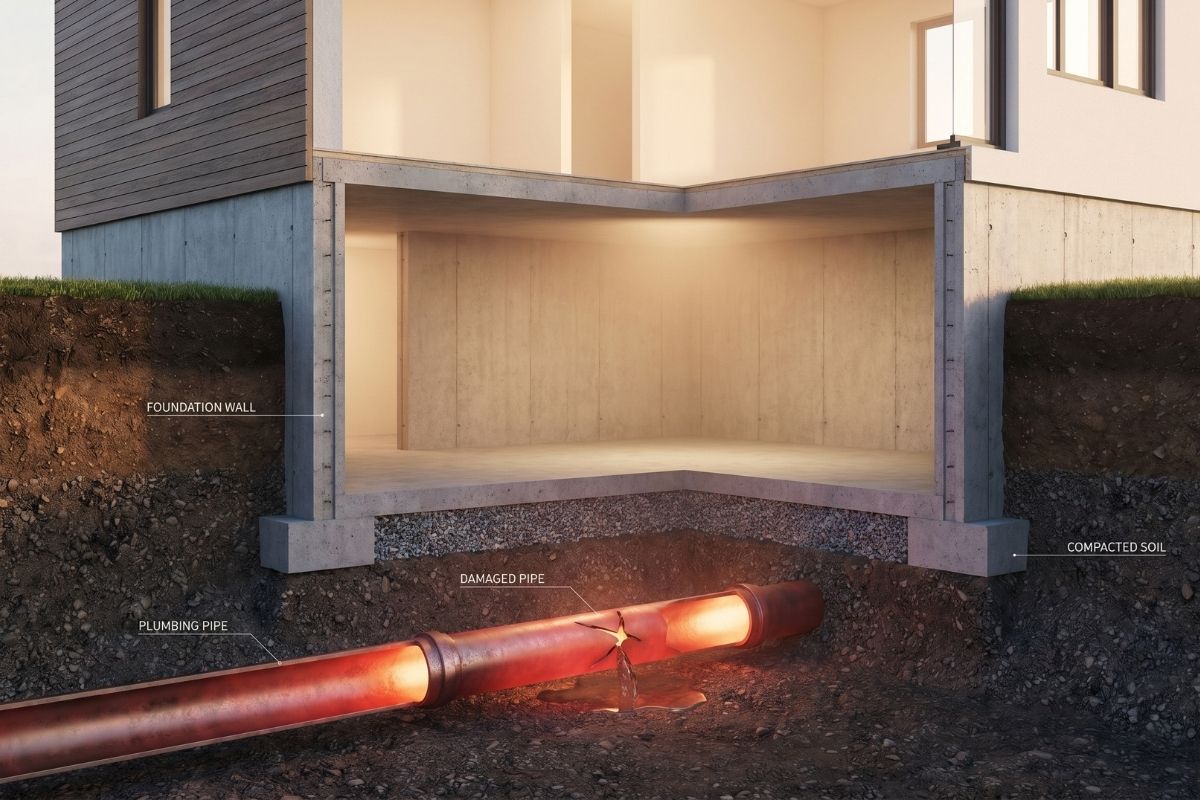
Homes built before the 1980s frequently utilize galvanized steel pipes. Over decades, these pipes corrode from the inside out, narrowing the interior channel with rust and scale. In many aging systems, the heavy rust scale is structurally load-bearing; it is the only thing preventing the pipe from leaking. When a mechanical snake breaks through this rust, it effectively rips away the pipe’s remaining structural integrity. The result is instant, catastrophic water line failure behind drywall or underneath the foundation.
The Impact of Severe Hard Water on Pipe Integrity
Water quality plays a massive role in plumbing longevity. The municipal water supply in many Southwestern cities is notoriously hard. Data from the City of Phoenix indicates that local water hardness frequently ranges between 12 and 17 grains per gallon (gpg), classifying it as “very hard.”
This high concentration of dissolved calcium and magnesium precipitates out of the water, forming rock-solid limestone scale on the interior walls of the pipes. Over time, this calcification narrows the pipe diameter, mimicking the symptoms of a standard clog. Homeowners who assume they have a simple hair or grease blockage will often attempt to clear the line with a DIY auger. Because the scale is essentially solid rock, the snake deflects off the calcium deposits and violently strikes the softer pipe wall.
Recognizing the spotting hard water damage early is crucial. Using mechanical force against calcified pipes is a guaranteed way to cause hairline fractures. Once a pipe fractures under the slab or inside a wall, the repair costs escalate exponentially, often necessitating comprehensive repiping.
Professional Drain Cleaning vs. DIY Snaking
Understanding the difference between amateur attempts and professional methodology highlights why DIY approaches are incredibly risky. Professional plumbing contractors rely on diagnostic technology before any mechanical intervention occurs.
| Feature | DIY Drain Snaking | Professional Drain Cleaning |
|---|---|---|
| Diagnostics | Blind insertion into the pipe. | CCTV high-definition camera inspection. |
| Force Application | Manual pushing and inconsistent twisting. | Calibrated torque and water-pressure (hydro jetting). |
| Material Awareness | Unknown; user assumes standard blockage. | Tailored approach based on pipe age and material. |
| Risk of Puncture | Extremely High (especially in PVC/Galvanized). | Near Zero (due to visual guidance and expertise). |
| Outcome | Temporary relief or permanent damage. | Complete line restoration and warranty protection. |
Professionals follow standards set by the Plumbing-Heating-Cooling Contractors Association (PHCC), which strongly advise against the blind use of mechanical augers in residential wastewater lines without prior camera inspection.
Warning Signs You Have Damaged Your Plumbing
If you have recently attempted to clear a stubborn clog yourself and suspect things went wrong, you must act quickly. The costs of ignoring minor leaks can compound rapidly into structural foundation damage or widespread mold remediation.
According to the Environmental Protection Agency (EPA) WaterSense program, “Ten percent of homes have leaks that waste 90 gallons or more per day,” and minor pipe punctures are a leading cause of this hidden waste. Watch for these definitive warning signs of auger damage:
- Unexplained Musty Odors: If you smell damp earth or sewage after snaking, you have likely punctured the sewer line, allowing harmful gases and wastewater to vent into the wall cavity.
- Sudden Water Pressure Drops: A drop in pressure suggests water is escaping the closed system through a new breach.
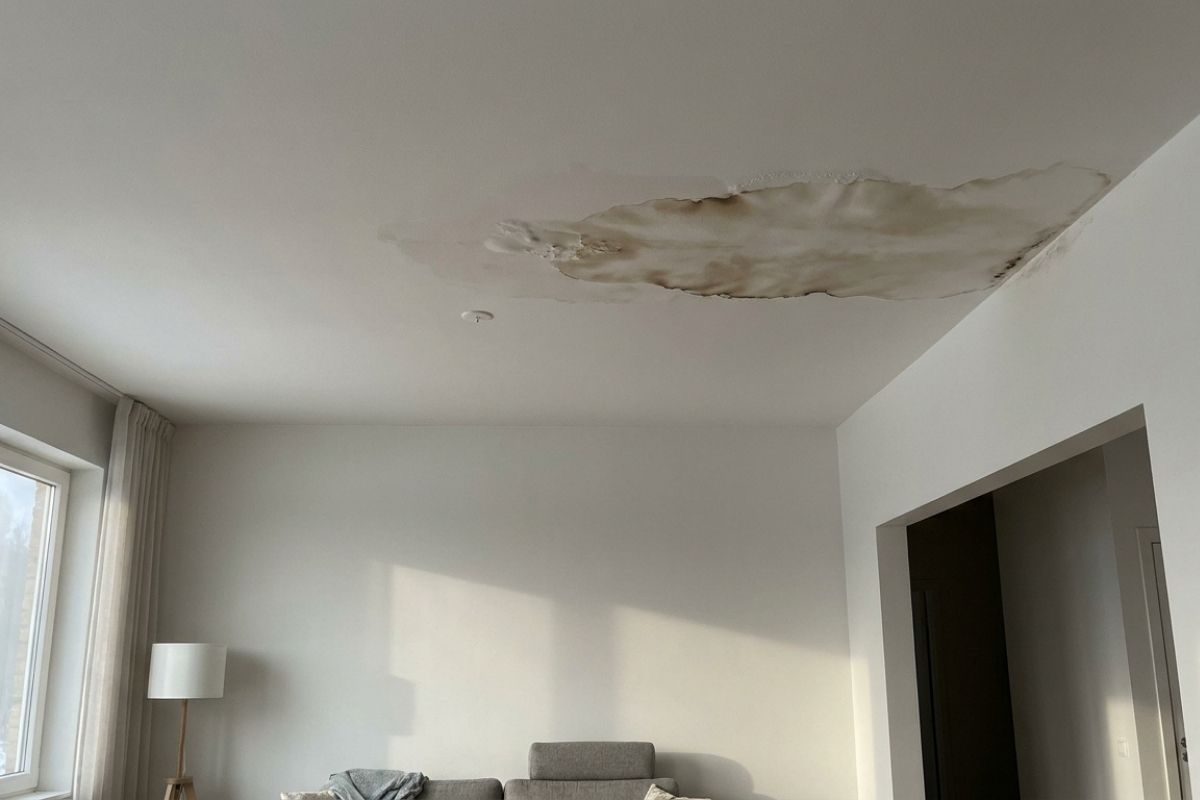
- Discolored Drywall or Ceiling Stains: Water escaping from a punctured pipe will quickly saturate surrounding building materials.
- Lush Patches in the Yard: If you used a long auger on a main cleanout, bright green patches of grass indicate raw sewage is leaking into the soil from a broken subterranean pipe, a clear indicator of signs of sewer line damage.
How to Unclog Drains Safely: Alternative Methods
Before resorting to risky mechanical augers, homeowners should attempt non-destructive methods to clear blockages. Here are the safest, plumber-approved steps to safely clear a clogged sink or drain:
- Utilize a High-Quality Flange Plunger: Ensure you have the correct plunger. Cup plungers are for flat sinks; flange plungers are for toilets. Create a tight seal and use vigorous vertical thrusts to use water pressure, rather than metal, to dislodge the mass.
- Flush with Boiling Water (Metal Pipes Only): If you have entirely metal pipes (no PVC traps), boiling water can melt organic grease clogs. Never pour boiling water into porcelain bowls or plastic pipes, as the thermal shock can shatter them.
- Apply an Enzymatic Bio-Cleaner: Avoid caustic chemical drain cleaners (like bleach or lye), as they generate extreme exothermic heat that warps pipes. Instead, pour an enzymatic cleaner down the drain before bed. These natural bacteria digest organic matter safely over 8 to 12 hours.
- Clean the P-Trap Manually: Place a bucket beneath the sink. Use channel-lock pliers to unscrew the slip nuts on the P-trap. Remove the curved pipe section entirely, push out the physical blockage with a wooden dowel, rinse it out, and reassemble. This is much safer than pushing a snake through the intact pipe.
- Call for Hydro Jetting Services: If the above steps fail, the blockage is likely calcification or tree root intrusion deep in the sewer line. Professional hydro jetting uses high-pressure water to scour the pipe walls clean without scraping them.
The Financial Realities of Pipe Replacement
The financial math rarely favors DIY interventions when the stakes are considered. Renting a heavy-duty auger from a hardware store might cost $50 to $100 for the day. However, if that auger cracks a mainline beneath a concrete slab, the homeowner faces an average repair bill ranging from $3,000 to $15,000. In severe cases involving older galvanized systems, a single puncture can destabilize the entire network, requiring total structural repiping. Understanding the risks associated with DIY plumbing work is the most cost-effective decision a property owner can make.
For those living in historic properties, it is highly recommended to consult with experts about repiping older homes in Arizona before attempting any aggressive maintenance, as the pipe walls simply cannot withstand the tensile stress of modern mechanical clearing tools.
Conclusion
Attempting to clear severe blockages with a DIY drain snake is a gamble with your home’s infrastructure. The combination of abrasive metal cables, fragile pipe materials like PVC or decaying galvanized steel, and the heavy calcification found in hard water environments creates a perfect storm for plumbing disasters. Instead of risking thousands of dollars in water damage and structural repairs, rely on diagnostic technology and safe clearing methods. If you are struggling with persistent clogs, contact our experienced team today for a professional camera inspection and safe resolution.
Frequently Asked Questions
Can a small plastic drain snake damage my pipes?
Small, flexible plastic snakes (often called zip-it tools) are generally safe for pulling hair out of the very top of a shower drain. However, they are ineffective for deep clogs and can break off inside the drain, creating an even worse blockage that requires professional removal.
Why do plumbers use drain snakes if they are dangerous?
Licensed professionals use commercial-grade augers with precise torque controls and interchangeable cutting heads suited for specific pipe materials. More importantly, they perform a fiber-optic CCTV camera inspection first to ensure the pipe is structurally sound enough to withstand the mechanical force.
How do I know if my pipes are too fragile to snake?
If your home was built before 1980 and has not been repiped, or if you consistently experience low water pressure and rust-colored water, your pipes are likely severely corroded. Any mechanical force applied to these systems will likely cause them to shatter or leak.
Are liquid drain cleaners a safer alternative to snaking?
No, traditional chemical drain cleaners are extremely hazardous. They rely on caustic chemicals that generate intense heat, which can warp plastic pipes, destroy the enamel on sinks, and accelerate the corrosion of metal pipes.
What is hydro jetting and is it safer than snaking?
Hydro jetting uses highly pressurized water streams to safely cut through grease, roots, and hard water scale, thoroughly washing the interior of the pipe. Because it relies on water pressure rather than grinding metal, it is significantly safer for the structural integrity of your plumbing when performed by a professional.
References
- Environmental Protection Agency (EPA). “Fix a Leak Week.” epa.gov
- International Association of Plumbing and Mechanical Officials (IAPMO). “Uniform Plumbing Code Guidelines.” iapmo.org
- Plumbing-Heating-Cooling Contractors Association (PHCC). “Professional Plumbing Standards.” phccweb.org
- City of Phoenix Water Services Department. “Water Quality and Hardness Reports.” phoenix.gov
