Arizona homeowners face unique challenges when it comes to aging plumbing systems. The combination of extreme heat, hard water, and older home construction creates conditions that can accelerate pipe deterioration. Recognizing when your home needs repiping can save thousands in water damage and prevent emergency plumbing disasters.
Most Arizona homes built before 1990 still contain original plumbing that’s approaching or exceeding its expected lifespan. The question isn’t whether these pipes will eventually need replacement, but when and how to plan for it before a catastrophic failure occurs.
Warning Signs Your Arizona Home Needs Repiping

Water Quality Changes You Can’t Ignore
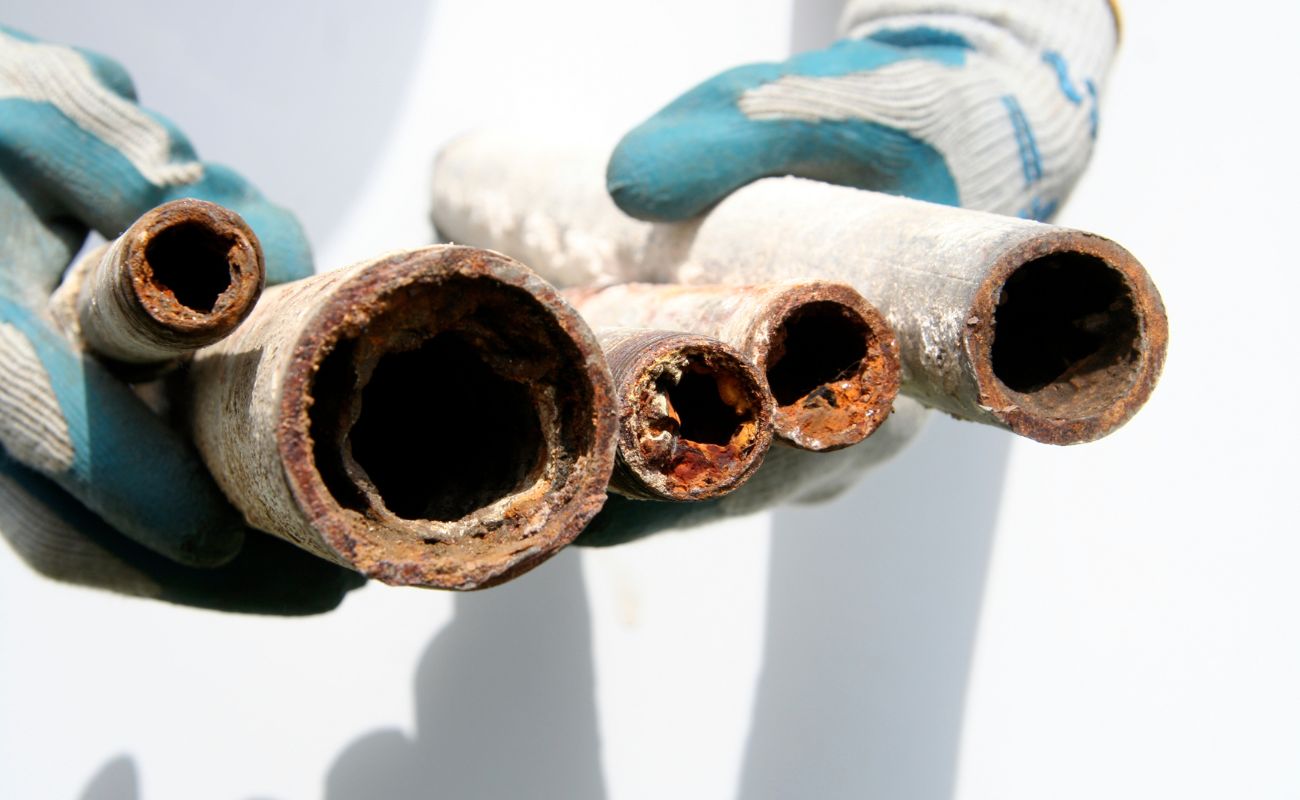
Arizona’s hard water leaves telltale signs when pipes begin failing. Brown or rust-colored water often indicates corroded galvanized steel pipes, while a metallic taste suggests pipe deterioration has reached advanced stages.
Recent emergency calls in Phoenix metro neighborhoods reveal a pattern. Homeowners report water quality changes months before major pipe failures. The mineral-heavy water common throughout Arizona accelerates corrosion in older metal pipes, creating sediment buildup that eventually breaks loose.
Yellow or discolored water after periods of non-use typically signals pipe corrosion. This happens frequently in Arizona vacation homes or properties that sit empty during summer months. The combination of high temperatures and mineral deposits creates ideal conditions for accelerated pipe degradation.
Pressure Problems That Signal Bigger Issues
Low water pressure throughout your home often indicates widespread pipe restriction. Arizona’s hard water creates mineral buildup that gradually reduces pipe diameter. What starts as slightly reduced pressure in one fixture can quickly spread throughout the entire system.
Inconsistent water pressure between fixtures suggests uneven pipe deterioration. Licensed plumbers in Arizona report that homes with mixed pipe materials – common in renovated properties – experience irregular pressure patterns as different pipe types age at different rates.
Water hammer or banging pipes can indicate loose pipe supports or pressure irregularities caused by partial blockages. Arizona’s temperature extremes cause pipes to expand and contract, loosening supports and creating noise issues that worsen over time.
Leak Patterns That Predict System Failure
Multiple small leaks appearing within a short timeframe often signal system-wide pipe deterioration. Arizona plumbers frequently encounter homes where fixing one leak reveals several others in adjacent areas. This clustering pattern typically indicates the entire system has reached end-of-life.
Pinhole leaks in copper pipes are particularly common in Arizona due to aggressive water chemistry. These tiny leaks can appear suddenly and multiply rapidly, causing significant water damage before homeowners realize the extent of the problem.
Slab leaks present unique challenges in Arizona’s predominantly concrete foundation construction. Signs include warm spots on floors, unexplained water bills, or the sound of running water when all fixtures are off. Early detection prevents costly foundation damage.
Arizona-Specific Pipe Problems
 How Desert Climate Accelerates Pipe Aging
Arizona’s extreme temperature swings create stress on plumbing systems that pipes in milder climates don’t experience. Summer ground temperatures can exceed 120°F, while winter nights occasionally drop below freezing. This constant expansion and contraction cycle weakens pipe joints and connections.
UV exposure affects above-ground pipes differently in Arizona’s intense sunlight. Pool equipment, exterior faucets, and exposed pipe runs deteriorate faster than similar installations in other regions. The combination of heat and UV radiation makes plastic pipes brittle and causes metal pipes to expand beyond design limits.
Arizona’s monsoon season creates additional challenges. Rapid temperature changes during storms can cause sudden pipe movement, stressing joints and connections. Properties in flood-prone areas may experience water table changes that affect underground pipes.
Water Chemistry Challenges Unique to Arizona
Arizona municipalities treat water with chloramines rather than chlorine, creating different corrosion patterns than homeowners might expect from other regions. Chloramines penetrate deeper into pipe walls, causing internal corrosion that’s difficult to detect until leaks appear.
High mineral content in Arizona water creates scaling that can actually protect pipes initially, but eventually restricts flow and increases pressure throughout the system. This protection-then-destruction cycle means pipes can appear fine for years before rapid deterioration begins.
Seasonal water quality variations affect pipe longevity differently across the state. Northern Arizona’s winter freeze-thaw cycles stress pipes differently than southern Arizona’s year-round heat. Understanding your local water treatment and seasonal patterns helps predict pipe replacement timing*.
Types of Pipes Found in Arizona Homes
Galvanized Steel Pipes in Older Homes
Most Arizona homes built before 1970 contain galvanized steel pipes that are now well beyond their expected 40-50 year lifespan*. These pipes corrode from the inside out, creating restrictions that reduce water pressure and quality long before visible leaks appear.
Galvanized pipes in Arizona homes often show accelerated corrosion due to aggressive water chemistry. The protective zinc coating deteriorates faster in high-mineral water, exposing steel to direct corrosion. Once this process begins, deterioration accelerates rapidly.
Threading connections in galvanized systems are particularly vulnerable in Arizona’s shifting soil conditions. Ground movement during monsoon seasons can stress these connections, causing leaks at joints even when the pipes themselves remain intact.
Copper Pipe Challenges in Arizona
Copper pipes installed in Arizona homes from 1970-2000 face unique challenges from local water chemistry. Type M copper, commonly used in residential construction, has thinner walls that are more susceptible to pinhole leaks from aggressive water.
Arizona’s water pH levels can cause copper pipe corrosion that manifests as blue-green stains around fixtures. This discoloration indicates active corrosion that will eventually lead to leaks. The process typically accelerates once it begins, making early detection crucial.
Electrolysis problems occur more frequently in Arizona homes due to grounding issues related to dry soil conditions. When copper pipes serve as electrical grounds, accelerated corrosion occurs at contact points, creating unexpected leak locations.
Modern Pipe Materials and Arizona Conditions
PEX piping has become the standard for Arizona repiping projects due to its flexibility and resistance to mineral buildup. However, early PEX installations using certain fittings have shown premature failures in Arizona’s heat, particularly in attic installations.
CPVC pipes work well in Arizona’s climate but require careful installation to accommodate thermal expansion. Improper support spacing can lead to sagging and joint stress as pipes expand in extreme heat.
PVC pipes work excellently for cold water applications but aren’t suitable for hot water in Arizona’s conditions. The combination of hot water and ambient heat can cause PVC to soften and fail prematurely.
Planning Your Arizona Home Repiping Project
Best Timing for Arizona Repiping
Arizona repiping projects are most comfortable for homeowners during fall and winter months when water shutoffs don’t create as much disruption to daily routines. However, emergency situations don’t wait for convenient timing, making proactive planning essential.
Monsoon season considerations affect project planning in several ways. Heavy rains can delay exterior work and complicate slab leak repairs. Planning repiping projects for spring or fall typically provides the most predictable weather conditions.
Summer repiping projects require special considerations for homeowner comfort and worker safety. Water shutoffs during extreme heat periods can be particularly disruptive, but experienced plumbers can minimize disruption through careful planning and efficient execution.
Whole House vs Partial Repiping Decisions
Partial repiping might seem cost-effective initially, but Arizona’s aggressive water conditions often make whole-house repiping the better long-term investment. When one section of pipe fails, other sections of similar age typically aren’t far behind.
Mixed pipe materials in partially repiped homes can create galvanic corrosion issues, particularly problematic in Arizona’s mineral-rich water. Connecting different metals can accelerate corrosion at transition points, creating new leak locations.
Zone-based repiping allows homeowners to prioritize critical areas like kitchens and bathrooms while planning for complete replacement over time. This approach works best when pipe failures are isolated rather than system-wide.
Material Selection for Arizona Conditions
PEX piping offers the best combination of durability, flexibility, and resistance to Arizona’s challenging water conditions. Cross-linked polyethylene won’t corrode, handles thermal expansion well, and resists mineral buildup that restricts other pipe materials.
Copper pipe selection requires careful consideration of type and thickness. Type L copper provides better longevity in Arizona conditions than Type M, particularly in areas with aggressive water chemistry. The additional cost often proves worthwhile over the system’s lifetime.
Pipe insulation becomes critical in Arizona installations, both for energy efficiency and pipe protection. Proper insulation prevents condensation issues in cooling seasons and reduces thermal stress on pipes during temperature extremes.
Cost Factors for Arizona Home Repiping
Variables That Affect Project Investment
Home size and layout significantly impact repiping costs, but Arizona-specific factors add complexity. Slab-on-grade construction requires different approaches than raised foundations, affecting both labor requirements and material access.
Permit requirements vary by municipality across Arizona. Phoenix, Scottsdale, and Tempe each have different permitting processes and inspection requirements that affect project timelines and costs. Understanding local requirements prevents delays and additional expenses.
According to the Plumbing-Heating-Cooling Contractors Association, regional material costs can vary significantly based on local supplier relationships and transportation factors*. Arizona’s distance from manufacturing centers can affect specialty pipe and fitting availability.
Access challenges unique to Arizona homes include reaching pipes in concrete slabs, navigating around pool equipment, and working in cramped crawl spaces with extreme temperatures. These factors can extend project timelines and increase labor requirements*.
Getting Accurate Arizona Repiping Estimates
Licensed Arizona plumbers must evaluate several unique factors when providing repiping estimates. Soil conditions, water table levels, and local building code requirements all affect project scope and pricing. Multiple quotes help homeowners understand the range of approaches and investments required.
Water testing results can significantly impact material recommendations and project costs. Homes with particularly aggressive water may require upgraded materials or additional protective measures that affect overall investment levels.
Timing flexibility can affect project costs, as emergency repiping typically costs more than planned replacements. Homeowners who can schedule projects during slower periods may find more competitive pricing and scheduling flexibility.
Financing Considerations for Major Plumbing Projects
Home equity loans often provide the most cost-effective financing for major repiping projects. The investment typically adds value to the home while solving critical infrastructure problems that could affect resale potential.
Some Arizona utility companies offer rebates or financing programs for water-saving upgrades, though these typically apply to fixture replacements rather than pipe replacement. Checking with local utilities can identify available programs.
Insurance considerations become important when aging pipes create water damage risks. Some insurance companies offer premium discounts for homes with recently updated plumbing systems, while others may require updates for policy renewals on older properties.
Working with Arizona Plumbing Professionals
Licensing and Qualification Requirements
Arizona requires plumbing contractors to maintain licenses through the Arizona Registrar of Contractors (https://www.azroc.gov/). Homeowners should verify current licensing status and any complaint history before hiring contractors for major repiping projects.
Licensed plumbers in Arizona must complete continuing education requirements that keep them current on code changes and best practices. This ongoing training becomes particularly important for complex repiping projects that require permits and inspections.
Bonding and insurance requirements protect homeowners during major plumbing projects. Arizona licensed contractors must maintain appropriate coverage levels, but homeowners should verify coverage before work begins on significant projects like whole-house repiping.
Questions to Ask Potential Contractors
Experience with Arizona-specific conditions should be a primary consideration when evaluating repiping contractors. Familiarity with local soil conditions, water chemistry, and building practices affects project success and long-term performance.
Warranty terms vary significantly between contractors and can affect long-term value. Understanding what’s covered, for how long, and under what conditions helps homeowners make informed decisions about contractor selection.
References from recent repiping projects provide insight into contractor reliability and work quality. Arizona homeowners should ask for references from projects completed within the past year, preferably in similar home types and neighborhood conditions.
Project Management and Communication Expectations
Arizona repiping projects typically require water shutoffs that can last several hours to multiple days depending on project scope*. Clear communication about timing, duration, and alternative arrangements helps minimize disruption to daily routines.
Dust control and workspace protection become particularly important in Arizona’s dry climate. Professional contractors should have procedures for containing construction dust and protecting home contents during extensive repiping work.
Daily cleanup and site security procedures should be established before work begins. Arizona’s weather conditions can create additional challenges for securing work sites and protecting exposed pipes during multi-day projects.
Preventing Future Pipe Problems
Water Treatment Solutions for Arizona Homes
Water softening systems can significantly extend pipe life in Arizona’s hard water conditions. Removing minerals that cause scaling and corrosion helps protect new pipes and reduces maintenance requirements on fixtures and appliances.
Whole-house filtration systems address specific water quality issues that can affect pipe longevity. Chloramine removal, pH adjustment, and sediment filtration can create water conditions that are less aggressive to plumbing systems.
Regular water testing helps homeowners monitor changes in water chemistry that might affect plumbing systems. Seasonal variations and municipal treatment changes can create conditions that require system adjustments or additional protective measures.
Maintenance Practices for Arizona Plumbing
Annual system inspections help identify developing problems before they become emergencies. Arizona homeowners should have plumbing systems checked each fall, before winter temperature fluctuations create additional stress on aging components.
Pressure monitoring throughout the home can identify restrictions or leaks before they cause significant damage. Simple pressure gauges attached to hose bibs provide early warning of developing problems in the distribution system.
Temperature and pressure relief valve testing on water heaters becomes particularly important in Arizona’s extreme heat. High ambient temperatures can cause relief valves to operate more frequently, potentially indicating system problems that require attention.
Long-term Planning for Plumbing Systems
Documenting pipe installation dates, materials, and warranty information helps with future maintenance and replacement planning. Arizona homeowners should maintain records that help predict when different system components might require attention.
Budget planning for eventual pipe replacement helps homeowners prepare for major expenses before they become emergencies. Setting aside funds annually for plumbing system maintenance and eventual replacement prevents financial stress when problems develop.
System monitoring technology can provide early warning of developing problems. Smart water monitors can detect unusual usage patterns that might indicate leaks, while pressure monitoring systems can identify developing restrictions or other problems.
Emergency Preparedness for Pipe Failures
Immediate Response to Pipe Emergencies
Arizona homeowners should know the location of their main water shutoff valve and how to operate it quickly during emergencies. Mineral buildup can make valves difficult to turn, so annual testing ensures they’ll function when needed.
Emergency contact information for licensed plumbers should be readily available, particularly during Arizona’s extreme weather periods when pipe failures are more likely. Established relationships with reliable contractors can reduce response times during emergencies.
Water damage prevention measures become critical in Arizona homes where rapid evaporation can concentrate minerals and create additional problems. Quick response to leaks prevents secondary damage that can be more costly than the original pipe repair.
Insurance and Documentation Considerations
Photographic documentation of plumbing systems, including pipe types, installation dates, and condition assessments, can be valuable for insurance claims if water damage occurs. Arizona homeowners should maintain current documentation of their plumbing infrastructure.
Understanding insurance coverage for water damage from pipe failures helps homeowners make informed decisions about deductibles and coverage levels. Some policies exclude damage from aging infrastructure, making proactive replacement more important.
Communication with insurance providers about planned repiping projects can sometimes result in premium reductions or coverage improvements. Updated plumbing systems typically reduce risk factors that insurance companies consider in their pricing.
All durations and cost ranges are provided for general guidance only. Actual schedule and investment will be set forth in the final written agreement and may change based on the approved scope of work, site conditions, permit requirements, and material availability.
Take Action Before Pipe Problems Become Emergencies
Arizona homeowners dealing with aging plumbing systems have an advantage when they plan ahead rather than wait for emergency situations. The warning signs discussed in this guide provide opportunities to address problems proactively, potentially saving thousands in water damage and emergency repair costs.
Professional evaluation of your home’s plumbing system can identify developing problems and help prioritize repairs based on risk and budget considerations. Licensed Arizona plumbers understand the unique challenges that desert conditions create for plumbing systems and can provide guidance specific to your home’s needs.
Whether you’re noticing early warning signs or simply want to understand your home’s plumbing timeline, professional consultation provides the information needed to make informed decisions about your plumbing system’s future.
For expert guidance on Arizona home repiping and emergency plumbing services, contact Rapid Fire Plumbing at (623) 810-6166. Our licensed technicians understand Arizona’s unique plumbing challenges and provide reliable solutions for homes throughout the metro area.
