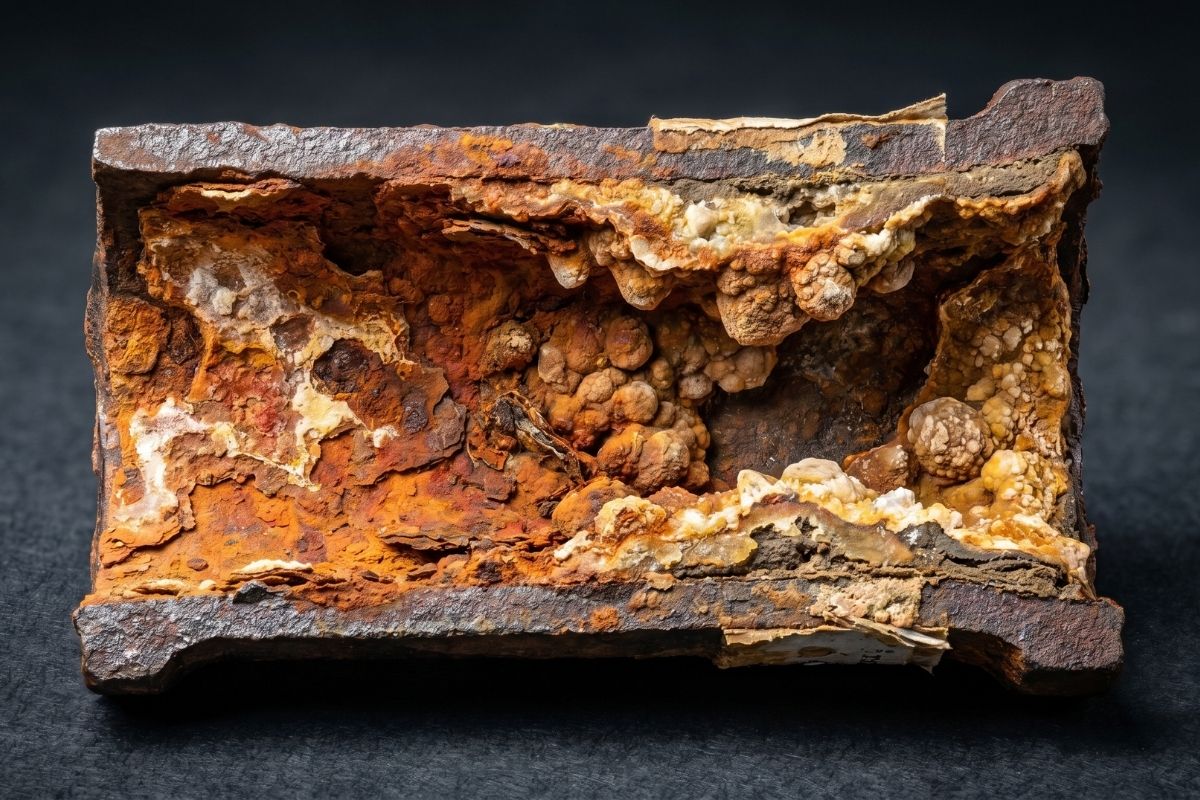
Pipe corrosion directly reduces water pressure by creating internal rust, mineral scaling, and tuberculation that steadily shrinks the inner diameter of plumbing lines. As the pipe’s internal space narrows, water friction increases and flow capacity is restricted, resulting in noticeably lower hydrostatic pressure at your fixtures. Over decades, this chemical and physical deterioration can reduce a pipe’s effective diameter by over 50 percent, transforming a robust water supply into a weak, sputtering flow that ultimately requires comprehensive Repiping Services Phoenix to safely resolve.
Key Takeaways
-
Internal Blockages: Corrosion creates uneven, rust-filled internal surfaces (tuberculation) that restrict water volume and increase friction.
-
The Phoenix Hard Water Factor: The municipal water supply in the Valley is notoriously hard, accelerating mineral scaling which compounds traditional metal corrosion.
-
Material Vulnerability: Galvanized steel pipes are the most susceptible to pressure-reducing corrosion, typically failing within 40 to 50 years.
-
Systemic Warning Signs: Discolored water, frequent clogs, and unexplainable pressure drops are primary indicators of degrading infrastructure.
-
Effective Solutions: Whole-home repiping and the installation of water softening systems are the most reliable methods to restore pressure and protect new plumbing.
Understanding the Link Between Deteriorating Pipes and Flow Rate
To understand why aging infrastructure causes plumbing frustrations, it is essential to look at the fluid dynamics occurring behind your walls. Standard residential plumbing relies on a delicate balance of volume, flow rate, and pressure. When water travels through a brand-new, smooth pipe, it faces minimal resistance. The municipal supply enters the home at a standard pressure—typically between 40 and 60 Pounds per Square Inch (PSI)—and reaches your faucets with minimal energy loss.
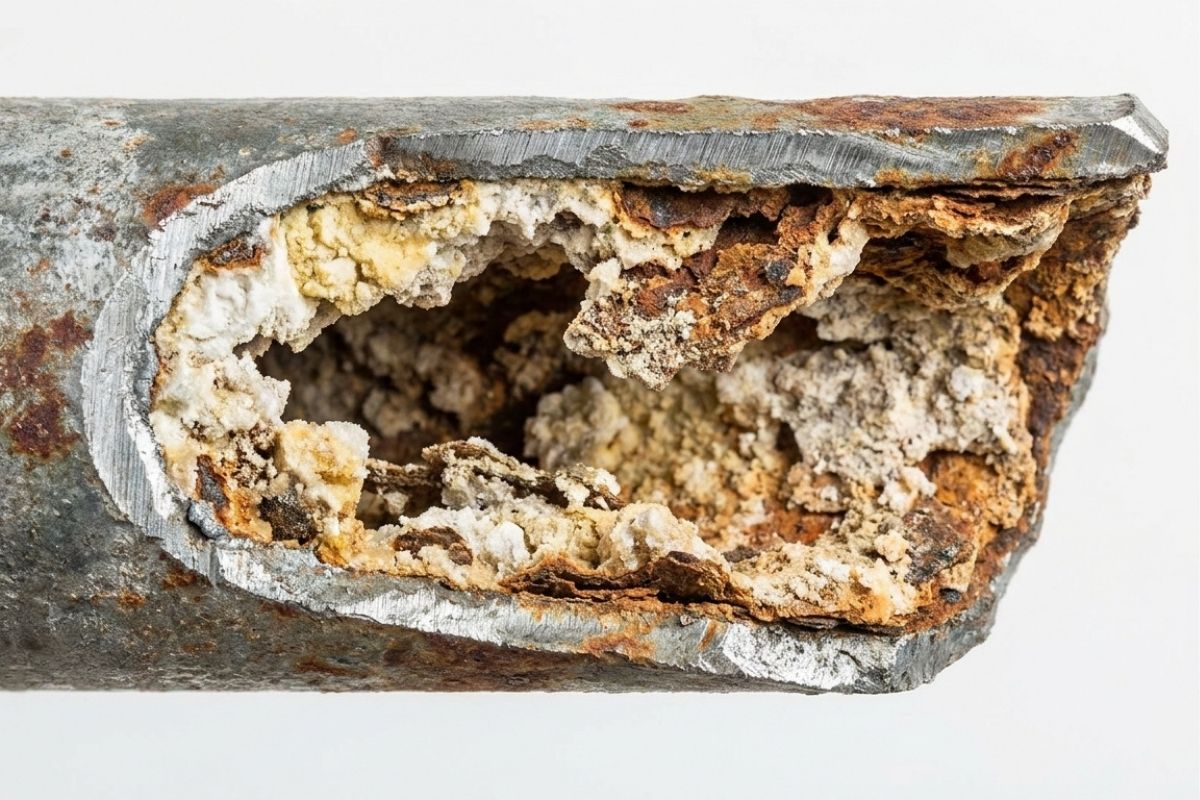
However, as pipes age, the metal reacts with the oxygen and minerals in the water. This reaction creates oxidation. Over time, layers of rust and mineral deposits accumulate along the inner walls of the plumbing lines. This buildup does not happen smoothly; it forms jagged, uneven mounds known as tuberculation. These internal obstructions serve a dual blow to your plumbing system: they physically narrow the passageway (reducing water volume) and create a rough surface that disrupts the smooth flow of water (increasing friction). By the time you notice a drop in performance at the showerhead, the interior of your pipes may be severely compromised.
According to the Environmental Protection Agency (EPA), “Corrosion is the dissolving or wearing away of metal caused by a chemical reaction between water and your plumbing.” As this wearing away occurs, the byproducts of the metal remain trapped inside the system, adhering to the walls and slowly choking off the water supply.
The Phoenix Environment: Why Local Water Accelerates Damage
Plumbing deterioration is a universal issue, but homeowners in the Valley face a unique set of environmental challenges. The municipal water in the region is drawn heavily from the Salt River Project (SRP) and the Central Arizona Project (CAP), both of which transport water over long distances through mineral-rich geological formations. As a result, the region possesses some of the hardest water in the nation.
Research from the U.S. Geological Survey (USGS) categorizes water hardness based on the concentration of dissolved calcium and magnesium. While water is considered “very hard” at anything over 10.5 grains per gallon (GPG), municipal reports often place local hardness levels between 12 and 17 GPG. When this calcium-heavy water meets aging metal pipes, it creates a perfect storm for scaling. The minerals bake onto the internal pipe walls, acting as a catalyst for galvanic corrosion and expediting the decay of the metal infrastructure.
In 2026, as many mid-century and late-century neighborhoods in the area reach the end of their original plumbing lifespans, recognizing these top plumbing issues faced by homeowners in Phoenix is more critical than ever. The extreme summer heat also warms the cold water supply lines, and chemical reactions—including mineral precipitation and oxidation—occur faster at higher temperatures.
The Mechanics of Tuberculation and Scaling
Not all pipe damage looks the same. The type of restriction you experience depends heavily on the chemical reactions taking place inside your specific plumbing materials. The two most common culprits responsible for flow restriction are tuberculation and calcium scaling.
Tuberculation: This phenomenon is almost entirely exclusive to cast iron and galvanized steel pipes. It manifests as reddish-brown, iron-oxide mounds that grow inward from the pipe wall. According to the American Water Works Association (AWWA), tuberculation can increase the hydraulic roughness of a pipe dramatically, creating microscopic eddies and turbulence that destroy water velocity before it ever reaches your fixture.
Mineral Scaling: Unlike tuberculation, which is the pipe itself rusting, scaling is the deposition of external minerals (calcium and magnesium) onto the pipe walls. This affects copper and even modern synthetic pipes if the water hardness is severe enough. Over years of use, a half-inch pipe can be reduced to a quarter-inch opening purely through the gradual layering of hardened mineral scale.
Homeowners who frequently search for how to troubleshoot low water pressure in your home often discover that the root cause is not a failing municipal supply, but rather these internal, hidden blockages.
Pipe Materials Compared: Lifespans and Vulnerabilities
The severity of your flow restrictions will largely depend on when your home was built and the materials used by the original contractors. Below is a comparison of standard plumbing materials and their susceptibility to pressure-reducing decay.
| Pipe Material | Average Lifespan | Vulnerability to Corrosion | Impact on Water Pressure |
|---|---|---|---|
| Galvanized Steel | 40 – 50 Years | Extremely High (Rust & Tuberculation) | Severe. Pipes close inward, choking off water flow drastically in their later years. |
| Copper | 50 – 70+ Years | Moderate (Pitting & Scaling) | Moderate. While copper resists rust, hard water can cause scale buildup and pinhole leaks that drop system pressure. |
| PEX / CPVC | 50+ Years | Low (Immune to Rust) | Minimal. Synthetic materials do not corrode, though severe hard water can still leave minor mineral deposits on fittings. |
If your property was built before the 1990s and still relies on original galvanized lines, you are highly likely to experience advanced stages of tuberculation. Learning how to know when its time to replace your pipes can save you from catastrophic system failures and severe water damage.
5 Signs Your Low Pressure is a Symptom of Corrosion
It can be difficult to differentiate between a municipal supply issue, a localized fixture clog, and a systemic infrastructure failure. Here are the five definitive signs that deteriorating metal is the culprit behind your weak showers and slow-filling appliances.
- Discolored Water: If your water occasionally runs brown, orange, or yellow—especially first thing in the morning—this is dissolved iron oxide entering your water stream from rusting pipes.
- Gradual Pressure Loss Over Time: Unlike a sudden pressure drop caused by a municipal main break, corrosion causes a slow, agonizing reduction in performance over several months or years.
- Sputtering Faucets: Air pockets get trapped in the uneven, tuberculated ridges of deteriorating pipes, causing faucets to spit and sputter when turned on.
- Frequent Clogs and Pinhole Leaks: As metal degrades, the walls thin out. You may experience unexplained damp spots behind walls or under cabinets, signaling that the structural integrity of the line is compromised.
- Uneven Pressure Distribution: If the cold water flows fine but the hot water struggles, or if the guest bathroom has high pressure while the master bath has a trickle, the internal blockage is likely localized in specific branches of your plumbing tree.
Step-by-Step: How to Troubleshoot Flow Restrictions
Before assuming you need a total home repipe, it is important to accurately diagnose the source of the flow restriction. Follow these professional diagnostic steps:
- Check the Pressure Reducing Valve (PRV): Locate your home’s PRV, usually found near the main water shutoff valve. If this component fails, it can drastically limit pressure to the entire home regardless of pipe health.
- Test Multiple Fixtures: Turn on faucets in different rooms. If only one faucet is slow, the aerator is likely clogged with mineral scale. If all faucets are weak, the issue is systemic.
- Inspect Exposed Plumbing: Examine any visible pipes in your attic, basement, or utility closet. Look for white, chalky mineral deposits on the exterior of copper joints, or heavy rust on steel fittings. These are clear early signs of hard water damage in your plumbing.
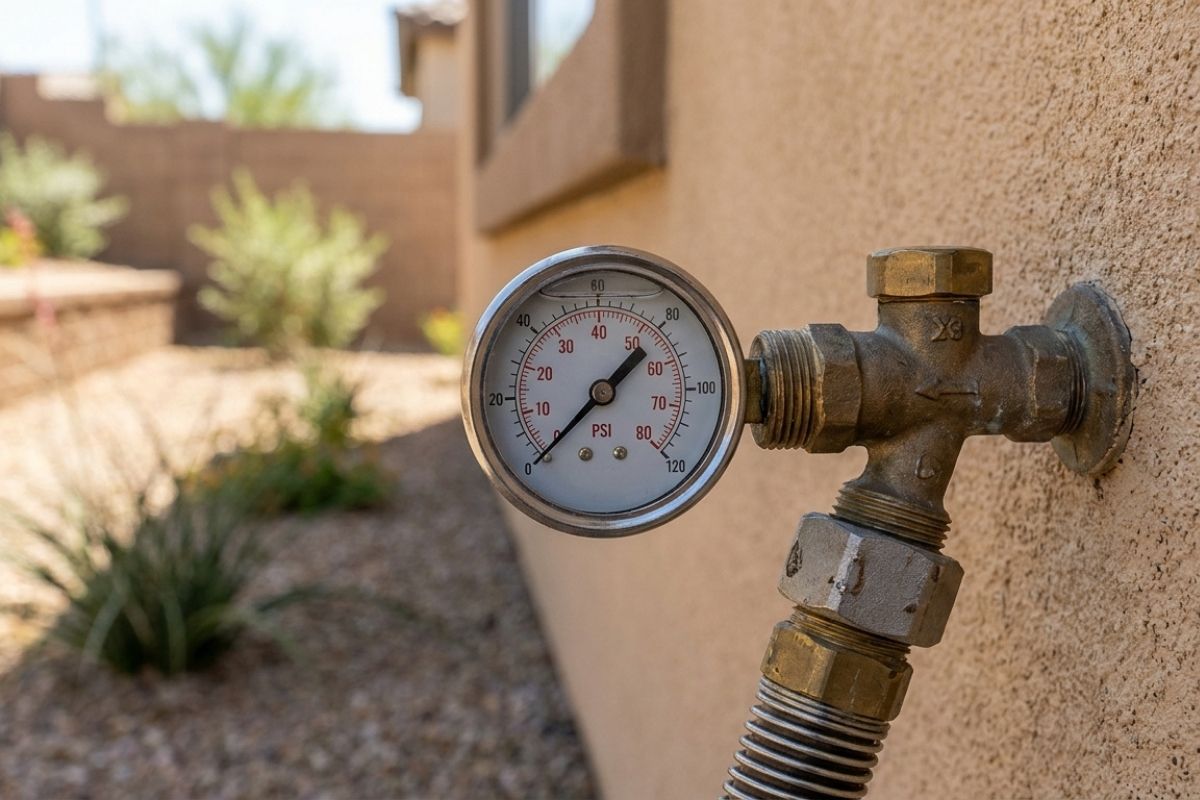
- Use a Pressure Gauge: Attach a standard pressure gauge to an unregulated outdoor hose bib. Turn the water on fully. A healthy system in 2026 should read between 40 and 60 PSI. If the reading is normal but indoor flow is weak, internal pipe restriction is almost certainly the cause.
- Schedule a Professional Camera Inspection: The only definitive way to view the internal diameter of your pipes is to have a licensed plumber insert a fiber-optic camera into the lines to evaluate the level of scaling and rust.
Strategic Solutions for Homeowners in 2026
Once internal decay has taken hold, no amount of liquid drain cleaner or chemical flushing will restore the physical metal. In fact, harsh chemicals often accelerate the decay, eating through the remaining thin metal and causing major leaks. The National Association of Home Builders (NAHB) recommends proactive replacement of plumbing systems that have exceeded their engineered lifespans.
For homes suffering from severe pressure loss due to deteriorating lines, repiping is the only permanent solution. Modern repiping utilizing PEX (cross-linked polyethylene) completely eliminates the risk of future rust and tuberculation. Because PEX is flexible and smooth, it offers less friction loss than rigid metal, often resulting in an immediate and dramatic increase in water pressure at the tap.
To protect a new plumbing system—or to extend the life of moderately scaled copper pipes—investing in water treatment is essential. Installing a whole-home water softener removes the calcium and magnesium before it enters your primary plumbing manifold. Understanding the benefits of installing a water softener in Phoenix homes is crucial for long-term infrastructure preservation, as it stops the rapid scaling process entirely.
The Hidden Costs of Ignoring the Problem
Tolerating weak showers is only the beginning. When internal blockages restrict flow, the resulting localized pressure spikes place immense strain on pipe joints and valves. The water is forced to navigate narrow, jagged passages, which increases the likelihood of a catastrophic burst.
Ignoring these warnings frequently leads to extensive water damage, mold remediation, and emergency service calls. The financial toll of a flooded home far exceeds the cost of scheduled, preventative repiping. Furthermore, heavily scaled pipes force your water heater to work exponentially harder to push water through the home, driving up monthly utility bills. Staying informed on why regular plumbing inspections are crucial for Phoenix homes is the best defense against these hidden costs.
Frequently Asked Questions
Can cleaning the pipes restore my water pressure?
No. Once a metal pipe has significantly corroded or tuberculated, the physical structure of the metal is permanently altered. Cleaning cannot restore rusted metal; replacement is required.
Does a water softener reverse existing pipe scaling?
While a water softener will completely stop new calcium and magnesium scale from forming, it cannot significantly reverse decades of hardened, existing scale. However, it will prevent the condition from worsening.
How long do galvanized pipes last in hard water areas?
Galvanized pipes typically have a lifespan of 40 to 50 years. In regions with aggressive, hard water, this lifespan is often shortened, and severe pressure issues may manifest around the 30-year mark.
Will repiping my entire house increase my water pressure?
Yes. Removing restricted, deteriorated lines and replacing them with smooth, modern PEX or copper restores the full internal diameter of your plumbing system, allowing water to flow at maximum municipal pressure.
Are there health risks associated with corroded pipes?
Yes. While iron oxide (rust) is generally not highly toxic, deteriorating pipes can harbor bacteria in their rough internal ridges. Furthermore, if older systems contain lead solder, corrosion can cause dangerous lead leaching into your drinking water.
Conclusion
Dealing with poor water flow is a frustrating daily experience, but understanding the underlying mechanics of pipe deterioration empowers you to make informed decisions about your home’s infrastructure. In a region known for its aggressive water chemistry, ignoring the slow decline of your plumbing system will only lead to more severe leaks and costlier repairs. Whether you are dealing with early signs of scale buildup or the advanced stages of galvanized tuberculation, taking proactive steps in 2026 to update your system is an investment in your property’s safety and value. If you suspect your home is suffering from degraded plumbing and restricted flow, do not wait for a pipe to burst. Contact us today to schedule a comprehensive plumbing inspection and pressure test.
References
- Environmental Protection Agency (EPA) – Guidelines on drinking water infrastructure and corrosion control.
- U.S. Geological Survey (USGS) – National data on regional water hardness and mineral concentrations.
- American Water Works Association (AWWA) – Research on tuberculation, hydraulic friction, and municipal pipe longevity.
- National Association of Home Builders (NAHB) – Standards for residential plumbing lifespans and material recommendations.
- City of Phoenix Water Services – Municipal reports on local water sources, treatment, and infrastructure maintenance.
