
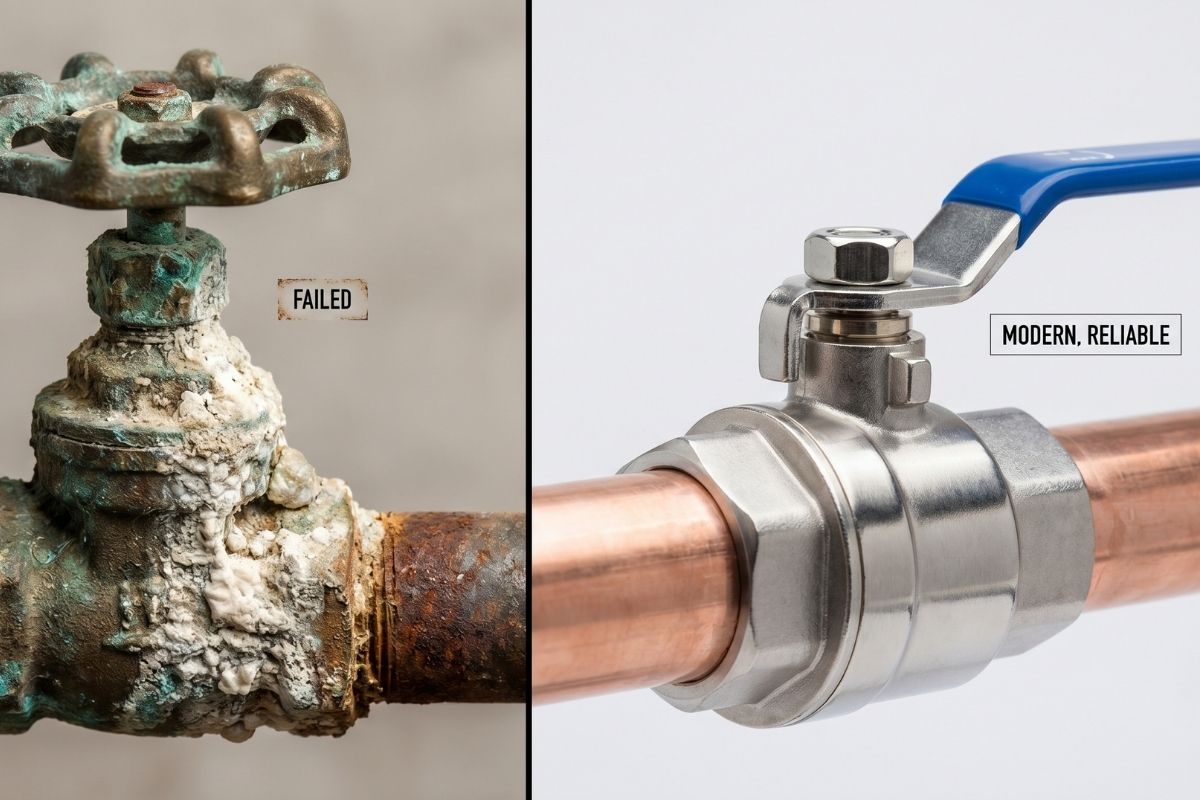
Older shut-off valves typically fail without warning because continuous exposure to hard water accelerates internal mineral scale buildup, while internal rubber washers become brittle over time. In cities with exceptionally hard water, the internal mechanisms of multi-turn gate valves calcify, causing them to completely seize up, snap, or leak profusely when a homeowner suddenly attempts to turn them during an emergency. Scheduling a professional Leak Detection Phoenix service can help identify these hidden vulnerabilities before they cause systemic damage. Upgrading to modern quarter-turn stainless steel ball valves is the most reliable and immediate way to prevent sudden catastrophic water damage and ensure plumbing resiliency.
Key Takeaways
-
Mechanism of Failure: Traditional multi-turn valves utilize rubber washers and threaded stems that degrade, calcify, and snap under pressure.
-
Water Quality Impact: Water hardness exceeding 12 Grains Per Gallon (GPG) acts as a catalyst for rapid mineral accumulation inside plumbing fixtures.
-
The Modern Solution: Quarter-turn ball valves offer a 90-degree operation mechanism that slices through scale buildup, dramatically increasing reliability.
-
Lifespan Discrepancy: While older gate valves typically fail within 10 to 15 years, modern Teflon-seated ball valves can easily exceed 20 years of functional life.
-
Financial Protection: Replacing outdated valves proactively mitigates the risk of catastrophic flooding, preventing thousands of dollars in secondary property damage.
The Hidden Mechanics of Sudden Plumbing Fixture Failure
To understand why older shut-off valves fail, one must examine their mechanical design. Historically, residential properties were equipped with multi-turn gate or globe valves. These fixtures require the user to rotate a handle several times to lower a brass or plastic gate—often sealed with an EPDM (ethylene propylene diene monomer) rubber washer—into the path of the water flow.
Over a span of 10 to 15 years, two distinct chemical and mechanical breakdowns occur. First, the rubber washer loses its elasticity, becoming brittle and prone to disintegration. Second, the threaded brass stem is subjected to galvanic corrosion and dezincification. Dezincification is a process where the zinc is leached out of the brass alloy, leaving behind a weak, porous copper structure. When a homeowner applies torque to a seized multi-turn handle during a frantic attempt to stop a leak, the weakened internal stem frequently snaps in half. This severs the connection between the handle and the gate, leaving the valve permanently stuck in the open position.
As the Environmental Protection Agency (EPA) notes regarding residential water systems, even small mechanical failures have massive consequences: “Household leaks can waste approximately 900 billion gallons of water annually nationwide.” A valve that cannot be shut off transforms a minor leak into a major localized flood within minutes.
How Environmental Factors Accelerate Valve Deterioration
The local environment plays an oversized role in the lifespan of plumbing infrastructure. Specifically, homeowners must contend with severe water hardness levels. The United States Geological Survey (USGS) states that water is considered “hard” when it contains dissolved calcium and magnesium concentrations exceeding 120 milligrams per liter (mg/L). In many arid metropolitan areas, municipal water supplies regularly test between 12 and 22 Grains Per Gallon (GPG), placing them in the “extremely hard” category.
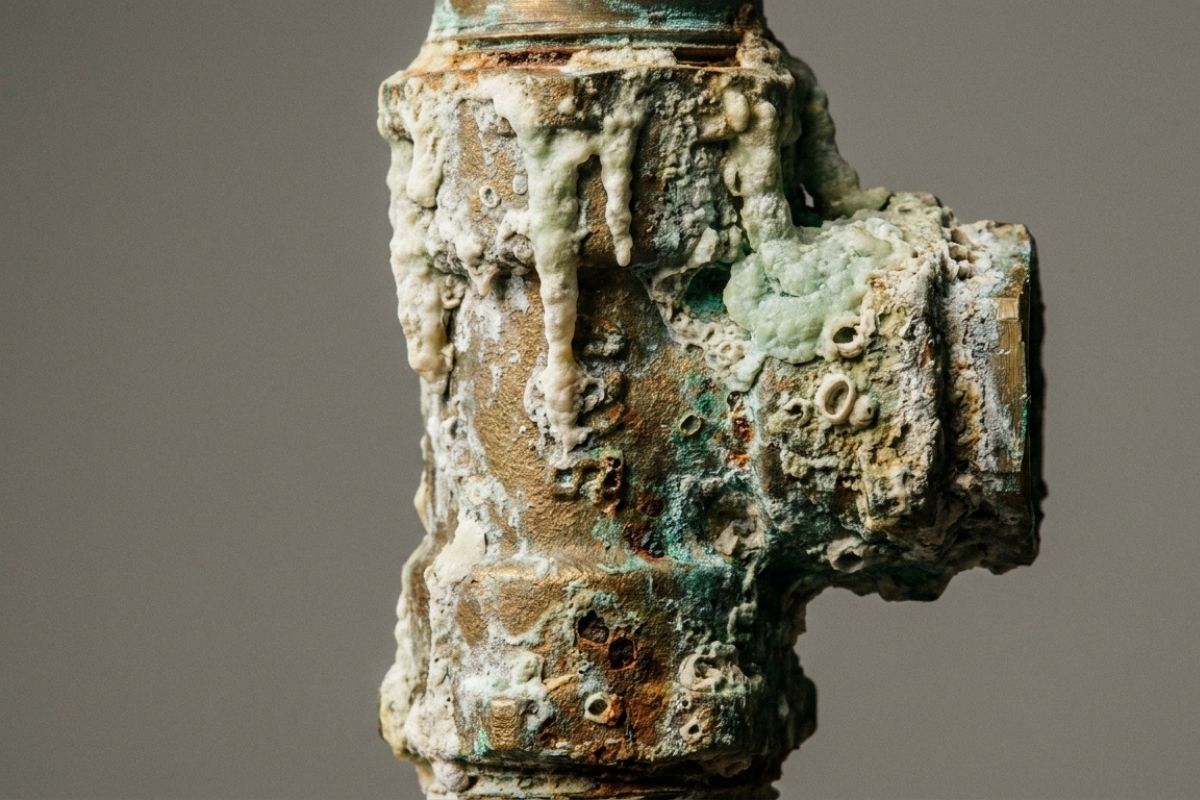
When this mineral-dense water flows through the narrow aperture of a shut-off valve, microscopic deposits of calcium carbonate precipitate out of the water and adhere to the internal brass walls. Over time, this scale buildup forms a concrete-like obstruction. Because traditional multi-turn valves remain in the “open” position for years without being exercised, the scale effectively fuses the threaded stem to the valve body. This phenomenon is one of the most common plumbing issues faced by homeowners in Phoenix and similar desert climates.
Furthermore, extreme ambient temperatures in the Southwest exacerbate plumbing stress. Heat causes thermal expansion within pipes and fixtures, putting additional strain on rigid, calcified joints. Understanding how the Arizona heat affects your plumbing system is crucial for recognizing why components fail prematurely. To combat this mineral accumulation, many experts advocate for installing a water softener in Phoenix homes, which actively removes calcium and magnesium ions before they reach vulnerable fixtures.
Multi-Turn vs. Quarter-Turn Shut-Off Valves: A Technical Comparison
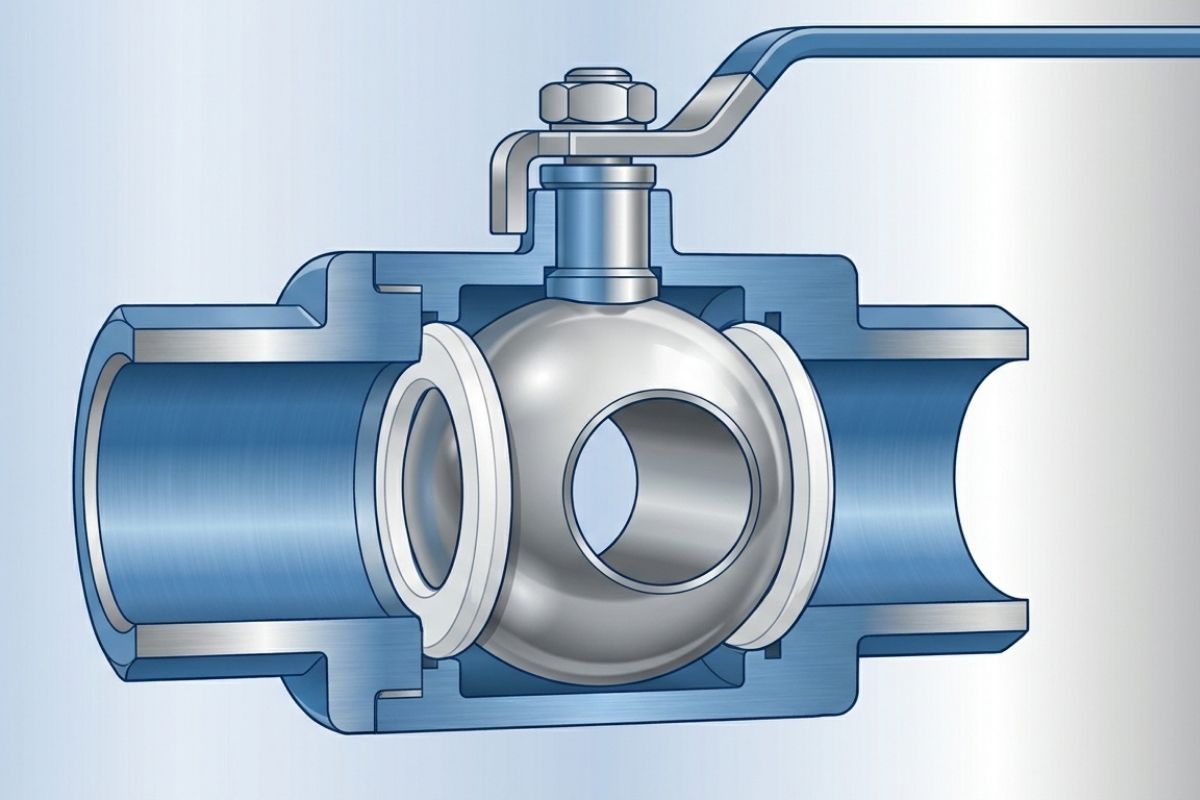
By 2026, the plumbing industry has universally shifted away from multi-turn valves in favor of quarter-turn ball valves for residential shut-offs. The difference in reliability and engineering is stark. A quarter-turn ball valve contains a polished stainless steel or brass sphere with a hole cored through the center. This sphere sits tightly between two self-lubricating Teflon (PTFE) seats. A simple 90-degree turn of the handle rotates the ball, completely aligning the solid wall of the sphere against the water flow.
| Feature | Multi-Turn (Gate) Valve | Quarter-Turn (Ball) Valve |
|---|---|---|
| Internal Mechanism | Threaded stem with rubber washer | Solid sphere with Teflon seats |
| Operation Action | 3 to 5 full rotations | Quick 90-degree motion |
| Scale Resistance | Poor (Prone to seizing) | Excellent (Slices through scale) |
| Average Lifespan | 10 – 15 Years | 20+ Years |
| Failure Mode | Stem snaps or leaks profusely | Gradual stiffness over decades |
Because the internal ball rubs against the Teflon seats during rotation, it effectively wipes away minor mineral deposits every time it is used. This self-cleaning action makes ball valves fundamentally superior in hard water environments. If you are assessing older properties, knowing time to replace your pipes and fixtures is an essential part of preventative maintenance.
Recognizing the Silent Signs of Imminent Failure
Homeowners often assume a valve is functional simply because it is not actively leaking onto the floor. However, deterioration is usually silent and progressive. Visual inspections can reveal critical warning signs before a catastrophic failure occurs.
Look closely at the packing nut located directly beneath the handle. A powdery white or green crust indicates micro-leaks. As water escapes at a microscopic level, it evaporates, leaving behind crystallized mineral deposits. Another red flag is immense resistance when attempting to turn the handle. If a valve requires two hands or tools to turn, the internal threads are compromised. Forcing it will almost certainly break the stem.
The EPA warns that “Ten percent of homes have leaks that waste 90 gallons or more per day.” While this primarily points to running toilets and dripping faucets, a weeping shut-off valve behind a washing machine or beneath a vanity sink contributes significantly to this undetected waste. Understanding the hidden costs of ignoring minor plumbing leaks can motivate homeowners to address stiff valves before they rupture completely.
The Process of Upgrading: A Professional Protocol
Replacing seized or calcified valves is a precise operation that requires specific tools and a clear methodology. While amateur attempts can result in crushed pipes or hidden wall leaks, a licensed professional follows a strict, code-compliant sequence. Being aware of the risks of DIY plumbing work underscores why these steps are best left to experts.
- System Depressurization: The main municipal water supply is deactivated at the street meter. The lowest faucet in the home is opened to drain residual water and relieve standing pressure (which typically sits between 40 and 60 PSI).
- Precision Cutting: Using a specialized copper tubing cutter, the technician amputates the old valve. Hacksaws are strictly avoided, as they leave jagged burrs that damage the new internal seals and create turbulent water flow.
- Pipe Preparation: The exposed pipe is thoroughly deburred, reamed, and sanded. For copper pipes, any oxidation must be removed using emery cloth to ensure a flawless connection surface.
- Valve Installation: The new quarter-turn ball valve is seated. In 2026, professionals utilize cold-press technology (such as ProPress fittings) or traditional sweat soldering. If threaded iron pipes are present, premium PTFE tape and non-hardening pipe dope are applied to prevent galling.
- Pressure Testing: The main supply is slowly restored to prevent water hammer. The new connection is inspected under peak hydrostatic pressure (often up to 80 PSI) to verify total integrity.
The Role of Water Pressure in Premature Deterioration
Beyond water hardness, excessive municipal water pressure is a leading culprit behind sudden plumbing component failures. While the International Plumbing Code (IPC) mandates that standard residential water pressure should not exceed 80 PSI, municipal supplies frequently push water to homes at 100 to 120 PSI to compensate for high elevation or immense local demand.
When high-velocity water is suddenly halted by a closing valve—such as an automated washing machine solenoid—it creates a shockwave known as “water hammer.” This kinetic energy bounces back through the pipes, slamming against the nearest manual shut-off valve. Over the years, this constant hammering weakens the packing nuts, distorts rubber seals, and stresses the brass housing. If you are forced to handle a plumbing emergency involving a burst supply line, it is frequently due to a combination of old, degraded materials and unmitigated high pressure.
According to safety and installation standards established by the International Code Council (ICC), a pressure-reducing valve (PRV) should be installed on the main incoming water line if local pressure exceeds 80 PSI. This single installation protects all downstream fixtures, ensuring that newly replaced shut-off valves reach their maximum 20-year lifespan without suffering mechanical trauma.
Preventative Maintenance: Extending Fixture Lifespan
Even modern, high-quality plumbing fixtures require basic maintenance to prevent environmental degradation. The most effective maintenance strategy is incredibly simple yet rarely performed: routine exercising.
Experts recommend exercising all isolation valves beneath sinks, behind toilets, and at the water heater at least twice a year. By turning the handle off and immediately back on, homeowners physically break down any microscopic scale that has begun to accumulate. This preventative action ensures that the internal sphere remains mobile and the Teflon seats stay clear of debris. Furthermore, maintaining an awareness of your water quality through annual inspections will alert you to shifting hardness levels or pressure spikes before they compromise the infrastructure.
Frequently Asked Questions (FAQ)
Why does my water shut-off valve just spin without stopping the water?
When a valve handle spins freely, the internal stem has snapped off from the gate mechanism. This usually occurs because scale buildup seized the gate, and the rotational force applied to the handle sheared the weakened brass stem.
How much water does a leaking shut-off valve waste?
According to the EPA, average household leaks can waste 10,000 gallons of water per year. A single steadily dripping valve can contribute several gallons a day, increasing utility bills and causing localized mold growth.
Are push-to-connect (SharkBite) fittings reliable for permanent shut-off valves?
While push-to-connect fittings are code-approved in many jurisdictions and excellent for temporary emergency repairs, most licensed plumbers prefer soldered or mechanically pressed (ProPress) fittings. These offer greater long-term durability in permanent residential applications.
How often should I replace the main shut-off valve to my house?
If your home still has a multi-turn gate valve on the main line, it should be preemptively replaced if it is over 15 years old. If it is already a modern quarter-turn ball valve, it can easily last 20 to 25 years with routine exercising.
Can hard water be treated to prevent valve failure?
Yes. Installing a whole-home water softening system removes the calcium and magnesium ions responsible for scale buildup. This dramatically reduces calcification, extending the lifespan of valves, water heaters, and appliances.
Conclusion
Older multi-turn shut-off valves are structural liabilities quietly deteriorating under the relentless pressure of hard water and time. By understanding the mechanics of dezincification, scale accumulation, and rubber degradation, homeowners can appreciate why these fixtures fail without warning. Upgrading to modern quarter-turn ball valves is a vital investment in your property’s safety and resilience, safeguarding against catastrophic flooding when emergencies strike.
Do not wait for an active leak to discover that your valves have seized. If your home has aging plumbing fixtures that are difficult to turn or showing signs of corrosion, professional intervention is necessary. Contact us today to schedule a comprehensive inspection and upgrade your vulnerable plumbing systems before they fail.
References
- Environmental Protection Agency (EPA) – WaterSense Statistics and Household Leak Data
- United States Geological Survey (USGS) – Water Hardness and Quality Metrics
- City of Phoenix Water Services Department – Municipal Water Supply Reports
- International Code Council (ICC) – International Plumbing Code (IPC) Standards
