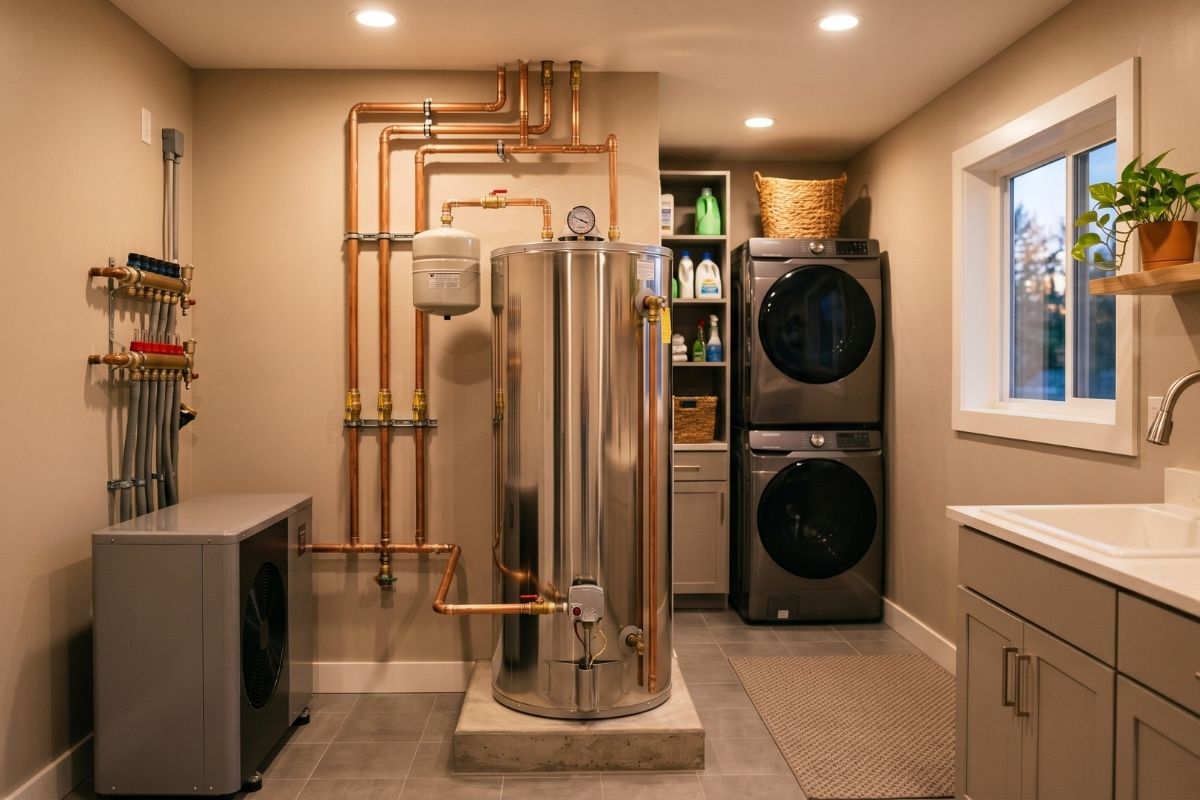
You can tell if a water heating system is about to fail by monitoring for sudden drops in water temperature, rusty or discolored water flowing from your hot taps, unusual rumbling or popping noises from the tank, and visible pooling water around the base of the unit. Standard traditional tank systems generally last between eight to twelve years, meaning any appliance approaching this age requires close observation for these critical warning indicators. Recognizing these signs early allows you to schedule timely Water Heater Repair services, preventing catastrophic tank bursts and minimizing the risk of severe structural water damage to your property.
Key Takeaways
-
Age is the primary factor: Most conventional tank water heaters fail between 8 and 12 years of age.
-
Noise indicates sediment: Rumbling or popping sounds are caused by boiling water trapped under hardened calcium sediment at the bottom of the tank.
-
Rust implies internal corrosion: If hot water appears orange or rusty, the internal lining of your tank is likely failing.
-
Leaks are critical: Any visible water pooling around the tank base is an immediate red flag that structural integrity has been compromised.
-
Climate plays a role: The high mineral content in certain regions drastically accelerates wear and tear on plumbing appliances.
The Lifespan of a Water Heater in High-Mineral Environments
Before exploring specific failure symptoms, it is essential to understand how environmental factors dictate the longevity of your plumbing appliances. As of 2026, modern manufacturing standards have improved the baseline durability of these units, but local water quality remains a dominant variable. The United States Geological Survey classifies water with more than 180 milligrams of calcium carbonate per liter as “very hard.” Homes in regions like the desert Southwest frequently exceed this threshold, exposing internal plumbing to aggressive scaling.
Hard water accelerates the degradation of the sacrificial anode rod—a crucial internal component designed to attract corrosive elements away from the steel tank walls. Once this rod is completely depleted, galvanic corrosion attacks the tank itself. If you live in an area with aggressive hard water, top plumbing issues faced by homeowners often revolve around premature appliance failure. Without proactive maintenance, a system rated for twelve years may begin showing severe signs of failure at year six.
Addressing these environmental challenges through installing a water softening system drastically improves the operational lifespan of your heating appliances by removing the microscopic rocks and minerals before they enter the unit.
5 Warning Signs Your Water Heater Is Failing
Plumbing systems rarely fail without providing advance notice. By recognizing the early symptoms of system distress, property owners can transition smoothly to a new appliance rather than facing an emergency flood scenario.
1. Fluctuating Water Temperatures
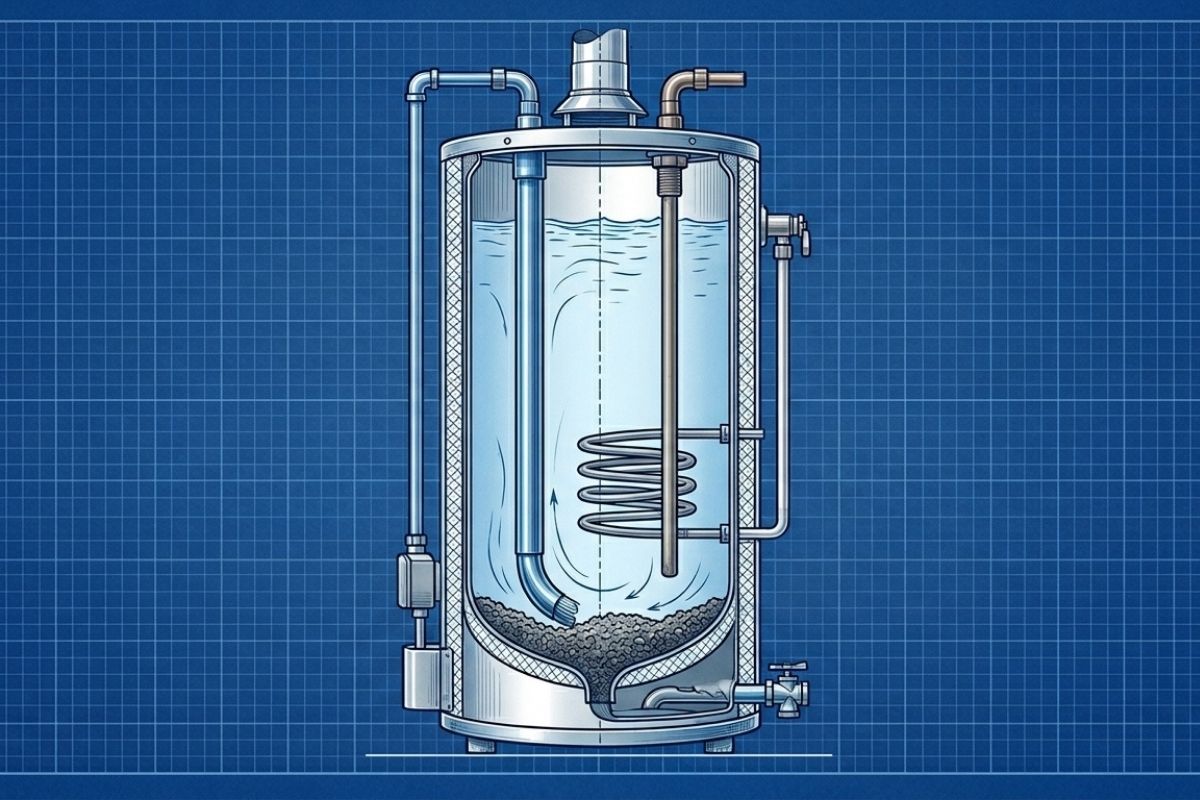
The most immediate and noticeable sign of an impending failure is a sudden inability to maintain consistent thermal regulation. If your morning showers unexpectedly fluctuate between scalding hot and freezing cold, the internal dip tube or the heating elements are likely compromised. The dip tube directs cold incoming water to the bottom of the tank for heating. When it fractures or disintegrates, cold water mixes directly with the hot water exiting the top of the tank, resulting in lukewarm output.
2. Rusty or Discolored Water
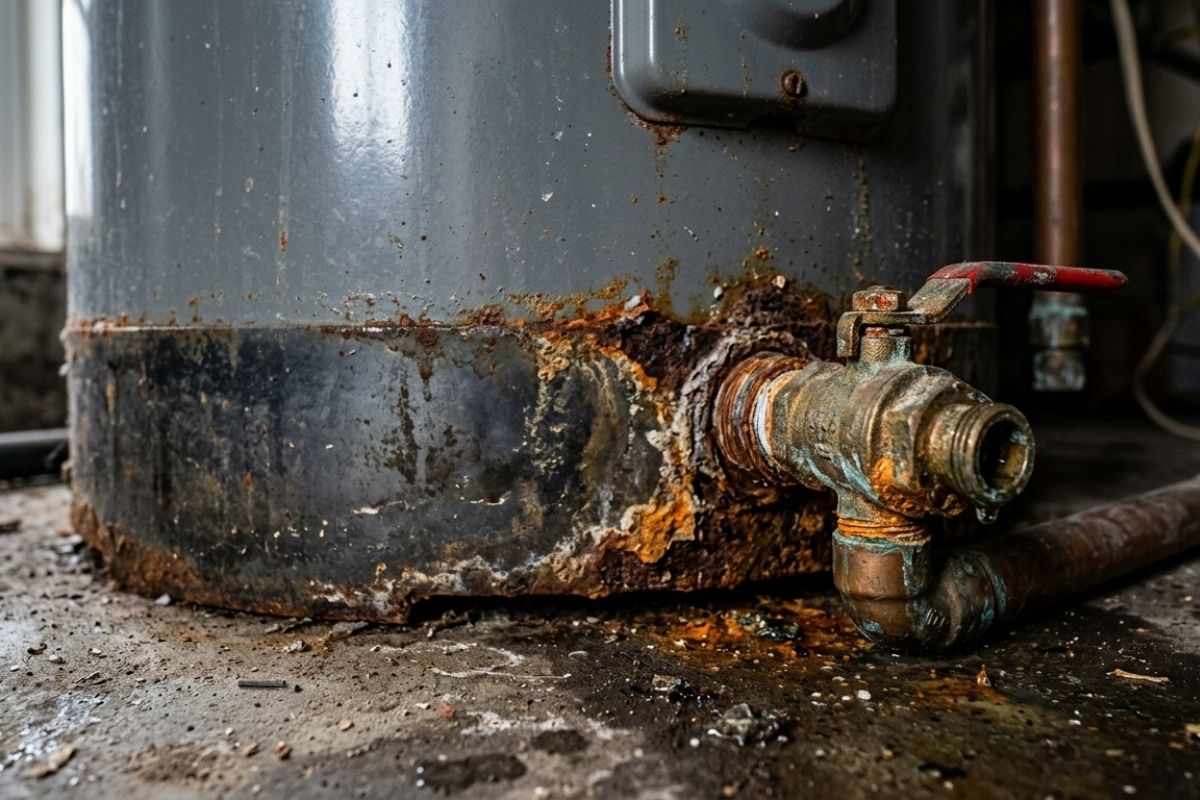
Water that appears brownish, rusty, or contains metallic flakes when you turn on a hot tap is a severe warning sign. This discoloration occurs because the internal glass lining of the tank has cracked, allowing water to oxidize the exposed steel casing. It is important to differentiate between rusted pipes and a rusted tank. If both cold and hot water are discolored, the issue lies in your municipal supply or galvanized pipes. If only the hot water is rusty, the tank is actively corroding.
3. Strange Rumbling or Popping Noises
A healthy water heating appliance operates almost silently. If you hear loud popping, cracking, or rumbling sounds echoing from your utility closet, your tank is suffering from severe sediment buildup. As calcium carbonate precipitates out of the hard water, it settles at the bottom of the tank. The heating element is located beneath this sediment layer. When the element activates, it boils the water trapped beneath the hardened calcium crust. The popping sound is literally steam bubbles bursting through the sediment barrier. This forces the tank to work harder, overheating the metal and causing micro-fractures that eventually lead to catastrophic leaks.
4. Visible Leaks and Moisture Accumulation
Any sign of water pooling around the base of the tank requires immediate intervention. As metal heats and cools, it undergoes thermal expansion and contraction. Over thousands of cycles, microscopic fractures in the corroded steel begin to expand, allowing water to seep out. By the time a leak is visible on the exterior floor, the internal structural integrity of the tank is entirely compromised. According to the Environmental Protection Agency, household leaks can waste nearly 10,000 gallons of water annually, creating a massive financial and ecological burden.
5. Age of the Unit
The simplest diagnostic tool is the manufacturer’s rating plate attached to the side of the tank. This sticker contains the serial number, which incorporates the manufacturing date. If your unit is over a decade old, you are operating on borrowed time. Even with perfect maintenance, the internal components undergo inevitable material fatigue. Proactively looking into signs indicating replacement is necessary ensures you are prepared before an unexpected failure disrupts your daily routine.
Assessing the Damage: Repair vs. Replacement
When issues arise, property owners must determine whether to invest in a repair or commit to a full system replacement. Making the correct financial decision depends on the age of the unit, the cost of the repair, and the overall condition of the tank.
| Scenario / Symptom | Recommended Action | Reasoning |
|---|---|---|
| Broken thermostat or faulty pressure valve | Repair | These are inexpensive exterior components that do not affect the tank’s core integrity. |
| Tank is less than 5 years old with minor issues | Repair | The unit is still under warranty and has a long remaining operational lifespan. |
| Rusty hot water or severe tank corrosion | Replace | Internal corrosion cannot be reversed. A tank breach is imminent. |
| Visible leaking from the base of the tank | Replace | Structural failure has occurred. Patching the exterior is an unsafe temporary measure. |
How the Local Environment Impacts Plumbing Systems
Managing water heater repair needs in Phoenix, AZ, requires a deep understanding of local environmental stressors. The intense summer heat impacts incoming municipal water temperatures, altering the thermodynamic workload required by your heating appliance. Furthermore, the exceptional mineral density of the local water supply accelerates internal scaling faster than in temperate, soft-water regions.
As hard water passes through the municipal grid and enters your home, it carries dissolved magnesium and calcium. High heat causes these minerals to separate from the water and solidify. Property owners must be vigilant in learning early signs of hard water damage, as this scaling not only ruins heating tanks but also damages dishwashers, washing machines, and internal pipe networks.
The U.S. Department of Energy explicitly states that water heating accounts for approximately 20 percent of a home’s total energy use. When sediment coats the heating elements, the system loses its thermal transfer efficiency. Consequently, the unit runs longer, consumes more electricity or gas, and drastically inflates your monthly utility bills.
Professional Inspection vs. DIY Diagnostics
While homeowners can easily monitor for visual and auditory warning signs, invasive diagnostics should be reserved for licensed professionals. Understanding the risks of DIY plumbing diagnostics is vital, as modern water heaters combine high-voltage electricity, highly pressurized water, and potentially explosive natural gas lines.
If you suspect an issue, you can safely perform the following preliminary checks:
- Check the Temperature Dial: Ensure the thermostat is set between 120 and 130 degrees Fahrenheit. Lower temperatures risk bacterial growth, while higher temperatures increase the risk of scalding and accelerate corrosion.
- Inspect the Temperature and Pressure Relief (TPR) Valve: Look at the valve located on the top or side of the tank. If water is actively leaking from this pipe, internal pressure has reached dangerous levels.
- Examine the Surroundings: Use a flashlight to check the floor beneath the drain valve and the tank base for dried water spots or active dampness.
- Listen Closely: Stand next to the tank while it is actively heating. Note any hissing, sizzling, or loud thumps.
If these checks reveal abnormalities, scheduling routine professional inspections is the safest course of action. Licensed plumbers possess the specialized tools required to test voltage drops across heating elements, verify gas manifold pressures, and safely replace depleted anode rods without voiding manufacturer warranties.
Preventative Maintenance to Extend Appliance Life
To avoid premature system failure and ensure optimal efficiency, establishing a routine maintenance schedule is critical. The Plumbing-Heating-Cooling Contractors Association stresses that consistent maintenance is the single most effective way to protect plumbing infrastructure investments.
The most important maintenance task is the annual tank flush. By connecting a heavy-duty garden hose to the lower drain valve and emptying the tank completely, homeowners can expel the loose sediment before it calcifies into a solid block. This simple procedure restores thermal efficiency and significantly reduces the internal stress placed on the metal casing. Furthermore, replacing the sacrificial anode rod every three to five years guarantees that corrosive agents remain distracted away from the vital steel walls of the tank.
Property owners looking to improve heating efficiency should also consider adding thermal insulation blankets to older models and insulating the first few feet of external piping. These minor upgrades reduce standby heat loss, lessening the overall workload on the internal heating elements.
Conclusion
Your home’s water heating system is an unsung hero of daily comfort. By paying close attention to fluctuations in temperature, strange operational noises, discolored water, and the overall age of the unit, you can accurately predict when a system is nearing the end of its operational life. Proactive maintenance and early intervention save property owners thousands of dollars in emergency damage mitigation and wasted utility costs. If you have noticed any of these warning signs, do not wait for the tank to burst. Get in touch with our team today to schedule a comprehensive diagnostic evaluation and keep your home safe.
Frequently Asked Questions
How long does a typical water heater last?
A standard tank-style unit typically lasts between 8 and 12 years. Tankless models can last upwards of 20 years with proper maintenance, though local hard water conditions can significantly reduce these lifespans.
Can a failing water heater explode?
While extremely rare due to built-in safety mechanisms, a tank can explode if the Temperature and Pressure Relief (TPR) valve fails and internal pressure exceeds the structural limits of the steel casing.
Why does my hot water smell like rotten eggs?
A sulfur or rotten egg smell is caused by anaerobic bacteria reacting with the magnesium or aluminum in your sacrificial anode rod. Replacing the rod with a zinc alloy alternative usually resolves this issue.
Is it normal for a water heater to leak a little bit?
No, a water heater should never leak. Even a minor drip indicates a failing valve, excess internal pressure, or a microscopic fracture in the tank lining that requires immediate professional assessment.
Should I repair a 10-year-old water heater?
Generally, it is not cost-effective to perform major repairs on a unit that is a decade old. The remaining lifespan of the tank is minimal, making a full replacement the more financially sound decision.
How much does it cost to flush a water heater?
Flushing the tank is an inexpensive maintenance task. Homeowners can perform it themselves using a standard hose, or hire a professional plumber for a nominal service fee to ensure a thorough cleaning.
