
When wastewater fails to flow swiftly out of your home, it is a clear indicator of a developing blockage within your plumbing system. The most effective solution is a thorough inspection followed by professional Drain Cleaning using hydro-jetting or mechanical augering to remove scale, fats, oils, and grease (FOG) from the pipe walls. Ignoring early warning signs like slow drainage, gurgling sounds, or foul odors will inevitably lead to costly, hazardous sewage backups that compromise home sanitation.
Key Takeaways
-
System-Wide Signals: Multiple slow drains simultaneously indicate a blockage deep in the main sewer lateral rather than a localized P-trap issue.
-
Sewer Gas Accumulation: Foul odors resembling rotten eggs are caused by hydrogen sulfide gas leaking from biofilm buildup and dry traps.
-
Air Pressure Restrictions: Gurgling noises from toilets or sinks point to negative air pressure and blocked vent stacks.
-
Chemical Vulnerabilities: Frequent recurring clogs cannot be permanently solved with chemical cleaners, which often damage pipes over time.
-
Emergency Contamination: Visible sewage backups represent an immediate biohazard requiring emergency professional intervention.
The Impact of the Desert Environment on Your Plumbing
Maintaining efficient plumbing systems in the desert Southwest requires an understanding of regional environmental factors. For homeowners seeking reliable pipe maintenance and preventing common plumbing issues in Phoenix, the primary antagonist is hard water. The regional water supply contains notoriously high levels of dissolved minerals, primarily calcium carbonate and magnesium. According to municipal data, water hardness in Maricopa County frequently ranges from 12 to 22 grains per gallon (GPG), classifying it as “very hard” on the national scale.
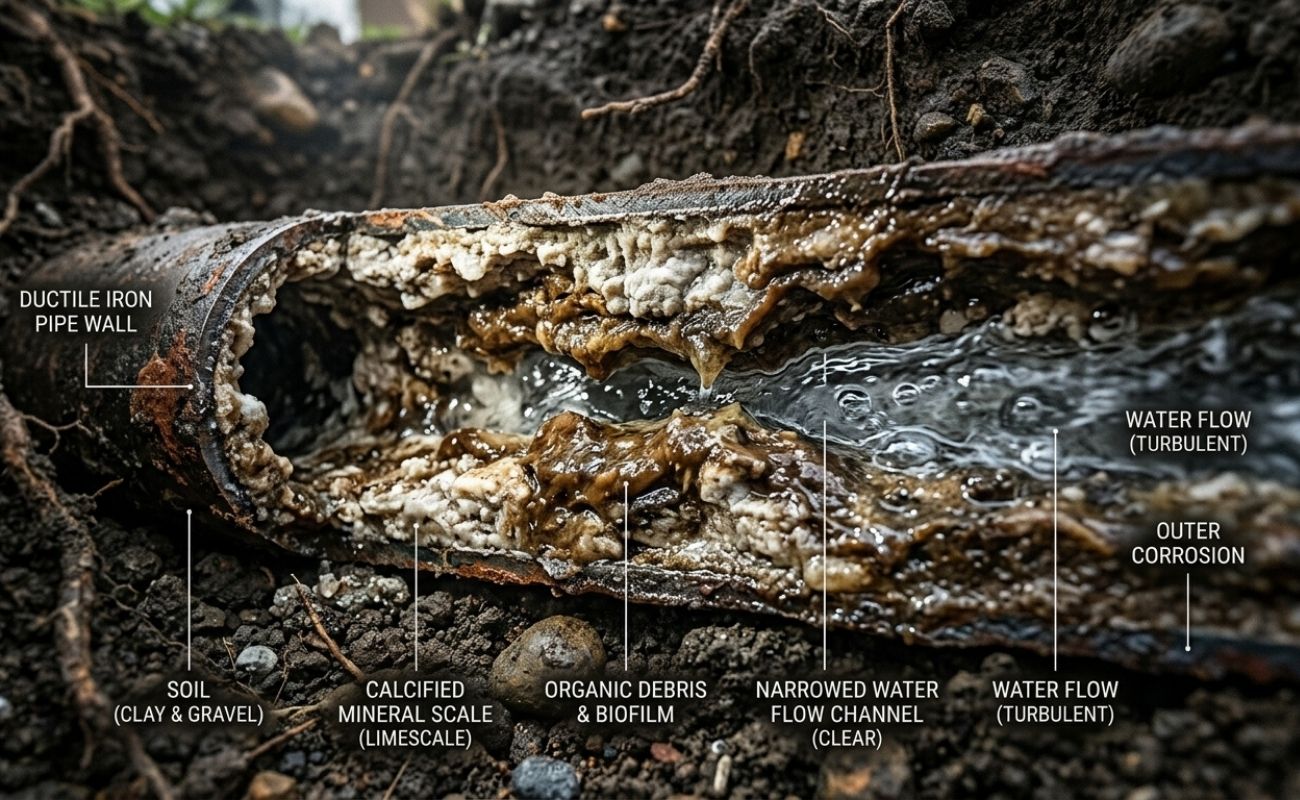
These dissolved minerals precipitate out of the water as it flows through your plumbing, attaching to the interior walls of your pipes. Over time, this creates calcified scale buildup. This rough surface acts like a net, trapping hair, soap scum, and food particles that would normally flow smoothly into the municipal sewer system. Understanding this mineral interaction is critical to recognizing why routine maintenance is essential in 2026.
Top 5 Warning Signs of Severe Pipe Blockages
Plumbing systems are designed to operate silently and efficiently. When they begin to fail, they exhibit specific symptoms. Paying attention to these five signs can save homeowners thousands of dollars in emergency repairs and water damage remediation.
1. Multiple Slow-Draining Fixtures
It is relatively common for a single bathroom sink to drain slowly due to a buildup of hair and toothpaste in the localized P-trap. However, if your kitchen sink, shower, and guest bathroom toilet are all backing up simultaneously, you are dealing with a systemic failure. The residential plumbing matrix converges into a single main sewer line that connects to the municipal system or a private septic tank. When multiple fixtures slow down at once, the obstruction is located deep within that main line.
Attempting to resolve this with a standard plunger will be ineffective because the blockage is too far down the line to be influenced by localized hydraulic pressure. This is a primary indicator that specialized equipment, such as a motorized drain snake or a hydro-jetter with a 3,000 PSI capacity, is required to restore proper flow rates.
2. Persistent Foul Odors Escaping Drains
A properly functioning plumbing system utilizes a curved section of pipe under each fixture, known as a P-trap, which holds a small amount of water to create a seal against sewer gases. If you detect a persistent odor resembling rotten eggs or decaying organic matter emanating from your drains, there are two primary culprits. The first is a dry P-trap, which can occur in rarely used guest bathrooms. The second, and more concerning cause, is a severe accumulation of biofilm and decaying matter coating the upper walls of the pipe, right above the waterline.
As bacteria break down fats, oils, and organic waste in the pipes, they release hydrogen sulfide and methane gases. These odors are not merely unpleasant; they can cause headaches and respiratory irritation. Masking the smell with bleach or boiling water is a temporary fix. Professional scouring is necessary to remove the biological sludge causing the off-gassing entirely.
3. Unusual Gurgling Sounds from Pipes
Healthy pipes do not “speak” to you. If you hear bubbling, gurgling, or suction noises coming from your sink when you flush the toilet, or from your bathtub when the washing machine drains, your system is struggling for air. Plumbing networks rely on vent stacks that protrude through the roof of the home to introduce ambient air, equalizing pressure and allowing water to flow freely via gravity.
When a blockage begins to form, or if the vent stack itself is obstructed by debris (such as bird nests or leaves), the flowing water creates a vacuum effect. This negative pressure pulls air through the water sitting in the nearest P-traps, resulting in the audible gurgling sound. Recognizing this acoustic warning sign is crucial, as it often precedes a total blockage by only a few weeks.
4. Frequent and Recurring Clogs
Many homeowners rely on over-the-counter chemical liquid drain openers at the first sign of a clog. While these highly caustic solutions—often containing sodium hydroxide or hydrochloric acid—can temporarily dissolve localized blockages, they rarely clear the entire diameter of the pipe. The result is a small channel for water to pass through, which quickly clogs again within days or weeks.
Furthermore, the exothermic reaction caused by these chemicals can generate heat approaching 200°F. Repeated use can warp and weaken PVC pipes and accelerate corrosion in older cast-iron systems. If you find yourself needing to unclog the same fixture repeatedly, it is a definitive sign that the root cause has not been addressed. It is highly recommended to prioritize safe grease disposal techniques and rely on professional mechanical extraction rather than caustic chemicals to preserve the lifespan of your plumbing infrastructure.
5. Visible Sewage Backups
This is the most critical and hazardous sign of plumbing failure. If water backs up into your shower when you flush the toilet, or if raw sewage begins pooling around the floor drains in your basement or garage, the main sewer line is entirely compromised. This is no longer just a functional inconvenience; it is a severe biohazard. Raw wastewater contains high concentrations of dangerous pathogens.
As the Centers for Disease Control and Prevention strongly emphasizes regarding sanitation, household wastewater backups can expose residents to harmful bacteria, viruses, and parasites. In the event of a sewage backup, immediately cease all water usage in the home and contact a licensed professional. Any delay can result in extensive structural damage to the home’s subflooring and require expensive professional biohazard remediation.
DIY vs. Professional Drain Clearing: A 2026 Comparison
While minor maintenance can be handled by homeowners, it is important to understand the risks of DIY plumbing work. The table below outlines the differences between standard home remedies and professional intervention.
| Method / Approach | Mechanism of Action | Effectiveness | Potential Risks |
|---|---|---|---|
| Plunger | Hydraulic pressure forces localized blockage | Low to Medium (shallow clogs only) | Splashing biohazards, damaging wax rings on toilets |
| Chemical Cleaners | Caustic oxidation / Heat generation | Low (temporary channel creation) | Chemical burns, degrading PVC/cast iron, environmental harm |
| Professional Cable Augering | Motorized blade physically cuts roots/debris | High (restores flow immediately) | None when performed by a licensed technician |
| Hydro-Jetting | High-pressure water scours pipe walls 360 degrees | Maximum (clears FOG, scale, and roots completely) | Requires professional camera inspection first to ensure pipe stability |
Step-by-Step: What to Expect During a Professional Service
If you have identified one or more of the top 5 signs, it is time to call in the experts. Modern plumbing service relies heavily on diagnostics rather than guesswork. Here is the standard process a reputable technician will follow when you request pipe clearing services.
- Fiber-Optic Camera Inspection: Before any clearing begins, the technician will insert a high-resolution, waterproof camera into the sewer line. This provides real-time video footage of the pipe’s interior, allowing the plumber to identify the exact location, composition, and severity of the blockage. It also reveals if there are any collapsed sections or severe tree root intrusions.
- Safety and Structural Assessment: The technician evaluates the structural integrity of the pipes. If the home has older clay or Orangeburg piping that is actively collapsing, high-pressure methods might cause further damage, necessitating a localized repair instead.
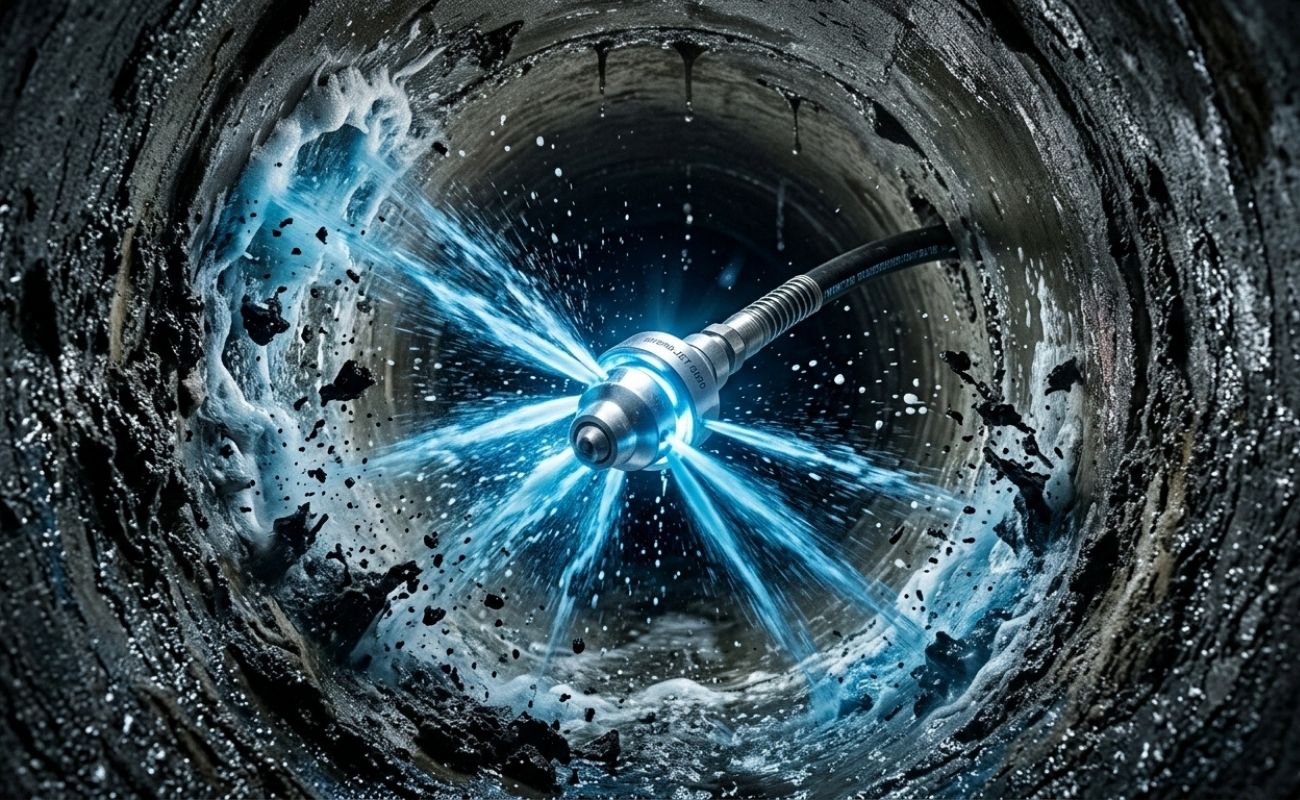
- Deployment of Hydro-Jetting Equipment: For structurally sound pipes, a hydro-jetter is deployed. A specialized nozzle is fed into the line, blasting water at pressures between 1,500 and 4,000 PSI. The multi-directional jets scour the entire 360-degree circumference of the pipe wall, completely emulsifying grease and obliterating calcified scale and roots.
- Secondary Video Verification: Once the line is cleared, the technician performs a secondary camera inspection to verify that the pipe has been fully restored to its original interior diameter and that no residual debris remains.
- System Flow Testing: Finally, multiple fixtures inside the home are run simultaneously to ensure that the main line can handle peak capacity without any lagging or gurgling.
Preventative Maintenance and System Longevity
The cost of reactive plumbing repairs consistently outweighs the cost of preventative maintenance. As highlighted by the Environmental Protection Agency, household leaks and inefficient plumbing can waste nearly 1 trillion gallons of water annually nationwide. Beyond leaks, systemic blockages put immense static pressure on pipe joints, leading to structural failures.
To maximize the longevity of your system, schedule routine maintenance and learn how to spot early signs of hard water damage. Implement strict household rules regarding what goes down the disposal: avoid fibrous vegetables, coffee grounds, and expansionary foods like rice or pasta. Furthermore, as the City of Phoenix Water Services department routinely advises the public: “Never pour fats, oils, or grease down the sink.” Liquid FOG solidifies rapidly as it cools in underground pipes, acting as a binder for other waste and creating impenetrable blockages.
It is also highly recommended to invest in an annual inspection. Just as you would service your HVAC unit before the intense Arizona summer, regular plumbing inspections are crucial to identifying micro-leaks, assessing water pressure (which should safely sit between 45 and 80 PSI), and catching encroaching tree roots before they shatter underground lines. By staying proactive, you can ensure your home remains a clean, functional, and hygienic environment.
Frequently Asked Questions
How often should a main sewer line be professionally cleared?
For the average residential home, professional hydro-jetting or mechanical clearing is recommended every 18 to 24 months. Homes with older plumbing systems, heavy mature tree coverage near the sewer lateral, or large families may benefit from annual preventative maintenance.
Can I use a plunger on a clogged kitchen sink?
Yes, a specialized cup plunger can effectively dislodge minor, localized clogs near the surface of the sink drain. However, if the water drains and immediately backs up into the adjacent sink basin, the blockage is likely deeper in the line, requiring mechanical augering.
Are enzyme-based cleaners safe for regular use?
Unlike highly acidic or caustic chemical cleaners, biological enzyme-based drain maintainers are generally safe for all pipe materials. They use natural bacteria to consume organic waste and FOG buildup without generating pipe-damaging heat, making them an excellent monthly preventative measure.
What should I do if raw sewage backs up into my bathtub?
Immediately stop running all water in the house, including dishwashers and washing machines, as this water has nowhere to go but back into your home. Contact a licensed emergency plumber immediately, as this indicates a total main line failure and presents a significant health hazard.
Does hard water contribute to pipe clogs?
Yes, significantly. The high mineral content in hard water, particularly prevalent in Maricopa County, leaves behind calcium carbonate deposits on the interior walls of pipes. This rough scale reduces the pipe’s interior diameter and catches passing debris, drastically accelerating clog formation.
Will boiling water clear a grease clog?
Pouring boiling water down the drain can briefly melt superficial grease, but it often pushes the liquid fat further down the pipe where it cools and solidifies in harder-to-reach areas. It can also damage PVC joints or cause porcelain sink basins to crack due to thermal shock.
Conclusion
Maintaining clear, efficiently flowing pipes is paramount to protecting the structural integrity and sanitation of your home. Recognizing the top five signs of plumbing blockages—ranging from multiple slow fixtures and persistent foul odors to alarming gurgling noises and recurring clogs—allows homeowners to act proactively. Do not wait for a minor inconvenience to escalate into a biohazardous sewage backup. Relying on professional diagnostics and advanced clearing technologies like hydro-jetting ensures that the root cause of the obstruction is entirely eliminated, rather than just temporarily bypassed. If you are experiencing any of these warning signs, get in touch with our team today to schedule a comprehensive video inspection and restore your plumbing to optimal working condition.
References
- United States Environmental Protection Agency (EPA) – WaterSense and Infrastructure Guidelines
- Centers for Disease Control and Prevention (CDC) – Water Sanitation and Hygiene Guidelines
- City of Phoenix Water Services Department – Public Guidelines on FOG Disposal
- Plumbing-Heating-Cooling Contractors Association (PHCC) – National Plumbing Standards
