Emergency plumber Phoenix AZ residents call when water is actively damaging property or when essential fixtures stop working cannot wait for a convenient appointment slot. Some plumbing problems are slow and predictable. Others require a shutoff, cleanup, and licensed repair the same day—or the same hour. Knowing which category your situation fits helps you act safely and avoid compounding damage.
Rapid Fire Plumbing offers Emergency Plumbing service 24 hours a day, seven days a week, as stated on the company homepage. Regular office hours for non-emergency scheduling and general inquiries are Monday through Friday 8:00 a.m. to 5:00 p.m. and Saturday through Sunday 8:00 a.m. to 12:00 p.m., listed on the contact page. After-hours emergencies use the same phone line: (623) 810-6166.
Key Takeaways
- True emergencies involve uncontrolled water, sewage inside the home, or a complete loss of potable water with no safe workaround.
- Shut off the fixture or whole-house valve when you can do so safely before calling; then call for professional repair.
- Burst pipes, major supply leaks, sewer backups, overflowing toilets that will not stop, and failed water heaters that leak are among the most common urgent calls.
- Not every clog or drip is an emergency— but recurring symptoms that escalate quickly often become one if ignored.
- Rapid Fire Plumbing provides 24/7 emergency response; office staff follow the weekday and weekend hours above for routine matters.
Reason 1: Burst or Severely Leaking Supply Pipes
A split pipe in a wall, attic, or crawl space can release a large volume of water in minutes. Copper pinholes, corroded galvanized steel, damaged PEX, and frozen-line failures in rare cold snaps can all produce sudden leaks. In Phoenix, supply failures also occur at aging fittings, failed PRVs, and irrigation tie-ins that pressurize a broken lateral.
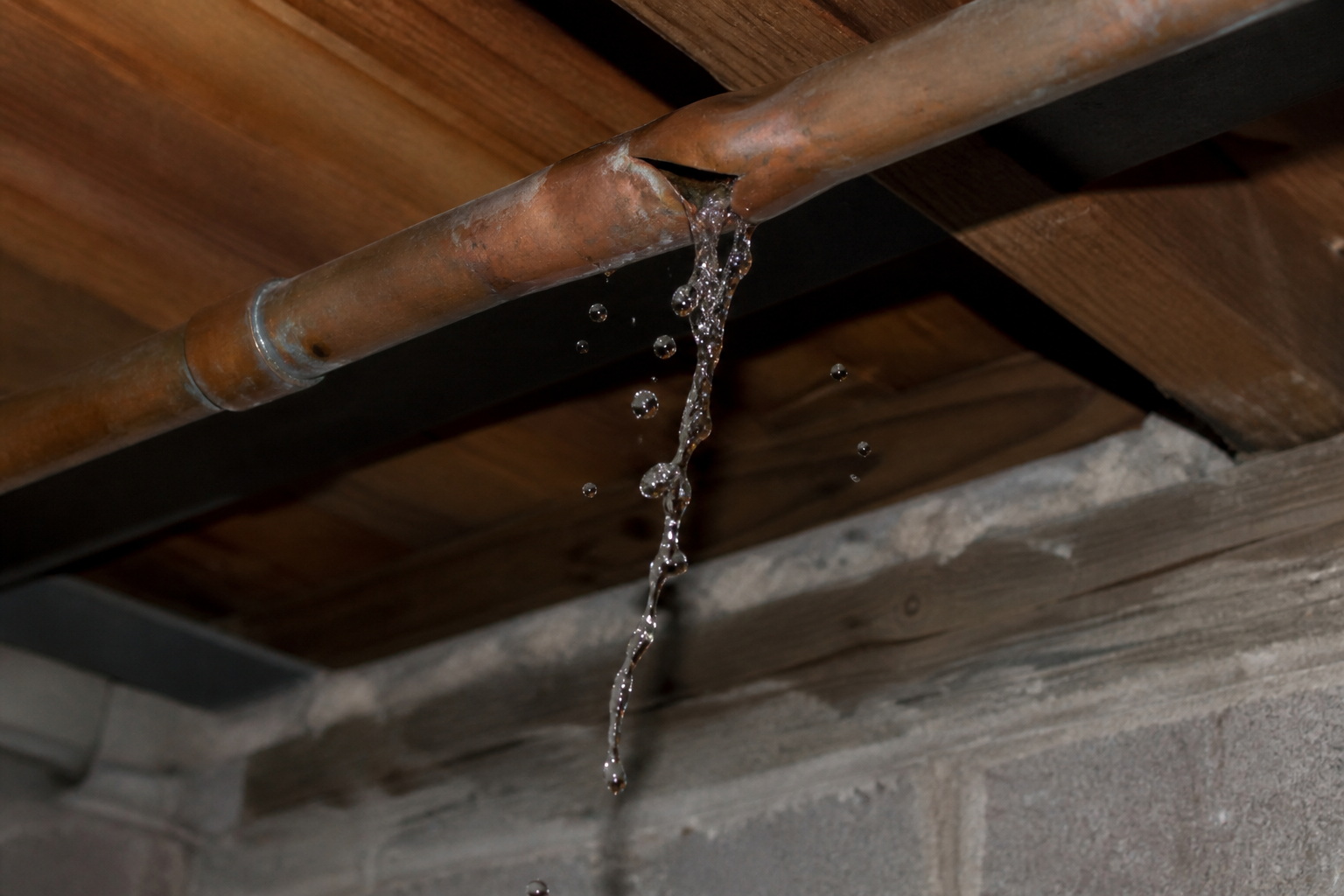
Turn off the main water supply if the leak location is unknown or cannot be isolated at a fixture valve. Move valuables away from wet areas and avoid standing water near electrical outlets. Document damage for insurance if applicable. Repair involves locating the break, removing damaged material, and bringing the line back to code—work that belongs with a licensed plumber and may coordinate with water main service when the failure is at or near the service entry.
Reason 2: Sewer or Drain Backups Into the Home
When wastewater enters through a floor drain, tub, or toilet, the problem is sanitation as well as plumbing. Causes include main line blockages from roots, grease, or debris; collapsed lateral sections; and municipal line surcharges during extreme weather. Phoenix monsoon rains can expose restrictions that partial clogs hid during dry months.
Do not use fixtures on the affected line. Avoid chemical drain products on a fully blocked sewer—they rarely clear a main stoppage and can complicate professional cleaning. Emergency service may include snaking, hydro-jetting, or camera inspection to identify the blockage depth and condition of the pipe. See professional drain cleaning and clog removal for the methods used on stubborn main lines.
Reason 3: Overflowing or Non-Stop Toilets
A toilet that overflows when flushed—or runs continuously and threatens to spill—needs immediate attention. Shut off the supply valve behind the toilet if it is accessible and turns freely. If the bowl is already full, do not flush again.
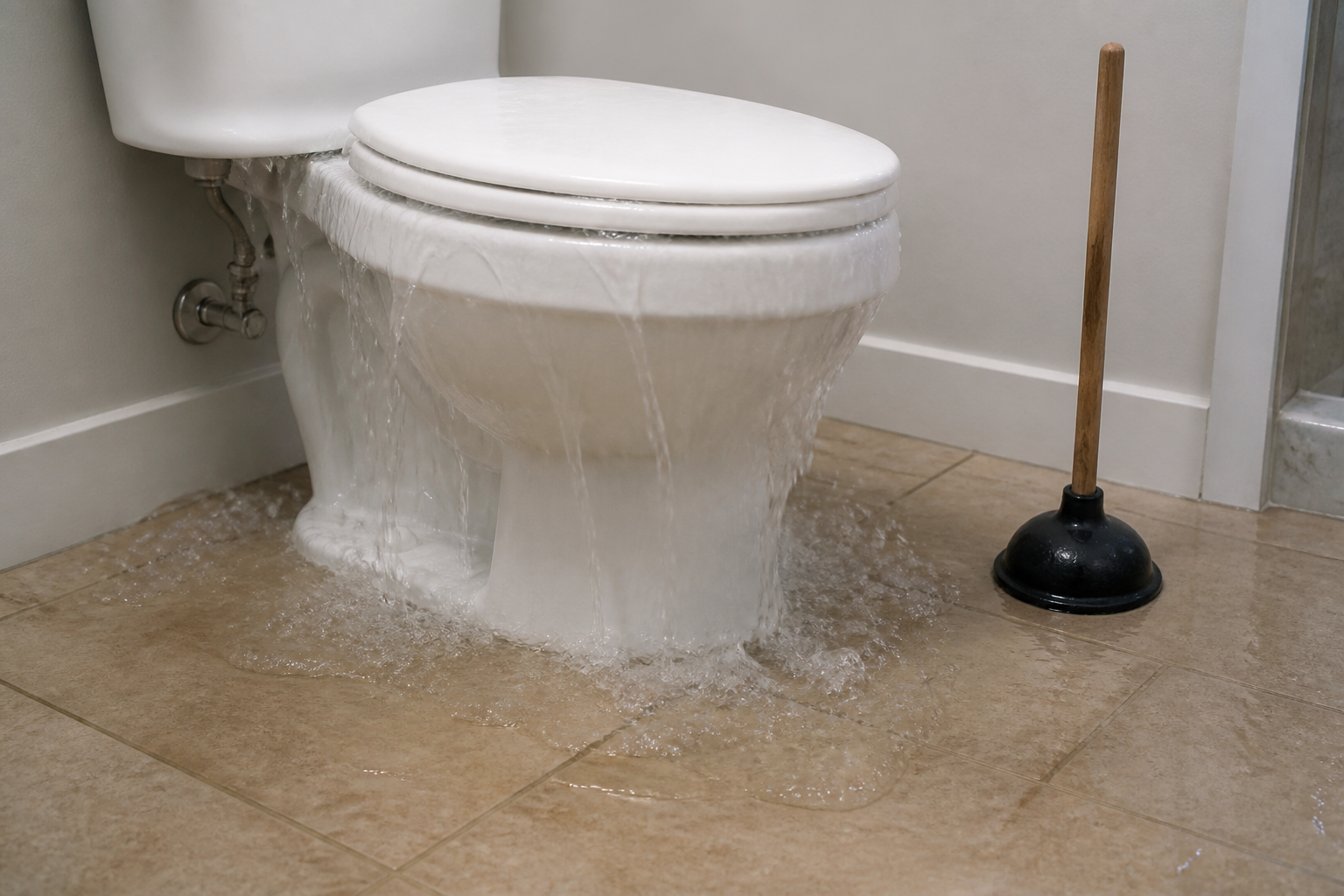
Simple clogs sometimes clear with a plunger when caught early. An overflow that involves sewage on the floor, multiple fixtures backing up, or a supply line that will not stop flowing crosses into emergency territory. Contaminated water requires proper cleanup and disinfection in addition to plumbing repair.
Reason 4: Water Heater Failure With Active Leaking
Tank water heaters hold dozens of gallons under pressure. When a tank rusts through or a fitting fails, water can spread across a garage, closet, or attic platform. Tankless units can leak at internal connections or external shutoffs as well. Either type may also affect gas or electrical supply depending on installation—turn off the appropriate energy source only if you can do so safely and know which valve or breaker serves the unit.
Turn off the cold water supply to the heater and the gas or power according to manufacturer labels when safe. Place buckets or towels to limit spread. Replacement or repair depends on age, damage extent, and whether the leak is at a replaceable component versus the tank itself. Rapid Fire Plumbing services tank and tankless units; details are on the water heaters page.
Reason 5: Complete Loss of Water or Critical Fixture Failure
Losing all cold water may trace to a closed main valve, utility work, a failed PRV, or a major break outside the structure. Losing only hot water often points to the water heater or a closed valve on the hot side. When no water reaches essential fixtures and you cannot restore flow by adjusting known valves, professional diagnosis prevents guessing at the main line.
Some failures are urgent because of household needs rather than flooding—such as a sole working toilet in a full home or a shutoff required before travel. Use judgment: if damage is occurring or sanitation is compromised, treat it as an emergency. If one sink is slow while others work, standard scheduling during office hours may suffice.
Emergency Versus Same-Week Service: How to Decide
Ask whether water is actively spreading, whether sewage is present, and whether you can shut off the source. Active spread or sewage means call the 24/7 line now. A drip under a sink that is caught in a bucket may wait for a scheduled visit within office hours if the shutoff holds.
Document what changed before the failure—recent construction, new appliance install, street utility work, or recurring clogs. That history helps the plumber choose tools and inspection steps on arrival.
What to Do Before the Plumber Arrives
- Shut off water at the fixture, hose bib, or main valve when safe.
- Turn off gas or electricity to a leaking water heater only if you know the correct control.
- Keep people and pets away from wet floors and contaminated areas.
- Move furniture and stored items off wet surfaces when possible.
- Have clear access to the meter, main shutoff, cleanouts, and affected fixtures.
These steps reduce damage; they do not replace licensed repair. Attempting major pipe work without proper tools or code knowledge can worsen a break or create a cross-connection hazard.
Preventive Steps That Reduce Emergency Calls
Annual inspections, water heater maintenance, drain cleaning before monsoon season, and prompt repair of small leaks all lower the odds of a middle-of-the-night call. Read understanding the importance of annual plumbing inspections for what a routine visit typically covers. Prevention does not eliminate every emergency— sudden mechanical failures still happen—but it removes many predictable ones.
Frequently Asked Questions
What counts as a plumbing emergency in Phoenix?
Uncontrolled water flow, sewage inside living areas, no usable water throughout the home with no safe fix, and leaking water heaters that threaten property are common emergencies. When in doubt, call the 24/7 line and describe what you see.
Is Rapid Fire Plumbing available after hours?
Yes. The homepage states 24/7 emergency availability. Office hours on the contact page apply to routine scheduling and general business matters Monday through Friday 8–5 and Saturday through Sunday 8–12.
Should I call emergency service for a single slow drain?
A lone slow bathroom sink is usually not an emergency unless it is the only fixture available or it is backing up with sewage. Multiple fixtures draining slowly together or gurgling suggest a main line issue that may need urgent attention.
Will my insurance cover emergency plumbing?
Policies vary. Sudden pipe bursts are often treated differently from long-term leaks. Contact your insurer with photos and the plumber’s findings. Rapid Fire Plumbing does not provide insurance advice.
Can I use the water main shutoff myself?
Many homeowners can turn the main valve if it operates freely and is accessible. If the valve is seized, corroded, or buried, wait for a plumber rather than forcing it and breaking the stem.
Conclusion
Emergency plumber Phoenix AZ help is warranted when water or sewage threatens your home and you cannot restore safe conditions with a local shutoff. Burst pipes, sewer backups, overflowing toilets, leaking water heaters, and total loss of supply top the list of after-hours calls. Rapid Fire Plumbing answers emergencies 24/7 at (623) 810-6166; for non-urgent scheduling during office hours, use the same number or the contact page.
References
- Arizona Registrar of Contractors (AZ ROC), hiring licensed plumbing contractors in Arizona.
- International Plumbing Code Chapter 6, water supply and distribution requirements.
