Plumbing emergencies rarely arrive without warning—they develop gradually from ignored signs, deferred maintenance, and small issues left unaddressed until they become disasters. Phoenix homeowners can avoid most emergency calls with proactive home maintenance habits that keep systems running smoothly and catch problems early.
At Rapid Fire Plumbing, we see the same preventable emergencies repeatedly: burst pipes, major leaks, and failures that could have been stopped with simple inspections or timely repairs. The key to avoiding costly surprises is understanding what triggers plumbing failures and implementing practical prevention strategies year‑round.
 Monitor water pressure to protect your pipes
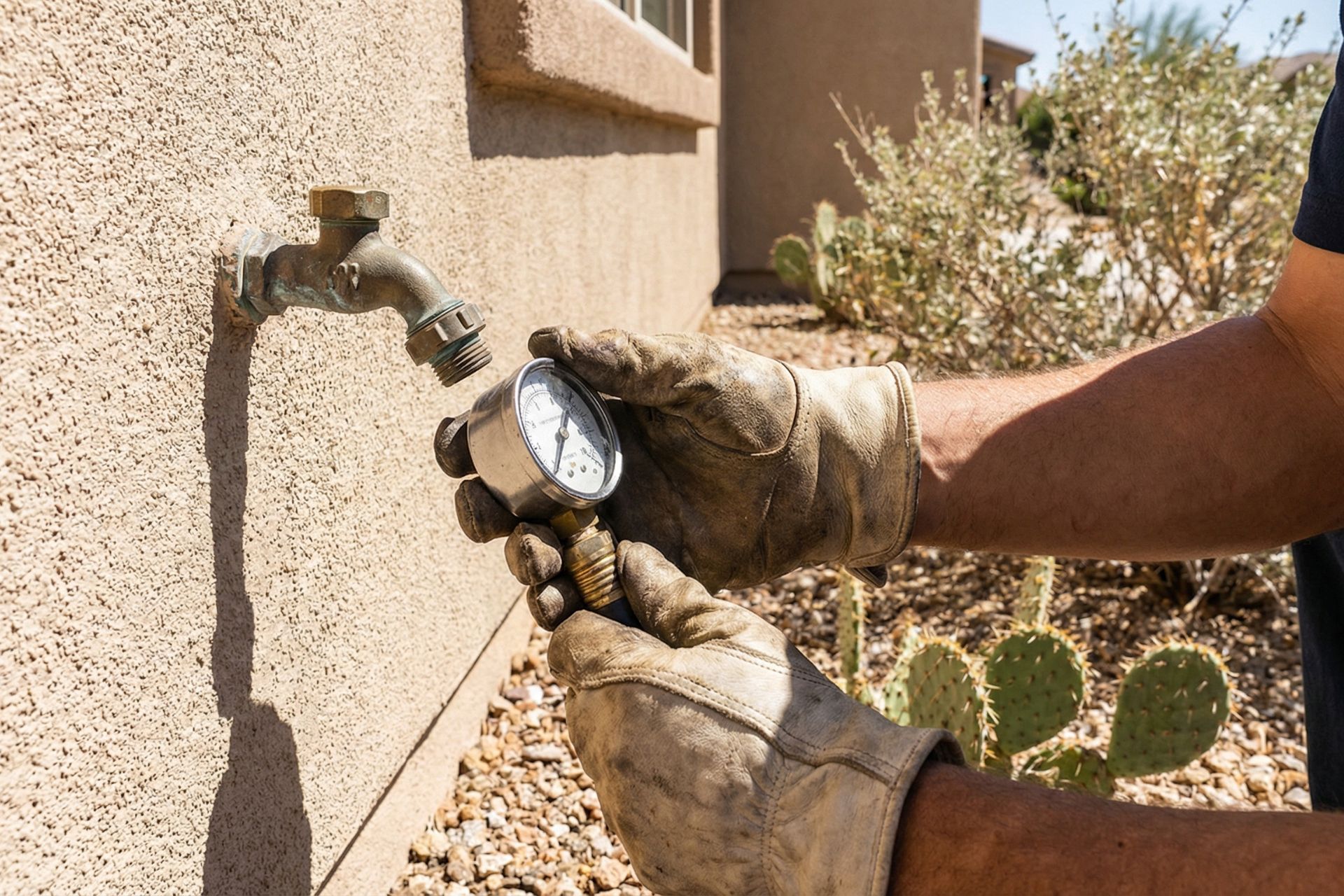
Excessive water pressure—anything above 80 PSI—places constant stress on pipes, connections, and fixtures throughout your home. Over time, this pressure weakens joints and accelerates wear, eventually causing failures that flood rooms or damage foundations.
Installing a pressure gauge on an outdoor hose connection gives you baseline data; if pressure consistently exceeds 80 PSI, a pressure‑reducing valve protects your entire system. This one adjustment can extend pipe life by years and prevent burst‑pipe emergencies during routine usage or minor temperature swings.
Check for hidden leaks monthly
Most Phoenix homeowners never inspect their water meter until a problem is obvious, but monthly meter checks catch small leaks before they escalate into major water waste or property damage. Turn off all water inside and outside the home, then watch the meter’s leak indicator for 15–30 minutes.
Any movement confirms water is flowing somewhere in your system, prompting investigation before bills spike or foundations erode. Catching a 10‑gallon‑per‑hour leak early saves \$40–50 monthly on water costs and prevents the thousands in repair expenses that delayed detection creates.
Inspect visible pipes and connections seasonally
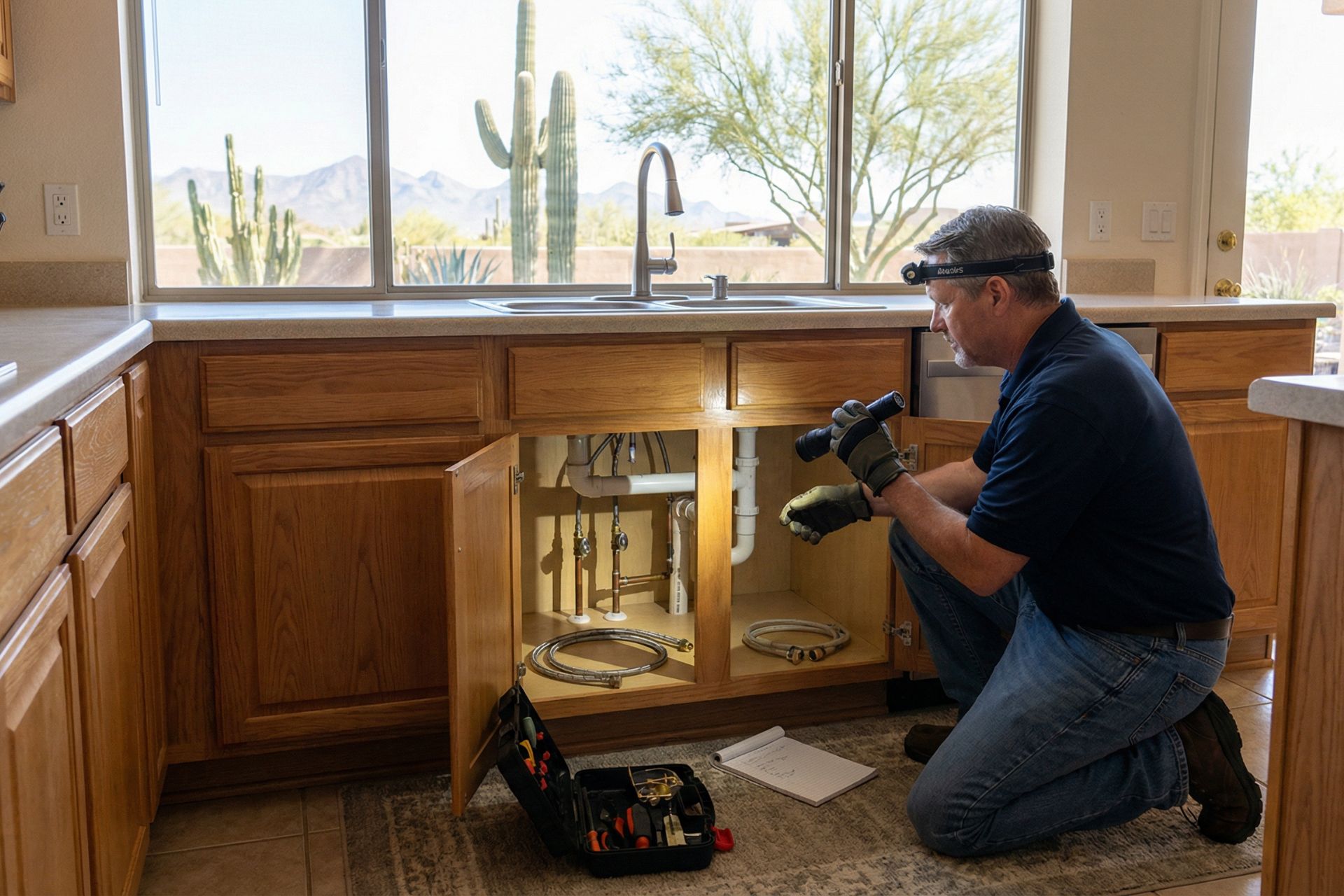
Phoenix’s temperature swings and soil movement stress pipes over time, so seasonal visual inspections of accessible plumbing—under sinks, in crawl spaces, around water heaters—reveal early corrosion, dampness, or mineral buildup. Small drips spotted during these checks often need only a tightened fitting or replaced washer, avoiding the burst lines and water damage that develop when leaks go unnoticed.
Galvanized steel pipes in older homes warrant particular attention, as Phoenix’s alkaline soil and hard water accelerate corrosion that eventually causes pinhole leaks and full breaks. If you notice discoloration, rust stains, or wet spots, calling a Phoenix plumber for assessment prevents emergency failures.
Manage tree roots near water lines
Tree roots seek moisture, making water lines prime targets for intrusion, cracking, and eventual blockages. In Phoenix, mature mesquite, palo verde, and citrus trees develop aggressive root systems that wrap around pipes and exploit even small cracks.
Avoid planting large trees within 10 feet of known water line paths; if mature trees already exist near your main line, periodic professional inspections using camera equipment can spot root intrusion before it causes failures. Root barriers and strategic root management services can protect existing lines without removing valuable landscape shade.
Protect pipes during rare Phoenix freezes
While Phoenix cold snaps are uncommon, exposed pipes in attics, garages, and exterior walls remain vulnerable during occasional winter freezes. When temperatures drop near or below freezing, insulating vulnerable pipes and leaving cabinet doors open to allow warm air circulation prevents burst pipes that flood homes within minutes of thawing.
Outdoor hose bibs and irrigation lines benefit from winterization—draining, disconnecting hoses, and covering exposed fixtures—before forecasted cold to avoid the emergency thaw‑time breaks that ruin ceilings and walls.
 Address slow drains immediately
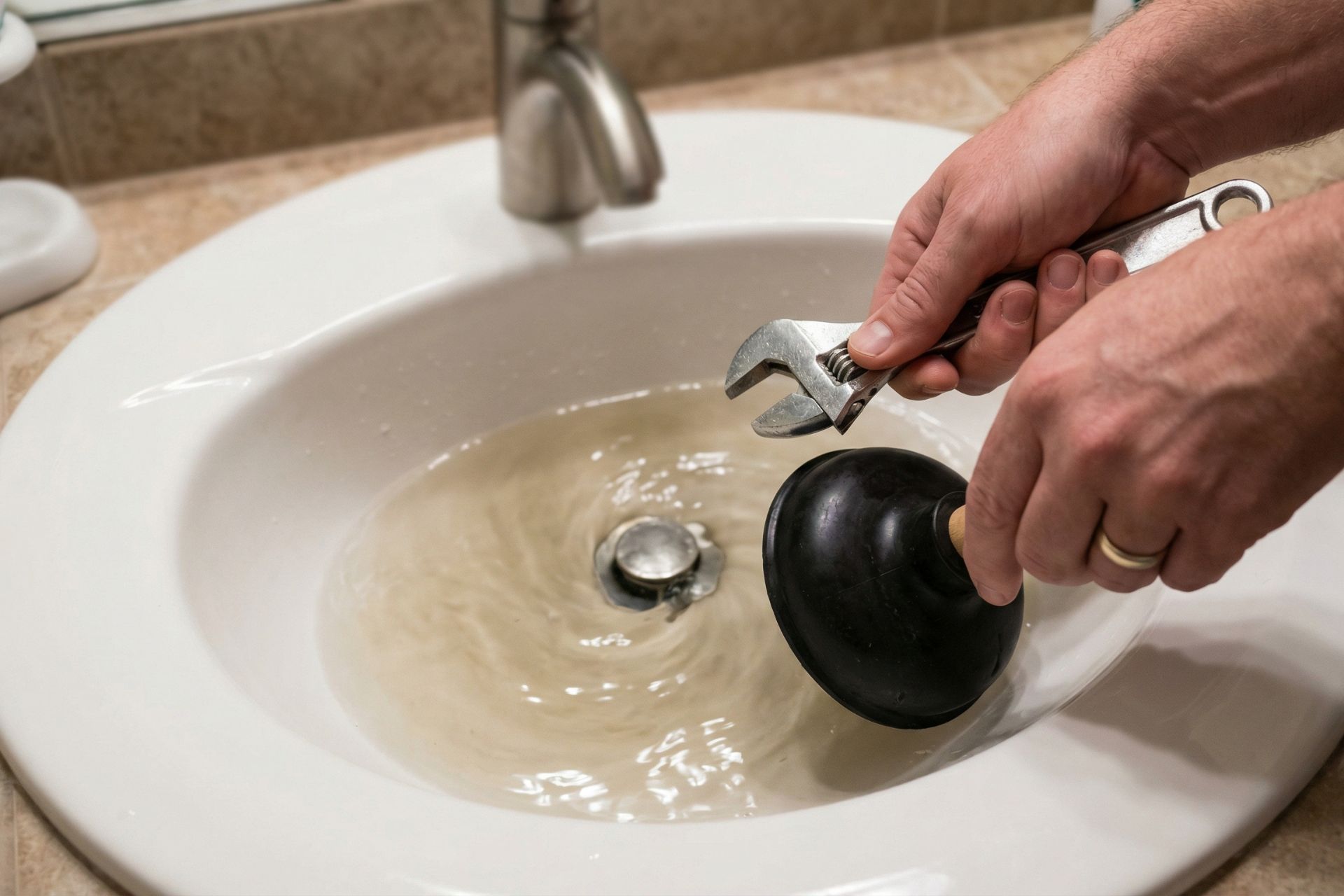
A drain that empties slowly signals developing blockage, not a minor inconvenience to tolerate. Ignoring sluggish sinks, tubs, or toilets allows buildup to progress until complete blockage creates backups that overflow fixtures and damage floors.
Simple interventions—clearing visible debris, using enzyme‑based drain cleaners rather than harsh chemicals—often resolve early slowness before professional drain clearing becomes necessary. When multiple fixtures drain slowly simultaneously, the issue likely affects main sewer lines, warranting immediate professional inspection to prevent plumbing emergencies like sewage backups.
Test water heater relief valves annually
Water heater pressure relief valves prevent catastrophic tank failures by releasing excess pressure, but sediment and mineral deposits can cause valves to stick closed over time. Annual testing—lifting the valve’s lever briefly to confirm water releases—ensures proper function and prevents the dangerous pressure buildup that leads to tank ruptures.
If your relief valve doesn’t release water when tested, replacement is essential before pressure‑related failure damages the tank or surrounding areas. Phoenix’s hard water accelerates sediment accumulation inside tanks, making regular flushing and inspection particularly important for emergency prevention.
Schedule professional inspections for aging homes
Homes over 40 years old—especially those with original galvanized pipes—benefit from professional plumbing system assessments every 2–3 years. Phoenix’s soil conditions and water chemistry reduce typical pipe lifespans, so proactive inspection catches corrosion, joint weakening, and material degradation before emergency breaks occur.
Video pipe inspections reveal interior conditions without excavation, providing data on remaining pipe life and helping homeowners plan replacement before failures force rushed, expensive emergency work. Transitioning from reactive emergency repairs to planned upgrades saves money and eliminates the stress of dealing with water damage and displaced living during crisis repairs.
Know your main shutoff valve location
The simplest emergency prevention measure costs nothing: knowing where your main water shutoff valve is located and how to operate it. When a pipe bursts or major leak develops, shutting off water immediately minimizes damage while waiting for professional help.
Test your shutoff valve annually to confirm it operates smoothly; valves that haven’t been turned in years sometimes seize, making them useless during actual emergencies. If your valve is difficult to turn or doesn’t fully stop water flow, replacement during non‑emergency conditions prevents panic and water damage when seconds count.
Partner with a reliable Phoenix plumber
Establishing a relationship with a trusted plumbing company before emergencies occur streamlines response when problems develop. Companies familiar with your home’s plumbing history, pipe materials, and previous repairs provide faster, more effective service than strangers scrambling to understand your system during a crisis.
Regular maintenance visits for drain cleaning, water heater servicing, or system inspections build this relationship while catching problems early. When urgent issues arise, established customers often receive priority scheduling and personalized service that minimizes disruption and cost.
Take action before disaster strikes
The best time to prevent plumbing emergencies is before warning signs become failures. Simple home maintenance habits—monitoring pressure, checking for leaks, inspecting visible pipes, protecting against temperature extremes—eliminate most emergency calls while extending system life and avoiding thousands in water damage.
Contact Rapid Fire Plumbing at 623‑810‑6166 to schedule preventive inspections, address developing concerns, or learn more about protecting your Phoenix home’s plumbing system. Our experienced team helps homeowners transition from reactive emergency repairs to proactive maintenance that saves money and prevents disasters.
