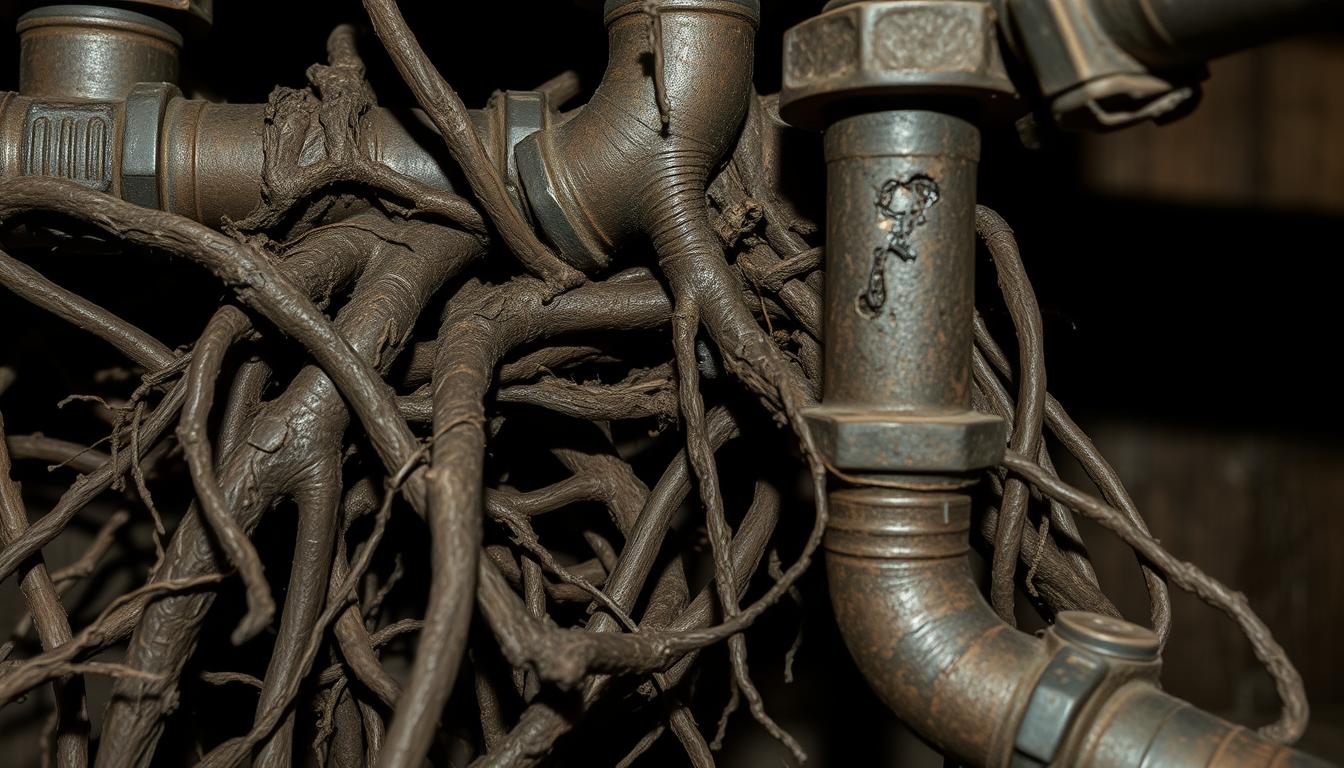
Mature tree roots can cause significant damage to your home’s underground pipes. The roots of a tree can spread beyond 2-3 times the diameter of its canopy, potentially invading your plumbing system. For instance, a 30-foot tree can have roots extending 60-90 feet from the trunk.
Typically, these roots stay near the surface, within the top 6-18 inches of soil where nutrients are abundant. However, during droughts or in dry climates, they can grow deeper in search of water, often targeting your home’s underground pipes. If you’re experiencing plumbing problems, it’s essential to consider the potential role of tree roots. For professional assistance, consider contacting Rapid Fire Plumbing at 623-810-6166.
Key Takeaways
- Tree roots can extend far beyond a tree’s canopy, potentially damaging your plumbing system.
- Drought conditions can cause roots to grow deeper, increasing the risk of pipe invasion.
- Tree roots are attracted to the moisture and nutrients in your plumbing, making them a prime target.
- Understanding the relationship between tree roots and your plumbing is crucial for prevention and addressing existing problems.
- Identifying warning signs of root intrusion can help prevent major plumbing emergencies.
Understanding How Tree Roots Damage Plumbing Systems
Understanding the mechanics behind tree root invasion is crucial for maintaining a healthy plumbing system. Tree roots are attracted to the moisture and nutrients found in wastewater, which can lead them to infiltrate pipes.
How Tree Roots Find and Enter Pipes
Tree roots can detect even the smallest cracks or joints in pipes, using them as entry points into the plumbing system. The roots are drawn to the water vapor and nutrients escaping from these openings, allowing them to grow and expand within the pipes.
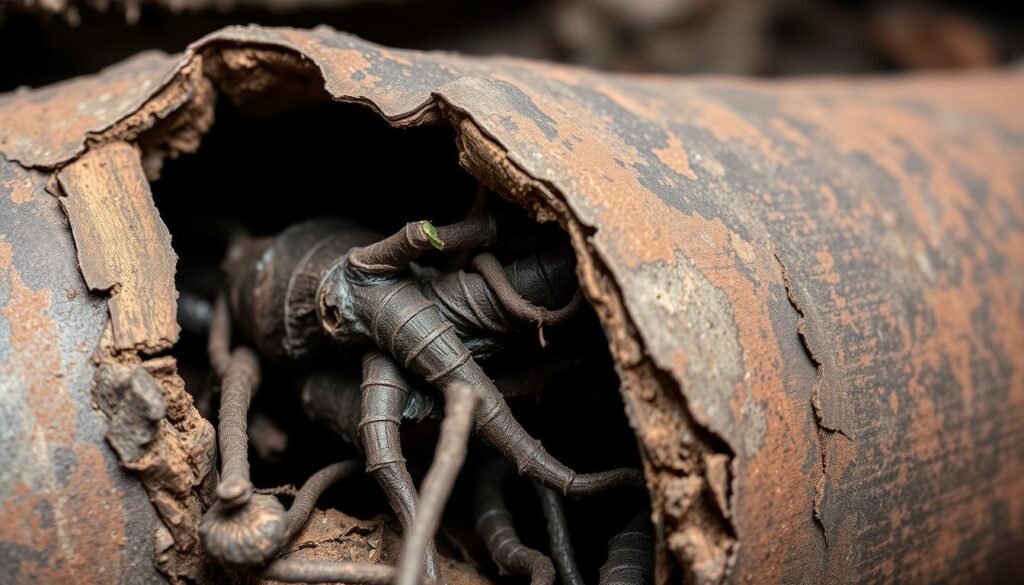
Roots can exert significant pressure as they grow, widening small cracks into larger breaches that facilitate further root invasion. This process can lead to substantial damage to the plumbing system if left unchecked.
Types of Pipes Most Vulnerable to Root Damage
Older clay pipes and concrete sewer lines are particularly susceptible to root damage due to their porous nature and tendency to develop cracks. While modern PVC and plastic pipes are more resistant, they are not entirely immune to root invasion, especially if compromised by soil shifts or improper installation.
| Pipe Material | Vulnerability to Root Damage | Common Issues |
|---|---|---|
| Clay | High | Porous nature, cracks at connections |
| Concrete | High | Cracks, joint deterioration |
| PVC/Plastic | Low to Moderate | Compromised by soil shifts, improper installation |
8 Warning Signs of Tree Root Invasion in Your Plumbing
Identifying the warning signs of tree root invasion in your plumbing system is crucial for preventing costly damages. Tree roots can cause significant disruptions to your plumbing, leading to issues such as slow drains, unusual sounds, and sewage backup.
Slow Drains and Recurring Clogs
One of the first signs of tree root invasion is persistent slow drains and recurring clogs that resist conventional clearing methods. These issues occur because tree roots block the flow of water in and out of your underground plumbing system.
Unusual Sounds from Your Plumbing
Strange noises, such as gurgling or bubbling sounds from toilets, sinks, or drains, can indicate water struggling to flow past a root blockage in your pipes.
Sewage Backup and Foul Odors
Sewage backup into tubs, showers, or floor drains is a serious sign that tree root damage has progressed to a critical stage. Foul odors resembling rotten eggs or sewage emanating from drains or your yard are also telltale signs.
Changes in Water Pressure and Bills
Unexplained changes in water pressure and rising water bills without corresponding increases in usage can suggest leaks in your plumbing system, potentially caused by root damage.
Visible Signs in Your Yard
Lush, unusually green patches of grass or rapidly growing trees in your yard, sinkholes, depressions, or consistently wet areas can be visible signs of underground leaks caused by root intrusion.
| Signs | Description |
|---|---|
| Slow Drains | Frequent clogs and slow draining water |
| Unusual Sounds | Gurgling or bubbling noises from drains |
| Sewage Backup | Backup into tubs, showers, or floor drains |
| Foul Odors | Smells resembling rotten eggs or sewage |
| Visible Yard Signs | Lush green patches, sinkholes, or wet areas |
The Consequences of Ignoring Root Intrusion
The repercussions of neglecting root intrusion in your sewer lines can be far-reaching and costly. When tree roots invade your plumbing, they don’t just cause a one-time issue; they continue to grow and exacerbate the problem.
Short-Term Effects on Your Home Plumbing
In the short term, root intrusion can lead to frequent clogs, slow drains, and potential sewage backups. These issues disrupt daily life and create unsanitary conditions in your home. As roots grow within pipes, they can cause complete blockages, resulting in expensive cleanup and potential health hazards.
- Frequent clogs and slow drains
- Potential sewage backups
- Expensive cleanup and health hazards
Long-Term Damage to Property and Environment
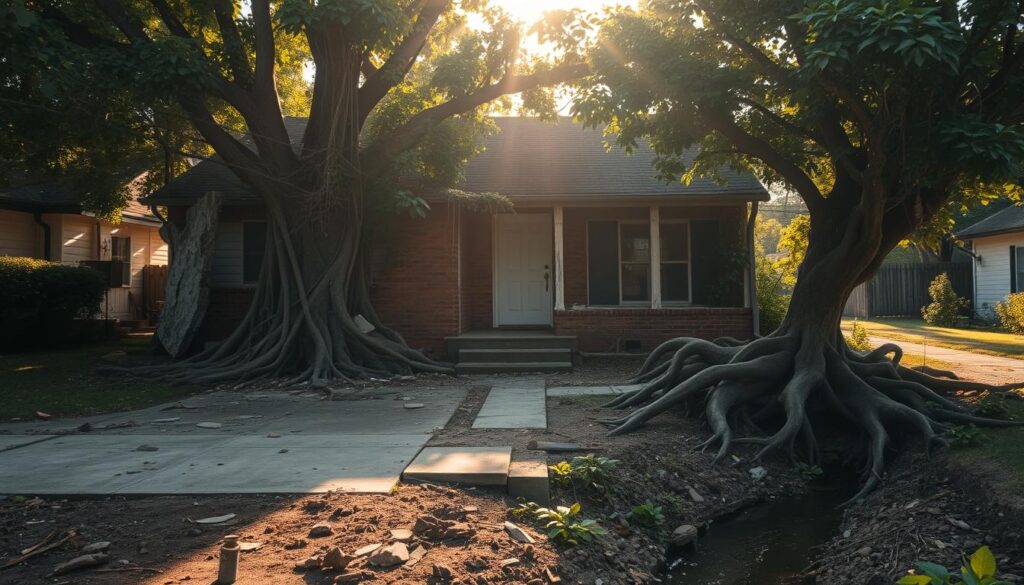
Over time, the pressure from expanding roots can crack and break pipes completely, leading to major leaks that damage your property’s foundation and structural integrity. Furthermore, sewage leaks into the surrounding soil, contaminating groundwater and creating toxic conditions for plants and wildlife. This can lead to soil erosion, sinkholes, and unstable ground conditions throughout your property.
- Major leaks damaging property foundation
- Soil contamination and erosion
- Potential for sinkholes and unstable ground
How to Prevent Tree Roots from Damaging Your Plumbing
Preventing tree roots from damaging your plumbing requires a combination of strategic landscaping and regular maintenance. By taking a proactive approach, you can minimize the risk of root intrusion and the costly repairs that come with it.
Strategic Landscaping and Tree Selection
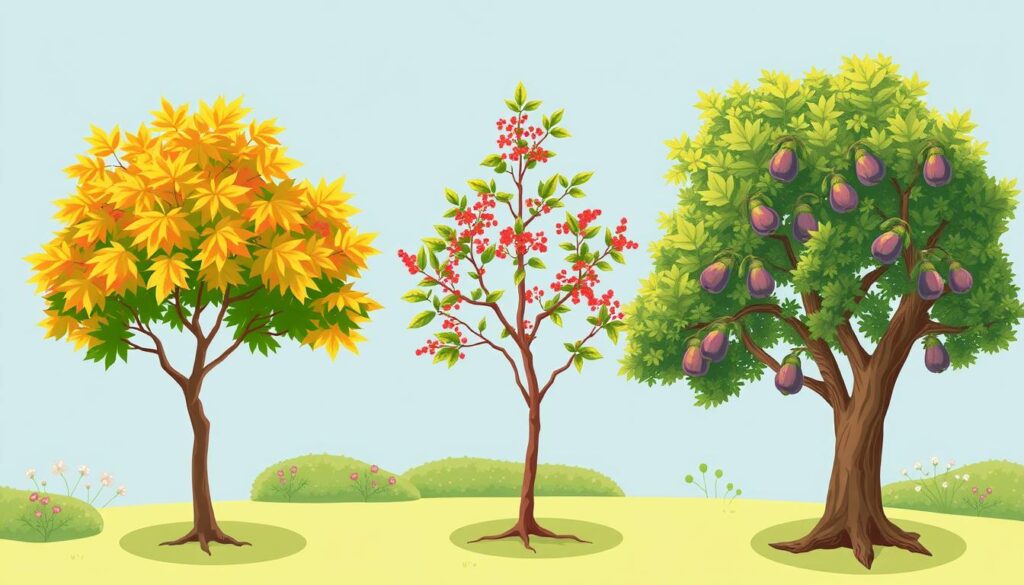
When planting trees or other plants in your yard, it’s crucial to consider the potential impact on your plumbing system. To avoid root damage, choose tree species with less aggressive root systems, such as Japanese maple, eastern redbud, or common fig trees, which grow slowly and typically reach less than 20 feet in height.
Physical and Chemical Root Barriers
Installing physical root barriers made of metal, wood, or geotextile fabric around existing plumbing can redirect root growth away from vulnerable pipes. Alternatively, consider using chemical root barriers containing copper sulfate to discourage roots from growing toward your plumbing system without harming the trees.
Regular Plumbing Maintenance and Inspections
Regular drain cleaning and annual camera inspections with a professional plumber can help detect early signs of root intrusion. Replacing older clay or concrete pipes with modern PVC pipes can also reduce the risk of root damage.
Professional Solutions for Existing Root Problems
Dealing with tree root invasion in your plumbing requires professional solutions. When roots infiltrate your pipes, they can cause significant plumbing problems, including backups and damage to your property.
Root Removal Methods
Professional plumbers utilize advanced techniques for root removal. Methods include:
- Video camera inspections to identify the location and extent of root intrusion.
- Hydro-jetting, which uses high-pressure water to clear roots from sewer pipes without causing damage.
- Mechanical augers that cut through roots and clear blockages.
- Chemical treatments that kill roots within pipes, though these should be used with caution.
Pipe Repair and Replacement Options
After removing the roots, it’s essential to repair or replace damaged pipes to prevent future issues. Options include:
- Trenchless pipe lining, which creates a new pipe within the existing one, sealing cracks and preventing future root intrusion.
- Pipe bursting technology, which replaces damaged sections by breaking the old pipe outward while pulling a new pipe into place.
- Traditional excavation and replacement for severely damaged pipes.
Rapid Fire Plumbing offers comprehensive plumbing services for root-related problems. Call 623-810-6166 for expert assistance.
Contact Rapid Fire Plumbing for Expert Tree Root Solutions
Don’t let tree roots wreak havoc on your plumbing system; contact Rapid Fire Plumbing for reliable, professional assistance. Our team of licensed, experienced plumbers specializes in diagnosing and resolving tree root problems in residential and commercial plumbing throughout the area.
We offer comprehensive services, from preventative maintenance to emergency root removal and pipe replacement. With advanced diagnostic equipment, we accurately identify root intrusion in your home plumbing and provide transparent pricing for all services. Call us at 623-810-6166 to schedule an inspection or establish a preventative maintenance program to protect your plumbing system from future problems.
