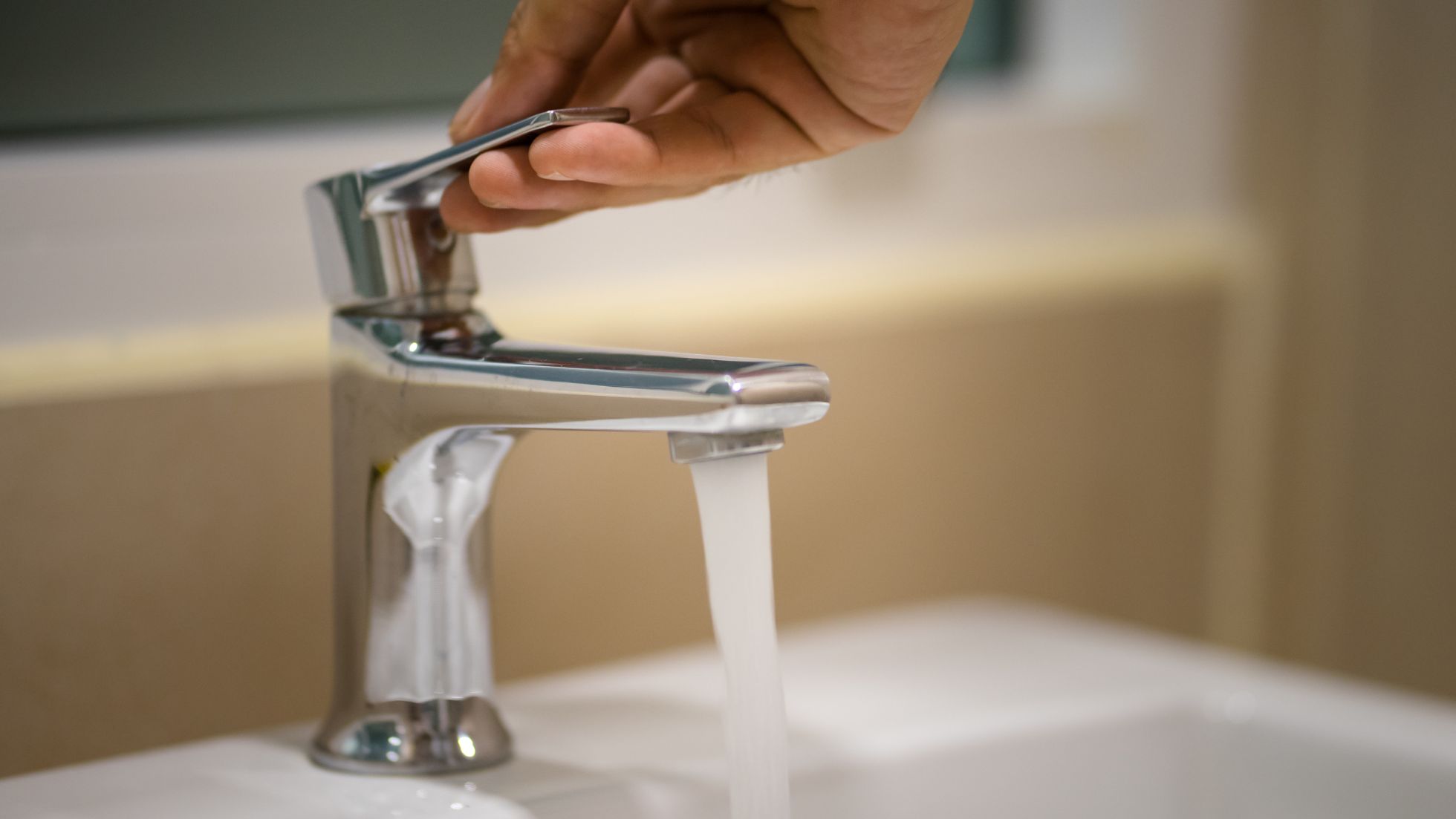
Noticing weak shower flow in your Phoenix home could signal issues from Arizona’s hard water. Low or high water pressure, often caused by scaling or leaks, impacts efficiency and risks pipe damage. Rapid Fire Plumbing, a licensed Arizona plumbing contractor with over 20 years of experience, provides DIY testing methods and professional solutions like PRV installations with 24/7 emergency support.
Key Information
- Test water pressure at 40-80 psi using a gauge, ideal for Arizona homes to prevent damage from hard water corrosion, per Salt River Project data.
- Install pressure regulating valves (PRVs) if over 80 psi, complying with 2024 International Plumbing Code via Arizona Registrar of Contractors.
- Verify licensed contractors through the Arizona Registrar of Contractors for insured, bonded pressure fixes.
- Leverage Arizona Department of Water Resources rebates for efficient fixtures to stabilize pressure and conserve water.
Overview
This guide outlines DIY water pressure testing tailored to Arizona’s hard water and seasonal challenges, identifying causes, professional fixes, and cost considerations for residential and commercial properties. It surpasses generic advice with 2025 Arizona plumbing codes, local water data, and Phoenix examples from Rapid Fire Plumbing’s proven expertise. Expect accurate diagnostics, compliant repairs, and improved flow through qualified service.
Arizona Hard Water and Pressure Codes
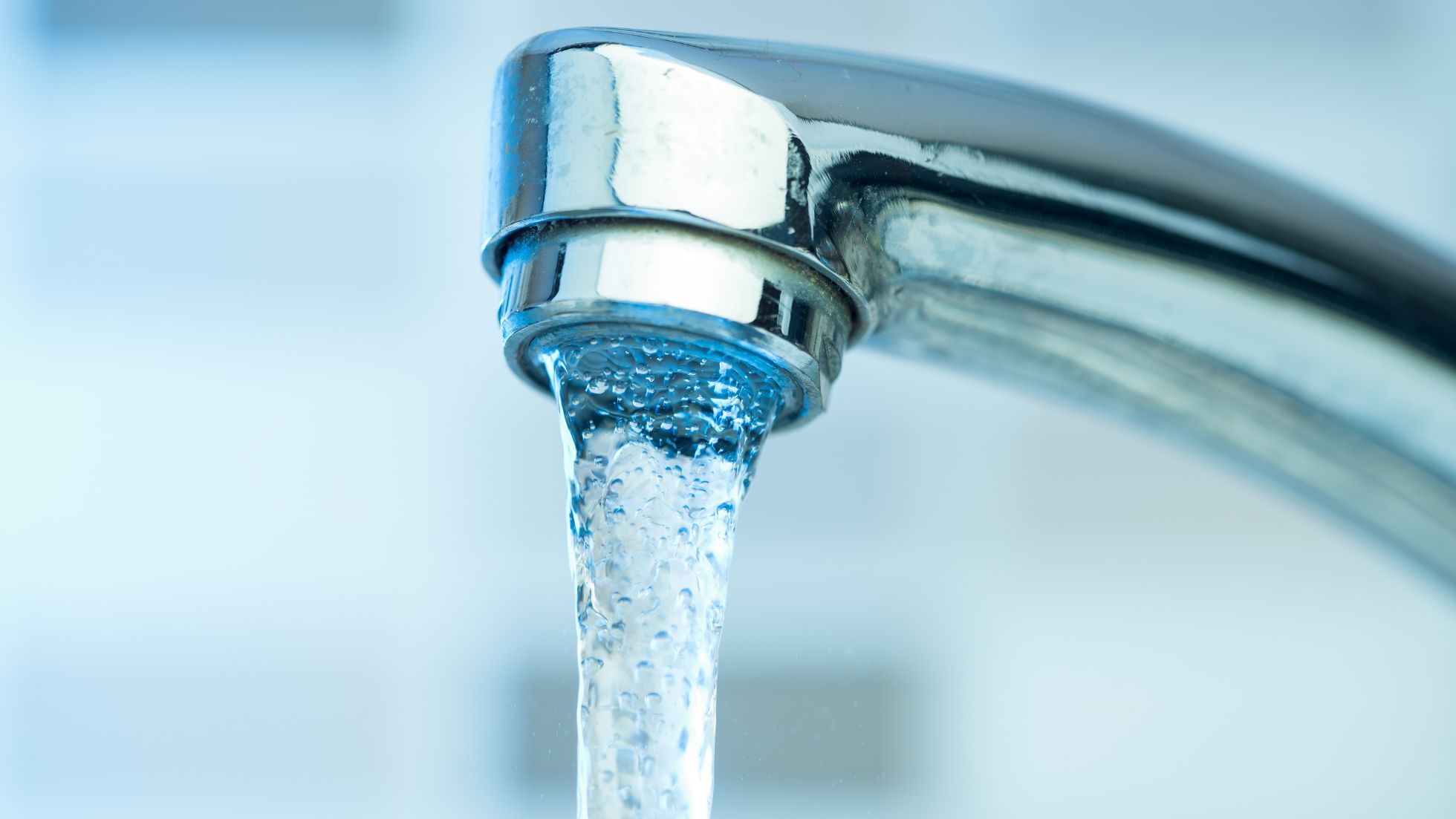
Arizona’s unique conditions amplify pressure issues. The 2024 International Plumbing Code, effective 2025, mandates PRVs for pressures over 80 psi to prevent pipe stress. Compliance avoids fines and ensures system safety.
Phoenix’s water, averaging 15 grains per gallon hardness per Salt River Project, causes scaling that restricts flow. Licensed contractors stress regular descaling to maintain pressure in Arizona’s heat-prone systems.
Arizona-Specific Plumbing Codes and Permit Needs
PRV installations require permits through City of Phoenix Planning & Development. Inspections verify adherence to 2024 IPC standards. Check contractor licensing via Arizona Registrar of Contractors for qualified installations.
Hard Water Effects and Quality Solutions in AZ
Hard water’s mineral buildup narrows pipes, lowering pressure. Installing water softeners mitigates scaling, per Arizona Department of Health Services recommendations. Seasonal heat fluctuations worsen these effects, requiring vigilant checks.
Emergency Response for Pressure Issues
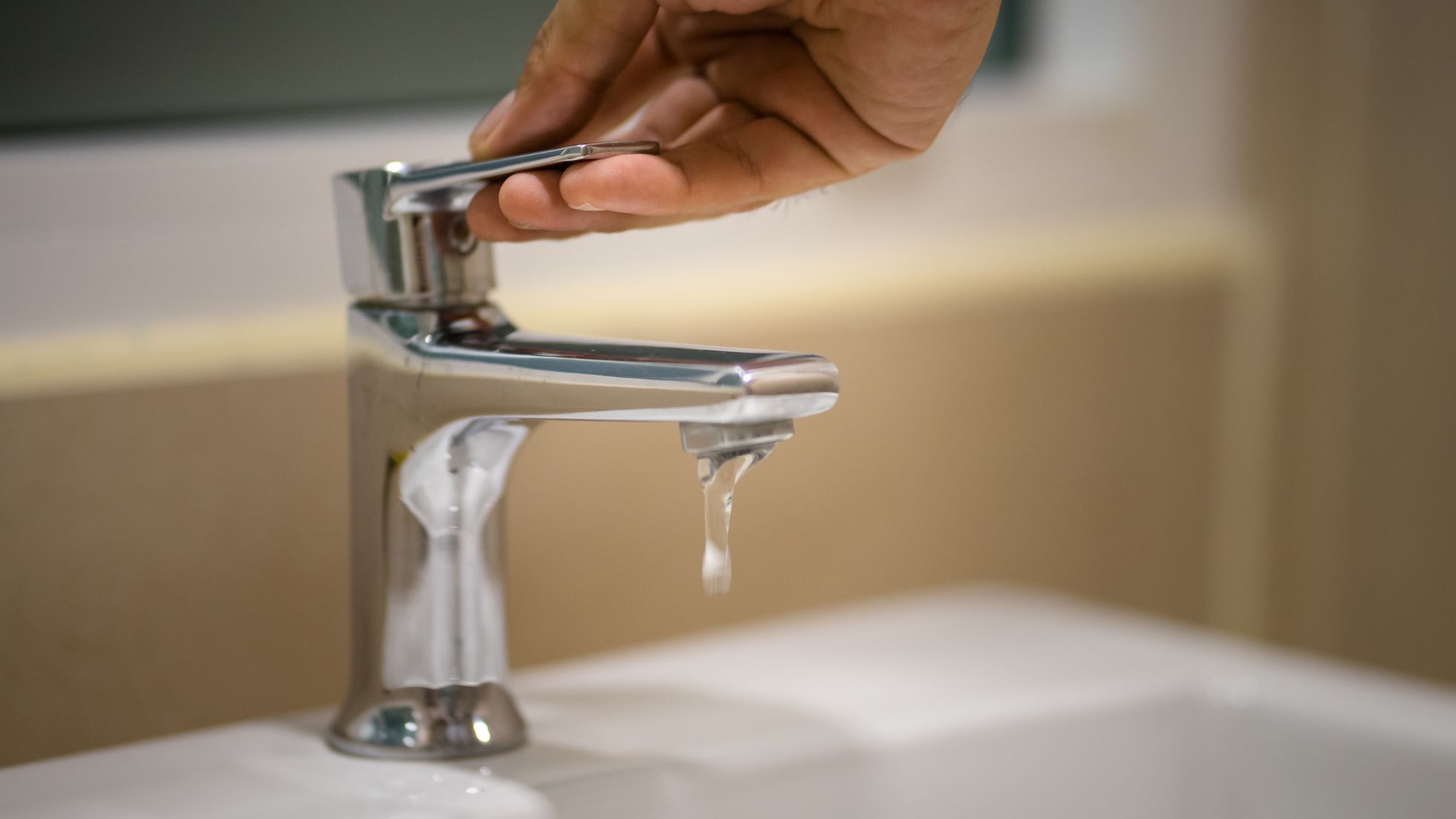
Sudden pressure drops signal potential bursts or leaks. Rapid Fire Plumbing’s 24/7 emergency service provides same-day diagnostics* to address urgent issues. This is critical in Arizona’s dry climate, where water loss escalates fast.
Licensed and insured contractors offer bond protection under Arizona law. Rapid Fire Plumbing’s 20+ years of experience ensures reliable handling of pressure emergencies.
24/7 Emergency Capabilities and Steps
Emergency diagnostics, often within hours*, use gauges to pinpoint issues. Technicians isolate leaks or adjust PRVs to restore flow. All timelines and service cost ranges are provided for general information only. Actual service duration and costs will depend on the specific plumbing issues, project complexity, scheduling availability, and agreed-upon scope of work as set forth in the written service agreement.
Licensed Qualifications and Insurance Perks
Verify credentials via Arizona Registrar of Contractors for C-37 licensing. Insurance covers mishaps during urgent fixes. Rapid Fire Plumbing’s bonds meet state standards, ensuring client security.
Step-by-Step DIY Pressure Testing
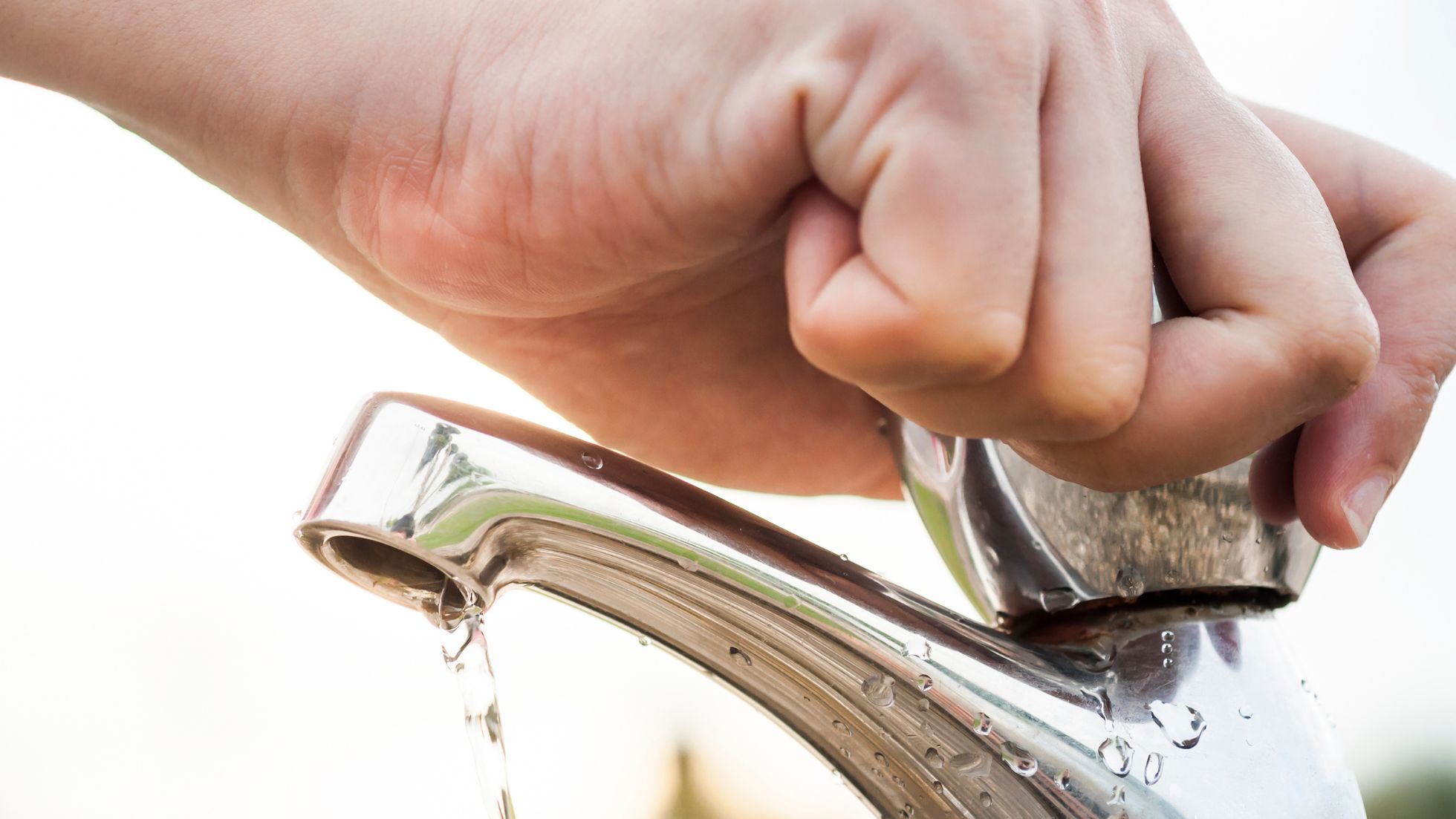
DIY testing identifies pressure issues early. Attaching a gauge to an outdoor spigot, taking 5-10 minutes*, measures psi accurately. These steps suit Arizona’s hard water-prone systems and align with local standards.
Initial Setup and Testing Phase
Turn off all water appliances and attach a gauge to a spigot. Record pressure at faucets and toilets. Ideal range is 40-80 psi for Phoenix homes.
Analysis and Quality Check
Compare readings across fixtures; low flow at one suggests scaling or leaks. High pressure indicates PRV needs. If inconsistent, professional diagnostics are advised for water mains.
Transparent Pricing for Pressure Fixes

Rapid Fire Plumbing offers upfront quotes with a beat-any-quote guarantee. Pressure fixes like PRV installs typically range $300-$1,200*, based on system complexity. Long-term savings stem from efficient flow and reduced pipe stress.
Pricing Transparency and Guarantees
Quotes detail labor and materials for whole house repipes or PRVs, per Arizona Registrar of Contractors guidelines. Competitive guarantees ensure trust. Transparency eliminates surprises for Phoenix clients.
Cost Factors and Long-Term Savings
Costs vary by hard water-resistant materials and labor rates. Preventive softeners reduce future expenses. Arizona Department of Water Resources rebates offset upgrade costs.
When to Call Professionals for Pressure Problems
Persistent low flow or sudden drops warrant professional tools. Commercial properties, like schools, require advanced testing for complex systems. Rapid Fire Plumbing’s family-owned approach offers tailored solutions with 20+ years of experience.
DIY Boundaries and Pro Shifts
DIY tests catch basic issues but miss hidden leaks in water mains. Pros use pressure sensors for accuracy. Rapid Fire Plumbing’s emergency services handle urgent cases swiftly.
Commercial vs Residential Handling
Residential fixes focus on fixtures like kitchen sinks; commercial systems involve extensive piping like gas lines. Both require code compliance. Rapid Fire Plumbing’s dual expertise ensures thorough service.
Preventive Measures for Arizona Pressure Stability
Hard water and seasonal fluctuations challenge pressure stability. Installing softeners counters 15-grain scaling. Pre-monsoon/heat checks and efficient fixtures prevent bursts and maintain flow.
Hard Water Prevention Tactics
Water softeners, professionally installed, extend pipe life in Arizona’s mineral-rich water. Regular drain cleaning prevents clogs. Consult pros per Salt River Project data for tailored solutions.
Seasonal and Conservation Advice
Test pressure before monsoons or extreme heat to avoid fluctuations. Low-flow faucets qualify for Arizona Department of Water Resources rebates. These steps enhance efficiency in Phoenix’s climate.
FAQ
How do I test water pressure at home?
Attach a gauge to an outdoor spigot, record psi with appliances off, aiming for 40-80 psi.
What causes low water pressure in Arizona homes?
Hard water scaling (15 grains/gallon) or leaks narrow pipes, reducing flow.
DIY gauge test for home water pressure?
Use a pressure gauge at a spigot, taking 5-10 minutes*, to check psi.
Toilet flow issues from low pressure?
Weak flush suggests scaling; test pressure and inspect valves.
Best fixes for hard water pressure problems in AZ?
Install water softeners to reduce scaling; consider professional PRV.
Prevent scaling from Arizona hard water?
Regular descaling and softeners combat 15-grain hardness per SRP.
How does heat affect water pressure in Arizona?
Extreme heat expands pipes, worsening scaling; test seasonally.
Underground leak effects on water pressure?
Leaks reduce pressure; check for soggy yard patches.
When is emergency plumber needed for pressure issues?
Call for sudden drops below 40 psi or visible leaks needing immediate fixes*.
Same-day service for water pressure diagnostics?
Licensed contractors often offer same-day testing*.
Signs of pressure regulator failure?
Pressures over 80 psi or inconsistent flow indicate PRV issues.
Do plumbers offer pricing guarantees for repairs?
Seek upfront quotes and beat-any-quote promises, like Rapid Fire Plumbing’s.
Why choose family-owned plumbers for pressure fixes?
Family-owned firms offer personalized, reliable service with local expertise.
Cost of professional pressure testing?
Testing ranges $100-$400*, depending on system complexity.
Insurance cover for pressure-related damage?
Sudden leaks may be covered; gradual damage often isn’t.
Commercial vs residential water pressure testing?
Commercial systems need advanced tools for larger networks.
Pro vs DIY pressure adjustment pros/cons?
DIY is cost-effective but limited; pros ensure accurate fixes.
Rebates for pressure-improving fixtures in AZ?
Yes, via Arizona Department of Water Resources for efficient fixtures.
Permits needed for PRV installs in Phoenix?
Yes, per 2024 IPC via City of Phoenix.
How to verify plumber license in Phoenix?
Check credentials via Arizona Registrar of Contractors.
Sources
Arizona Plumbing Resources
- Arizona Registrar of Contractors – Plumbing code amendments to 2024 IPC
- City of Phoenix Planning & Development – Permit/inspection info for PRV installs
Professional and Industry Association Sources
- Salt River Project – Water quality/hardness data for Phoenix
- Arizona Department of Health Services – Water condition and treatment information
Government and Regulatory Authorities
- Arizona Department of Water Resources – Conservation rebates, seasonal pressure tips
- Phoenix Building Codes – Details 2024 IPC standards for plumbing fixes
Service Consultation Disclaimer
This article provides general information about Arizona plumbing services and should not be considered as specific service advice for your project. Plumbing issues, costs, and procedures vary significantly based on individual circumstances, jurisdiction within Arizona, and specific project details. Service schedules, project timelines, and plumbing processes can be affected by many factors specific to each situation. All timelines and service cost ranges are provided for general information only. Actual service duration and costs will depend on the specific plumbing issues, project complexity, scheduling availability, and agreed-upon scope of work as set forth in the written service agreement. For free consultation and qualified service for your specific Arizona plumbing needs, contact Rapid Fire Plumbing or call 623-810-6166. Our licensed Arizona plumbing contractors will provide personalized service analysis based on your specific needs and circumstances. No service agreement is created by reading this article.
