Plumbing services Phoenix AZ homeowners rely on spike in summer for good reason. Triple-digit heat, long dry spells, and monsoon storms all stress pipes, fixtures, and drains in ways that cooler climates rarely see. A system that worked fine in March can show leaks, clogs, or water heater strain by July. Knowing the seasonal patterns helps you catch small issues before they turn into costly repairs.
This article covers five plumbing problems that appear often in Phoenix-area homes during summer. It explains what to watch for, practical steps you can take, and when to call a licensed plumber. For full-service help with diagnosis and repair, see Plumbing Services from Rapid Fire Plumbing.
Key Takeaways
- Summer heat increases demand on water heaters and outdoor fixtures, which can expose wear that went unnoticed in cooler months.
- Monsoon rains can overload drains and sewer lines, especially where yard debris or root intrusion already restricts flow.
- Hard water is common in the Phoenix area and can accelerate scale buildup on fixtures and inside water heaters over time.
- Outdoor hose bibs, irrigation lines, and pool equipment are frequent leak sources when temperatures swing and systems run harder.
- Early signs—slow drains, warm tap water that runs too hot, damp spots near slabs, or dripping exterior faucets—are worth addressing before they worsen.
Problem 1: Water Heater Strain From Higher Summer Demand
Guests, laundry, and longer showers add load when school is out and temperatures climb. Tank and tankless units both work harder. Sediment that settled during the year can reduce efficiency and make the unit run longer to reach temperature. In the Phoenix metro, many homes also deal with hard water, which contributes to mineral buildup inside the tank or on heat exchanger surfaces.
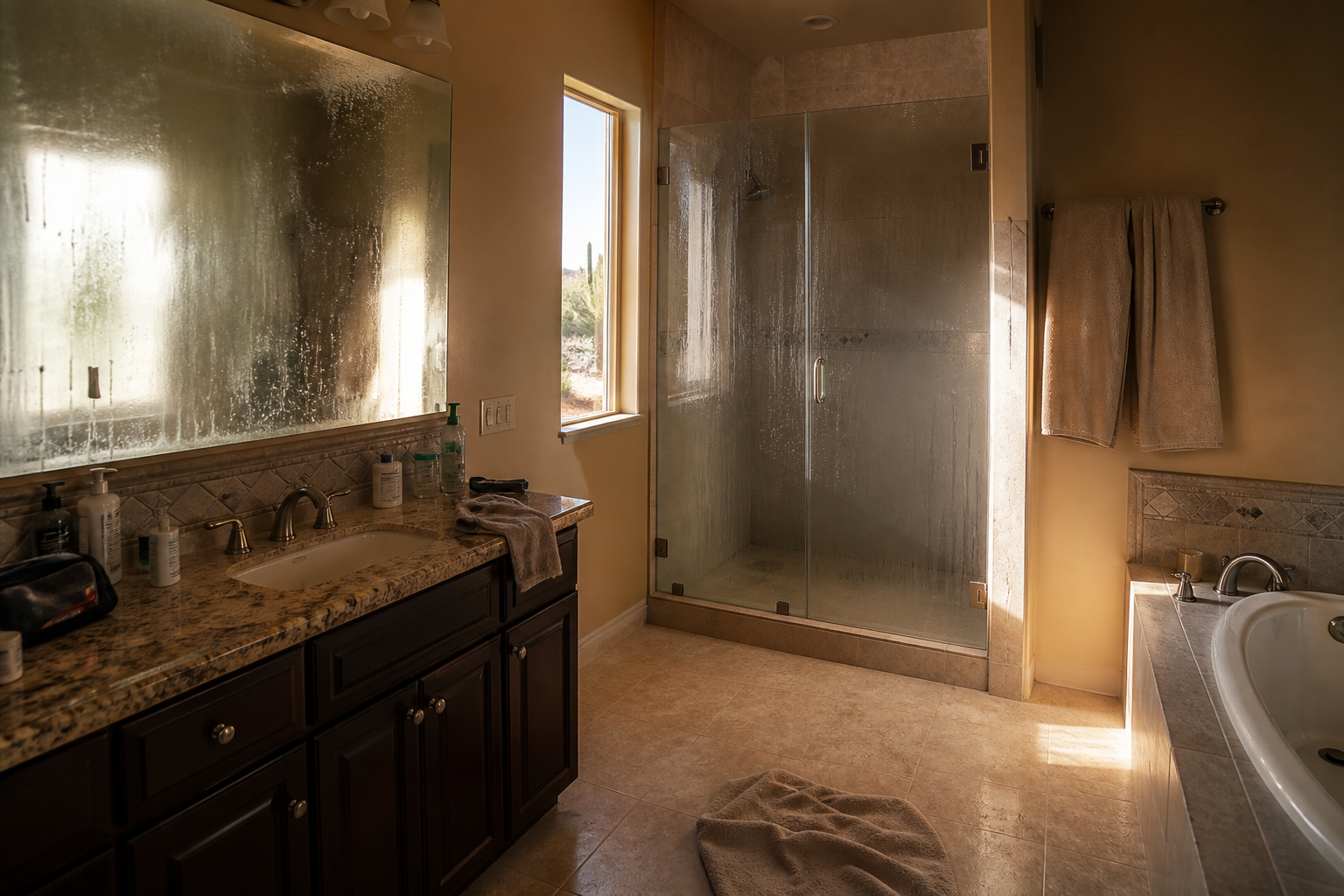
Signs of trouble include rumbling or popping from a tank unit, water that runs hotter than your thermostat setting, rust-colored hot water, or a relief valve that drips regularly. Flushing sediment on a schedule appropriate for your water quality can help. Rapid Fire Plumbing services both tank and tankless models; see water heaters for maintenance and replacement options. For a DIY-friendly overview of sediment removal, read how to flush your water heater without calling a pro.
Problem 2: Outdoor Hose Bibs and Irrigation Leaks
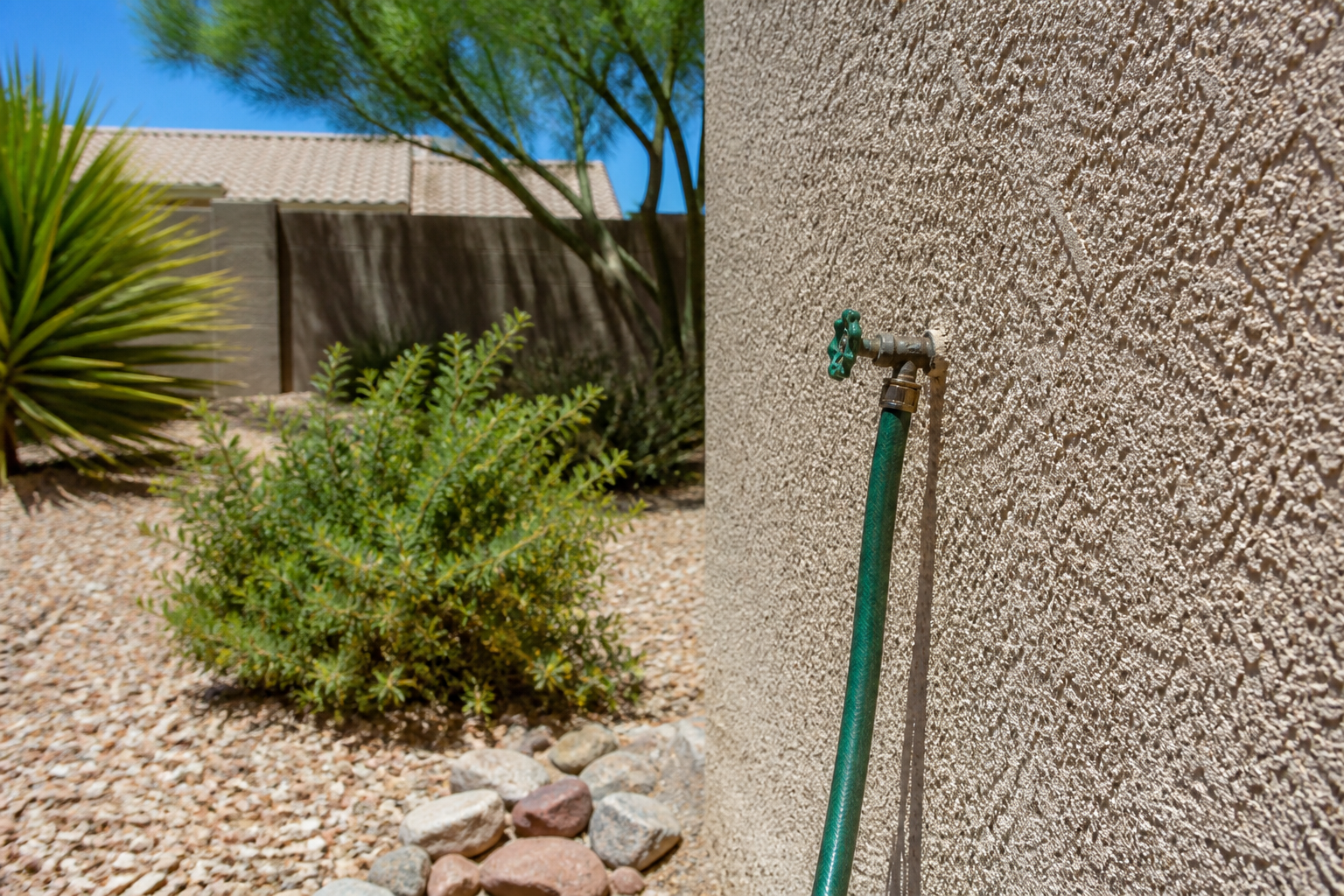
Exterior faucets and irrigation systems see heavy use in summer. Heat expansion, worn washers, cracked vacuum breakers, and aging poly pipe in landscaping zones can all produce slow drips or sudden breaks. A leak at a hose bib may seem minor, but it wastes water and can erode soil near the foundation or pool deck.
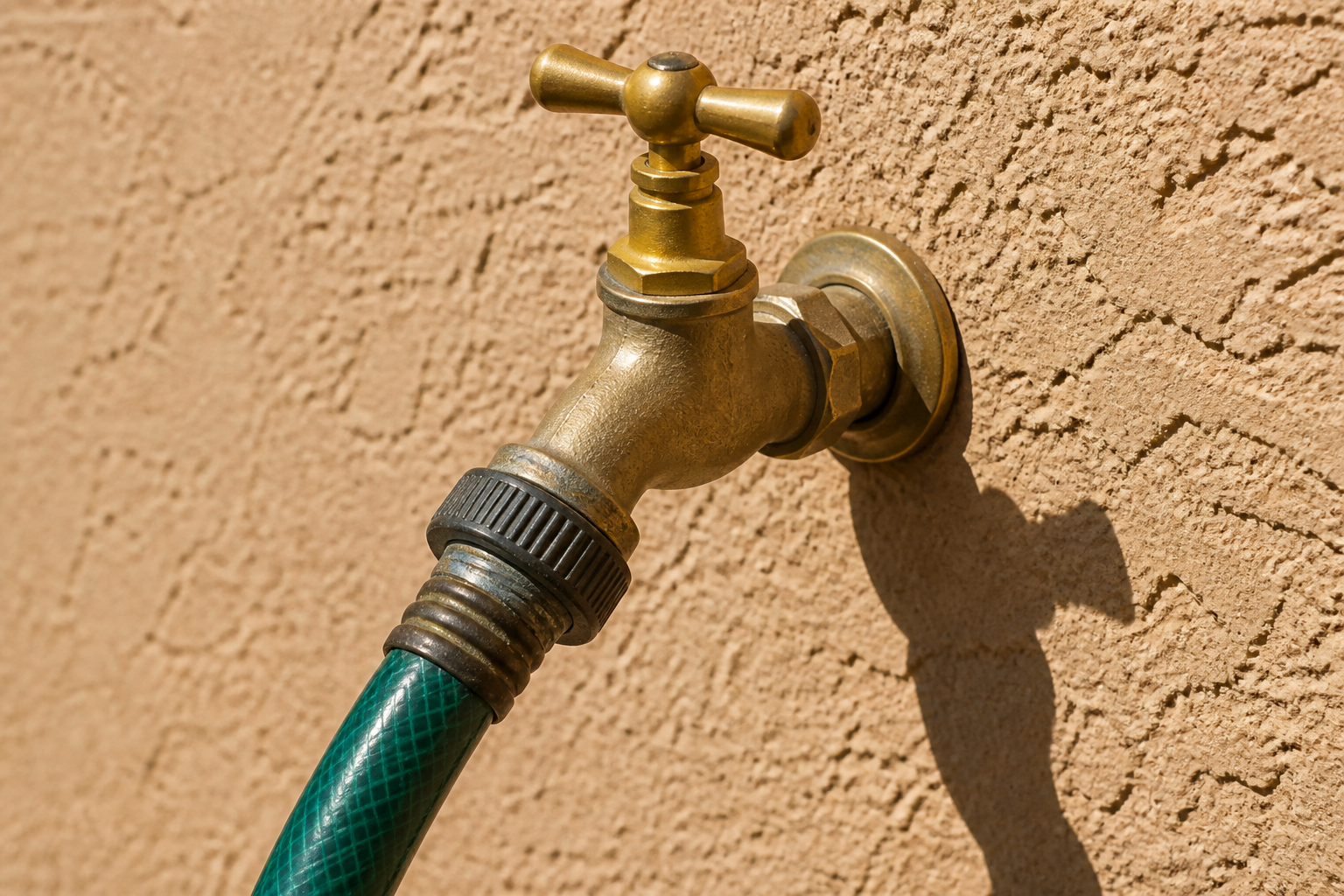
Check bibs after the first long hot stretch. Look for wet soil, green patches in dry turf, or water staining on stucco. Shut off the supply to unused lines when you leave town. If a bib will not seal or the supply line behind the wall is leaking, professional repair is safer than repeated washer swaps that mask a deeper fault.
Irrigation clocks that run during the hottest part of the day increase pressure swings in buried lines. Split lateral zones so turf and drip run on separate schedules. If you notice a zone that never fully pressurizes, the line may be cracked underground before water ever reaches the emitters.
Problem 3: Drain and Sewer Backups During Monsoon Season
Phoenix monsoon storms drop heavy rain in short windows. Roof runoff, yard debris, and soil can enter older sewer laterals or overwhelm floor drains and patio drains. Trees common in established neighborhoods send roots toward moisture; roots plus grease or wipes in the line are a frequent backup recipe.
Warning signs include gurgling toilets, water rising in a shower when a toilet flushes, or a floor drain that backs up after rain. Professional drain work may include snaking, hydro-jetting, or video inspection to locate the restriction. Learn more about professional drain cleaning and clog removal when home remedies no longer clear the line.
Garage floor drains and patio area drains that sit dry most of the year may not move debris until a storm arrives. Test them with a hose in late spring. Remove leaves and gravel from grate openings. A backup that reaches finished flooring or drywall is no longer a weekend DIY project—it requires cleanup and line repair before the next storm.
Problem 4: Hard Water Scale on Fixtures and Appliances
Central Arizona water supplies are generally hard. Over time, calcium and magnesium deposits narrow fixture openings, stiffen cartridge valves, and coat heating elements. Summer is when many owners notice reduced shower flow or a dishwasher that no longer rinses cleanly—not because hardness changed overnight, but because buildup crossed a threshold after months of use.
Clean aerators and showerheads on a schedule. Watch for white crust at faucet mouths and around toilet rim holes. Water heater maintenance matters here too; scale insulates the bottom of a gas tank or fouls a tankless exchanger. A licensed plumber can advise whether fixture replacement, water heater service, or whole-home treatment fits your situation without promising a single universal fix.
Kitchen sprayers and single-handle faucets often fail at the cartridge when scale binds the mixing mechanism. Replacing the cartridge after soaking may work on a newer fixture; older bodies with pitted seats may need full replacement. Document which fixtures fail repeatedly— that pattern helps a plumber distinguish localized scale from pressure-related stress.
Problem 5: Pipe Stress, Slab Moisture, and Hidden Leaks
Extreme heat causes materials to expand. Copper, PEX, and older polybutylene lines can develop pinhole leaks or joint failures, sometimes beneath slabs or inside walls. You may see a warm floor spot, an unexplained spike on a water bill, or the sound of running water when nothing is open.
Slab leaks are not exclusive to summer, but heat-related ground movement and seasonal irrigation changes can make them easier to notice when soil moisture shifts. Do not ignore damp carpet, mildew odor, or a meter that spins with all fixtures off. Leak location and repair method depend on pipe type and access; annual plumbing inspections can document baseline conditions before peak season.
Homes with copper lines embedded in concrete may develop pinholes after years of use. PEX repipes shift failure points to fittings and transitions. Neither material is immune to summer stress. If you are planning remodel work that opens walls or floors, ask for a visual check of visible piping while access is available—small corrosion spots are easier to address before they become active leaks.
When to Schedule Plumbing Services Versus Emergency Help
Slow drains, a single dripping bib, or a water heater that runs louder than last year usually fit a scheduled visit during regular business hours. Active flooding, sewage indoors, or a main line break that will not isolate at a valve require emergency plumbing services. The distinction matters for safety and for limiting damage.
Many summer issues start in the gray area—a small ceiling stain, a warm spot on tile, a toilet that occasionally gurgles. Those symptoms deserve a timely inspection even when they are not emergencies yet. Addressing them in June often prevents a midnight call in August when monsoon rain coincides with a partial clog.
Seasonal Maintenance Checklist for Phoenix Homeowners
- Test hose bibs and irrigation zones for drips and stuck valves.
- Flush or service the water heater according to manufacturer guidance and local water conditions.
- Clear roof gutters, downspouts, and yard drains before the first monsoon forecasts.
- Clean faucet aerators and showerheads; replace cartridges that no longer seal.
- Schedule drain cleaning if you have had slow fixtures or prior backups.
None of these steps eliminate every risk, but they reduce the chance that a minor summer annoyance becomes an emergency. When a problem persists after basic checks, licensed Plumbing Services are the appropriate next step.
Frequently Asked Questions
Why do plumbing problems seem worse in Arizona summers?
Heat increases water use, stresses outdoor plumbing, and dries soil before monsoon rains arrive. Those conditions expose weak fittings, partial clogs, and aging water heaters that may have tolerated cooler months.
Is hard water in Phoenix bad for plumbing?
Hard water is common in the region. It can leave scale on fixtures and inside water heaters over time. Management options vary by home; a plumber can inspect your fixtures and heater before recommending service or replacement.
Should I flush my water heater every summer?
Follow the manufacturer instructions for your model. Many Phoenix homeowners flush or have a tank unit serviced periodically to remove sediment. Tankless units may need descaling on a different schedule.
When is a slow drain an emergency?
A single slow sink is usually not urgent. Multiple fixtures backing up, sewage odor, or water entering the home after rain warrants prompt professional attention. See emergency plumbing services if water is actively entering living space.
Can I prevent monsoon sewer backups?
Keep drains and yard grates clear, avoid flushing wipes or grease, and address recurring clogs before storm season. Severe root intrusion may require camera inspection and mechanical cleaning.
Conclusion
Plumbing services Phoenix AZ residents need most in summer often involve water heaters, outdoor leaks, drain backups, hard water wear, and hidden pipe failures. Catching symptoms early limits water damage and repair scope. For inspection, repair, or seasonal maintenance in the Phoenix area, contact Rapid Fire Plumbing at (623) 810-6166.
References
- International Plumbing Code (IPC) Chapter 6, water supply and distribution.
- Arizona Registrar of Contractors (AZ ROC), licensing and consumer resources for hiring contractors in Arizona.
- City of Phoenix Planning & Development, local building and development information.
