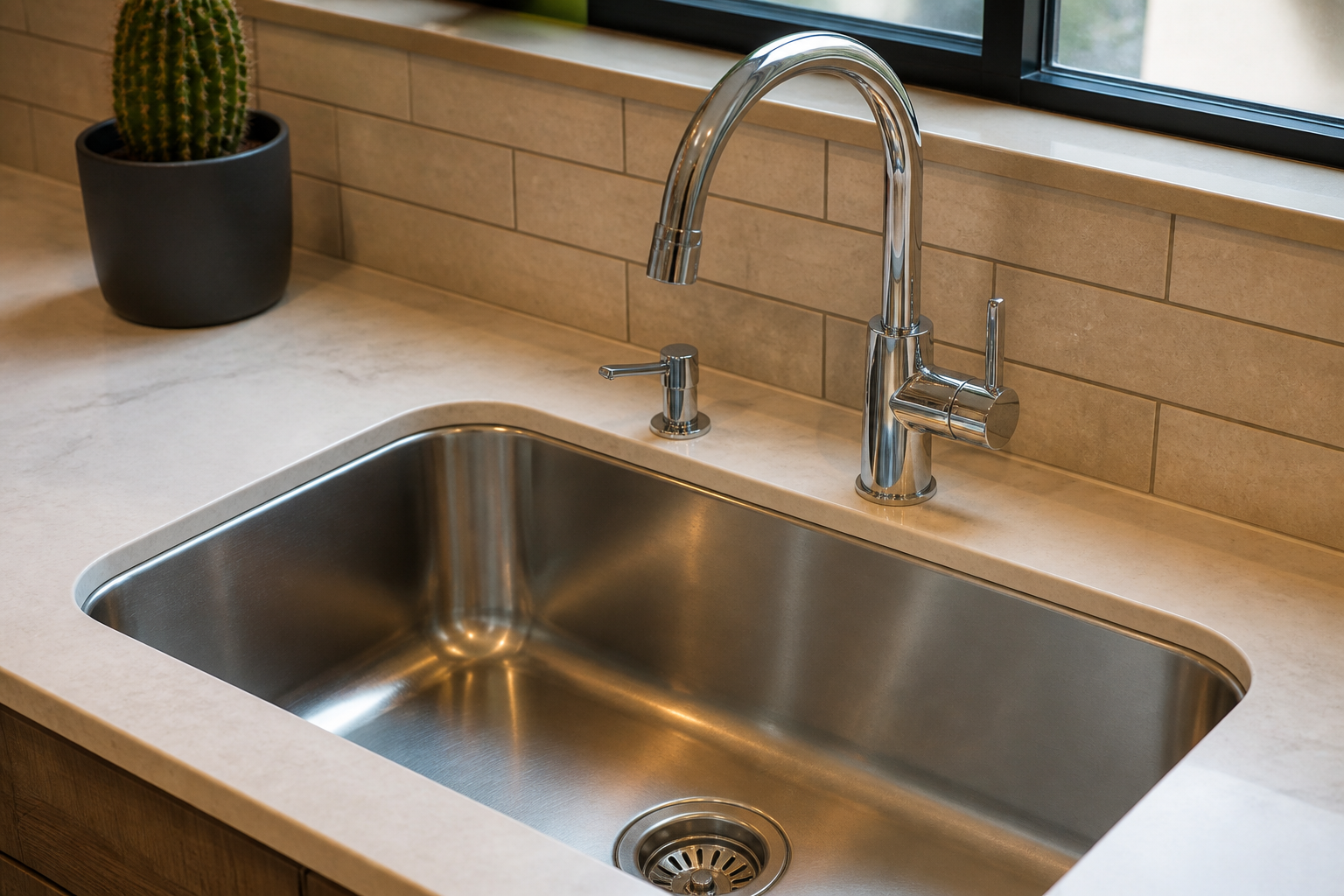
DIY tips to reduce drain buildup between cleanings help drain cleaning Phoenix AZ homeowners stay ahead of clogs with small daily habits, not only with a call when water stops moving. Kitchen sinks, bathroom drains, and floor drains in Phoenix homes face hard water, summer heat, and monsoon-season debris that can build up inside pipes over time. The goal is to keep material from collecting where it is hard to reach, and to know when a slow drain needs professional help before it becomes a full blockage.
This guide covers practical steps for busy households, what to watch for when a drain slows, and when to schedule professional Drain Cleaning. None of these steps replace licensed service when a line is fully blocked or when multiple fixtures back up at once.
Key Takeaways
- Phoenix-area hard water and heat can contribute to mineral buildup and grease that sticks inside drain lines.
- Keeping fats, oils, and fibrous food out of kitchen drains helps reduce clogs in the trap and farther down the line.
- A drain that is slower than usual, gurgling, or smelling bad is a sign to act before water stops flowing.
- Professional drain cleaning can include snaking, hydro-jetting, and video inspection when buildup is beyond what household tools reach.
- Licensed Arizona plumbing contractors are registered with the Arizona Registrar of Contractors (ROC).
Why Phoenix Drains Need Regular Attention
Phoenix sits in a desert climate with hard water common across the metro area. Mineral deposits can collect on pipe walls and fixture aerators over time. Combined with grease from cooking and soap residue from showers, that buildup can narrow the inside of a drain line. Summer heat can also soften grease so it flows farther into the pipe before it cools and solidifies on a cooler section of the line.
Monsoon season brings heavy rain, wind, and debris. Outdoor floor drains, patio drains, and roof-related drainage can carry leaves, sand, and silt into the system if covers are missing or gutters overflow. Indoor drains are less exposed to storm debris, but homes with older galvanized or cast-iron lines may still see scale and corrosion that catch hair and food particles more easily than smooth modern piping.
Regular attention does not mean you need to open pipes yourself. It means choosing what goes down the drain, flushing with hot water when appropriate, and scheduling service when performance changes.
Daily and Weekly Habits That Help
Most drain problems start with what enters the line. Small changes in the kitchen and bathroom can reduce how often you need drain cleaning Phoenix AZ residents sometimes postpone until a backup occurs.
- Kitchen: Wipe greasy pans with a paper towel before washing. Use a sink strainer for food scraps. Avoid pouring cooking oil or fat down the drain; collect it in a container and dispose of it in the trash.
- Garbage disposal: If you have one, run cold water while it operates and for several seconds after. Avoid fibrous items such as celery strings, corn husks, and potato peels that can wrap around the impeller.
- Bathroom: Use a hair catcher in shower and tub drains. Clean it weekly. Toothpaste and soap scum build slowly but steadily in bathroom traps.
- Laundry: Check washing machine discharge hoses for kinks. Lint screens on some models need periodic cleaning so lint does not enter the standpipe.
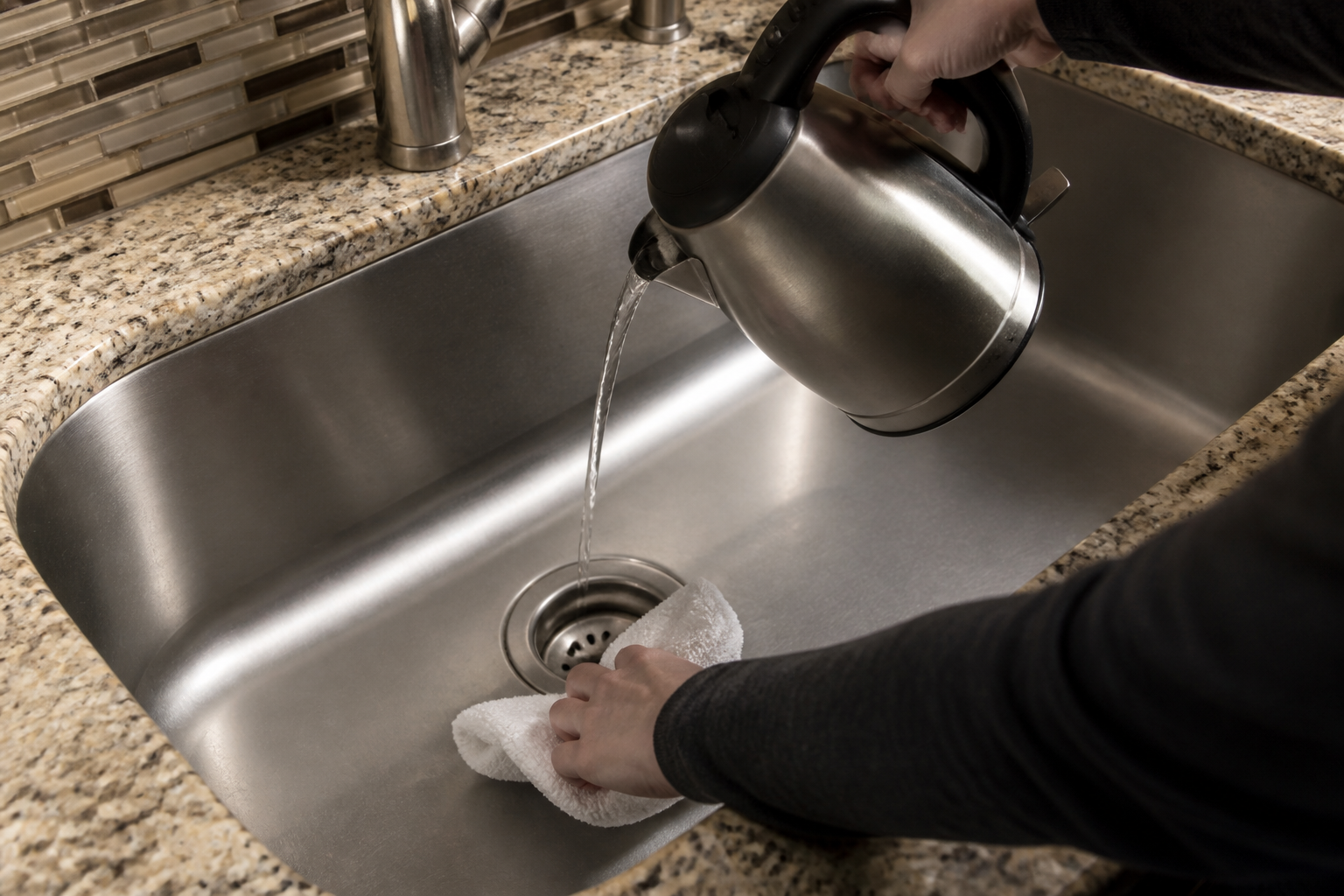
- Hot water flush: Once a week, run very hot tap water down kitchen drains for a minute after normal use. This can help move light grease that has not yet hardened. It is not a substitute for professional cleaning on a badly restricted line.
These habits are designed to reduce load on the system. They do not guarantee a drain will never clog, especially in older homes with long horizontal runs or shared lines.
What to Do When a Drain Slows Down
A slow drain is often the first warning before a full stoppage. Address it early rather than waiting for standing water.
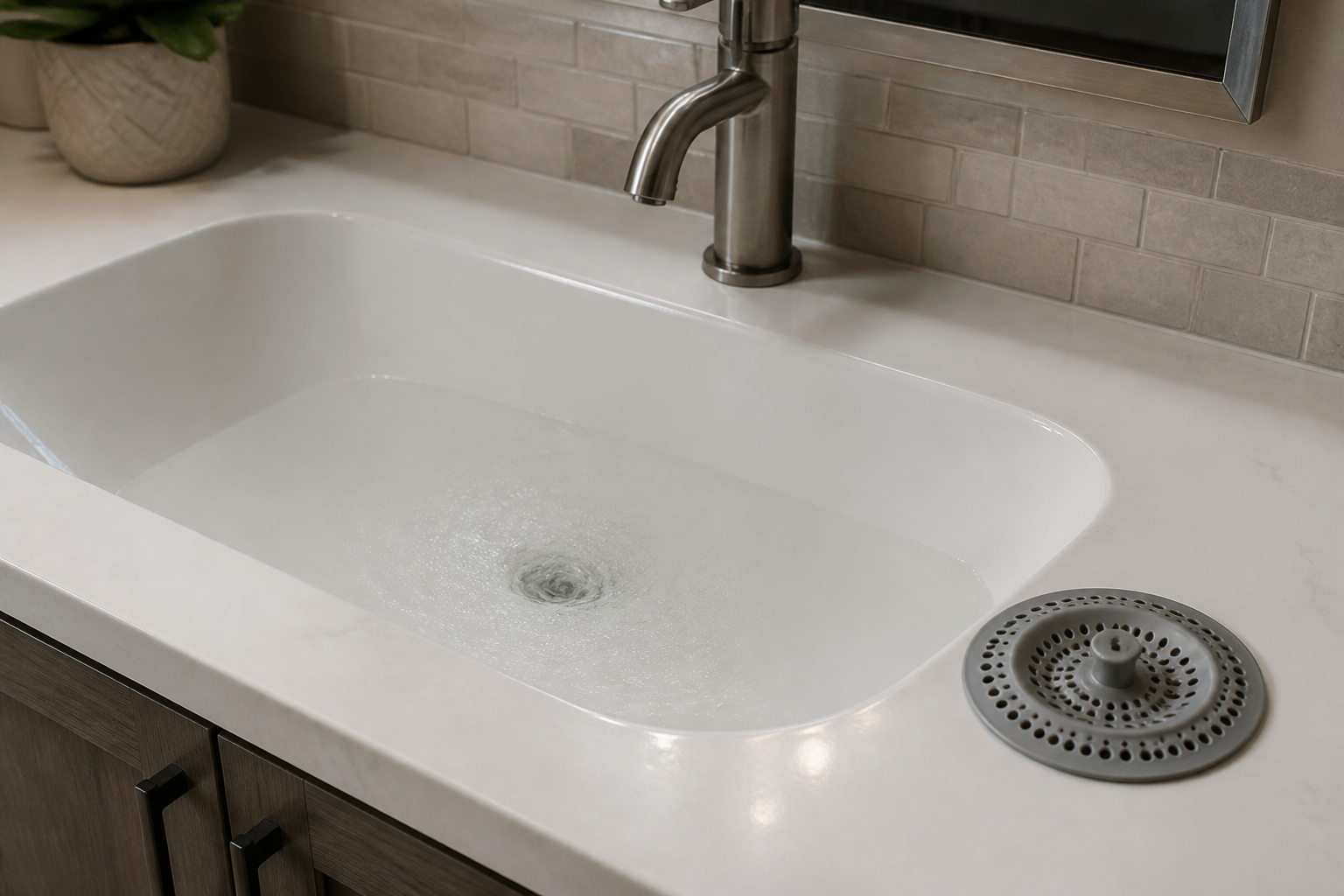
Start with the simplest steps:
- Remove visible debris from the strainer or stopper. Hair and food often collect at the opening before they reach the trap.
- Check the trap under the sink if you are comfortable doing so. Place a bucket beneath the curved pipe, loosen the slip nuts, and clear the trap. Reassemble hand-tight and test with water. If the trap was full of sludge, that alone may restore flow.
- Plunge with the right technique. For a sink, block the overflow opening with a wet rag so pressure goes down the drain. Use a cup plunger with enough water to cover the bell. Several firm pumps may dislodge a soft clog near the trap.
- Avoid harsh chemical drain openers as a first resort. They can damage older pipes and are hazardous if mixed with other products. They also may not reach a clog far from the fixture.
If one fixture is slow while others on the same floor drain normally, the problem is likely local to that branch. If multiple fixtures gurgle or back up together, the issue may be in a main line or vent. That pattern usually calls for a licensed plumber rather than repeated plunging.
Professional Drain Cleaning and When It Helps
Household tools reach only a short distance. Buildup on pipe walls, tree roots in sewer lines, and compacted grease blocks often need equipment operators trained to use safely.
Rapid Fire Plumbing offers drain services that include snaking, hydro-jetting, and video inspection for Phoenix-area homes and businesses. Snaking can break through or retrieve a clog. Hydro-jetting uses high-pressure water to scour the inside of the line, which can help with grease and scale when the pipe condition allows. Video inspection lets a technician see what is inside the line before choosing the next step.
Consider scheduling professional Drain Cleaning when:
- The same drain slows again within weeks of clearing the trap.
- More than one fixture on the same line is affected.
- You smell sewer gas from a drain that is rarely used.
- You are buying or selling a home and want the drain lines assessed.
- DIY clearing restored flow briefly but the problem returned.
Rapid Fire Plumbing provides residential and commercial plumbing in Phoenix. For urgent backups or overflows, emergency plumbing services are available 24/7. Routine drain maintenance can often be scheduled during regular business hours listed on the contact page: Monday through Friday 8:00 am to 5:00 pm, and Saturday and Sunday 8:00 am to 12:00 pm.
Seasonal Tips for Phoenix Homes
Seasonal shifts in Phoenix can affect drains even when temperature swings are mild compared with other regions.
- Before monsoon season: Clear debris from outdoor drain grates and check that downspouts direct water away from the foundation rather than into window wells or low patio drains.
- During summer travel: If a home sits empty, run water briefly in unused sinks, tubs, and floor drains every week or two. Dry traps can let sewer gas enter the house.
- After heavy rain: If a floor drain backs up, note whether the problem happens only during storms. That detail helps a plumber distinguish a local clog from drainage or sewer line issues.
- Year-round: Replace worn stoppers and strainers. A missing strainer invites hair and debris into lines that are harder to clean than the fixture opening.
Pair drain care with general home plumbing awareness. See the full list of plumbing services Rapid Fire Plumbing offers when you want a single point of contact for related work.
Frequently Asked Questions
How often should Phoenix homeowners clean their drains?
There is no fixed interval that fits every home. Drains used heavily for cooking may need professional attention more often than a guest bathroom that sees light use. A practical approach is to maintain daily habits, respond when flow slows, and schedule professional cleaning when clogs repeat or when video inspection is recommended.
Does hard water in Phoenix cause drain clogs?
Hard water can leave mineral deposits on pipe walls and fixtures over time. Those deposits can catch hair, grease, and soap and contribute to slower drainage. Water softening is a separate household decision; drain maintenance still helps regardless of water treatment.
Are chemical drain cleaners safe for pipes?
Many products are caustic and can harm older metal pipes, joints, and finishes if used repeatedly or incorrectly. They may not clear a clog far from the fixture. Mechanical clearing or professional hydro-jetting is often more appropriate for stubborn blockages.
What is hydro-jetting?
Hydro-jetting sends pressurized water through a drain line to remove buildup on interior walls. A plumber evaluates pipe material and condition before using it, because not every line is a suitable candidate.
When is a slow drain an emergency?
A single slow sink is usually not an emergency. Active sewage backup into the home, water overflowing from a fixture, or multiple drains backing up at once need prompt attention. Rapid Fire Plumbing offers 24/7 emergency service for urgent situations.
Conclusion
DIY tips to reduce drain buildup between cleanings come down to what you put down the line, how quickly you respond to slow flow, and when you call for professional help. Hard water, heat, and seasonal rain add reasons to stay ahead of buildup rather than waiting for a full blockage. For drain cleaning Phoenix AZ homeowners can rely on, contact Rapid Fire Plumbing at (623) 810-6166.
References
- Arizona Registrar of Contractors (ROC) — licensing information for plumbing contractors in Arizona.
- International Plumbing Code (IPC), Chapter 6 — water supply and distribution standards referenced by many jurisdictions.
