Plumbing repairs can drain your wallet, but they don’t have to. Regular maintenance can save you thousands in costly fixes. This guide will show you how to spot common issues early, implement effective prevention techniques, and conserve water to avoid damage. You’ll learn key seasonal tasks and the value of having a trusted plumber. By following these tips, you can protect your home and budget from unexpected plumbing disasters.
Key Takeaways
- Regular preventative maintenance reduces plumbing costs and prevents expensive emergency repairs
- Visual inspections help identify potential issues before they become major problems
- Monitoring water pressure can detect early signs of plumbing problems
- Water-saving fixtures and appliances reduce strain on pipes and extend system longevity
- Establishing a relationship with a trusted plumber ensures prompt assistance for complex issues
Understanding the Impact of Preventative Maintenance on Plumbing Costs
Regular preventative maintenance significantly reduces plumbing costs over time. By addressing minor issues before they escalate, homeowners can avoid expensive emergency repairs and extend the lifespan of their plumbing systems.
One key area of focus is the sump pump, which prevents basement flooding. Regular testing and cleaning of the pump and its components can prevent water damage and the associated stress of dealing with a flooded home.
Inspecting and replacing worn hoses on appliances like washing machines and dishwashers is another crucial maintenance task. This simple step can prevent leaks that could lead to extensive water damage and costly repairs.
Proper maintenance of water heaters, including flushing the tank annually, can improve energy efficiency and extend the unit’s lifespan. This reduces both energy costs and the likelihood of unexpected breakdowns.
By implementing a comprehensive preventative maintenance plan, homeowners can minimize the stress associated with plumbing emergencies and save money in the long run. Regular check-ups and timely repairs ensure a well-functioning plumbing system.
Identify Common Plumbing Issues Through Regular Inspections
Regular inspections are a crucial investment in preventing costly plumbing problems. Homeowners should schedule routine visual checks of visible pipes, water heaters, and sump pumps. Monitoring water pressure levels can detect potential issues in sewer lines early. By identifying common plumbing concerns promptly, homeowners can avoid reliance on chemical drain cleaners and minimize the risk of expensive repairs.
Schedule Routine Visual Inspections Around Your Home
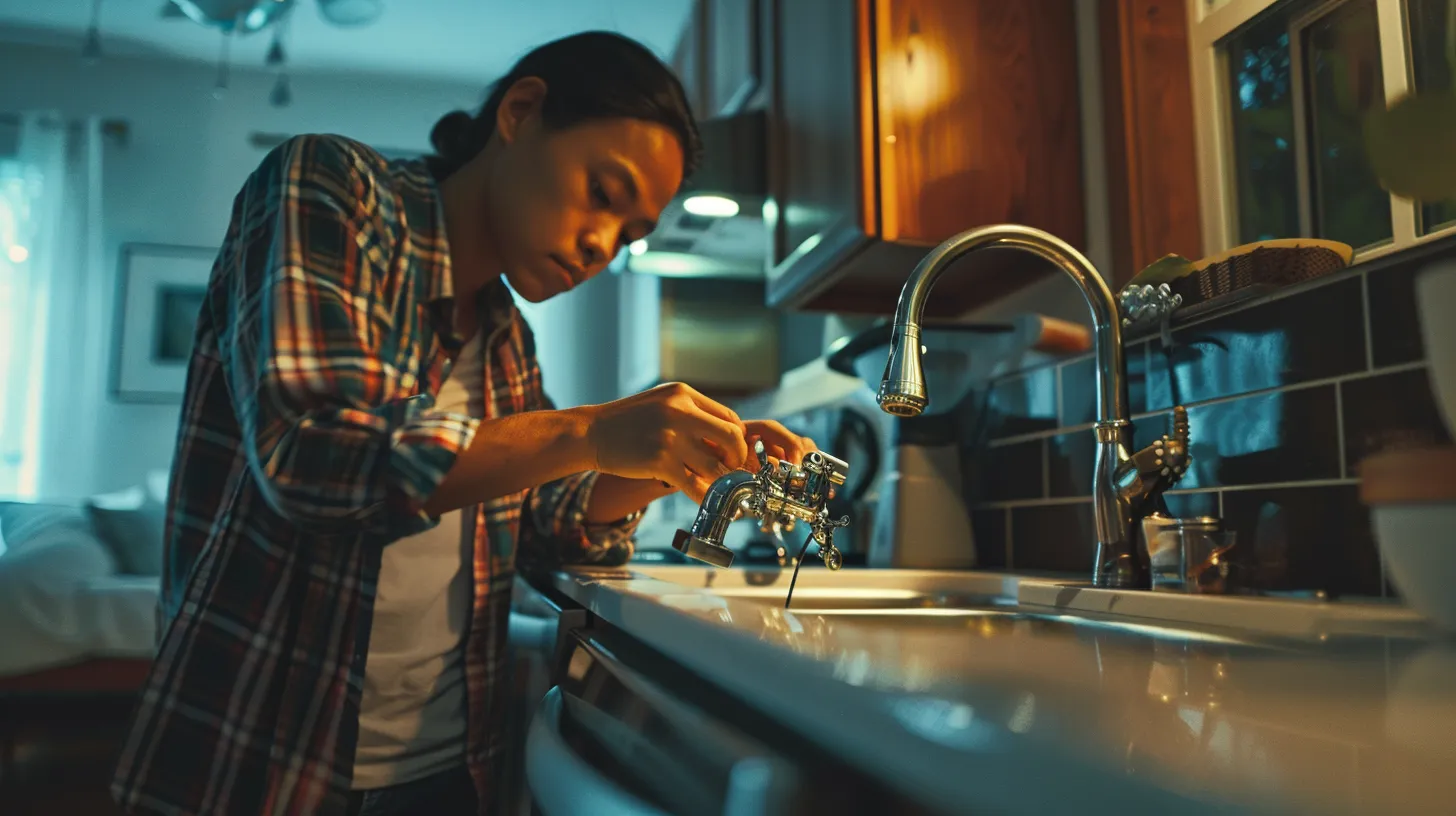
Homeowners can save money by conducting routine visual inspections of their plumbing systems. These checks help identify potential plumbing issues before they escalate into costly problems. By examining visible pipes, faucets, and fixtures, homeowners can spot signs of wear, leaks, or corrosion early on.
Regular inspections should include examining drains for slow water flow, which may indicate a developing clog. Homeowners should also check under sinks and around toilets for any signs of moisture or water damage. These simple observations can prevent minor issues from turning into major plumbing emergencies.
While homeowners can perform many visual inspections themselves, it’s advisable to schedule annual check-ups with a local plumber. Professional inspections can uncover hidden problems and provide expert insights on maintaining the plumbing system. This proactive approach helps homeowners avoid unexpected repair costs and extend the lifespan of their plumbing infrastructure.
- Check visible pipes and fixtures
- Examine drains for slow water flow
- Look for signs of moisture or water damage
- Schedule annual professional inspections
Check All Visible Pipes for Signs of Wear and Damage
Regular inspection of visible pipes is crucial for identifying potential plumbing issues early. Homeowners should examine pipes in basements, crawl spaces, and under sinks for signs of corrosion, leaks, or damage. This proactive approach helps prevent sanitation problems and costly repairs related to sewage backups.
When checking pipes, look for discoloration, dampness, or mineral buildup, which may indicate developing leaks. Pay special attention to joints and connections, as these are common areas for leaks to occur. Proper disposal of feminine hygiene products can prevent clogs and maintain the integrity of pipes.
Homeowners should also be aware of unusual sounds or odors coming from pipes, as these can signal underlying issues. Regular inspections allow for timely repairs, preventing minor problems from escalating into major plumbing emergencies. A systematic approach to pipe maintenance can significantly reduce long-term plumbing costs:
- Inspect visible pipes monthly
- Check for signs of corrosion or leaks
- Examine pipe joints and connections
- Listen for unusual sounds from pipes
- Address any issues promptly
Pay Attention to Your Water Heater and Its Performance
Regular inspection of water heaters helps homeowners identify potential issues before they escalate. Plumbers recommend checking for signs of moisture around the unit, which may indicate a leak. A comprehensive checklist should include examining the pressure relief valve and flushing the tank to remove sediment buildup.
Homeowners should monitor their water heater’s performance, noting any changes in water temperature or pressure. Unusual noises, such as rumbling or popping, can signal sediment accumulation in the tank. Steel tanks are susceptible to corrosion, so inspect for rust or deterioration, especially in older units.
Proper maintenance extends the lifespan of water heaters and prevents unexpected failures. Homeowners should avoid flushing non-biodegradable items like toilet paper down drains, as this can cause clogs and strain the plumbing system. Regular attention to water heater performance ensures efficient operation and helps avoid costly emergency repairs.
Monitor Water Pressure Levels to Detect Potential Problems
Monitoring water pressure levels is a crucial aspect of preventative plumbing maintenance. Homeowners can detect potential problems early by regularly checking their water pressure, which should typically range between 40 and 80 psi. Unusual fluctuations or consistently high pressure can indicate issues with the main water line or plumbing system, potentially leading to costly plumbing repairs if left unaddressed.
Installing a water pressure gauge on an outdoor spigot or utility sink allows for easy monitoring. Homeowners should check the pressure at different times of the day and record the readings. Sudden drops in pressure might signal a leak in the plumbing system, while consistently high pressure can strain pipes and fixtures, potentially causing damage to toilets, washing machines, and other appliances.
Professional plumbing services can help interpret water pressure readings and address any underlying issues. Regular monitoring and timely intervention can prevent major home repairs related to burst pipes or damaged fixtures. By incorporating water pressure checks into their routine maintenance, homeowners can significantly reduce the risk of unexpected plumbing emergencies and associated costs.
Implementing Effective Techniques for Preventative Maintenance
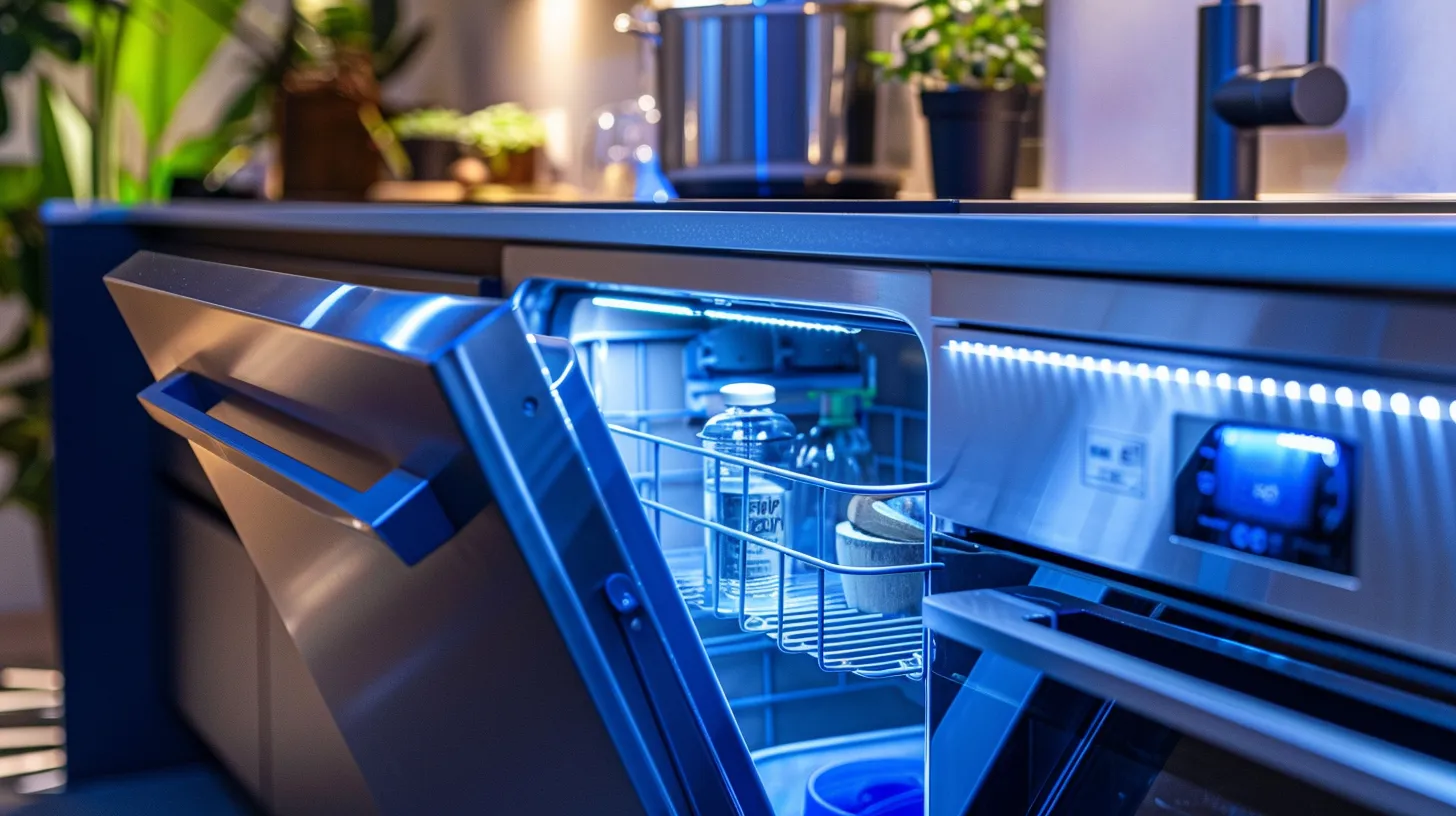
Effective preventative maintenance techniques can significantly reduce the risk of costly plumbing repairs. Homeowners can protect their plumbing systems by using drain screens, insulating pipes against freezing, regularly cleaning fixtures, and flushing the system to prevent build-up. These practices help avoid water damage, rust formation, and issues with relief valves, ensuring the longevity and efficiency of the plumbing system.
Use Drain Screens to Prevent Clogs in Pipes
Drain screens serve as a crucial tool in plumbing preventative maintenance, effectively capturing debris before it enters pipes. By installing these simple devices in sinks, showers, and tubs, homeowners can prevent clogs and maintain optimal water quality throughout their plumbing system.
Regular use of drain screens contributes to water conservation efforts by reducing the need for chemical drain cleaners and excessive water flushing. This practice not only preserves the integrity of pipes but also promotes efficiency in the overall plumbing system, including garbage disposal units.
Homeowners can maximize the effectiveness of drain screens by cleaning them regularly and ensuring proper fit. This proactive approach to plumbing maintenance helps avoid costly repairs and extends the lifespan of plumbing fixtures, contributing to long-term water conservation and system efficiency.
Insulate Pipes to Protect Against Freezing and Bursting
Insulating pipes protects the plumbing system from freezing and bursting during cold weather. This preventative measure safeguards against costly leaks and repairs, particularly in areas prone to extreme temperatures. Proper insulation helps maintain consistent water flow and pressure throughout the commercial plumbing network.
Homeowners should focus on insulating pipes in unheated areas such as basements, attics, and exterior walls. Foam sleeves or wraps can effectively shield pipes from cold air, reducing the risk of frozen valves and burst pipes. This simple step can prevent extensive water damage and the need for emergency plumbing services.
Regular inspection of pipe insulation ensures its effectiveness over time. Homeowners should check for gaps or deterioration in the insulation material and replace it as needed. Proper insulation also helps prevent sediment buildup in pipes by maintaining consistent water temperature, further protecting the plumbing system from potential issues.
Regularly Clean and Maintain Fixtures to Preserve Functionality
Regular cleaning and maintenance of plumbing fixtures are essential for preserving functionality and promoting hygiene in both kitchen and bathroom areas. Homeowners should establish a routine cleaning schedule for sinks, faucets, showerheads, and toilets to prevent the buildup of mineral deposits and debris that can impair water flow and quality.
Preventative plumbing maintenance includes descaling fixtures to remove lime and calcium buildup, which can affect water pressure and fixture performance. Homeowners can use vinegar or specialized cleaning solutions to dissolve these deposits, ensuring optimal water supply and extending the lifespan of their plumbing fixtures.
Proper maintenance also involves inspecting fixtures for leaks, corrosion, or loose components. Addressing these issues promptly can prevent water waste and potential damage to surrounding areas. Regular upkeep of plumbing fixtures not only preserves their functionality but also contributes to overall water conservation efforts:
Flushing Your Plumbing System to Avoid Build-Up
Regularly flushing the plumbing system prevents the buildup of sediment and debris, which can lead to clogs and reduced water pressure. Homeowners should focus on areas prone to accumulation, such as shower drains and basement pipes. This practice helps maintain optimal flow and prevents issues like freezing in colder months.
To effectively flush the system, homeowners can run hot water through all fixtures for several minutes, paying special attention to less-used outlets. This process dislodges potential blockages and helps identify any hidden leaks. For kitchen sinks, running hot water after disposing of grease can prevent fatty buildup in pipes.
In cases of stubborn clogs, using a plunger or a mixture of baking soda and vinegar can provide a natural, chemical-free solution. Regular flushing, combined with these methods, significantly reduces the risk of major plumbing issues and extends the lifespan of the entire system.
The Importance of Water Conservation in Preventing Damage
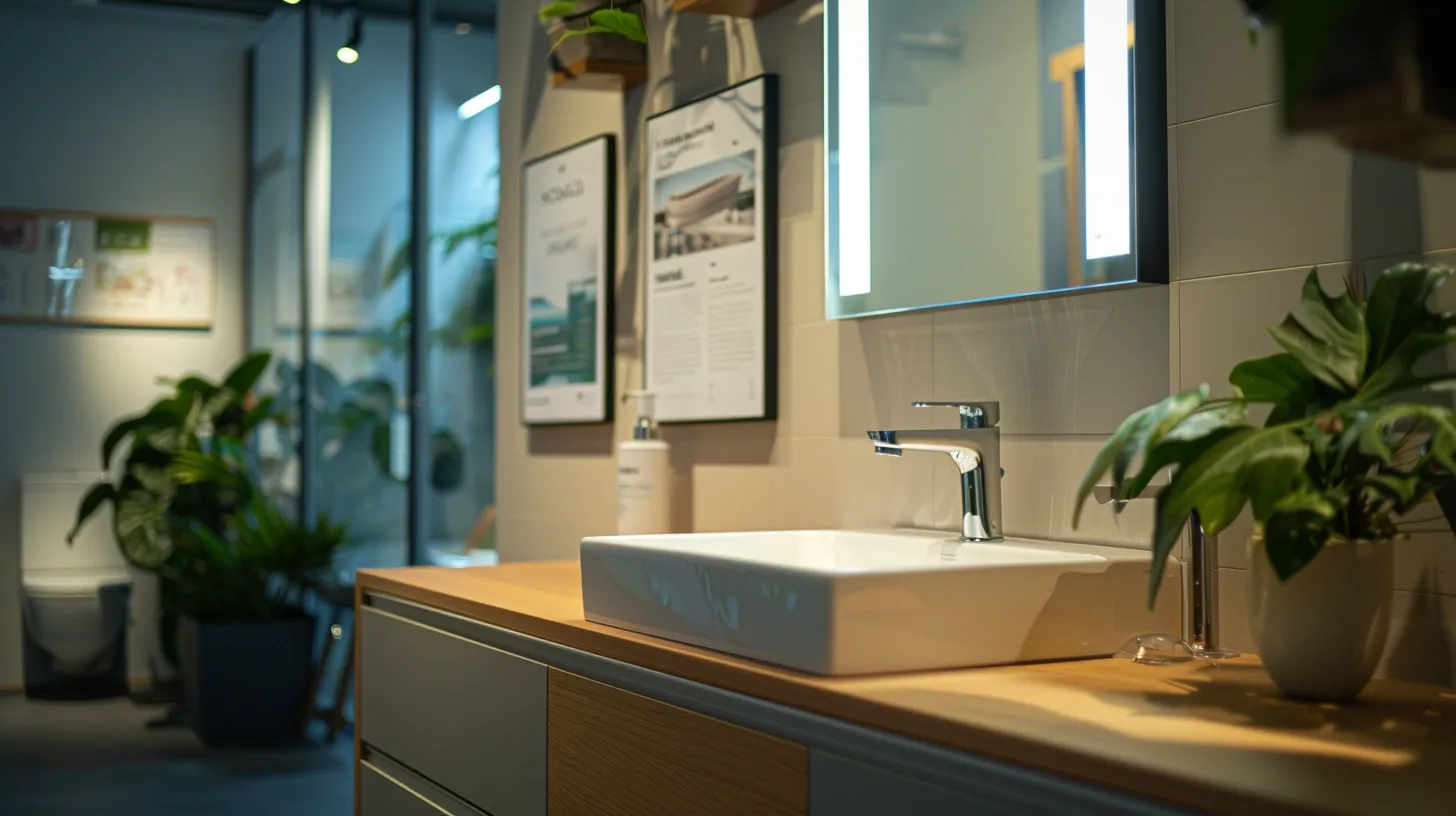
Water conservation plays a crucial role in preventing costly plumbing repairs and reducing the need for emergency services. By implementing water-saving fixtures in bathrooms and educating household members on efficient water use, homeowners can avoid the headache of increased utility bills. Early leak detection is essential for preserving plumbing systems and eliminating the reliance on harsh drain cleaners.
Implement Water-Saving Fixtures and Appliances
Installing water-saving fixtures and appliances is a key component of effective plumbing maintenance. These devices reduce water consumption, easing the strain on pipes and extending the longevity of the plumbing system. Homeowners can start by replacing old toilets and faucets with low-flow alternatives, which significantly decrease water usage without compromising functionality.
Energy-efficient washing machines and dishwashers not only conserve water but also help prevent excessive wear on pipes. These appliances often feature advanced technology that optimizes water use, reducing the risk of leaks and water damage. Proper pipe insulation, especially in attics and exterior walls, further supports these water-saving efforts by preventing freezing and potential pipe bursts.
Regular maintenance of water-saving fixtures ensures their optimal performance and prevents potential hazards. Homeowners should schedule annual inspections of these devices as part of their overall plumbing maintenance routine. This proactive approach helps identify any issues early, avoiding costly repairs and maintaining the efficiency of the water conservation system.
Educate Household Members on Efficient Water Use
Educating household members on efficient water use is crucial for preventing costly plumbing repairs and reducing the risk of water damage. By teaching proper dishwasher usage and emphasizing the importance of water conservation, families can minimize the strain on their plumbing systems and avoid potential backups.
Implementing water-saving habits, such as fixing leaky faucets promptly and using low-flow fixtures, can significantly reduce water consumption and the likelihood of mold growth. These practices not only conserve water but also help maintain the integrity of the plumbing system, reducing the need for emergency repairs.
Families should familiarize themselves with local water regulations and incorporate water-saving techniques into their daily routines. By fostering a culture of responsible water use, households can protect their plumbing infrastructure and contribute to overall water conservation efforts in their community.
Identify Leaks Early to Prevent Increased Water Bills
Early leak detection is crucial for preventing increased water bills and maintaining the safety of plumbing systems. Homeowners should regularly inspect visible pipes, especially those connected to tanks and septic systems, for signs of moisture or corrosion. By promptly addressing leaks, families can avoid costly repairs and reduce the risk of water damage to their property.
Monitoring water usage patterns helps identify potential leaks before they escalate into major issues. Homeowners can track their water consumption through utility bills and meter readings, noting any unexpected spikes that may indicate a hidden leak. This proactive approach extends to septic tanks, where regular inspections can prevent costly overflows and contamination.
Proper disposal of paper products and cooking oil is essential for maintaining plumbing efficiency and preventing clogs that can lead to leaks. Homeowners should educate family members on the importance of using appropriate disposal methods to protect their plumbing system and septic tank. By implementing these preventative measures, households can significantly reduce the likelihood of expensive repairs and ensure the longevity of their plumbing infrastructure.
Seasonal Plumbing Maintenance Tasks to Consider
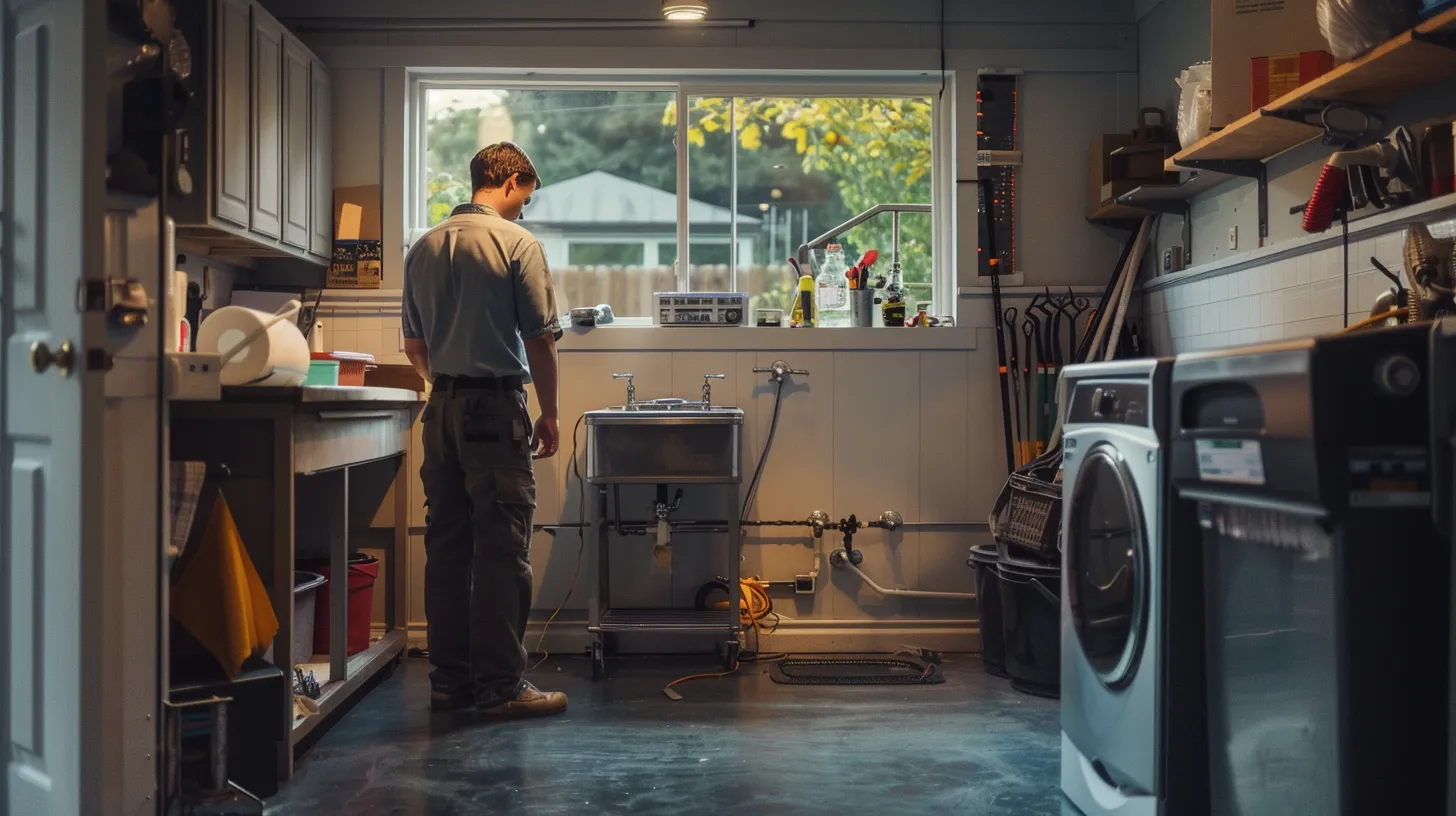
Seasonal plumbing maintenance is crucial for preventing costly repairs and ensuring system health. Homeowners should focus on winterizing exterior faucets and irrigation systems, inspecting gutters to prevent water backup, and checking sump pumps before heavy rainfall. These tasks address potential issues at their root, protecting against backflow and other problems that may require professional attention.
Winterize Exterior Faucets and Irrigation Systems
Winterizing exterior faucets and irrigation systems is crucial for preventing costly plumbing repairs and potential flood damage. Homeowners should disconnect hoses, drain water from outdoor pipes, and insulate exposed faucets to protect against freezing temperatures. A professional plumbing inspection can identify vulnerable areas and ensure proper winterization techniques are applied.
Thorough drainage of irrigation systems prevents water from freezing and expanding within pipes, which can lead to bursts and leaks. Homeowners should use compressed air to blow out remaining water from sprinkler lines and valves, reducing the risk of damage and mildew growth. Proper winterization also includes shutting off the main water supply to outdoor systems and draining backflow devices.
Regular maintenance of exterior plumbing components helps maintain optimal water pressure and system efficiency. Homeowners should conduct visual inspections for signs of wear or damage before winterizing and address any issues promptly. By implementing these preventative measures, property owners can avoid expensive repairs and ensure their outdoor plumbing systems remain functional year-round.
Inspect and Clear Gutters to Prevent Water Backup
Regular inspection and clearing of gutters are essential for preventing water backup and potential damage to a home’s plumbing infrastructure. Homeowners should schedule gutter maintenance at least twice a year, ideally in spring and fall, to remove debris and ensure proper water flow. This proactive approach can help avoid emergency plumbing situations caused by clogged gutters.
Homeowners can use a combination of manual cleaning and specialized tools to remove leaves, twigs, and mineral deposits from gutters. For stubborn buildup, a mixture of vinegar and water can effectively dissolve debris without damaging the gutter system. Proper maintenance not only prevents water backup but also extends the lifespan of the home’s exterior plumbing components.
Professional plumbers recommend inspecting downspouts and drainage systems as part of gutter maintenance. Ensuring these components are clear and functioning correctly prevents water from pooling near the foundation, which can lead to basement flooding and strain on the home’s plumbing system. Regular gutter maintenance is a cost-effective way to protect a home’s plumbing infrastructure and avoid costly repairs:
- Inspect gutters for debris and damage
- Clear gutters using appropriate tools and cleaning solutions
- Check downspouts for proper water flow
- Ensure drainage systems direct water away from the foundation
- Address any issues promptly to prevent water damage
Check Sump Pumps Before Heavy Rainfall
Regular maintenance of sump pumps is crucial for preventing costly plumbing repairs, especially before heavy rainfall. Homeowners should conduct plumbing inspections to ensure their sump pumps are functioning correctly, as these devices play a vital role in protecting basements from flooding. Proper maintenance includes checking the pump’s power source, testing its operation, and clearing debris from the pit.
A well-maintained sump pump serves as an effective backflow prevention device, safeguarding the sanitary sewer system from contamination during heavy rains. Homeowners should verify that the pump’s discharge pipe is clear and properly directed away from the home’s foundation. This preventative measure helps maintain the integrity of the plumbing system and reduces the risk of water damage.
In colder climates, homeowners should also consider the impact of heat on their sump pump systems. Insulating the discharge pipe can prevent freezing, ensuring continuous operation during winter storms. Regular maintenance and timely repairs of sump pumps can significantly reduce the likelihood of basement flooding and associated plumbing emergencies:
- Test sump pump operation monthly
- Clean the pump and pit annually
- Inspect and clean the check valve
- Verify proper discharge pipe alignment
- Consider installing a battery backup system
Building a Relationship With a Trusted Plumber
Building a relationship with a trusted plumber is essential for effective plumbing maintenance services. Establishing regular maintenance contracts provides peace of mind and helps prevent costly repairs. Knowing when to call a professional for assistance, particularly for issues like pressure regulator problems or leak detection, can save homeowners time and money. Creating a list of emergency contacts for plumbing issues ensures quick response times, potentially reducing damage and insurance claims.
Establish Regular Maintenance Contracts for Peace of Mind
Establishing regular maintenance contracts with a trusted plumber provides homeowners with peace of mind and helps prevent costly repairs. These contracts typically include routine inspections of pipes, checking for corrosion, and addressing potential clogs before they become major issues. By scheduling regular maintenance, homeowners can ensure their plumbing systems remain in optimal condition, reducing the risk of unexpected breakdowns.
Professional plumbers can identify early signs of tree root intrusion, which is a common cause of pipe damage. They can also recommend upgrades to stainless steel components for increased durability and longevity. Regular maintenance allows for the early detection of minor issues, preventing them from escalating into expensive emergencies that could disrupt daily life.
Maintenance contracts often include priority service for contract holders, ensuring prompt attention in case of urgent plumbing needs. This proactive approach to plumbing care can significantly reduce the likelihood of severe clogs, burst pipes, or extensive water damage. Homeowners benefit from the expertise of professional plumbers who can provide tailored advice on maintaining their specific plumbing systems:
Know When to Call a Professional for Assistance
Homeowners should recognize when plumbing issues require professional assistance to prevent costly repairs. Signs such as persistent clogs in the sewer line, unusual drainage patterns, or sudden changes in water pressure often indicate problems beyond DIY solutions. Calling a professional plumber promptly can address these issues before they escalate, potentially saving on extensive repairs and protecting the home’s plumbing infrastructure.
Establishing a contract with a trusted plumber ensures timely assistance for complex plumbing fixture installations or replacements. Professional plumbers possess the expertise to handle intricate systems and can identify potential issues that may not be apparent to homeowners. This proactive approach helps maintain the integrity of the plumbing system and prevents unnecessary wear and tear on components.
Regular professional inspections can detect early signs of sewer line deterioration or drainage system issues. Homeowners should schedule these check-ups to address problems before they lead to major failures or property damage. Professional plumbers can provide valuable insights on maintaining plumbing fixtures and offer recommendations for system upgrades that improve efficiency and longevity:
Create a List of Emergency Contacts for Plumbing Issues
Creating a list of emergency contacts for plumbing issues is essential for homeowners to address urgent problems promptly and prevent extensive damage to their property. This list should include trusted plumbers who specialize in emergency repairs and can respond quickly to minimize water damage, including potential harm to ceilings. By having these contacts readily available, homeowners can reduce stress and expedite the resolution of critical plumbing issues.
The emergency contact list should be comprehensive, including multiple plumbing professionals to ensure availability during off-hours or holidays. Homeowners should research and vet plumbers based on their expertise in handling various plumbing repairs, particularly those involving complex systems or potential water damage to ceilings. Keeping this list updated and easily accessible can save valuable time during plumbing emergencies.
In addition to plumbers, the emergency contact list should include related professionals such as water damage restoration specialists and insurance agents. This comprehensive approach ensures that homeowners can quickly address all aspects of a plumbing emergency, from immediate repairs to long-term restoration and insurance claims. By maintaining a well-organized list of emergency contacts, homeowners can effectively manage plumbing crises and minimize the impact on their property.
Conclusion
Effective preventative maintenance is crucial for avoiding costly plumbing repairs and ensuring the longevity of your home’s plumbing system. Regular inspections, prompt addressing of minor issues, and implementing water conservation measures can significantly reduce the risk of major plumbing emergencies. By establishing a relationship with a trusted plumber and adhering to seasonal maintenance tasks, homeowners can protect their property from water damage and maintain optimal plumbing functionality. Ultimately, investing time and effort in preventative maintenance not only saves money but also provides peace of mind and contributes to a more efficient and sustainable household.
