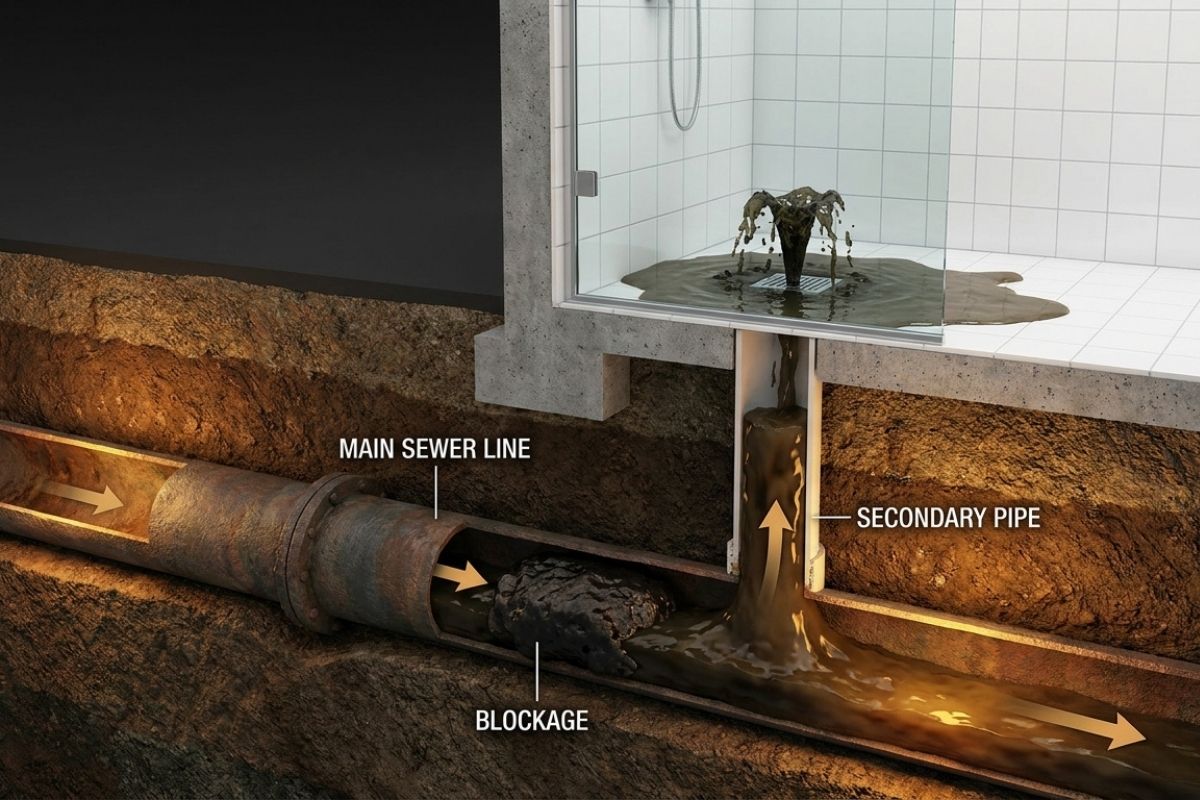
When a primary blockage forms in a home’s main drainage pipe, wastewater has nowhere to go but backward, resulting in simultaneous backups across multiple lower-level fixtures like showers, toilets, and floor drains. Because all secondary pipes feed into one central exit route, compromising this main pathway disrupts the entire plumbing ecosystem, turning localized water usage into a property-wide hazard that often requires an immediate Sewer Line Repair Phoenix specialist to resolve before structural damage occurs.
Key Takeaways
-
Central Drainage: All household drains connect to a single primary lateral pipe leading to the municipal sewer.
-
Reverse Flow: A blockage in the main pipe forces wastewater to reverse flow, surfacing in the lowest fixtures first.
-
System-Wide Warning Signs: Simultaneous gurgling toilets, slow draining sinks, and foul odors are primary indicators of a system-wide failure.
-
Aging Infrastructure: Homes built before 1980 frequently suffer from degraded clay or cast-iron pipes.
-
Root Intrusion: Intruding tree roots account for roughly 50% of all underground pipe blockages.
-
Emergency Protocol: Immediate cessation of water use and professional camera inspections are critical to mitigating severe property damage.
The Anatomy of a Residential Drainage System
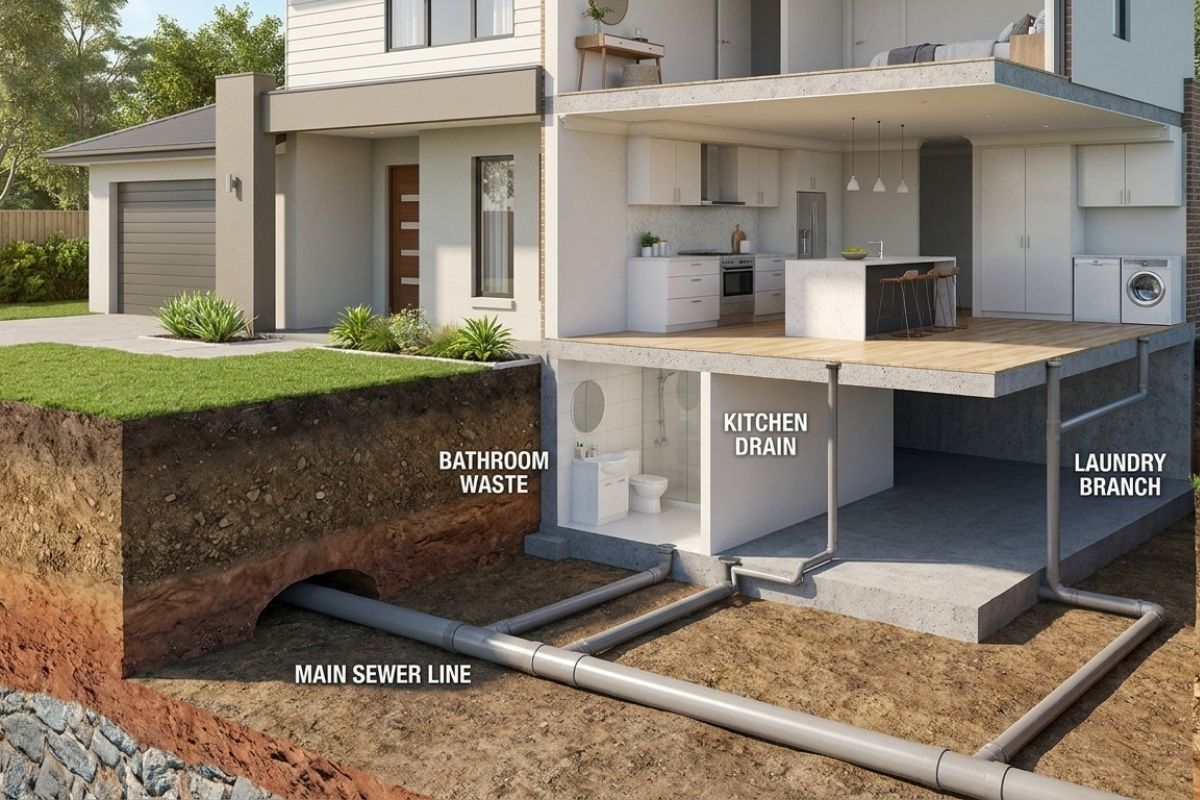
To understand how sewer line issues impact your Phoenix home, you must first understand the architecture of residential plumbing. A home’s drainage network operates like a tree. The leaves and twigs represent the individual drains in your sinks, showers, and appliances. These feed into larger branches—known as secondary lines. Finally, all these branches connect to the trunk, which is the main sewer lateral line.
This main lateral line is the single exit point for all wastewater leaving your property. It runs underground, crossing your yard, until it meets the municipal sewer main maintained by the city. When this central conduit becomes compromised, the natural gravity-fed flow of wastewater halts. This interconnected design explains why a single, localized obstruction deep underground can cause widespread chaos across seemingly unrelated fixtures.
Gravity, Pressure, and the Path of Least Resistance
Plumbing systems rely heavily on gravity and atmospheric pressure to function. Vents on your roof allow air to enter the pipes, equalizing pressure and preventing vacuums from slowing down the water flow. When a major obstruction occurs in the lateral line, the trapped wastewater begins to pool.
Because water always seeks the path of least resistance, it will travel backward up the pipes and exit through the lowest available opening. This is why a homeowner might run their washing machine on the first floor, only to find raw sewage surfacing in a basement floor drain or a ground-level shower stall. Recognizing these signs of a damaged sewer line is crucial for rapid intervention.
Why Multiple Drains Fail Simultaneously
Simultaneous drain failure is the hallmark of a main line blockage. If only your bathroom sink is draining slowly, the clog is likely isolated to the P-trap or the immediate secondary pipe beneath that specific sink. However, if your kitchen sink, guest bathroom toilet, and master shower are all acting up at once, the issue lies further down the pipeline.
As Sarah Jenkins, Master Plumber and Board Member of the Plumbing-Heating-Cooling Contractors Association (PHCC), explains: “Homeowners often mistake a main line blockage for localized clogs. If flushing a toilet causes water to surface in the shower, the problem is deeply rooted in the main connection. Pouring liquid drain cleaners into a secondary drain will do absolutely nothing to resolve a lateral line obstruction.”
The Interconnected Fixture Phenomenon
Because all drains lead to the same destination, using any water-consuming appliance adds volume to the backed-up system. Flushing a toilet releases roughly 1.28 to 1.6 gallons of water into the pipes. If the main line is blocked, those 1.6 gallons must go somewhere. They will bypass the blockage and push upward into other low-lying fixtures. This interconnected reaction is one of the top plumbing problems in Phoenix and requires immediate professional diagnostics.
Common Causes of Underground Pipe Failures
By 2026, the infrastructure in many established neighborhoods is showing significant signs of aging. Underground pipes face a hostile environment, constantly battling soil shifts, moisture variations, and organic intrusions.
1. Invasive Tree Roots
Tree roots are naturally drawn to the moisture, oxygen, and nutrients found inside underground pipes. Even a microscopic fissure in an aging pipe joint emits water vapor, which acts as a beacon for nearby roots. Once inside, the roots expand, creating a dense net that traps toilet paper, grease, and solid waste. Statistics show that tree root intrusion accounts for nearly 50% of all main line blockages in residential properties. Understanding how tree roots infiltrate plumbing is essential for homeowners with mature landscaping, such as Ficus or Palo Verde trees.
2. Aging Infrastructure and Material Degradation
The materials used to construct your underground pipes play a massive role in their longevity. Homes built before the 1980s frequently utilized clay tile or cast-iron piping. While durable for their time, these materials have a finite lifespan. Cast iron is susceptible to channeling and rust, leading to rough interior surfaces that catch debris. Clay pipes become brittle and are highly prone to snapping under heavy soil loads. For those living in historic districts, older home plumbing maintenance is a critical aspect of property management.
3. Extreme Heat and Soil Mechanics
The environmental conditions specific to the American Southwest deeply impact underground infrastructure. The arid climate accelerates soil contraction during extended dry spells, causing the earth around the pipes to shift and settle. When monsoon rains finally arrive, the rapid soil expansion puts immense shear stress on rigid piping materials. Marcus Halbrook, a Geotechnical Engineer, notes: “The cyclical expansion and contraction of clay-heavy desert soils exert tremendous pressure on lateral pipes. Over a period of 40 to 50 years, this geological stress inevitably leads to bellying, cracking, or complete pipe collapse.” This dynamic illustrates how Arizona heat affects underground plumbing.
Recognizing the Early Warning Signs
Main line failures rarely happen overnight. They typically present subtle warning signs weeks or months before a catastrophic sewage backup occurs. Being observant can save homeowners thousands of dollars in emergency mitigation and water damage restoration.
- Gurgling Sounds: When water tries to drain past a partial blockage, air gets trapped and bubbles up through the water seals in your P-traps, creating a distinct gurgling noise.
- Slow Draining Across Multiple Fixtures: If water is pooling in the shower while the sink is running, the main line is struggling to process the combined volume.
- Foul Odors: A blocked pipe allows sewer gases, primarily hydrogen sulfide, to accumulate and seep back into the home. This unmistakable “rotten egg” smell is a severe warning sign.
- Soggy or Overgrown Lawn Patches: An underground leak acts as a localized fertilizer. If one specific patch of grass is unusually lush, green, or continually damp, a cracked pipe is likely leaking wastewater directly into the soil.
The Financial and Health Impacts of Untreated Wastewater
Ignoring the symptoms of a blocked main line is not just a structural risk; it is a severe health hazard. Raw sewage contains millions of coliform bacteria, viruses, and parasites per 100 milliliters. When this toxic slurry backs up into a home, it contaminates flooring, drywall, and personal belongings. The Centers for Disease Control and Prevention (CDC) classifies sewage backups as a Category 3 biohazard, requiring specialized containment and sanitation procedures.
Financially, the costs can be staggering. According to the National Association of Realtors, severe water damage and biohazard remediation can decrease a property’s market value by up to 15% if not properly disclosed and structurally repaired. Furthermore, data from the Environmental Protection Agency (EPA) highlights that inefficient or compromised plumbing systems lead to the loss of tens of thousands of gallons of water annually per affected household. This makes annual plumbing inspections a highly cost-effective preventative measure.
Comparing Drain Issues: Localized vs. System-Wide
To accurately assess the severity of a drainage problem, homeowners should understand the differences between a secondary branch clog and a main lateral line failure. The table below outlines the key distinctions.
| Characteristic | Secondary Line Clog | Main Sewer Line Blockage |
|---|---|---|
| Number of Drains Affected | Typically just one isolated fixture (e.g., one sink). | Multiple fixtures simultaneously (e.g., sink, toilet, shower). |
| Water Surfacing | Water pools in the affected sink or tub only. | Water flushed in one fixture surfaces in a lower fixture. |
| Odor Profile | Mild localized smell, usually from rotting hair or food. | Strong, pervasive smell of raw sewage (hydrogen sulfide) throughout the home. |
| Plunging Efficacy | Plunging or snaking the drain often resolves the issue. | Plunging has zero effect; requires heavy-duty hydro-jetting or augers. |
| Location of Obstruction | Within the home, usually right behind the wall or floor. | Underground, outside the home’s foundation, leading to the street. |
Actionable Steps: What to Do When Symptoms Appear
If you suspect that your central drainage system is failing, rapid and methodical action is required. Follow these steps to minimize damage and expedite the repair process.
- Cease All Water Usage Immediately: Turn off washing machines, dishwashers, and do not flush any toilets. Remember, any water introduced into the system will likely end up on your floors.
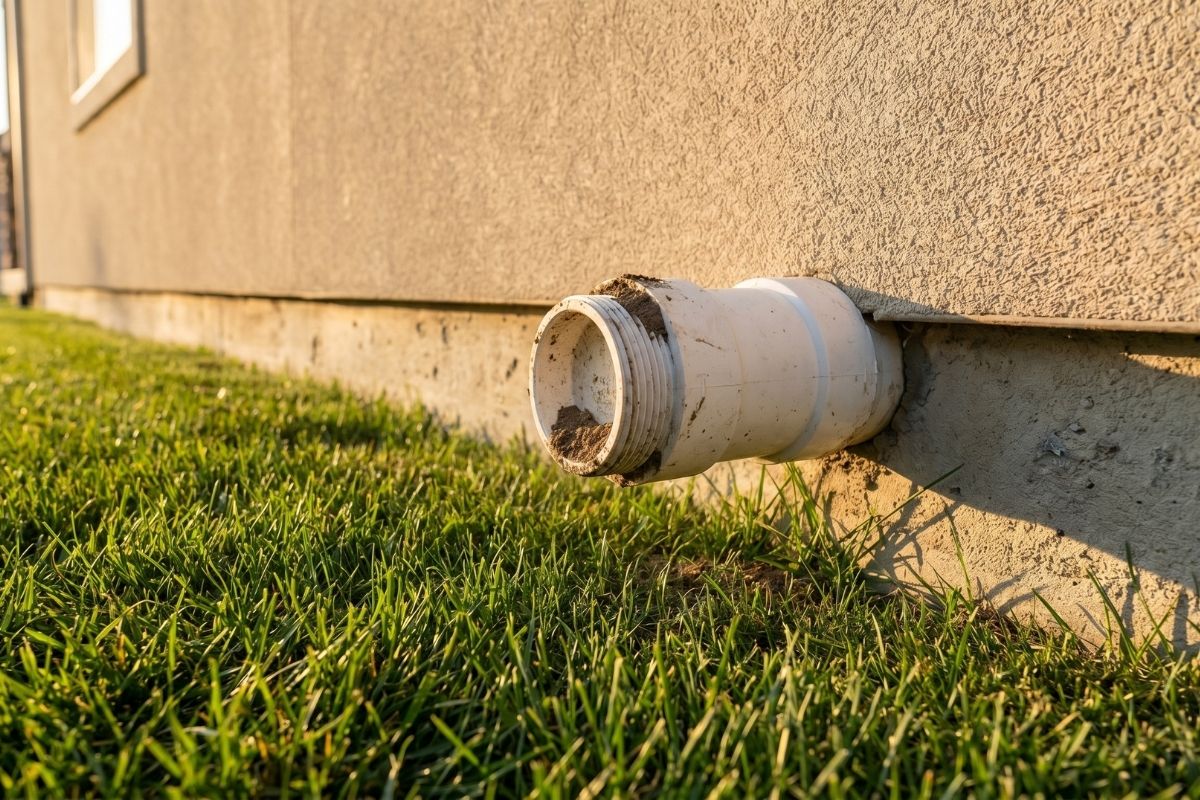
- Locate the Cleanout Valve: Most homes have a main cleanout—a capped pipe protruding from the ground near the foundation. Removing this cap (carefully) can release built-up pressure and force the backed-up water to spill into the yard rather than inside the house.
- Do Not Use Chemical Drain Cleaners: Store-bought corrosive chemicals are ineffective against massive underground blockages like tree roots or collapsed pipes. Worse, they can eat away at older cast iron or clay pipes, exacerbating the damage.
- Call a Professional for a Camera Inspection: A licensed plumber will feed a high-definition, waterproof camera into the cleanout to visually inspect the interior of the pipe. Modern camera technology allows technicians to pinpoint the exact location and nature of the blockage in 99% of cases.
- Determine the Remediation Strategy: Depending on the camera’s findings, the plumber may recommend hydro-jetting to clear stubborn roots and grease, trenchless pipe lining to repair cracks without digging up the yard, or a full excavation and replacement for collapsed sections.
Advanced Solutions: Trenchless Sewer Repair
In 2026, excavation is no longer the default solution for compromised underground lines. Trenchless technology has revolutionized the repair process. If a pipe is cracked but retains its structural integrity, professionals can insert a resin-coated flexible tube into the existing line. This tube is then inflated and cured in place, creating a “pipe within a pipe.” This method restores flow, seals out tree roots entirely, and avoids the costly destruction of landscaping, driveways, and hardscapes.
According to research from industry organizations, trenchless pipe lining can extend the life of an existing sewer lateral by up to 50 years, providing long-term peace of mind. Knowing how to spot hidden underground leaks early is the key to ensuring your pipes qualify for this minimally invasive procedure.
Conclusion
Understanding how a single obstruction can paralyze an entire household’s plumbing is vital for every property owner. Because all secondary drains feed into one central underground lateral, a blockage in this primary artery forces wastewater to reverse course, surfacing in the lowest fixtures and presenting serious health and structural risks. By recognizing the early warning signs—such as gurgling sounds, multi-drain slowdowns, and persistent odors—you can intervene before raw sewage compromises your living space. If you are experiencing simultaneous drain failures, do not delay. Contact us today to schedule a comprehensive camera inspection and safeguard your property from extensive water damage.
References
- Environmental Protection Agency (EPA). (2026). WaterSense: Fix a Leak Week and Infrastructure Efficiency Data. Retrieved from https://www.epa.gov
- Centers for Disease Control and Prevention (CDC). (2026). Sanitation and Hygiene: Health Hazards of Raw Sewage Exposure. Retrieved from https://www.cdc.gov
- Plumbing-Heating-Cooling Contractors Association (PHCC). (2026). Best Practices for Residential Sewer Lateral Maintenance. Retrieved from https://www.phccweb.org
- National Association of Realtors (NAR). (2026). The Impact of Unmitigated Water Damage on Property Valuations. Retrieved from https://www.nar.realtor
- Arizona Department of Water Resources. (2026). Soil Mechanics and Urban Infrastructure in Arid Climates. Retrieved from https://www.azwater.gov
