Before attempting that YouTube DIY plumbing tutorial, Phoenix homeowners need to understand a critical reality: Arizona’s extreme hard water (230 PPM / 14.9 GPG) makes some plumbing fixes impossible for homeowners, and unpermitted repairs could void your home insurance entirely. Understanding which five specific fixes are genuinely DIY-appropriate in Phoenix’s hard water environment protects both your wallet and your legal standing.
This guide identifies realistic DIY plumbing capabilities for Phoenix homes, explains Arizona permit requirements protecting your insurance coverage, and provides transparent guidance on when professional help prevents costly $2,500-$5,000 mistakes.
Key Information
Five plumbing fixes are genuinely DIY-appropriate for Phoenix homeowners: aerator cleaning (mineral deposit removal), running toilet flapper replacement, basic drain plunging, showerhead replacement, and water shut-off valve inspection. However, Arizona’s extreme water hardness (230 PPM / 14.9 GPG—1.5-2.3x harder than national average) makes other repairs impossible or dangerous; mineral-corroded components become “frozen,” and attempting force risks breaking connections and causing water damage. Arizona law requires permits for major plumbing work; unpermitted DIY work voids homeowner insurance and creates liability. DIY mistakes typically cost $2,500-$5,000 in water damage restoration—far more expensive than professional initial service ($300-$500), making professional help often the more economical choice despite higher upfront appearance.
Overview
This comprehensive guide identifies five realistic DIY plumbing fixes for Phoenix homeowners, explains why Arizona’s unique hard water conditions change DIY possibilities compared to national averages, clarifies Arizona permit requirements and insurance implications, quantifies true cost of DIY mistakes versus professional service, and establishes clear professional versus DIY boundaries. With 20+ years of Phoenix experience, licensed Arizona plumbing contractors understand hard water challenges homeowners face when attempting repairs nationally. Unlike generic guides oversimplifying DIY capabilities, this resource integrates Arizona hard water realities, local permit requirements, emergency service positioning, and transparent financial analysis.
Why Phoenix Hard Water Changes DIY Plumbing Reality
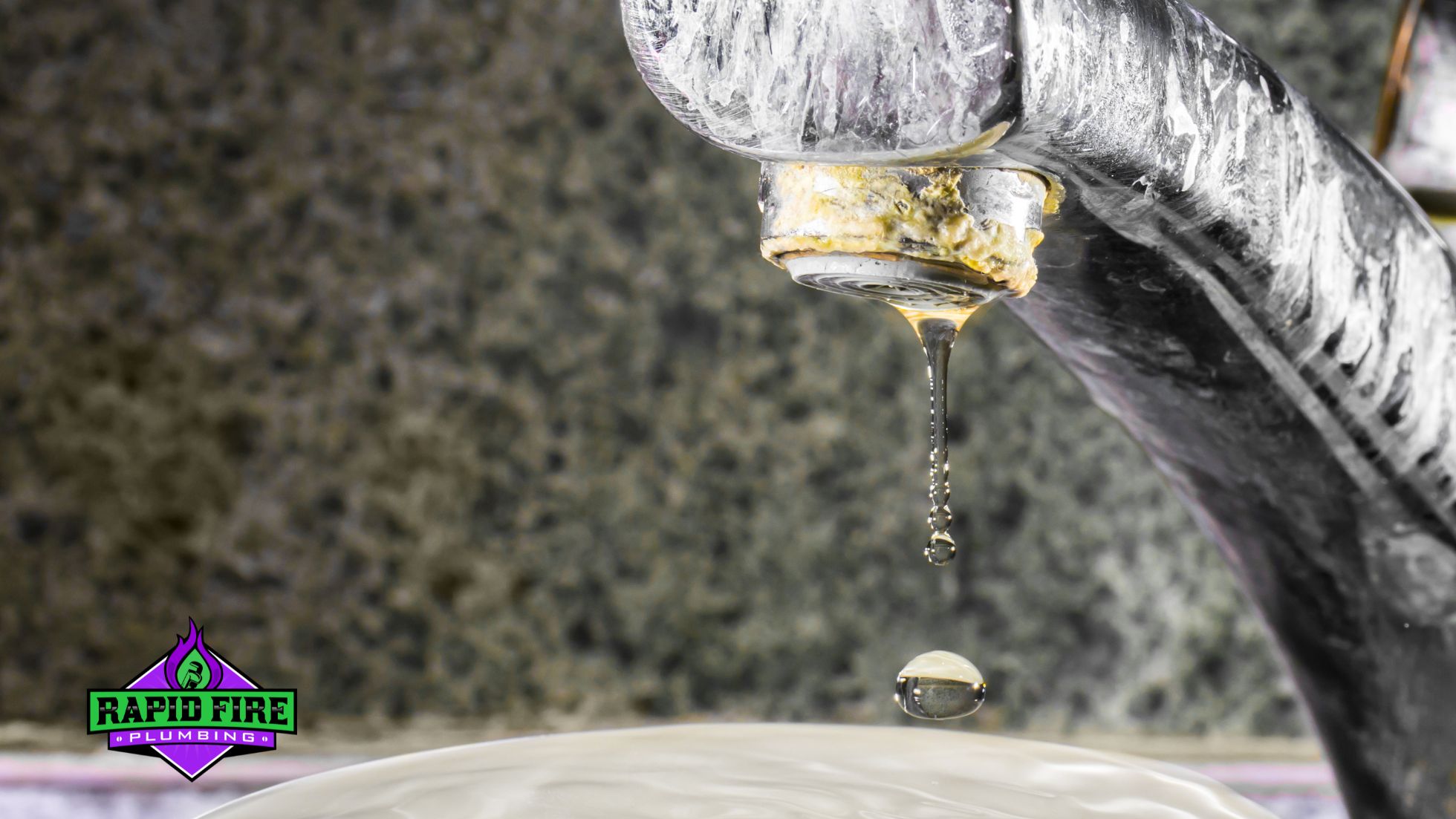
Phoenix water hardness averages 230 PPM (parts per million) or 14.9 GPG (grains per gallon)—a measurement placing Phoenix among the hardest municipal water supplies in the entire nation. For context, national average water hardness ranges from 100-150 PPM, meaning Phoenix water is 1.5-2.3x harder than typical U.S. communities.
This extreme mineral content directly affects which DIY plumbing fixes are realistic. Hard water minerals accumulate inside fixtures, coating internal seals and components with calcium/magnesium deposits. Over time, this mineral buildup causes components to become “frozen”—stuck together so tightly that homeowner tools and strength cannot safely remove them without breaking connections or cracking plastic components.
How Mineral Corrosion Affects DIY Difficulty
Attempting to disassemble a mineral-corroded faucet cartridge risks stripping internal threads or cracking plastic components. When components break mid-repair, the small fix becomes a large problem requiring professional water damage mitigation. Water from a broken connection inside a cabinet or wall creates damage costing $2,500-$5,000 to restore professionally.
Arizona’s extreme summer heat (regularly exceeding 110°F) accelerates mineral deposit formation inside fixtures and pipes. Heat causes minerals to precipitate faster than in temperate climates. This climate-water combination explains why Phoenix homeowners experience more frequent plumbing failures and more difficult DIY conditions than communities with comparable water hardness in cooler regions.
Recognizing When Mineral Corrosion Makes DIY Unsafe
If a faucet component won’t budge despite reasonable effort, mineral corrosion is likely the culprit. Attempting force risks causing damage far more expensive than the original problem. Professional plumbers have specialized tools and techniques for removing mineral-corroded components safely. When mineral deposits prevent normal removal, professional service prevents complications homeowners cannot anticipate.
Arizona Permit Requirements and DIY Liability Risks
 Arizona law requires permits for major plumbing work, and this requirement carries serious implications for homeowners attempting DIY repairs. Understanding when permits apply protects your insurance coverage and legal standing.
Which Plumbing Work Requires Permits
Arizona law mandates permits for: water heater installation and replacement, fixture installation and modification, pipe rerouting or replacement, system modifications, and slab work. Homeowners can legally perform some owner-builder work, but permits are required and inspections must be passed. Simple fixes like aerator cleaning or toilet flapper replacement don’t typically require permits—homeowners can safely DIY these without legal implications.
Insurance Void Risk from Unpermitted Work
This is critical: unpermitted DIY plumbing work may void your homeowner’s insurance. If water damage results from unpermitted plumbing repairs, your insurance company may refuse to cover restoration costs—leaving you responsible for the entire $2,500-$5,000 expense personally. This risk often makes professional initial service far more economical than DIY attempts, even if the professional service costs more upfront.
Licensed Contractor Requirement
Arizona Registrar of Contractors mandates licensing for certain plumbing work and all permit applications. Homeowners cannot simply apply for permits themselves for major work—licensed contractors must handle application and inspection. This legal boundary is important to understand before attempting major repairs.
City of Phoenix Inspection Requirements
Permitted plumbing work requires inspection by City of Phoenix representatives after completion. The inspection ensures work meets Arizona plumbing code standards. DIY unpermitted work skips this safety verification, creating potential hazards and insurance complications if problems emerge later.
All timelines and service cost ranges are provided for general information only. Actual service duration and costs will depend on the specific plumbing issues, project complexity, scheduling availability, and agreed-upon scope of work as set forth in the written service agreement.
The 5 Most Appropriate DIY Plumbing Fixes for Phoenix Homeowners
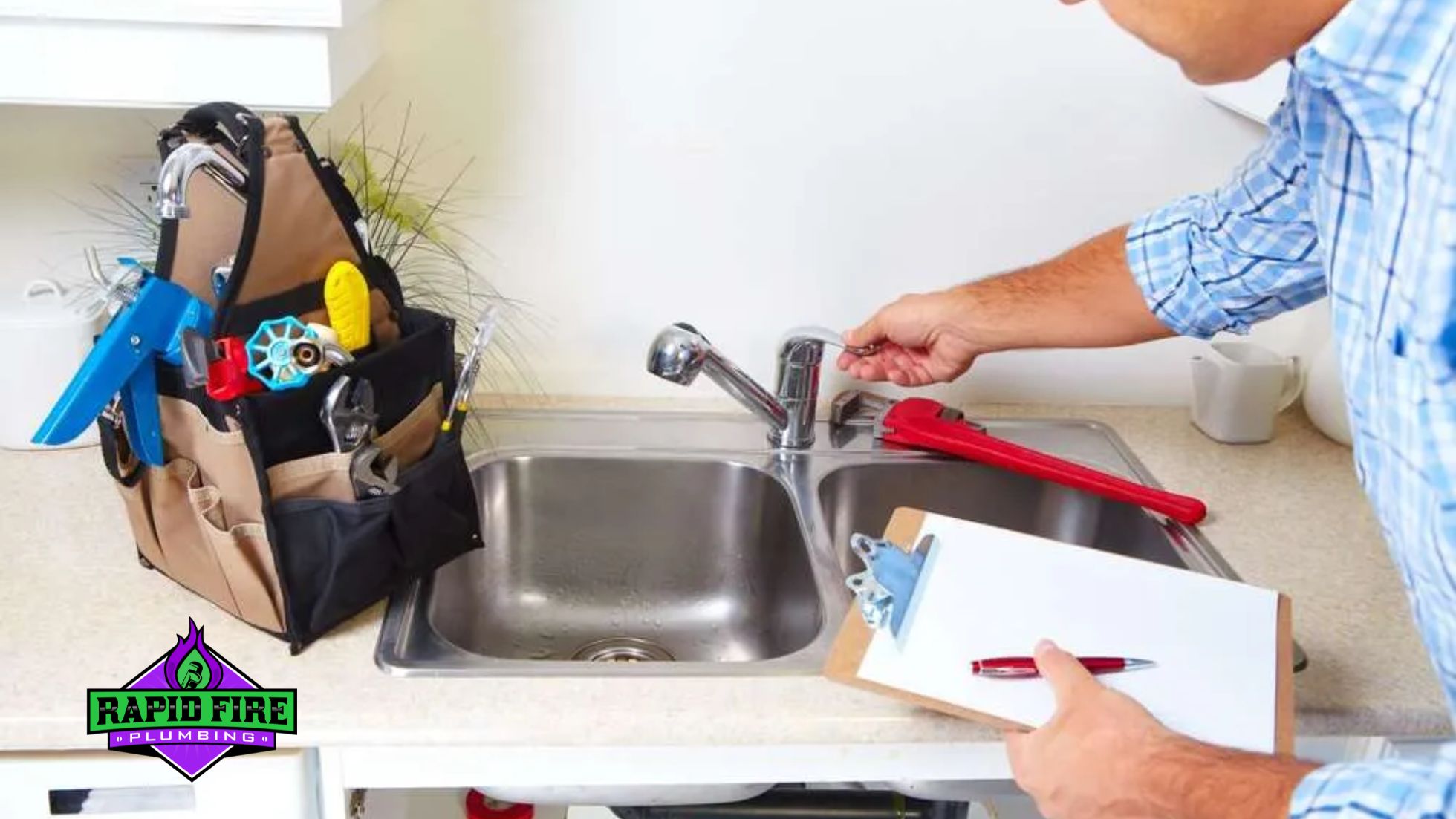
Five specific plumbing fixes are genuinely appropriate for homeowner DIY in Phoenix’s hard water environment. Each is low-risk, requires minimal tools, doesn’t typically trigger permit requirements, and carries minimal risk of causing water damage through mistakes.
Fix 1: Aerator Cleaning for Hard Water Mineral Buildup
Faucet aerators accumulate hard water mineral deposits that reduce water flow and sometimes cause leaking around connection points. This is the most homeowner-friendly DIY fix available.
Unscrew the aerator by turning it counterclockwise by hand or with a small wrench. Soak the aerator in white vinegar for 30 minutes* to dissolve mineral deposits. Use a small brush to remove stubborn deposits. Rinse thoroughly under water and replace by turning clockwise. This entire process takes 15-30 minutes* and costs essentially nothing.
This fix works because you’re not disassembling the faucet itself—just removing the external screen. No specialized knowledge is required, no water damage is possible, and no permit is needed.
Fix 2: Running Toilet Flapper Replacement
Running toilets often result from worn flappers inside the tank—inexpensive parts costing $10-$20. This is a straightforward part swap requiring minimal mechanical knowledge.
Turn off the water at the shut-off valve behind the toilet. Flush to empty the tank. Remove the old flapper (usually held by hooks on a cylinder). Install the new flapper in the same position and connections. Turn water back on and test.
This takes 10-20 minutes* and costs $10-$30 for the part. Risk is minimal because you’re simply replacing a wear item that’s designed for homeowner replacement. Water damage is virtually impossible with this repair.
Fix 3: Basic Drain Plunging for Minor Clogs
For minor sink, tub, or toilet clogs, standard plunging often resolves blockages without professional intervention. This is entirely safe when used correctly—no force is required, just consistent pressure.
Fill the sink or tub with 4-6 inches of water. Place the plunger over the drain opening and pump vigorously 15-20 times. The pressure and suction action often dislodges clogs in p-traps and lines.
This takes 5-15 minutes* and costs nothing. Risk of damage is minimal when using standard plunging technique—no harsh chemicals, no force, just mechanical suction and pressure. If plunging doesn’t resolve the clog after 2-3 attempts, professional drain cleaning becomes the appropriate next step.
Fix 4: Showerhead Replacement with Thread Sealant Tape
Installing a new showerhead is straightforward and requires only thread sealant tape and basic hand strength. This is appropriate for homeowner DIY.
Unscrew the old showerhead by turning counterclockwise by hand. Clean the threads. Wrap thread sealant tape (often called “Teflon tape” or “PTFE tape”) around the male threads 3-4 times. Screw the new showerhead on by hand, then tighten slightly with an adjustable wrench.
This takes 10-15 minutes* and costs $15-$40 for the new showerhead and sealant tape. No water damage is possible, no permits are needed, and the installation is forgiving—if you apply too much tape, it simply wraps around the connection without causing problems.
Fix 5: Water Shut-Off Valve Inspection and Maintenance
Knowing where your main water shut-off valve is located and ensuring it functions is essential homeowner knowledge. This isn’t truly a “repair” but important maintenance.
Locate your main shut-off valve (typically at the water meter or where the supply line enters your home). Once quarterly*, turn the valve handle 1/4 turn clockwise, then turn it back to the open position. This exercise ensures the valve doesn’t become stuck from mineral deposits.
This takes 2-5 minutes* and costs nothing. You’re simply verifying a safety mechanism works, not performing repairs. If the valve won’t turn smoothly or feels stuck, professional assistance becomes necessary—a stuck shut-off valve creates emergency risk if you need to stop water flow quickly.
When NOT to DIY—Professional Boundaries in Arizona Plumbing
Phoenix homeowners should avoid attempting several plumbing repairs. Understanding these boundaries protects your insurance, prevents costly mistakes, and ensures safety.
Hard Water-Corroded Faucet Repair (Avoid DIY)
If your faucet’s internal components are mineral-corroded and stuck, attempting DIY removal risks breaking connections. Professional plumbers have specialized tools for safely extracting corroded components. If you attempt force and break a connection, water damage inside cabinets can reach $3,000-$5,000 in restoration costs—far exceeding the $350-$400 professional cartridge replacement cost.
Chemical Drain Cleaning (Avoid DIY)
Harsh chemical drain cleaners are tempting DIY solutions for stubborn clogs, but they’re problematic in Arizona. Hard water-corroded pipes are more fragile than normal pipes. Harsh chemicals can damage mineral-weakened pipes, causing leaks or complete pipe failure. Professional drain cleaning uses safe pressure and mechanical methods avoiding chemical damage risks.
Water Heater Work (Avoid DIY)
Water heater installation and repair require professional expertise and licensing in Arizona. These systems involve gas or electrical connections, safety considerations, and permit requirements. Water heater replacement is not homeowner-DIY appropriate—professional service is legally required and essential for safety.
Pipe Repair or Replacement (Avoid DIY)
If visible pipes are leaking or damaged, professional repair is necessary. Pipe work requires permit and inspection compliance, specialized tools, and code knowledge. Attempting DIY pipe repair risks improper connections causing future failures and code violations.
Slab Leaks (Definitely Avoid DIY)
Slab leaks require professional detection equipment and specialized repair techniques. Homeowners cannot diagnose or repair slab leaks. If you suspect a slab leak (unusually high water bills, soft spots in flooring, unexplained moisture), professional diagnosis is essential.
Gas Line Work (Definitely Avoid DIY)
Arizona law requires licensed professionals for all gas line work. Gas connections are dangerous without proper expertise, tools, and testing equipment. Gas line work is completely off-limits for homeowner DIY.
Cost Analysis: DIY Reality vs. Professional Service Value
Understanding true costs of DIY attempts versus professional service helps homeowners make informed decisions. The financial comparison often surprises homeowners.
Professional Initial Service Cost
Licensed Arizona plumbing contractors typically charge $300-$500 for standard diagnostic and repair service including service call, assessment, and simple fix. Emergency after-hours service ranges $400-$800 depending on timing. For comparison purposes, basic repair service is typically $300-$500.
All timelines and service cost ranges are provided for general information only. Actual service duration and costs will depend on the specific plumbing issues, project complexity, scheduling availability, and agreed-upon scope of work as set forth in the written service agreement.
DIY Mistake Water Damage Cost
When DIY attempts go wrong, costs multiply rapidly. A broken faucet connection leaking into cabinet spaces requires professional water mitigation. Drywall replacement, cabinet restoration, possible mold remediation—total restoration costs $2,500-$5,000 depending on damage extent. This doesn’t include increased insurance premiums or potential coverage denial if the damage resulted from unpermitted work.
Real example: Attempting cartridge replacement on a hard water-corroded faucet results in stripping threads and breaking the cartridge. Water leaks into the cabinet underneath. Cost to repair: $3,500 professional water mitigation and restoration, plus cabinet replacement estimated at $800-$1,500.
Tool Investment Waste
Specialized plumbing tools cost $100-$300 to purchase. Buying tools for one-time DIY use is economically inefficient—tools sit unused after the single project. Professional plumbers already own equipment, spreading costs across hundreds of service calls.
Time Cost
Professional plumbers complete jobs in hours. DIY projects take days or weeks of troubleshooting, multiple tool store trips, and research. Homeowner time has economic value that DIY eliminates or defers, not saves.
Insurance Void Risk
Unpermitted DIY work voids insurance coverage. A $3,000 water damage claim becomes a $0 insurance payout if the damage resulted from unpermitted plumbing work. Homeowners pay 100% of restoration costs personally.
Emergency Service for DIY Failures—Your Safety Net
If your DIY plumbing attempt goes wrong, emergency professional response becomes necessary. Rapid Fire Plumbing provides 24/7 emergency service* throughout Phoenix for urgent situations including DIY-caused complications.
When DIY fails, emergency response often prevents escalating damage. A small leak becomes a catastrophic pipe break if left unaddressed. Professional emergency intervention stops problems before major water damage occurs.
Emergency service typically responds within 1-2 hours* during off-hours. Licensed emergency technicians assess the situation, identify the root cause, and implement immediate solutions or temporary mitigation preventing further damage. Emergency service costs more than standard daytime service, but the cost of preventing $5,000+ water damage justifies the premium.
If your DIY attempt creates an emergency situation (water spraying, complete flow loss, cabinet flooding), call 623-810-6166 for immediate professional assistance. Professional response prevents complications far more expensive than emergency service costs.
Frequently Asked Questions About DIY Plumbing in Phoenix
Can I fix a hard water-corroded faucet myself?
If the faucet cartridge or components are mineral-corroded and stuck, attempting DIY removal risks breaking connections and causing water damage. Professional plumbers have tools and techniques for safe extraction. If corrosion is the issue, professional service protects you from costly mistakes.
Do I need a permit for DIY plumbing repairs in Phoenix?
Simple fixes (aerator cleaning, flapper replacement, showerhead replacement) typically don’t require permits. Major work (water heater, fixture installation, pipe replacement) requires permits and professional licensing. Unpermitted work can void homeowner insurance.
Will a DIY plumbing mistake void my homeowner’s insurance?
Potentially yes. Unpermitted DIY plumbing work creating water damage may result in insurance denial. Water damage from permitted professional work is covered; water damage from unpermitted DIY work is your personal responsibility.
How much can a DIY plumbing mistake cost?
DIY mistakes typically cost $2,500-$5,000 in water mitigation and restoration. A broken connection can damage cabinets, drywall, and flooring. Professional initial service ($300-$500) often costs less than DIY failure restoration ($5,000+).
Is drain plunging safe for my Phoenix home?
Standard plunger use is safe for most drain clogs. Avoid harsh chemical drain cleaners—they can damage hard water-weakened pipes. If plunging doesn’t resolve the clog, professional drain cleaning uses safe mechanical methods.
When should I call a professional instead of DIY?
Call professional help if: faucet components won’t budge (mineral corrosion), water is leaking inside cabinets, you’re working with gas lines, you’re installing a water heater, or you’re uncertain whether permits apply. Professional consultation is safer than guessing.
Can unpermitted DIY plumbing create liability problems?
Yes. If your DIY plumbing creates damage affecting neighbors’ property, you’re personally liable. Permits and professional work provide legal protection; unpermitted work creates exposure.
What’s the fastest way to stop a plumbing leak I created with DIY?
Find the shut-off valve (typically behind the fixture) and turn it clockwise to close it. If you can’t locate the shut-off, use the main water valve. Call emergency professional service at 623-810-6166 for immediate assessment and repair.
Should I attempt water heater repair myself?
No. Arizona law requires licensed professionals for water heater work. Safety hazards, permit requirements, and warranty implications make this strictly professional work.
Is it cheaper to DIY basic repairs?
Not always. Professional initial service ($300-$500) often costs less than DIY failure restoration ($5,000+). Additionally, professional work is covered by insurance; unpermitted DIY work may not be.
Getting Started: Know Your DIY Limits and When to Call Professionals
Phoenix homeowners benefit from understanding which plumbing fixes are genuinely DIY-appropriate in hard water environments versus which require professional expertise. Five specific fixes—aerator cleaning, toilet flapper replacement, basic plunging, showerhead replacement, and shut-off valve inspection—are realistic for homeowner DIY. All other plumbing work benefits from professional assessment.
If you’re uncertain whether your situation is DIY-appropriate, consider consulting a licensed Arizona plumbing contractor. Professional consultation costs minimal investment and prevents costly mistakes. Free consultation with Rapid Fire Plumbing can help you understand whether DIY is viable or professional service is necessary.
Call 623-810-6166 for same-day service assessment* or emergency response if your DIY attempt needs professional rescue. Visit Rapid Fire Plumbing to learn more about transparent pricing and “beat any quote” guarantee protecting your interests.
Sources
Arizona Plumbing Resources
-
Why DIY Plumbing Repairs Can Cost More in Arizona – Specific Arizona hard water challenges and DIY failure cost analysis for Phoenix homeowners
-
DIY Plumbing Risks and Why You Should Avoid It – Arizona-specific DIY risks, warranty implications, and safety concerns
-
How Phoenix’s Hard Water Impacts Your Plumbing System – Phoenix water hardness data and DIY difficulty information
-
Common Plumbing Problems in Phoenix Homes – Phoenix-specific plumbing issues including hard water effects
Professional and Industry Association Sources
-
The Risks of DIY Plumbing: What Can Go Wrong – Specific examples of DIY failure costs and professional alternatives
-
Why Hire a Professional Instead of DIY Plumbing – Professional service value and time cost analysis
-
DIY vs. Professional Plumbing Repairs: Making the Right Choice – Financial and safety comparison of DIY versus professional approaches
-
When to Skip DIY Plumbing Repairs and Call a Professional – Clear guidance on professional service boundaries
Government and Regulatory Authorities
-
Arizona Revised Statutes § 45-312 – Arizona water efficiency standards and plumbing fixture requirements
-
Plumbing Permits in Arizona: What You Need to Know 2025 – Arizona permit requirements, licensing mandates, and inspection procedures
-
Homeowner’s Guide to Permits (Arizona) – Arizona homeowner permit responsibilities and legal requirements
-
Permits, Requirements, and Safety – Arizona permit requirements and liability implications
Service Consultation Disclaimer
This article provides general information about Arizona plumbing services and should not be considered as specific service advice for your project. Plumbing issues, costs, and procedures vary significantly based on individual circumstances, jurisdiction within Arizona, and specific project details. Service schedules, project timelines, and plumbing processes can be affected by many factors specific to each situation.
All timelines and service cost ranges are provided for general information only. Actual service duration and costs will depend on the specific plumbing issues, project complexity, scheduling availability, and agreed-upon scope of work as set forth in the written service agreement.
For free consultation and qualified service for your specific Arizona plumbing needs, contact Rapid Fire Plumbing or call 623-810-6166. Our licensed Arizona plumbing contractors will provide personalized service analysis based on your specific needs and circumstances. No service agreement is created by reading this article.
