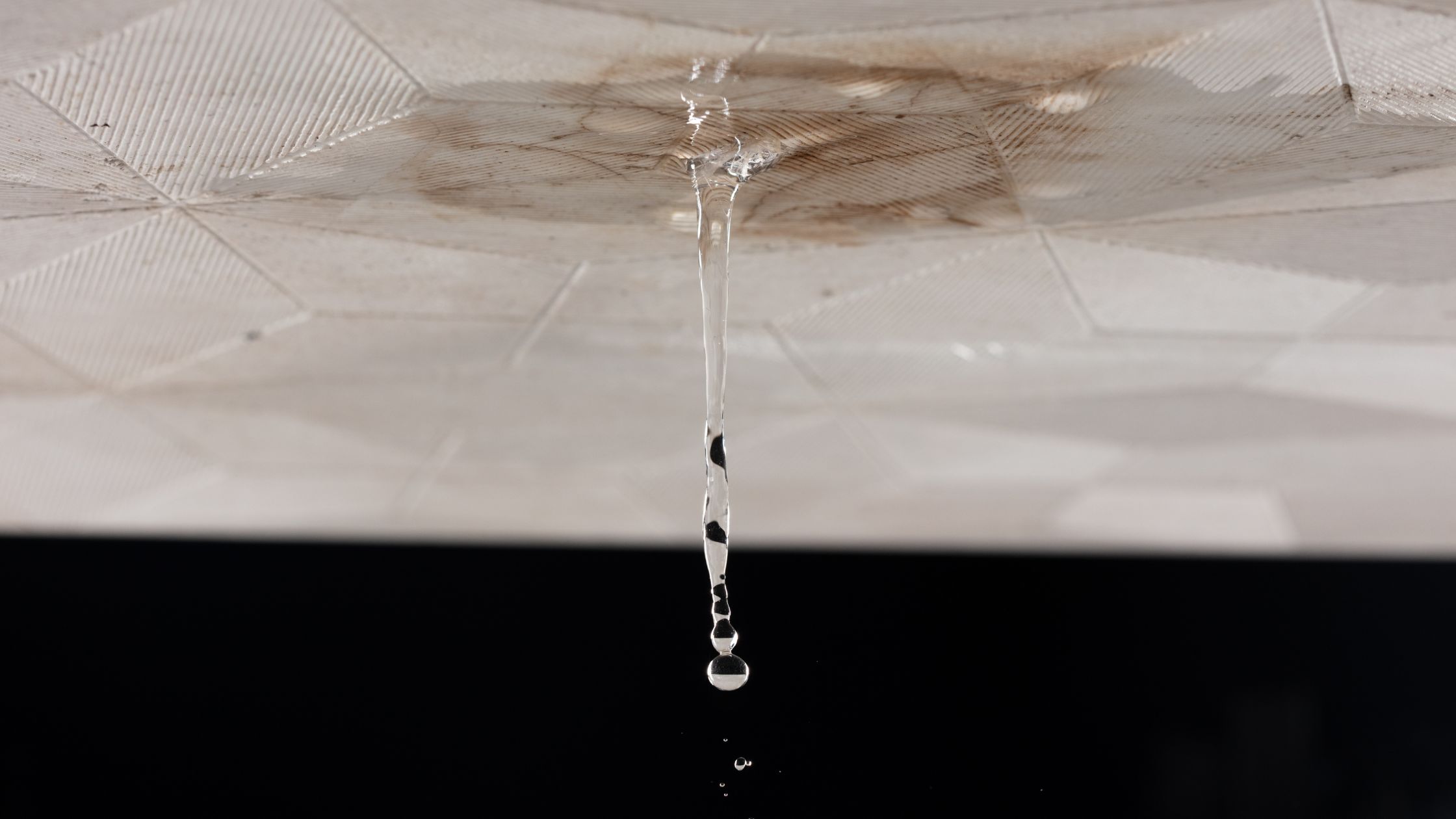
Slab leaks pose a significant risk to homes in Arizona, where hard water and shifting soils can accelerate pipe corrosion and foundation stress. Homeowners in the Phoenix metro area often deal with these issues due to local water conditions and seasonal weather patterns. This guide offers practical steps to help protect your property, drawing from established plumbing practices and local regulations.
Key Information
- Install water softeners to address Arizona’s hard water, which measures 10-20 grains per gallon in the Phoenix area according to Salt River Project data, helping reduce pipe corrosion that leads to slab leaks.
- Conduct regular foundation inspections, especially during monsoon season, in line with the 2024 Phoenix Building Construction Code to catch soil expansion effects early.
- Partner with a licensed Arizona plumbing contractor for diagnostics and repipes, ensuring adherence to state licensing via the Arizona Registrar of Contractors.
- Take advantage of water conservation rebates from the Arizona Department of Water Resources for fixtures that enhance leak prevention and efficiency.
Overview
This guide explores the unique causes of slab leaks in Arizona homes, tailored prevention strategies, detection methods, and professional response options. It stands out by incorporating 2025 updates to local codes, such as the recently adopted 2024 Phoenix Building Construction Code, alongside insights into hard water challenges. Readers can expect actionable advice leading to reduced risks, better system longevity, and informed decisions when selecting services like those from Rapid Fire Plumbing, a licensed Arizona plumbing contractor with 20+ years of experience serving the Phoenix metro.
Understanding Arizona-Specific Causes of Slab Leaks
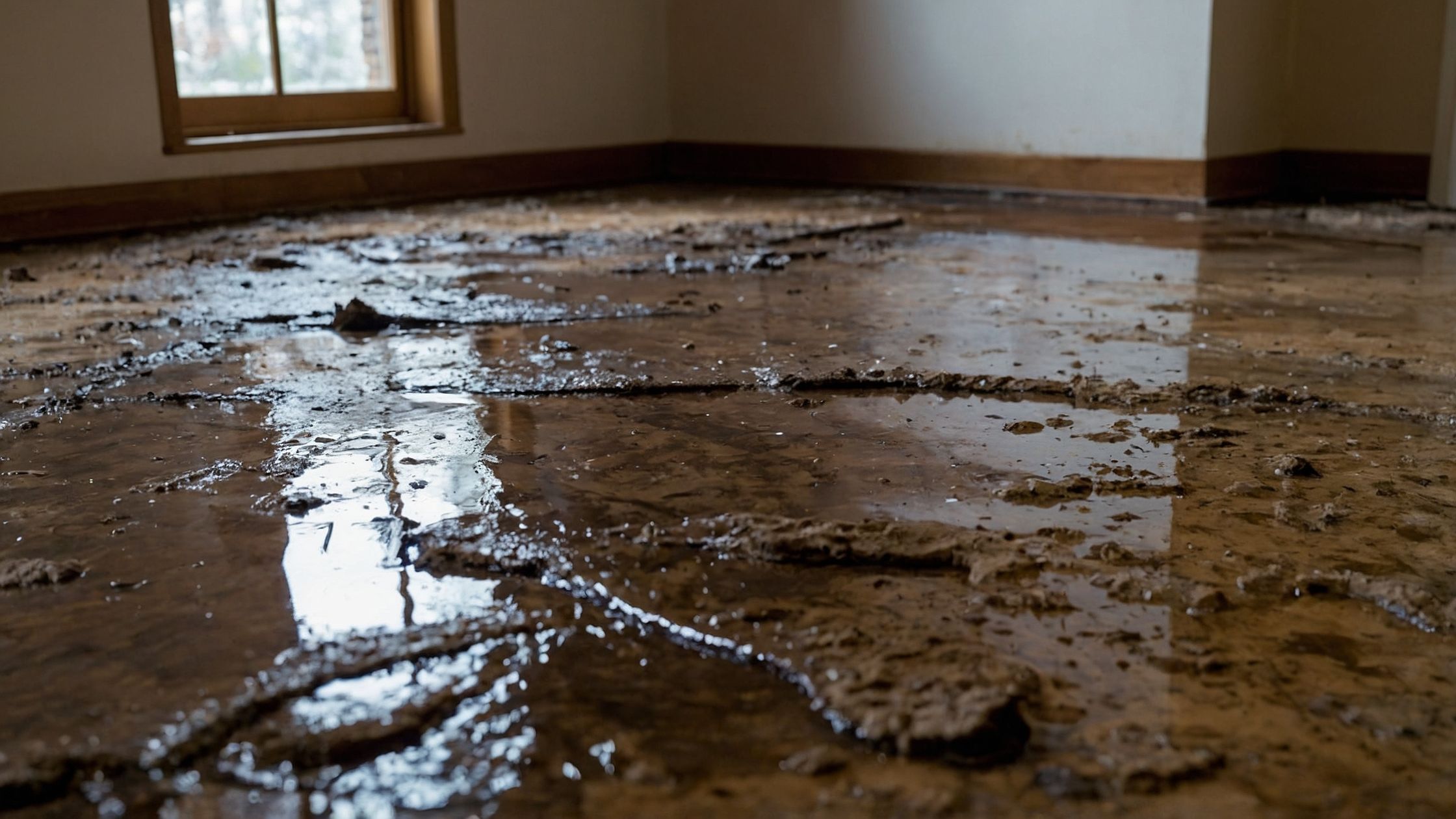
Arizona homes face distinct risks for slab leaks stemming from environmental factors. The state’s adoption of the International Plumbing Code with amendments, including the 2024 Phoenix Building Construction Code effective in 2025, sets standards for pipe materials and installations to mitigate these issues. Non-compliance can result in avoidable complications, so familiarity with these regulations proves beneficial.
Hard water in the Phoenix area, often registering 14-16 grains per gallon as reported in recent water quality assessments, contributes to mineral buildup inside pipes. This buildup can weaken copper lines under slabs over time. Shifting soils during monsoons further stress foundations, potentially cracking pipes.
Licensed contractors emphasize seasonal monitoring. Extreme heat can dry out soils, while heavy rains cause expansion, both common in Maricopa County. Addressing these through code-compliant designs helps safeguard homes.
Arizona Plumbing Codes and Permit Requirements for Slab Work
The 2024 Phoenix Building Construction Code, adopted on June 18, 2025, mandates permits for any plumbing alterations involving slabs, available through the City of Phoenix Planning & Development Department Phoenix Building Codes. These require inspections to verify compliance with state amendments to the International Plumbing Code.
Permits ensure work meets safety standards, particularly for repipes or repairs. Homeowners benefit from checking contractor status via the Arizona Registrar of Contractors before proceeding.
Water Quality Considerations and Hard Water Impacts in AZ
Arizona’s water sources lead to high mineral content, accelerating corrosion in slab-embedded pipes. Data from the Salt River Project highlights Phoenix water hardness levels around 14 grains per gallon, prompting recommendations for treatment systems.
Untreated hard water can reduce pipe lifespan significantly. Solutions like water softeners align with conservation efforts outlined by the Arizona Department of Water Resources.
Emergency Prevention and Response for Slab Leaks
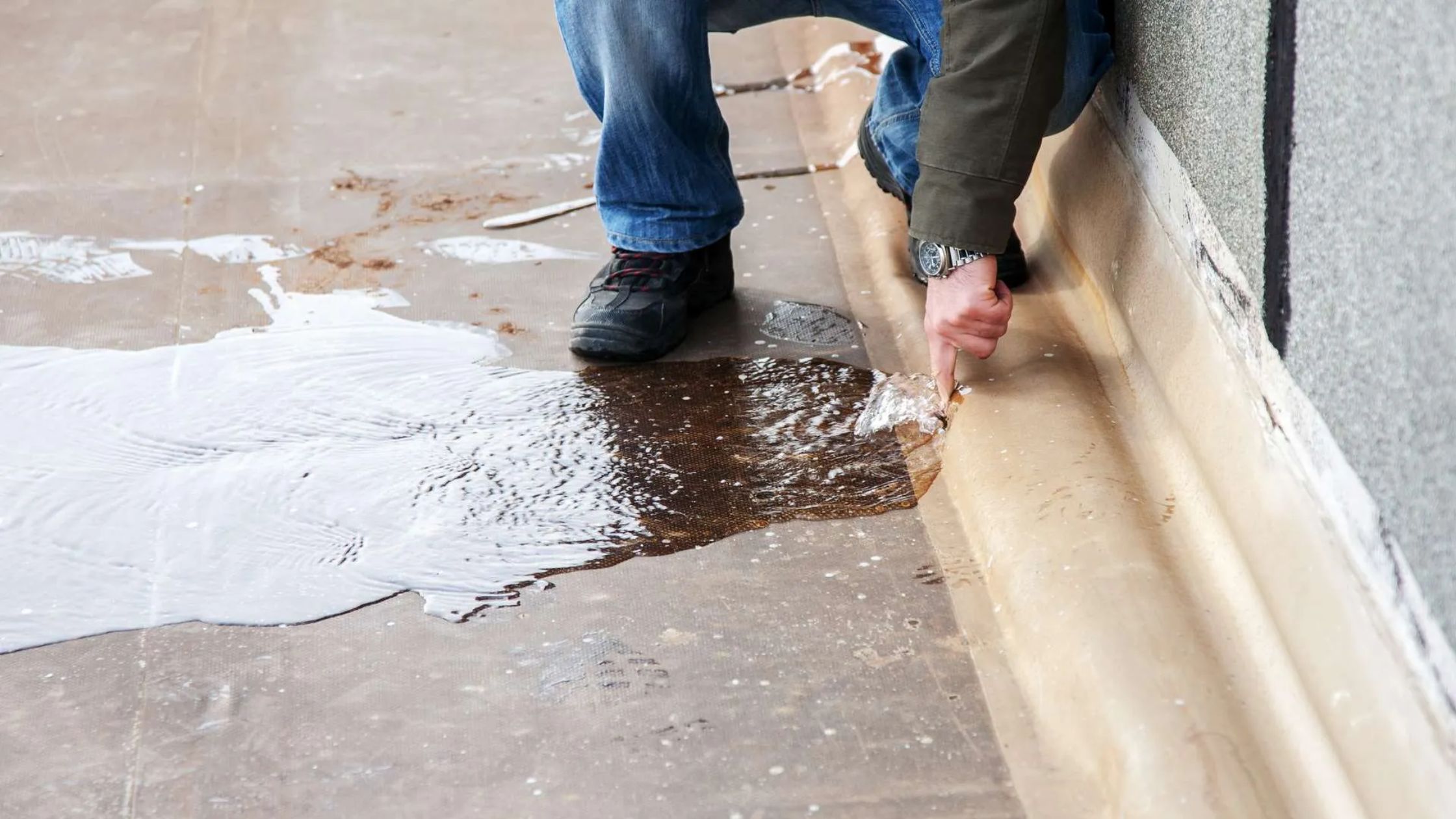
Sudden slab leaks demand quick action to limit damage in Arizona’s dry climate. Rapid Fire Plumbing provides 24/7 emergency service, enabling fast isolation of leaks to prevent extensive water loss. This availability aligns with local expectations for prompt professional intervention.
Licensed and insured status offers protection, as required under Arizona law. Bonds and coverage safeguard clients during urgent repairs.
With 20+ years serving the Phoenix area, including commercial sites, established contractors handle diverse scenarios effectively.
24/7 Emergency Service Capabilities and Procedures
Emergency calls often receive same-day attention*, focusing on shutting off water and assessing damage. Procedures include electronic leak detection to pinpoint issues without major disruption.
All timelines and service cost ranges are provided for general information only. Actual service duration and costs will depend on the specific plumbing issues, project complexity, scheduling availability, and agreed-upon scope of work as set forth in the written service agreement.
Licensed Contractor Qualifications and Insurance Benefits
Contractors must hold active ROC licensing, verifiable at Arizona Registrar of Contractors. Insurance covers potential mishaps, providing reassurance for homeowners.
Step-by-Step Prevention Strategies for AZ Homes
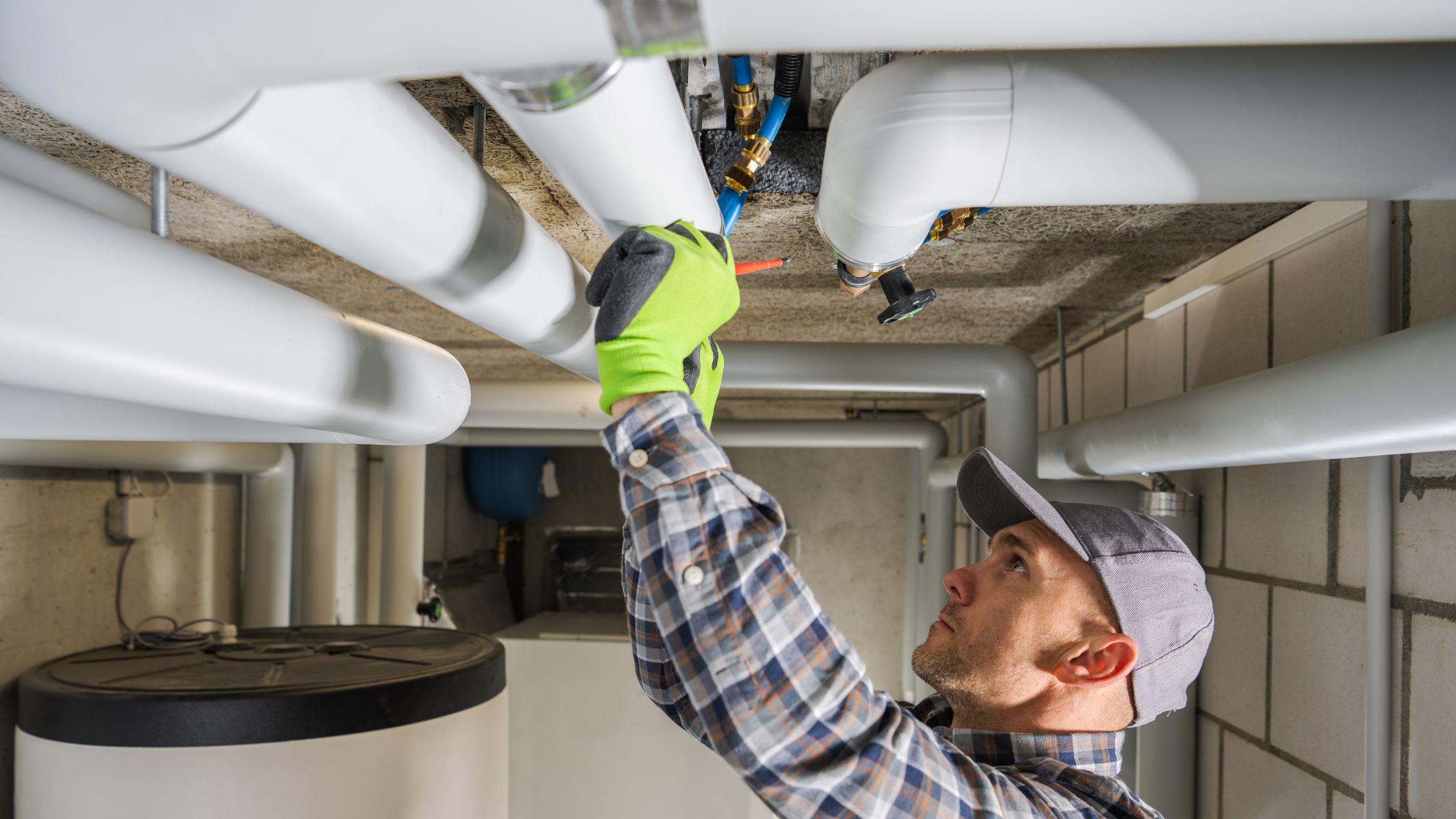
Preventing slab leaks begins with a thorough inspection, potentially completed within hours*. Follow-up plans might involve repiping, which could span 1-2 days* depending on home size.
Diagnostic tools help identify vulnerabilities in Arizona’s hard water-prone systems. Communication ensures homeowners understand each phase.
For comprehensive protection, consider whole house repipes tailored to local conditions.
Initial Assessment and Leak Detection Phase
Start with visual checks and pressure tests to evaluate pipe integrity. Advanced methods like acoustic detection suit slab foundations.
Implementation of Prevention Measures and Quality Assurance
Install corrosion-resistant pipes or softeners, followed by testing. Post-work inspections confirm compliance with Phoenix codes.
Transparent Pricing and Value for Slab Leak Prevention
Transparent pricing eliminates surprises, with upfront quotes and a beat-any-quote guarantee. Factors influencing costs include pipe material and access complexity, typically ranging $1,500-$5,000 for basic preventions*.
Value extends to long-term savings from avoided repairs. Family-owned businesses like Rapid Fire Plumbing prioritize clear communication.
Pricing Transparency and Competitive Guarantees
Quotes detail all elements, ensuring competitiveness. This approach builds trust in the Phoenix market.
Long-Term Value and Cost-Saving Factors
Investing in softeners or repipes reduces future expenses. Rebates from Arizona Department of Water Resources offset initial outlays.
Signs and Early Detection of Slab Leaks in Arizona
Unexplained increases in water bills signal potential leaks, especially in Arizona’s arid conditions. Foundation cracks or damp spots warrant attention.
Homeowners can monitor meters, but professional tools offer precision. Early intervention prevents structural damage.
Integration with maintenance, like drain cleaning, supports overall system health.
Key Warning Signs in Phoenix Homes
Hot spots on floors or mold growth indicate issues amplified by local heat. Monsoons can exacerbate visible symptoms.
Professional Detection Techniques
Technicians use infrared cameras for non-invasive checks. These methods align with City of Phoenix inspection standards.
Commercial vs. Residential Slab Leak Prevention
Residential strategies focus on softener installations for homes, while commercial approaches handle larger scales like hospitals. Both benefit from code compliance.
Shared tactics include routine checks to minimize downtime. Rapid Fire Plumbing’s experience spans both sectors in Maricopa County.
Residential Prevention Best Practices
Prioritize water treatment in family homes. Regular servicing extends system life.
Commercial Building Considerations in AZ
Public buildings require adherence to stricter regulations, such as those for gas lines. Scaled repipes ensure operational continuity.
FAQ
What causes slab leaks in Arizona homes?
Slab leaks often result from pipe corrosion due to hard water or soil shifts from monsoons and heat in the Phoenix area.
How can I prevent slab leaks in Phoenix due to hard water?
Installing water softeners reduces mineral buildup; consider professional assessment for your system’s needs.
What are signs of a slab leak in my Arizona home?
Look for higher water bills, foundation cracks, or damp areas, which can worsen in Arizona’s climate.
How much does slab leak repair cost in Phoenix?
Repairs might range $2,000-$10,000* based on extent; factors include detection and repiping requirements.
Who is the best emergency plumber for slab leaks in Arizona?
Seek licensed contractors with 24/7 availability, like those experienced in Phoenix emergencies.
Do I need a permit for slab leak repairs in Phoenix?
Yes, per the 2024 Phoenix Building Construction Code; apply via the city’s development services.
How does Arizona’s hard water contribute to slab leaks?
High minerals erode pipes over time, leading to leaks under slabs.
Can water softeners prevent slab leaks in AZ homes?
They help by softening water, potentially extending pipe life in mineral-rich areas.
What is the fastest way to detect a slab leak in Phoenix?
Use professional electronic detection for quick, accurate results.
Should I repipe my whole house to avoid future slab leaks?
If corrosion is widespread, repiping offers long-term prevention; consult for evaluation.
Are slab leaks covered by insurance in Arizona?
Coverage varies; check policies for water damage, excluding gradual leaks often.
How do monsoons affect slab leaks in Phoenix homes?
Soil expansion from rain stresses foundations, potentially cracking pipes.
What licensing should a Phoenix plumber have for slab work?
ROC licensing is essential, verifiable online for qualified work.
Can same-day service fix a slab leak emergency?
Many emergencies allow same-day isolation and repair starts*.
How to choose a family-owned plumber in Arizona for leaks?
Look for 20+ years experience, transparent pricing, and positive local reviews.
Sources
Arizona Plumbing Resources
- Arizona Registrar of Contractors – Provides plumbing code details, licensing requirements, and contractor verification tools
- City of Phoenix Planning & Development – Covers permit applications, inspection processes, and local plumbing regulations
Professional and Industry Association Sources
- Salt River Project – Offers water quality reports and hardness level data for the Phoenix area
- Arizona Department of Health Services – Provides water condition and treatment information
Government and Regulatory Authorities
- Arizona Department of Water Resources – Includes conservation requirements, rebate programs, and seasonal water/plumbing considerations
- Phoenix Building Construction Codes – Details the 2024 PBCC adopted in 2025 for plumbing standards
Service Consultation Disclaimer
This article provides general information about Arizona plumbing services and should not be considered as specific service advice for your project. Plumbing issues, costs, and procedures vary significantly based on individual circumstances, jurisdiction within Arizona, and specific project details. Service schedules, project timelines, and plumbing processes can be affected by many factors specific to each situation. All timelines and service cost ranges are provided for general information only. Actual service duration and costs will depend on the specific plumbing issues, project complexity, scheduling availability, and agreed-upon scope of work as set forth in the written service agreement. For free consultation and qualified service for your specific Arizona plumbing needs, contact Rapid Fire Plumbing. Our licensed Arizona plumbing contractors will provide personalized service analysis based on your specific needs and circumstances. No service agreement is created by reading this article.
