Planning a bathroom remodel in Phoenix? Installing a new water heater? Dealing with an emergency slab leak? If you’re a homeowner or property manager in the Phoenix metro area, understanding plumbing codes isn’t optional—it’s essential for protecting your property investment. As of July 2024, the City of Phoenix adopted the 2024 International Plumbing Code with significant updates affecting everything from water heater installations to whole house re-pipes. Skipping proper permits can cost you 2-3 times more in penalty fees, delay your home sale, or force you to tear out completed work.
Key Information
Phoenix uses the 2024 International Plumbing Code (IPC) adopted in July 2024, replacing previous 2018 standards. Only Arizona Registrar of Contractors (ROC) licensed plumbers with C-37, C-37R, or C-77 classifications can legally pull permits for plumbing work exceeding $1,000. Non-permitted work discovered by Phoenix inspectors results in Stop Work orders and permit fees increasing 2-3 times as penalties. Licensed contractors navigate Phoenix’s EPR (Electronic Plan Review) and SHAPE permit systems, handle inspections, and ensure code-compliant work passes on the first attempt.
Overview
This comprehensive guide covers Phoenix’s current 2024 plumbing codes, permit requirements, inspection processes, and contractor licensing verification. You’ll learn which projects require permits, how to navigate Phoenix’s permit systems, why working with licensed Arizona contractors protects your investment, and how to avoid costly code violations. Whether you’re facing an emergency repair, planning a renovation, or managing commercial property, understanding Phoenix’s plumbing regulations helps you make informed decisions about your plumbing projects.
Phoenix’s 2024 Plumbing Code Adoption: What Changed and Why It Matters

Phoenix officially adopted the 2024 International Plumbing Code in July 2024, marking a significant update from the previous 2018 version most online content still references. The city also embraced Uniform Plumbing Code provisions and the Water Demand Calculator for right-sized system design—critical for Arizona’s water conservation priorities. This adoption reflects Phoenix’s commitment to public health protection, water efficiency, and building safety in Arizona’s unique climate.
The 2024 IPC includes several important updates affecting Phoenix homeowners and businesses. Stricter pipe insulation mandates address energy efficiency in extreme heat conditions common to Arizona summers. Broader water reuse system requirements support drought management strategies essential for desert communities. Enhanced non-potable water system provisions promote water conservation while protecting public health through proper system separation and labeling.
Phoenix applies city-specific amendments to the base IPC standards. These local requirements include 52-inch minimum fixture length and 36-inch minimum depth clearances for new facilities—more stringent than the base code. Phoenix Municipal Code Section 39-5 governs electrical, plumbing, and mechanical systems, establishing the legal framework for code enforcement within city limits.
Key Differences Between 2024 IPC and Previous Phoenix Codes
Water conservation takes center stage in the 2024 updates. Low-flow fixtures previously recommended are now standard requirements, not optional upgrades. This change reflects Arizona’s ongoing water challenges and Phoenix’s leadership in drought-resistant building practices. If you’re planning a remodel or new construction, expect inspectors to verify water-efficient fixture specifications.
Backflow prevention requirements received enhanced attention in the 2024 code. These devices protect municipal water supplies from contamination when water flows backward through plumbing systems. Arizona water quality regulations mandate cross-connection control, and the updated IPC strengthens these protections with more specific installation and testing requirements.
The approved materials list received refinements for PEX (cross-linked polyethylene) and CPVC (chlorinated polyvinyl chloride) standards. These updates address long-term performance in various climate conditions, particularly relevant for Arizona’s extreme temperature swings. Licensed contractors understand which materials perform best in Phoenix’s environment while meeting current code specifications.
How Phoenix’s Local Amendments Differ from Statewide Arizona Codes
Phoenix applies city-specific amendments addressing the unique challenges of desert urban environments. The arid climate demands different approaches to water conservation, drainage, and system design compared to other Arizona regions. Understanding these local requirements matters because Phoenix inspectors enforce city amendments, not just statewide standards.
Rapid Fire Plumbing serves the entire Phoenix metro area, including Maricopa County, Glendale, Peoria, Surprise, Cave Creek, and surrounding communities. Each jurisdiction may apply variations to the base IPC. Glendale might have specific requirements for commercial developments. Peoria could emphasize different drainage standards. Working with contractors experienced across multiple Phoenix-area jurisdictions ensures your project meets the specific requirements of your location.
Maricopa County’s building permit requirements differ slightly from Phoenix city limits. County projects follow similar IPC foundations but may have different submittal processes, fee structures, or inspection protocols. Licensed contractors familiar with both city and county systems navigate these variations seamlessly.
What Arizona’s Hard Water Conditions Mean for Code Compliance
Arizona’s water contains 200-400+ mg/L mineral content, classified as hard to very hard. This high mineral concentration affects code-compliant installations in ways most national plumbing content doesn’t address. Hard water accelerates mineral buildup in pipes, reduces fixture lifespan, and affects system performance over time.
IPC water supply standards must account for Arizona’s mineral-rich water when selecting materials and designing systems. Copper piping resists our hard water relatively well but costs more initially. PEX offers flexibility and mineral resistance at moderate cost. Galvanized steel should generally be avoided due to accelerated corrosion in hard water conditions.
Water softener integration requires proper sizing, backflow prevention devices, and drain connections meeting current IPC standards. The 2024 code provisions for water treatment equipment emphasize protecting water quality while allowing beneficial treatment systems. If you’re considering water treatment solutions, licensed contractors ensure installations comply with both treatment needs and code requirements.
When You Need a Plumbing Permit in Phoenix (And When You Don’t)
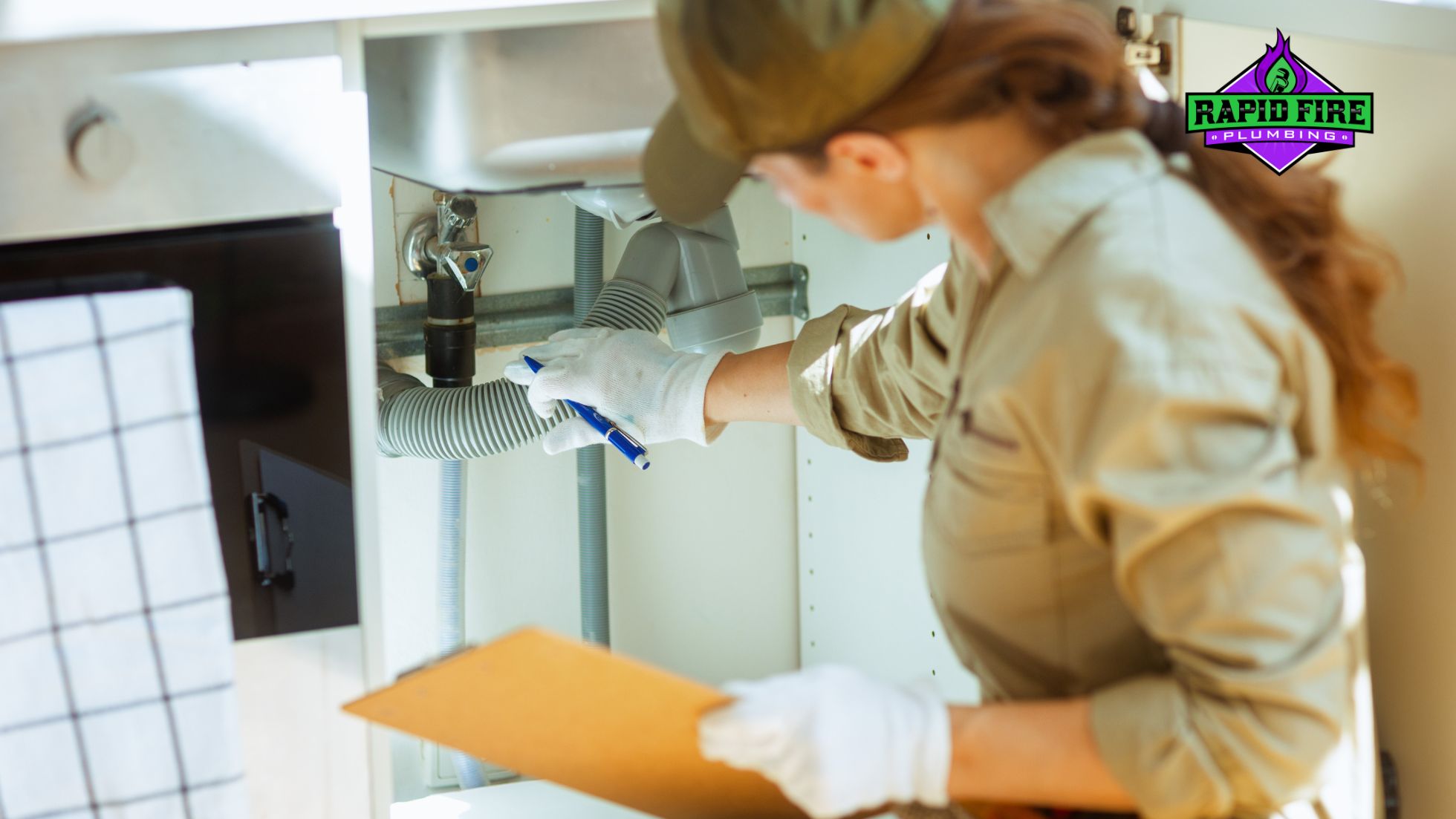
Arizona law requires permits for plumbing work exceeding $1,000 or involving structural changes, gas lines, water supply systems, or drainage systems. The Phoenix Planning and Development Department oversees all plumbing permit requirements within city limits. Understanding which projects require permits helps you avoid costly violations while maintaining your property value.
Clear examples help homeowners make informed decisions. Water heater installation or replacement—whether tank or tankless—always requires permits. Whole house repiping or partial repiping affecting multiple fixtures needs permits and inspections. New fixture installations like adding bathrooms or moving kitchen sinks trigger permit requirements.
Water main or sewer line replacement and repair work requires permits due to the critical nature of these systems. Gas line installation or modification demands permits because of life-safety concerns. Backflow prevention device installation protects public water supplies and requires proper permitting.
Minor Plumbing Repairs You Can Do Without Phoenix Permits
Some minor repairs fall below permit thresholds. Replacing faucet aerators, showerheads, or fixture handles doesn’t require permits. Toilet flapper or fill valve replacement—without removing or replacing the entire toilet—typically doesn’t need permits.
Clearing minor drain clogs with snakes or augers qualifies as maintenance rather than repair requiring permits. Replacing washing machine hoses or minor leak repairs on exposed pipes generally don’t trigger permit requirements. However, even minor repairs must meet IPC standards if they’ll be inspected later during remodels or home sales.
Gray Area Projects: When to Call a Licensed Contractor
Some projects fall into gray areas where permit requirements depend on specific circumstances. Toilet replacement permit requirements vary by jurisdiction—some require them, others don’t. Garbage disposal installation typically requires permits due to electrical and plumbing connections.
Under-sink water filtration systems may or may not require permits depending on whether they connect to the main water supply or just individual fixtures. Sump pump installations often need permits due to drainage system connections. Consider consulting with licensed contractors during free assessments to determine permit necessity for your specific situation.
Emergency Plumbing Repairs and Permit Requirements
Emergency situations like burst pipes, slab leaks, or sewer backups require immediate action to prevent property damage. Licensed emergency plumbers stabilize these situations immediately—stopping water flow and preventing further damage. However, permanent repairs still require permits and inspections in most cases.
This two-phase approach protects homeowners. Phase one addresses the emergency with immediate stabilization. Phase two involves proper permit applications and code-compliant permanent repairs. Choosing licensed 24/7 contractors prevents “fix it twice” scenarios where emergency patches later fail inspection during home sales or remodels.
Phoenix inspection requirements apply equally to emergency plumbing work and planned projects. The code doesn’t distinguish between urgent repairs and scheduled installations—both must meet current 2024 IPC standards. Working with licensed contractors who understand this balance ensures emergency repairs won’t cause problems later.
How to Get a Plumbing Permit in Phoenix: Step-by-Step Process
Phoenix requires Electronic Plan Review (EPR) and SHAPE accounts for permit submission. This online system streamlines the process but can confuse homeowners unfamiliar with municipal permitting platforms. Understanding the steps involved helps set realistic expectations for project timelines.
Typical timelines for residential projects involve approximately one month or less* for plan review after submission. Major commercial projects may take 6-8 months* for complete plan review and inspection cycles due to complexity and additional regulatory requirements. Working with licensed contractors who navigate these systems daily minimizes delays and ensures proper submittal.
Timeline Disclaimer: All timelines and service cost ranges are provided for general information only. Actual service duration and costs will depend on the specific plumbing issues, project complexity, scheduling availability, and agreed-upon scope of work as set forth in the written service agreement.
Phoenix EPR and SHAPE System Overview
The Electronic Plan Review system allows digital submission of plumbing plans and supporting documentation. SHAPE accounts manage permit applications, fee payments, and inspection scheduling. Creating these accounts requires specific information about property location, project scope, and contractor credentials.
Required documentation includes detailed plumbing plans showing all work, calculations demonstrating code compliance, and contractor license verification from the Arizona Registrar of Contractors. Online submission follows specific formatting requirements that licensed contractors understand from regular use.
Fee payment occurs through the online system based on project scope. Once submitted, plans enter the review queue where city staff verify code compliance before approval. This review protects both homeowners and public safety by ensuring proposed work meets current standards.
Phoenix Plumbing Permit Fees and Costs
Phoenix’s Appendix A fee schedule establishes permit costs based on project scope and complexity. Water heater permits typically range from lower fees for direct replacements to higher fees for installations involving system modifications*. Repipe permits vary based on the number of fixtures affected and total piping replaced*.
Commercial plumbing permits receive project-based assessment considering building occupancy type, system complexity, and public health protection requirements. Additional fees apply for plan review services, multiple inspections, and re-inspections if initial work doesn’t pass.
Consider this critical fact: Non-permitted work discovered by inspectors costs 2-3 times standard permit fees as penalties. Reddit discussions in r/phoenix show homeowners facing these exact situations when unpermitted work surfaces during home sales or refinancing attempts. The “savings” from skipping permits always costs more long-term.
Plumbing Inspection Process and Timeline
Phoenix requires multiple inspections at different project stages. Rough plumbing inspection occurs before covering pipes or closing walls, allowing inspectors to verify proper installation, materials, and code compliance. Pressure testing demonstrates system integrity without leaks.
Final plumbing inspection happens before issuing a Certificate of Occupancy or Completion. Inspectors verify all work matches approved plans, proper materials were used throughout, correct installation techniques were followed, pressure tests show no leaks, and backflow prevention devices are properly installed.
Common inspection failure reasons include improper pipe slopes, inadequate venting, incorrect fixture clearances, unapproved materials, and missing backflow prevention. Re-inspection processes require correcting deficiencies before scheduling follow-up inspections. Realistic timeline expectations include 3-7 days* for inspection scheduling depending on inspector availability and project location.
Why Licensed Contractors Should Handle Your Permit Application
Only ROC-licensed contractors can legally pull permits for work exceeding $1,000 in Arizona. This requirement protects consumers by ensuring qualified professionals manage permitted work. Licensed contractors carry professional liability—if their permitted work fails inspection, they must redo it at their cost, not yours.
Professional contractors maintain established relationships with Phoenix inspectors built through years of quality work. They understand exactly what inspectors look for and ensure installations meet those requirements the first time. This experience translates to fewer delays, lower re-inspection risks, and faster project completion.
Rapid Fire Plumbing’s full-service approach includes handling permit applications, navigating EPR and SHAPE systems, coordinating inspections, and ensuring code compliance throughout your project. With 20+ years serving Phoenix and surrounding areas, our licensed contractors streamline the permit process while protecting your investment through proper code compliance.
Arizona Plumbing Contractor Licensing: How to Verify You’re Hiring Legally
 Arizona Registrar of Contractors mandates only licensed contractors can perform plumbing work exceeding $1,000. This legal requirement protects consumers from unqualified work, ensures proper insurance coverage, and provides recourse if problems arise. Understanding licensing classifications helps you verify you’re hiring legitimately qualified professionals.
Three plumbing license classifications exist in Arizona: C-37 (Commercial Plumbing), C-37R (Residential Plumbing), and C-77 (Dual Classification). Each designation requires 4 years or 8,000 hours of documented experience before licensing eligibility. Contractors must pass trade exams demonstrating technical knowledge and business exams showing professional competency.
Bonding and insurance requirements protect consumers financially. Bonds provide compensation if contractors fail to complete work or violate regulations. Insurance covers property damage or injuries occurring during work. Licensed contractors maintain these protections as ongoing licensing requirements, unlike unlicensed operators.
Arizona ROC Plumbing License Classifications Explained
C-37 Commercial Plumbing licenses authorize work on commercial properties, hospitals, schools, government buildings, and multi-family complexes. These projects often involve more complex systems, stricter codes, and enhanced public health protection requirements. Contractors holding C-37 licenses demonstrate expertise with demanding commercial standards.
C-37R Residential Plumbing licenses cover single-family homes, townhomes, and residential properties. Residential work follows the same IPC foundation but typically involves smaller-scale systems and different permitting processes. Many residential-only contractors specialize in home plumbing but lack commercial project experience.
C-77 Dual Classification permits both commercial and residential work, indicating broader expertise and experience meeting stricter commercial code requirements. Dual-licensed contractors bring commercial-grade quality standards to residential projects. This versatility matters for complex residential projects like large custom homes or properties with specialized systems.
How to Verify Plumbing Contractor Licensing in 3 Minutes
Visit the Arizona Registrar of Contractors search portal and search by contractor name or license number. This free public database provides instant verification of licensing status and qualifications. Taking three minutes to verify credentials protects you from hiring unlicensed operators.
Check for active license status—not expired or suspended. Verify proper classification matches your project type: C-37, C-37R, or C-77 for plumbing work. Confirm current bonding and insurance meet state requirements. Review complaint history for unresolved issues or disciplinary actions.
Ask contractors for their ROC license number before hiring—legitimate professionals provide this immediately. Be wary of contractors who hesitate, claim licenses aren’t necessary for your project, or can’t produce verifiable credentials. These red flags often indicate unlicensed operators.
Why Unlicensed Plumbers Cost You More in the Long Run
Unlicensed contractors can’t legally pull permits, leaving you liable as the homeowner if work doesn’t meet code. This liability extends to future home sales when buyers’ inspectors discover unpermitted work. You’ll face expensive corrections, price reductions, or deal cancellations.
No insurance coverage exists if unlicensed work causes property damage or injuries. You bear full financial responsibility for any problems arising from unpermitted, uninsured work. Licensed contractors carry insurance specifically protecting homeowners from these risks.
The Arizona Registrar of Contractors provides no recourse if unlicensed contractors perform substandard work or disappear mid-project. Licensed contractors face disciplinary action for violations, creating accountability absent with unlicensed operators. Building permits explained for Arizona emphasize these consumer protection benefits.
Code violations from unlicensed work may void homeowners insurance coverage after water damage events. Insurance companies investigate damage causes and may deny claims if they discover code-violating plumbing contributed to losses. Licensed, permitted work maintains your insurance protection.
Most Common Plumbing Code Violations in Phoenix (And How to Avoid Them)
Understanding common code violations helps homeowners recognize substandard work and avoid costly corrections. Phoenix inspectors cite specific violations repeatedly, often resulting from DIY attempts or unlicensed contractor work. Knowing these problem areas helps you ask informed questions when evaluating contractors.
Fixture Spacing and Clearance Violations
IPC requires 21 inches minimum clearance in front of toilets and sinks for proper use and maintenance access. Side-to-side spacing mandates 15 inches minimum from toilet or sink centerlines to walls or other fixtures. Phoenix amendments require 52 inches minimum length and 36 inches minimum depth for new facilities.
Bathroom remodels commonly violate these requirements when homeowners try maximizing space without understanding clearance mandates. The temptation to squeeze fixtures closer together creates code violations discovered during inspections. These violations require moving fixtures—an expensive correction involving additional plumbing, tile work, and flooring repairs.
Showers require at least 30×30 inches of interior space under IPC standards. This ensures adequate room for safe use and proper drainage. Common plumbing code violations include undersized shower enclosures in basement bathrooms or accessory dwelling units where space limitations tempt code-violating designs.
Improper Drain Slope and Venting
IPC mandates specific drain pipe slopes—typically 1/4 inch per foot for most applications. Insufficient slope causes standing water, which leads to clogs, odors, and sewage backup. Excessive slope creates similar problems as water flows too quickly without carrying solid waste effectively.
Proper venting prevents negative pressure in drainage systems. Without adequate venting, drains run slowly, toilets gurgle, and sewer gases infiltrate living spaces. DIY drain work frequently violates venting requirements because homeowners don’t understand complex venting calculations and installation techniques.
Licensed contractors use proper grading tools and calculations ensuring correct slopes throughout drainage systems. They understand vent sizing, placement, and connection requirements from years of training and experience. This technical knowledge explains why drainage system work consistently requires professional installation.
Backflow Prevention and Cross-Connection Control
IPC requires backflow prevention devices protecting municipal water supplies from contamination. These devices prevent water from flowing backward through plumbing systems when pressure drops or reverses. Irrigation systems, water treatment equipment, and commercial facilities require specific backflow prevention.
Arizona water quality regulations mandate cross-connection control programs ensuring drinking water safety. The 2024 IPC provisions strengthen backflow prevention requirements with more specific installation standards and testing protocols. Annual testing and certification verify devices function properly.
Violation penalties include water service disconnection for properties without required backflow prevention or with non-functioning devices. Municipal water departments take cross-connection control seriously because contamination risks affect entire neighborhoods. Licensed contractors ensure proper backflow prevention installation and can coordinate required testing.
Unapproved Materials and Improper Installations
IPC-approved pipe materials include PEX, copper (Type K, L, or M), CPVC, and specific PVC schedules for drain, waste, and vent systems. Each material must meet ASTM standards and be installed according to manufacturer specifications. Using unapproved materials or incorrect installation techniques creates code violations.
Common material violations include incorrect PEX fittings not matching the PEX type used, improper copper soldering leaving weak joints prone to failure, and wrong pipe schedules for specific applications. Mixing incompatible pipe materials like galvanized steel directly to copper creates electrolysis corrosion, rapidly degrading the connection.
Material selection matters significantly in Arizona’s hard water and extreme heat conditions. Licensed contractors understand which approved materials perform best in Phoenix’s climate while meeting code requirements. This expertise prevents both immediate code violations and long-term performance problems.
Emergency Plumbing Repairs: Balancing Urgency with Code Compliance
Emergency plumbing situations create stress and urgency, but even crisis repairs must meet Phoenix’s code requirements. Understanding how licensed contractors handle emergencies differently than handymen or unlicensed operators helps you make informed choices during high-pressure situations.
Common Phoenix Plumbing Emergencies Requiring Code-Compliant Repairs
Slab leaks—concrete foundation pipe failures—occur frequently in Arizona due to soil conditions and water chemistry. These leaks require immediate attention preventing foundation damage and water waste. However, permanent repairs must meet IPC standards even though the situation demands urgency.
Burst pipes from extreme temperature fluctuations, though rare in Phoenix, can be catastrophic when they occur. Immediate water shutoff prevents extensive property damage. Permanent repairs require proper materials, code-compliant installation, and often permits depending on the extent of work.
Sewer line backups affecting main drainage systems pose health hazards requiring immediate response. Emergency clearing restores function, but underlying problems often need permanent solutions meeting current code requirements. Water heater failures requiring emergency replacement still need permits and code-compliant installations despite the urgent need for hot water restoration.
Gas leaks require immediate certified response due to explosion and carbon monoxide poisoning risks. Gas line work demands both plumbing licenses AND gas certification in Arizona. These life-safety emergencies allow no shortcuts—proper procedures and code compliance are non-negotiable.
How 24/7 Licensed Contractors Handle Emergency Code Compliance
Licensed emergency contractors follow a structured approach balancing urgency with code compliance. Phase one involves immediate stabilization—stopping water flow, preventing property damage, and securing the situation. This emergency response happens quickly, often within hours of your call*.
Phase two begins proper diagnosis using code-compliant methods. Licensed contractors assess the full extent of problems, identify root causes, and develop repair plans meeting current IPC standards. This assessment prevents addressing symptoms while missing underlying issues.
Phase three executes repairs using approved materials and IPC-compliant techniques. Even under time pressure, licensed contractors use proper materials, follow correct installation procedures, and ensure work will pass inspection. Shortcuts might seem faster initially but create expensive problems when violations surface later.
Phase four involves permit applications and inspection scheduling for work requiring permits. Licensed contractors handle this administrative work as part of complete service. This four-phase process protects homeowners from “fix it twice” scenarios where quick patches later fail inspection during home sales or remodels.
What Happens If Emergency Repairs Don’t Meet Code
Home sale complications arise when buyers’ inspectors flag unpermitted or code-violating work. Buyers typically demand corrections before closing, request price reductions covering repair costs, or cancel deals entirely when violations seem extensive. These scenarios cost far more than proper permitting initially.
Refinancing issues occur because lenders require permit verification for major plumbing work before approving new loans. Banks protect their investment by ensuring properties meet code requirements. Unpermitted work stalls refinancing until corrected and properly permitted—an expensive surprise when you need quick financing.
Homeowners insurance may deny water damage claims if problems result from code-violating plumbing. Insurance adjusters investigate damage causes. Discovering unpermitted work or code violations gives insurers grounds to deny coverage. Licensed, permitted work maintains your insurance protection.
Reddit discussions show Phoenix homeowners dealing with previous owners’ unpermitted work—forced to correct violations at their expense before completing sales. These real-world examples demonstrate why proper permitting protects property value.
Frequently Asked Questions About Phoenix Plumbing Codes
What plumbing code does Phoenix use in 2025?
Phoenix officially adopted the 2024 International Plumbing Code as amended by the city in July 2024. The city also embraces Uniform Plumbing Code provisions and the Water Demand Calculator for right-sized system design. This replaced the previous 2018 IPC version, with updates emphasizing water conservation, stricter pipe insulation requirements, and enhanced non-potable water system provisions critical for Arizona’s arid climate.
When do I need a plumbing permit in Phoenix?
Phoenix requires plumbing permits for work exceeding $1,000, any work involving water supply systems, drainage systems, gas lines, water heaters, fixture installations or relocations, repiping projects, backflow prevention devices, and water treatment systems affecting main supply. You typically don’t need permits for minor repairs like replacing faucet aerators, showerheads, toilet flappers, or clearing drain clogs—but if work will be inspected later during remodels or home sales, even minor repairs must meet IPC standards.
How much does a plumbing permit cost in Phoenix?
Phoenix plumbing permit fees vary by project scope based on the city’s fee schedule. Typical ranges include water heater replacements, bathroom and kitchen remodel plumbing, whole-house repipes, and water or sewer main work*. Additional costs include plan review fees, inspection fees, and re-inspection fees if work doesn’t pass initially. Non-permitted work discovered by inspectors results in Stop Work orders and permit fees increasing 2-3 times as penalties.
Do I need a licensed plumber to pull plumbing permits in Arizona?
Yes. Arizona Registrar of Contractors law requires only licensed contractors with C-37 (Commercial Plumbing), C-37R (Residential Plumbing), or C-77 (Dual Classification) can legally pull permits for plumbing work exceeding $1,000 or requiring permits. Homeowners technically can pull permits for work on their own primary residence, but this requires passing contractor exams, posting bonds, obtaining insurance, and accepting full liability.
How do I verify a plumber’s license in Arizona?
Visit the Arizona Registrar of Contractors search portal and search by contractor name or license number. Verify active license status (not expired or suspended), proper classification (C-37, C-37R, or C-77 for plumbing), current bonding and insurance, no unresolved complaints or disciplinary actions, and years in business and experience. Ask contractors for their ROC license number before hiring—legitimate contractors provide this immediately.
What’s the difference between C-37, C-37R, and C-77 plumbing licenses in Arizona?
C-37 Commercial Plumbing licenses allow work on commercial properties, hospitals, schools, government buildings, and multi-family complexes. C-37R Residential Plumbing licenses cover single-family homes, townhomes, and residential properties. C-77 Dual Classification allows both commercial and residential work, indicating broader expertise and experience meeting stricter commercial code requirements. All classifications require 4 years or 8,000 hours documented experience, passing trade and business exams, posting bonds, and maintaining insurance.
What happens if I do plumbing work without a permit in Phoenix?
Phoenix inspectors who discover unpermitted plumbing work issue Stop Work orders and require permit applications with fees increased 2-3 times as penalties. During home sales, buyers’ inspectors flag unpermitted work, forcing expensive corrections, price reductions, or deal cancellations. Lenders may refuse refinancing until unpermitted work is corrected and properly permitted. Homeowners insurance may deny water damage claims if problems result from code-violating unpermitted plumbing.
How long does the Phoenix plumbing inspection process take?
Phoenix Planning and Development Department typically completes residential plumbing plan reviews in one month or less* after submission. Once approved, scheduling rough plumbing inspections usually takes 3-7 days*. After passing rough inspection, work continues until final plumbing inspection before receiving a Certificate of Occupancy or Completion. Major commercial projects may take 6-8 months* for complete plan review and inspection cycles due to complexity.
Does emergency plumbing work require permits in Phoenix?
Yes, in most cases. While emergency situations like burst pipes, slab leaks, sewer backups, or gas leaks require immediate action to prevent property damage, permanent repairs still require permits and must meet Phoenix’s 2024 IPC standards. Licensed 24/7 emergency contractors handle this in two phases: immediate stabilization to stop water flow and prevent damage, followed by proper permit application and code-compliant permanent repairs that pass inspection.
What are the most common plumbing code violations in Phoenix?
The most frequent violations Phoenix inspectors cite include improper drain slope (must be 1/4 inch per foot), inadequate fixture spacing (violating IPC clearance requirements), missing or improper backflow prevention devices, incorrect pipe materials or mixing incompatible materials, insufficient venting causing drainage problems, and unapproved gas line installations. These violations typically result from DIY work or unlicensed contractors unfamiliar with current 2024 IPC standards.
How does Arizona’s hard water affect plumbing code compliance?
Arizona’s water contains 200-400+ mg/L mineral content (hard to very hard), which affects code-compliant installations in several ways. IPC-approved pipe materials must resist mineral buildup—copper performs well but costs more, PEX resists scaling, and galvanized steel should be avoided due to accelerated corrosion. Fixture selection must account for hard water performance and longevity. Water softener integration requires proper sizing, backflow prevention, and drain connections meeting IPC standards.
Can I start plumbing work before getting a permit in Phoenix?
No. Phoenix requires permit approval before beginning work. Starting work without permits risks Stop Work orders, 2-3 times penalty fees, and forced removal of completed work that doesn’t meet code. Emergency plumbing situations require immediate stabilization to prevent property damage, but permanent repairs still need permits and inspections. Licensed 24/7 emergency contractors stabilize emergencies immediately, then obtain permits for permanent code-compliant repairs.
How long does code-compliant plumbing work take in Phoenix?
Timelines vary by project: water heater replacement (same-day to 1 day*), bathroom remodel plumbing (3-7 days*), whole-house repipe (1-2 weeks*), slab leak repair (1-3 days*), and water or sewer main replacement (2-5 days*). These include permit application, approval wait times, work execution, and inspection scheduling. Emergency repairs are prioritized for fastest possible resolution while maintaining code compliance.
What should I expect during a Phoenix plumbing inspection?
Phoenix inspectors verify work matches approved plans, IPC-approved materials were used correctly, proper pipe sizing and slopes and venting, required backflow prevention devices installed, fixture clearances meet code, pressure testing shows no leaks, gas lines properly tested and vented if applicable, and all work meets 2024 IPC standards and Phoenix amendments. Inspections occur at multiple stages: rough plumbing (before covering pipes), pressure testing, and final inspection before Certificate of Completion.
Why does plumber licensing matter for Phoenix homeowners?
Licensed plumbers can legally pull permits required for major work, ensure code compliance based on years of documented experience, carry bonding and insurance protecting you from property damage or liability, provide recourse through Arizona ROC if work is substandard, offer workmanship warranties backed by legal accountability, and understand Phoenix’s specific 2024 IPC amendments and local requirements. Unlicensed plumbers offer none of these protections—if work fails inspection, causes damage, or the contractor disappears, homeowners have no legal recourse.
Working with Licensed Phoenix Plumbing Contractors Who Know the 2024 Code
Phoenix’s July 2024 adoption of the International Plumbing Code with Uniform Plumbing Code provisions and Water Demand Calculator reflects the city’s commitment to water conservation, public health protection, and building safety in Arizona’s unique climate. Understanding these codes isn’t just about legal compliance—it’s about protecting your property investment, ensuring work passes inspection, and avoiding costly violations that complicate home sales and refinancing.
Licensed Arizona plumbing contractors bring verified qualifications you can check yourself at the Arizona Registrar of Contractors website. Current 2024 IPC expertise ensures your project meets today’s standards, not outdated requirements most online content still references. Full permit handling means professionals navigate Phoenix’s EPR and SHAPE systems, manage inspections, and ensure work passes the first time—no homeowner stress or learning curve.
Emergency plumbing situations demand 24/7 service that meets code requirements and passes inspection. This prevents “fix it twice” scenarios or permit violations from rushed work. Transparent pricing with permits included eliminates hidden fees, and competitive guarantees protect your budget. Arizona water expertise developed over decades solves Phoenix’s hard water challenges with code-compliant solutions designed for extreme climate conditions.
Commercial-grade quality comes from experience with hospitals, schools, and government buildings. These stricter commercial standards apply to every residential project, ensuring superior results. Family-owned accountability means your satisfaction matters to long-term reputation—not quick jobs and disappearing contractors.
Consider consulting with Rapid Fire Plumbing for your Phoenix plumbing needs. Our licensed Arizona contractors provide free consultations about plumbing projects and code requirements, verification of ROC licensing and credentials, assessment of whether your project requires Phoenix permits, upfront transparent pricing with permits and inspections included, and same-day service for many installations and repairs. Call 623-810-6166 for 24/7 emergency response that meets inspection standards.
Service areas include Phoenix, Maricopa County, Avondale, Cave Creek, Glendale, Peoria, Surprise, Black Canyon City, and throughout the Phoenix metro area. Visit Rapid Fire Plumbing or call 623-810-6166 to discuss your specific plumbing needs with licensed professionals who understand Phoenix’s current code requirements.
Sources
Arizona Plumbing Code Resources
-
2024 International Plumbing Code – Phoenix – Official 2024 IPC as amended by City of Phoenix with local requirements
-
Phoenix Adopts 2024 Building Construction Code – IAPMO press release on Phoenix’s July 2024 code adoption
-
What Plumbing Code Does Arizona Use? – Overview of Arizona plumbing codes and IPC adoption
-
City of Phoenix Plumbing Code and Your Home – Phoenix plumbing code information for homeowners
Arizona Contractor Licensing Resources
-
Arizona Registrar of Contractors Search – Official ROC license verification portal
-
Plumbing License Requirements in Arizona – Comprehensive Arizona plumbing licensing guide
-
Understanding Plumbing Regulations in Arizona – Arizona plumbing regulations and licensing overview
Phoenix Permit Process Resources
-
Phoenix Building Permit Guide – Phoenix permit process and requirements
-
Appendix A Plumbing Permit Fee Schedule – Official Phoenix plumbing permit fees
-
Maricopa County Building Permits – County permit process overview
Government and Regulatory Authorities
-
Phoenix Municipal Code Section 39-5 – Phoenix electrical, plumbing, and mechanical systems regulations
-
Arizona Department of Water Resources – Arizona water quality data and regulations
-
Everything You Need to Know About Arizona Building Permits – Arizona permit requirements and processes
Professional and Industry Sources
-
Four Biggest Plumbing Code Violations – Common plumbing code violations professionals should know
-
International Code Council – IPC – Official International Plumbing Code resources
Local Community Resources
-
Reddit – Anyone Have Recent Experience Getting a Building Permit in Phoenix? – Real Phoenix homeowner permit experiences
-
Reddit – Why Plumbing Companies Are So Expensive Here in Phoenix? – Phoenix plumbing cost discussions
Service Consultation Disclaimer
This article provides general information about Arizona plumbing services and should not be considered as specific service advice for your project. Plumbing issues, costs, and procedures vary significantly based on individual circumstances, jurisdiction within Arizona, and specific project details. Service schedules, project timelines, and plumbing processes can be affected by many factors specific to each situation.
All timelines and service cost ranges are provided for general information only. Actual service duration and costs will depend on the specific plumbing issues, project complexity, scheduling availability, and agreed-upon scope of work as set forth in the written service agreement.
For free consultation and qualified service for your specific Arizona plumbing needs, contact Rapid Fire Plumbing or call 623-810-6166. Our licensed Arizona plumbing contractors will provide personalized service analysis based on your specific needs and circumstances. No service agreement is created by reading this article.
