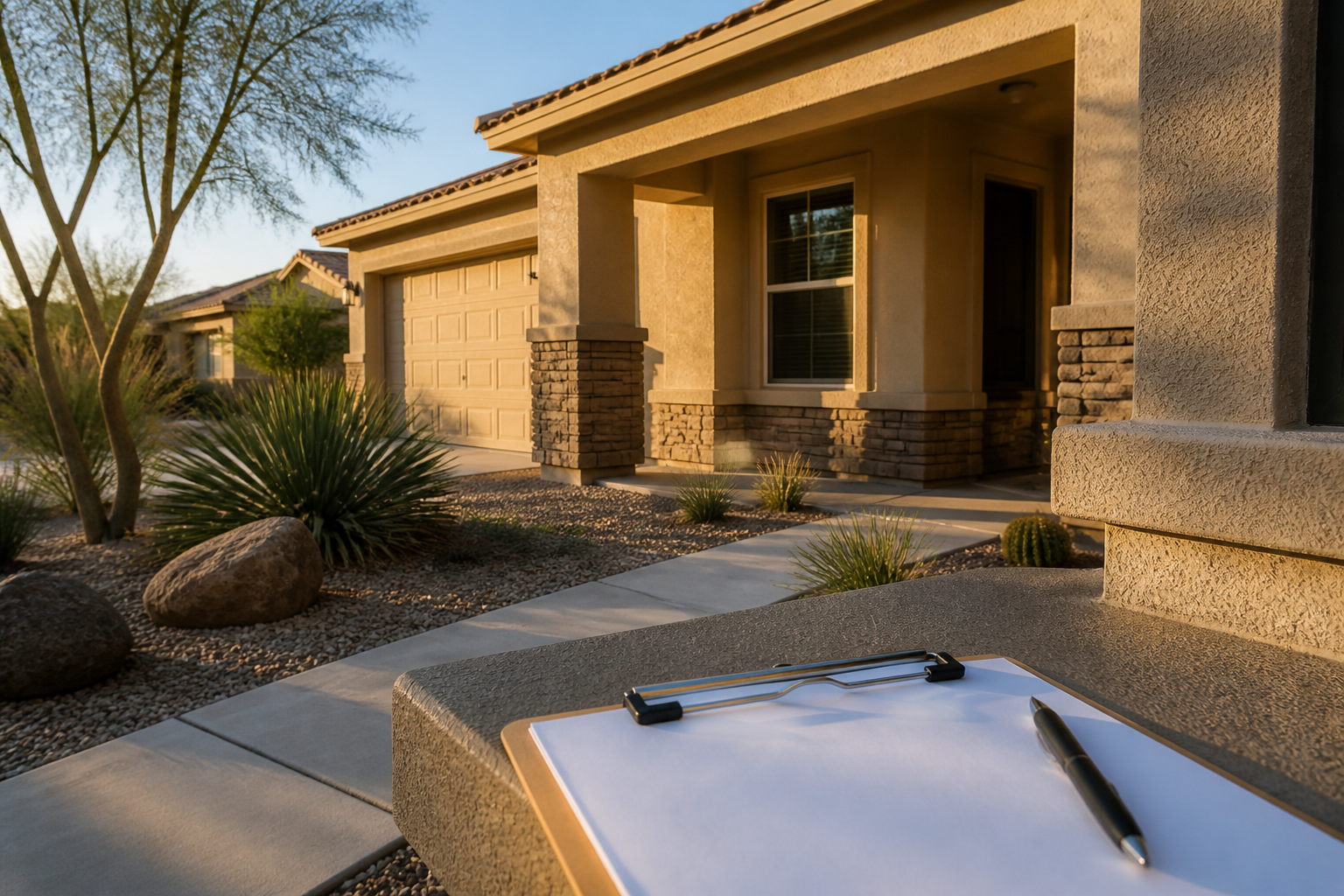
A plumbing inspection Phoenix AZ buyers prioritize during due diligence can reveal problems that a quick walkthrough misses. Leaks under sinks, aging water heaters, and pressure issues may not show until you run water, check the meter, or read a general home inspection report closely. Phoenix homes face hard water, intense summer heat, and monsoon-season drainage loads that can stress pipes, fixtures, and water heaters differently than homes in milder climates.
This guide explains what to look for before you close, how a general inspection relates to a focused plumbing review, and when to follow up with licensed professionals. For ongoing care after purchase, see Plumbing Inspections and related services from Rapid Fire Plumbing.
Key Takeaways
- Run water at every fixture during showings and inspections; slow drains and low pressure can signal hidden issues.
- Check the water heater age, condition, venting, and relief valve discharge before assuming it has years of life left.
- Excessive water pressure above recommended limits can stress fixtures; the International Plumbing Code addresses pressure-reducing valve requirements in Section 604.8 when supply pressure exceeds 80 psi.
- Polybutylene, galvanized, and older sewer materials may appear in Phoenix-area homes and warrant specialist evaluation.
- A licensed Arizona plumbing contractor registered with the Arizona Registrar of Contractors (ROC) can perform targeted inspections beyond a general home report.
Start With the General Home Inspection Report
Most purchase contracts allow a general home inspection. That inspection covers plumbing among other systems, but depth varies by inspector and access. Read the plumbing section carefully for mentions of active leaks, corrosion, improper drain slope, missing trap primers, or water heater concerns.
Use the report as a map, not a final word. Inspectors often note conditions visible on the day of the visit. They may recommend further evaluation by a licensed plumber when pipes are concealed, when multiple fixtures show problems, or when a water heater is near end of typical service life. Those recommendations are the right moment to schedule a plumbing inspection Phoenix AZ specialists can perform with focused tools and time.
Water Heater: Age, Condition, and Installation
The water heater is one of the highest-cost plumbing components in a home. In Phoenix, many units sit in garages where summer heat adds ambient stress. Know the manufacture date on the label, look for rust or moisture on the tank and connections, and confirm the temperature and pressure relief valve discharges to a safe location.
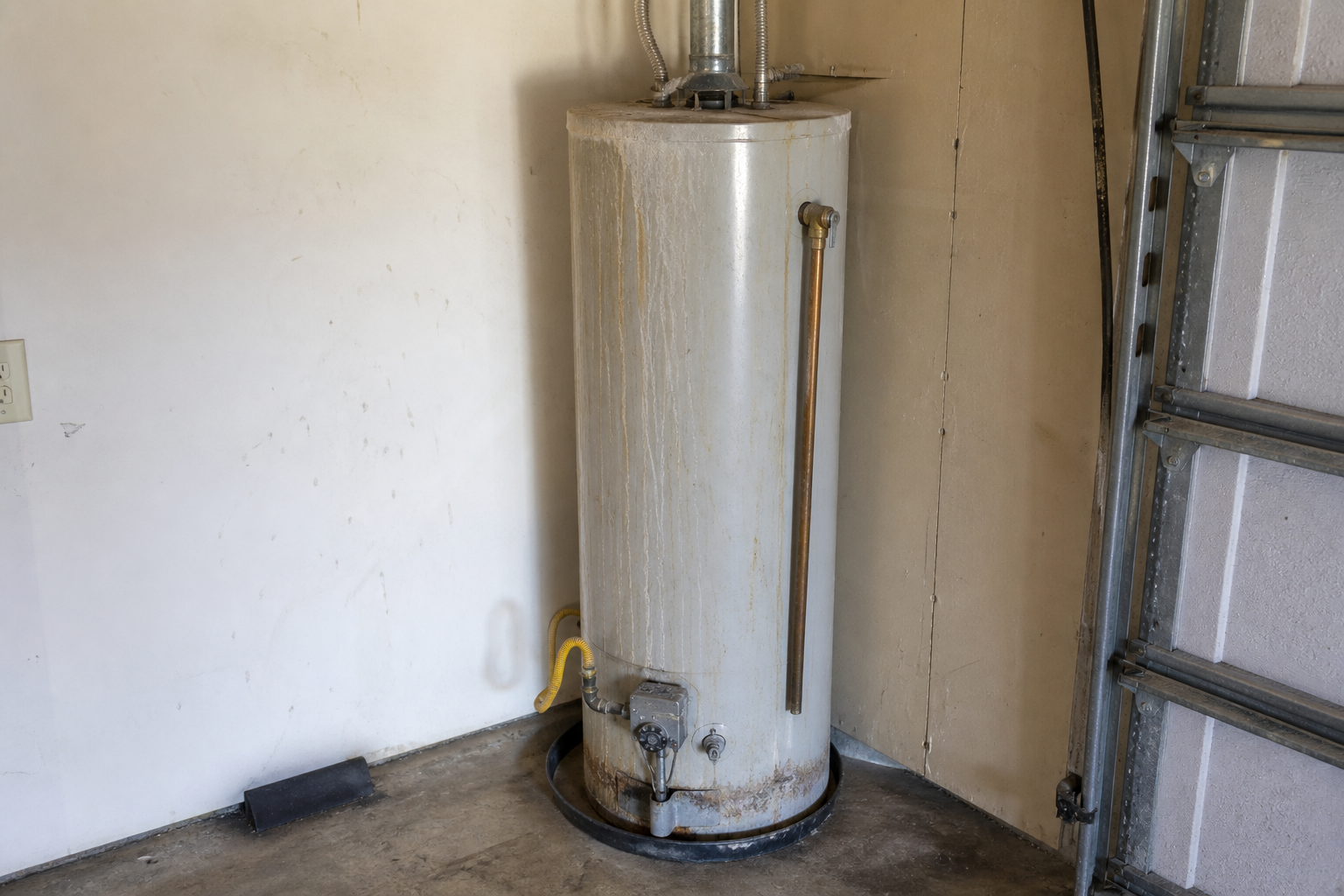
Ask whether the unit is tank or tankless and whether it matches the household size. Gas units need proper venting and combustion air. If the inspection notes an expired or missing expansion tank on a closed system, flag it for a plumber. Rapid Fire Plumbing provides water heater repair, installation, replacement, and maintenance for both tank and tankless models.
Fixtures, Supply Lines, and Under-Sink Plumbing
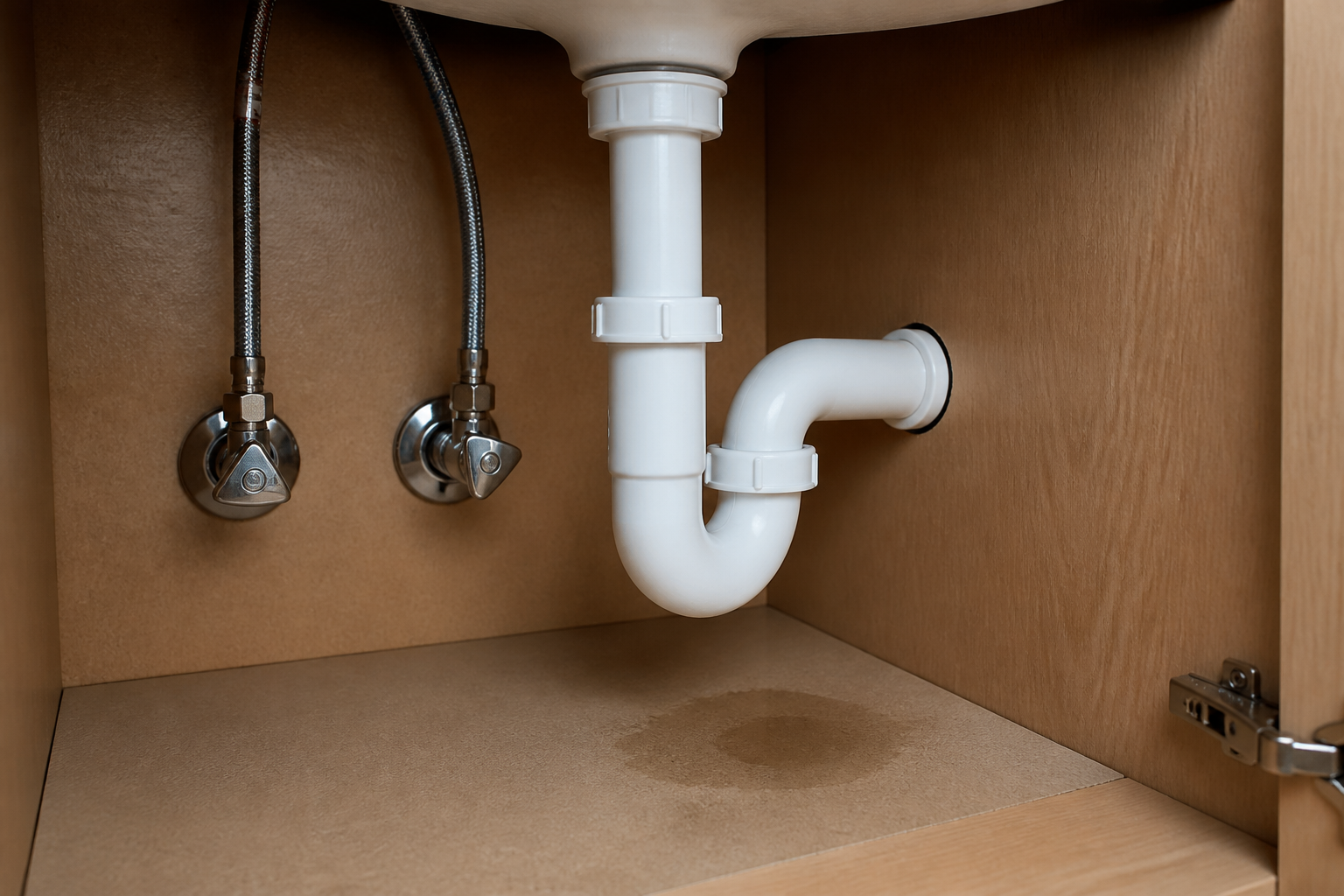
Open cabinets under kitchen and bathroom sinks during your visit. Look for water stains, mold odor, corroded shutoff valves, and flexible supply lines that are kinked or cracked. Run hot and cold at each faucet and watch for steady pressure and complete shutoff when handles close.
Toilets should flush completely without running continuously. Rocking toilets may indicate a broken flange or leak at the wax seal. Shower pans and tub surrounds with soft spots or stains on adjacent ceilings below may indicate past or active moisture intrusion. Document photos and share them with your inspector or plumber.
Drains, Sewer Lines, and Cleanouts
Flush toilets while running sink water and listen for gurgling in other fixtures. Gurgling can suggest venting problems or partial blockages in the drain system. Locate the main cleanout if one is present; a missing or buried cleanout makes future service harder.
Older Phoenix neighborhoods may have cast-iron or clay sewer lines that can crack or settle with soil movement. Large trees near the sewer path can send roots into joints. A general inspector may not scope the sewer line; when the home is older or trees are close, ask a plumber about camera inspection before you waive contingencies.
Water Pressure and the Main Supply
High supply pressure can damage fixtures and appliances over time. The International Plumbing Code (ICC IPC Section 604.8) requires a pressure-reducing valve when static pressure exceeds 80 psi, with provisions for thermal expansion control on closed systems. You do not need a precision gauge to notice symptoms: banging pipes, dripping relief valves, and short-lived fixture cartridges can accompany high pressure.
Rapid Fire Plumbing publishes guidance on how to test home water pressure in Phoenix and on troubleshooting low water pressure. Low pressure may trace to municipal supply, a partially closed main valve, corroded galvanized piping, or problems at the water main connection. Either extreme is worth professional measurement before you buy.
Pipe Materials and Regional Considerations
Phoenix homes built across different decades may contain copper, PEX, CPVC, galvanized steel, or older polybutylene supply piping. Galvanized pipes corrode from the inside and can restrict flow. Polybutylene, where present, has a history of failure at fittings in some installations. A plumber can identify visible materials and advise on remaining life and repipe scenarios.
Hard water in the Phoenix area can scale fixtures and water heaters. That does not automatically disqualify a purchase, but it affects maintenance planning. Water softening and regular heater flushing may become part of your ownership costs.
What to Ask the Seller or Listing Agent
Disclosure forms vary, but useful plumbing questions before you buy include:
- When was the water heater last replaced or serviced?
- Has the sewer line been scoped or repaired?
- Are there known slow drains, past backups, or slab leak repairs?
- Has the home had a water softener or filtration system, and who maintains it?
- Were any plumbing permits pulled for additions, repipes, or water heater changes?
Answers do not replace inspection, but they help you focus the plumber’s time on areas with known history. If the seller reports a prior emergency repair, ask whether work was performed by a licensed contractor registered with the ROC.
Outdoor, Irrigation, and Monsoon-Related Drainage
Walk the exterior for hose bib leaks, irrigation valve boxes with standing water, and patio or pool area drains that appear clogged. Monsoon rains test roof drainage and yard grading. Downspouts that discharge against the foundation can contribute to slab moisture and, in some cases, stress on drain systems. Note any history of garage or laundry room floor drain backup during storms mentioned in disclosures or inspection comments.
When to Schedule a Dedicated Plumbing Inspection
Consider a licensed plumber when:
- The general report recommends plumbing evaluation.
- Multiple fixtures show slow drainage or low pressure.
- The water heater is older or shows rust and leaks.
- Visible pipe materials include galvanized or polybutylene.
- You plan major remodeling that will open walls.
- Sewer scope or water pressure testing was not included in the general inspection.
Annual Plumbing Inspections after purchase help catch changes that develop over time. Rapid Fire Plumbing serves residential and commercial customers in Phoenix and offers a full range of plumbing services.
Frequently Asked Questions
Is a plumbing inspection required to buy a home in Phoenix?
Arizona purchase contracts do not universally require a plumbing-only inspection, but most buyers use a general home inspection period. A dedicated plumbing visit is optional and often driven by findings in that report or the age of the home.
What is the difference between a home inspection and a plumbing inspection?
A home inspector evaluates multiple systems in a single visit. A licensed plumber can spend more time on water heaters, pressure testing, drain performance, and material identification, and may offer camera inspection or pressure measurement.
Should I test water pressure before buying?
Yes, when possible. High or low pressure affects fixture life and daily comfort. Testing with a gauge or reviewing a plumber’s measurement is more reliable than guesswork from a single faucet.
Are sewer scopes necessary in Phoenix?
They are not mandatory for every transaction, but they are commonly recommended for older homes, large trees near the line, or when drains have shown recurring problems. The scope shows conditions inside the pipe that a surface walk cannot.
Can inspection findings be used to negotiate repairs?
Buyers often request credits or repairs based on inspection findings according to their purchase agreement. Document issues with photos and professional opinions. Licensed contractors registered with the ROC can provide repair estimates.
Conclusion
Spotting plumbing problems before buying a home in Phoenix means reading the inspection report, running water at every fixture, checking the water heater and under-sink connections, and following up on pressure and sewer concerns when they appear. Hard water, heat, and seasonal rain make those checks especially worthwhile in this market. For a plumbing inspection Phoenix AZ buyers can use after closing as well, contact Rapid Fire Plumbing at (623) 810-6166 or visit the contact page to schedule service.
References
- Arizona Registrar of Contractors (ROC) — licensing for plumbing contractors in Arizona.
- International Plumbing Code (IPC), Section 604.8 — pressure-reducing valves when supply pressure exceeds 80 psi.
- City of Phoenix Planning and Development Department — local building and development resources for property owners.
