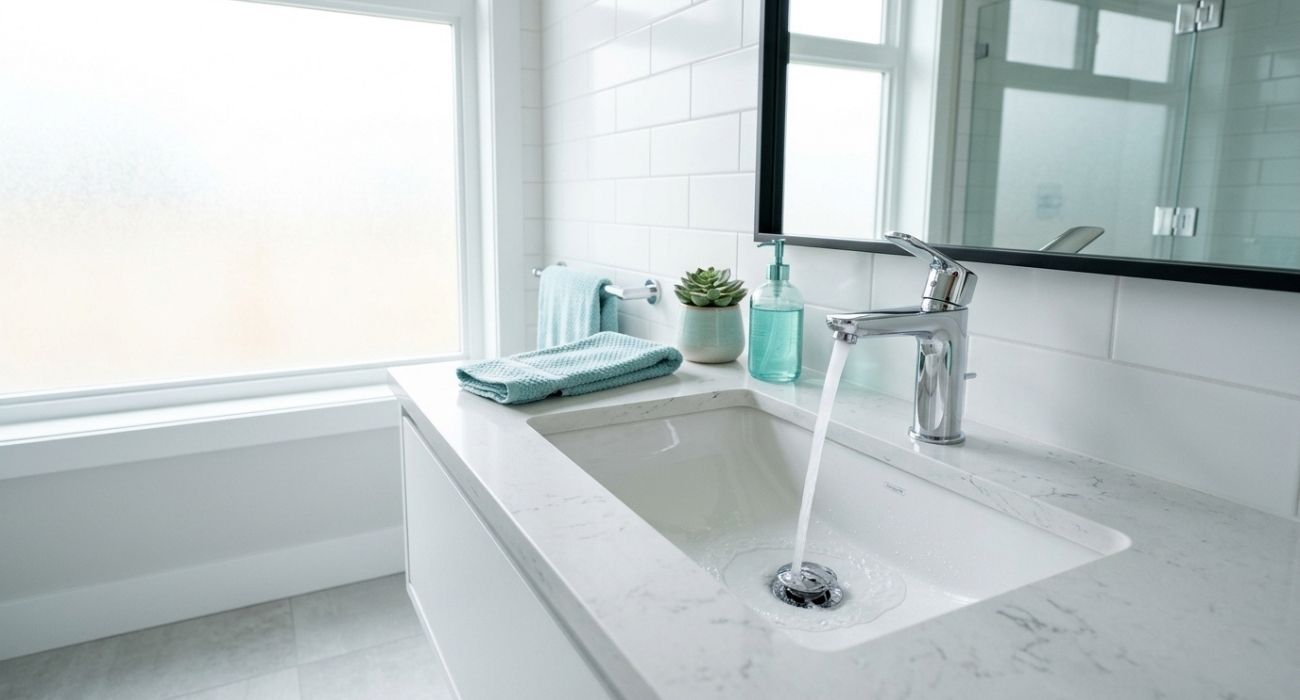
Keeping bathroom drains flowing smoothly requires consistent preventive maintenance, mechanical clearing techniques, and an understanding of your local water chemistry. By actively managing hair buildup, neutralizing soap scum, and avoiding harsh chemical cleaners, homeowners can prevent severe blockages, avoid costly plumbing emergencies, and maintain a hygienic, odor-free bathroom environment.
Key Takeaways
- Local water hardness significantly accelerates pipe scaling, acting as a binder for hair and soap scum.
- Chemical drain cleaners can cause exothermic reactions that warp PVC pipes and corrode older metal fixtures.
- Regular flushing with boiling water and enzymatic treatments prevents organic material from solidifying inside the P-trap.
- Catching debris before it enters the plumbing system using mesh strainers is the most effective preventative measure.
- DIY methods are effective for superficial blockages, but deep mainline clogs require professional auger equipment.
The Impact of Desert Hard Water on Plumbing Systems
For residents managing household maintenance in desert climates, local water chemistry plays a massive role in plumbing health. As the City of Phoenix Water Services Department documents, the region’s water supply has a hardness level ranging from 12 to 16 grains per gallon (gpg), classifying it as “very hard.” This high concentration of dissolved calcium and magnesium creates compounding issues for bathroom drains.
When hard water interacts with traditional bar soaps, it creates an insoluble substance known as soap scum. Instead of washing cleanly away, this sticky calcium-soap compound clings to the interior walls of your pipes. Over time, this creates a textured surface that easily catches human hair, shedding skin cells, and other organic debris. As of 2026, plumbing experts note that addressing this mineral buildup is the cornerstone of effective bathroom drain cleaning in Phoenix and similar arid environments.
To combat this, many households utilize water softeners or scale inhibitors. A water softener removes the calcium and magnesium ions through an ion-exchange process, significantly reducing the formation of soap scum and extending the lifespan of bathroom fixtures.
Common Culprits Behind Bathroom Drain Clogs
Understanding what causes a blockage is the first step in keeping your plumbing flowing smoothly. Bathroom sinks, showers, and bathtubs face different types of debris compared to kitchen sinks. The most frequent offenders include:
- Human and Pet Hair: Hair does not dissolve in water. In fact, human hair can absorb water and increase its weight by up to 18%, becoming a heavy, tangled net inside the P-trap.
- Soap Scum: As mentioned, the reaction between fatty acids in soap and hard water minerals forms a thick, waxy residue.
- Bath Salts and Scrubs: Undissolved exfoliants, such as coffee grounds, heavy sea salts, and pumice, can settle at the bottom of the curved pipes.
- Dental Floss: Floss is generally made of Teflon or nylon, both of which are non-biodegradable and prone to catching on minor pipe imperfections.
Why You Should Avoid Chemical Drain Cleaners
When faced with a slow-moving shower drain, many homeowners reach for commercial liquid drain cleaners. However, these products rely on highly corrosive chemicals like sodium hydroxide (lye) or sulfuric acid. While they can dissolve organic matter, they introduce significant risks to both your plumbing infrastructure and the environment.
According to the International Association of Plumbing and Mechanical Officials (IAPMO), the primary goal of the Uniform Plumbing Code is to “protect the public’s health and safety.” Pouring toxic chemicals down the drain contradicts this principle. Chemical cleaners clear blockages through an exothermic reaction—meaning they generate intense heat. This sudden spike in temperature can easily exceed 140°F (60°C), which is the maximum safe operating temperature for standard PVC (polyvinyl chloride) piping. The heat can warp plastic pipes, melt the adhesive at the joints, and severely corrode older cast iron or copper plumbing.
Furthermore, if the chemical fails to clear the clog, you are left with a sink full of highly toxic, caustic water that poses a severe burn hazard to anyone attempting to fix the issue manually.
Step-by-Step Guide: How to Safely Clear a Bathroom Drain
If you are dealing with a slow or stopped drain, mechanical and natural enzymatic methods should always be your first line of defense. Follow these steps to restore flow safely:
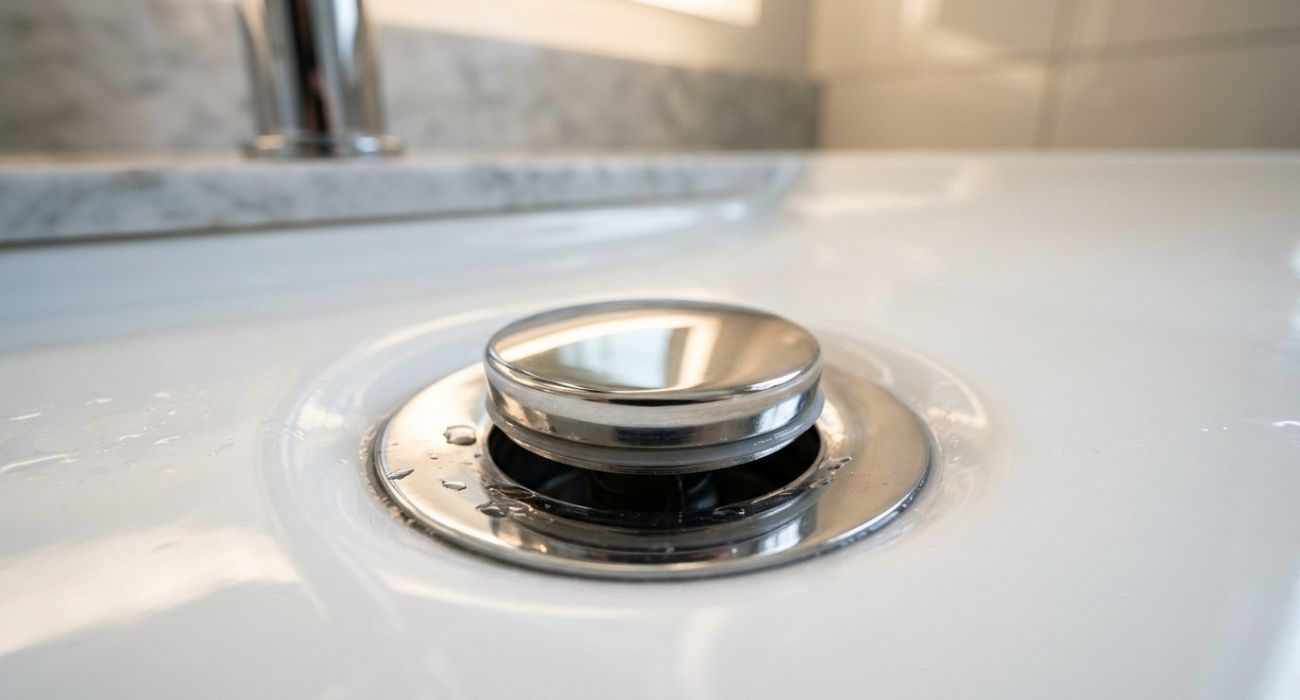
- Remove the Stopper: Many bathroom sinks have a pop-up stopper. Unscrew the pivot nut located under the sink behind the tailpiece, pull out the rod, and remove the stopper. Clean it thoroughly, as hair often wraps directly around this mechanism.
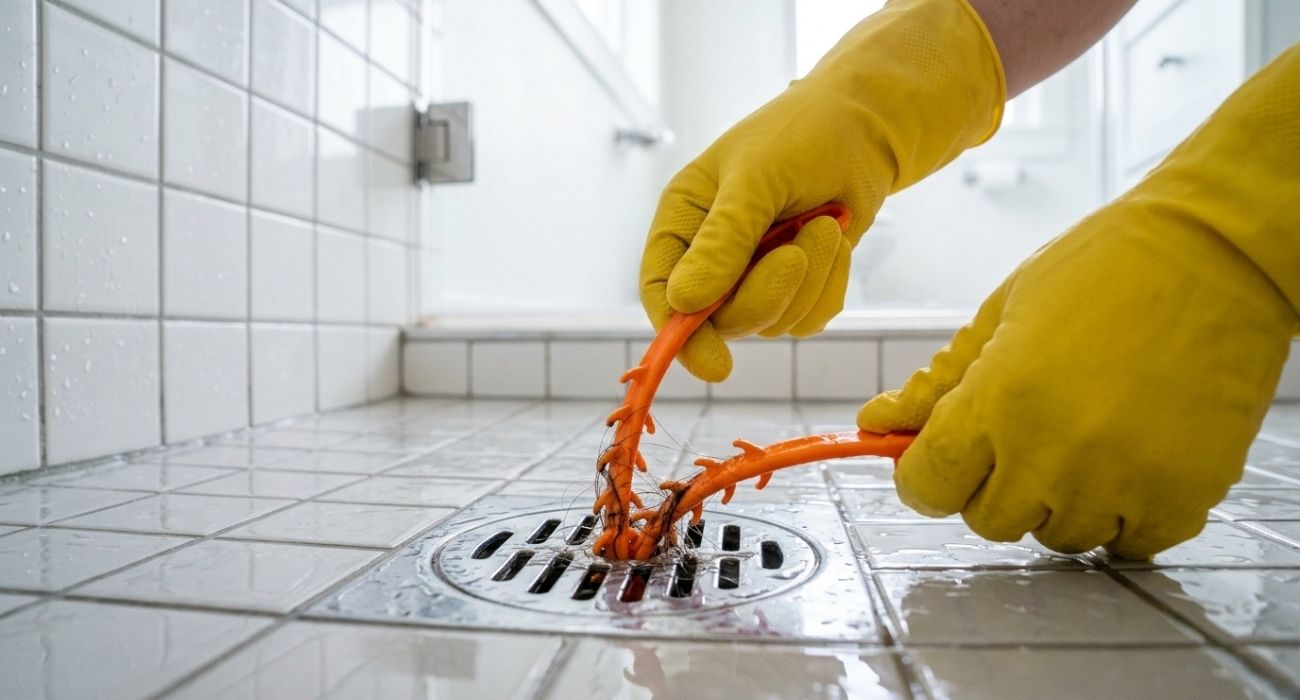
- Use a Zip Tool: Insert a flexible, barbed plastic drain cleaning tool (often called a zip tool or hair snake) into the drain. Twist it slightly and pull it out to extract the localized hair and debris near the top of the drain.
- Apply Boiling Water: Boil a kettle of water. Carefully pour it directly down the drain in two or three stages, allowing the hot water to melt accumulated soap scum and loosen grease.
- The Baking Soda and Vinegar Flush: Pour 1/2 cup of baking soda (pH of 8.3) down the drain, followed immediately by 1/2 cup of white vinegar (pH of 2.5). Cover the drain with a rag to force the expanding carbon dioxide gas downward. Wait 15 minutes, then flush with more boiling water.
- Plunge the Drain: If the blockage persists, use a small cup plunger. Ensure there is enough standing water to cover the lip of the plunger to create a vacuum seal. Plunge vigorously for 20 seconds.
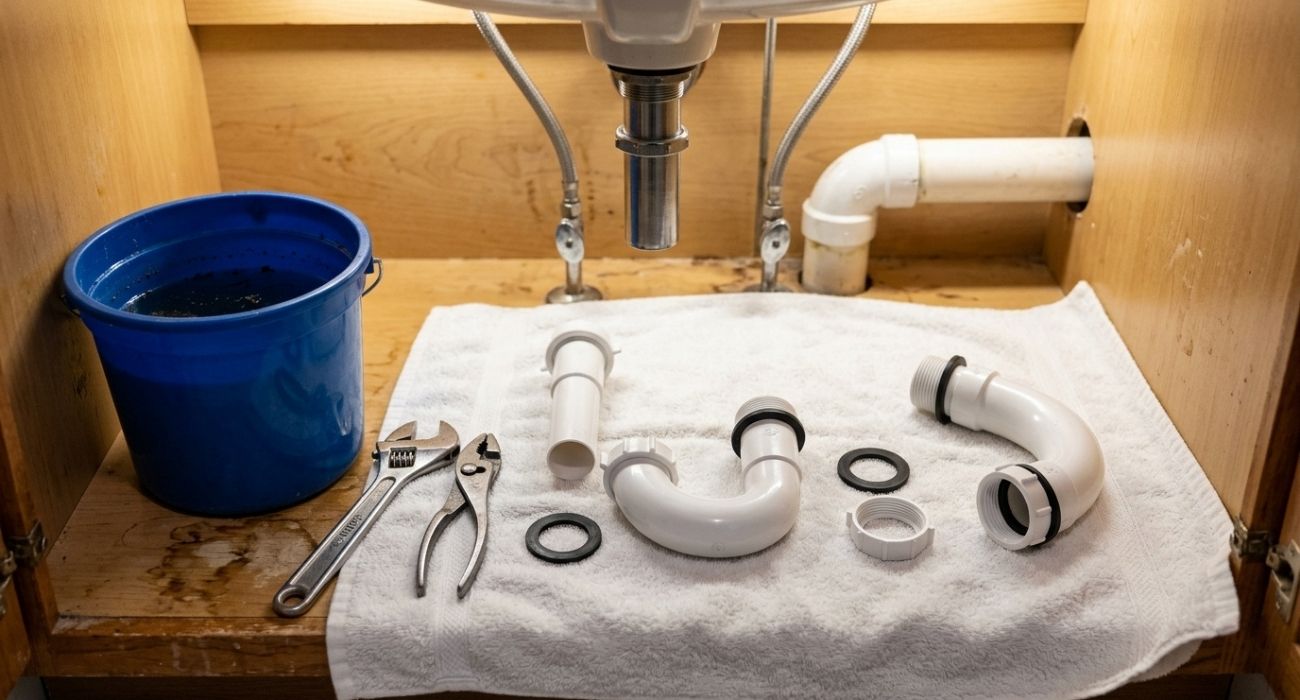
- Clean the P-Trap: Place a bucket under the U-shaped pipe beneath your sink. Unscrew the slip nuts by hand or with a wrench, remove the trap, and dump the contents into the bucket. Clean the trap with a bottle brush before reassembling.
Professional Drain Maintenance vs. DIY Methods
While the techniques outlined above can handle 80% of superficial blockages, deeper mainline issues require professional intervention. Recognizing when to transition from a DIY approach to calling a licensed professional is crucial for maintaining your home’s integrity.
| Method | Best Used For | Effectiveness | Safety Risk |
|---|---|---|---|
| DIY Zip Tool | Hair clogs in the top 18 inches of the pipe. | High (for localized clogs) | Very Low |
| Baking Soda & Vinegar | Minor soap scum and organic buildup. | Moderate | Low (Non-toxic) |
| Chemical Cleaners | Not recommended. | Variable | Extremely High |
| Professional Motorized Auger | Deep clogs, tree roots, compacted mineral scale. | Extremely High | Low (when operated by a pro) |
| Hydro-Jetting | Complete pipe restoration and heavy scale removal. | Maximum | Low (requires professional inspection first) |
Preventive Strategies for Desert Climates
An ounce of prevention is worth a pound of cure, particularly regarding indoor plumbing. Adopting daily and monthly habits can keep your drains functioning perfectly year-round.
First, invest in high-quality mesh drain catchers for every tub and shower. These inexpensive devices sit over the drain opening and physically block hair and large soap particles from entering the plumbing system. Simply wipe them clean after every shower.
Second, consider incorporating a biological enzyme cleaner into your monthly maintenance routine. Unlike corrosive chemicals, biosurfactants and enzyme cleaners introduce natural bacteria into your pipes. These bacteria safely consume organic waste—such as hair, grease, and soap scum—without damaging the structural integrity of your plumbing.
Finally, address the hard water at its source. By installing a whole-home water softening system, you reduce the 12 to 16 gpg mineral content that plagues desert cities. Softer water means less scale buildup, less soap scum, and a significantly reduced likelihood of slow-draining sinks.
Environmental and Economic Benefits of Maintained Plumbing
Neglected drains do more than just cause a slow-draining sink; they often lead to pressure imbalances and minor leaks beneath the basin. The environmental and economic impacts of these plumbing failures are substantial.
As the Environmental Protection Agency’s WaterSense program explains: “Minor water leaks account for more than 1 trillion gallons of water wasted each year in U.S. homes.” Furthermore, the EPA notes that an average household’s leaks can account for nearly 10,000 gallons of water wasted every year. Fixing easily corrected household water leaks, often caused by the pressure and degradation of backed-up plumbing, can save homeowners about 10 percent on their monthly water bills.
Proper maintenance extends the lifespan of your plumbing fixtures. While standard PVC pipes are rated to last decades, chronic exposure to corrosive chemical cleaners and heavy mineral scaling can reduce their functional lifespan drastically. By treating your plumbing system with care, maintaining steady water pressure, and scheduling annual inspections, your fixtures can easily exceed their 15 to 20-year expected operational timeline.
Conclusion
Maintaining clear and functional bathroom plumbing requires a proactive approach, an understanding of how hard water affects your pipes, and a commitment to safe, mechanical clearing methods over toxic chemicals. By implementing routine cleanings with zip tools, utilizing enzymatic drain treatments, and trapping debris before it enters the pipes, you can ensure a reliable plumbing system throughout 2026 and beyond. If you are dealing with stubborn blockages, deep-seated mineral scaling, or recurring slow drains that DIY methods cannot resolve, professional assistance is the safest and most effective route. Contact our team today to schedule a comprehensive plumbing inspection and keep your home flowing smoothly.
Frequently Asked Questions (FAQ)
How often should I clean my bathroom drains?
You should clear visible hair from the drain catcher daily and perform a flush with boiling water and baking soda once a month. This monthly routine prevents soap scum and organic material from solidifying in the P-trap.
Why does my bathroom sink smell like rotten eggs?
A sulfur or rotten egg smell is typically caused by a dry P-trap allowing sewer gases to rise, or a buildup of bacteria feeding on organic matter like hair and toothpaste in the drain. Running water to refill the trap and flushing it with enzymatic cleaner will usually eliminate the odor.
Is boiling water safe for all pipes?
Boiling water is generally safe for metal pipes, but it should be used cautiously with PVC piping. Because PVC has a maximum operating temperature of 140°F, continuous exposure to fully boiling water (212°F) can soften joints. Hot, but not roaring boiling, water is safer for plastic plumbing.
Can hard water permanently damage my bathroom plumbing?
Yes, over time, the high levels of calcium and magnesium in hard water create rigid mineral scaling inside the pipes. This scale reduces the pipe’s interior diameter, decreases water pressure, and can eventually lead to pipe corrosion or bursting if left untreated.
Are enzymatic drain cleaners better than chemical ones?
Absolutely. Enzymatic cleaners use natural bacteria to consume organic blockages without generating heat. This makes them 100% safe for all types of plumbing pipes, environmentally friendly, and non-toxic for your household.
References
- Environmental Protection Agency (EPA) – WaterSense Statistics and Leak Impact
- City of Phoenix Water Services Department – Annual Water Quality and Hardness Reports
- International Association of Plumbing and Mechanical Officials (IAPMO) – Uniform Plumbing Code Guidelines
- American Society of Home Inspectors (ASHI) – Plumbing Maintenance Lifespans
