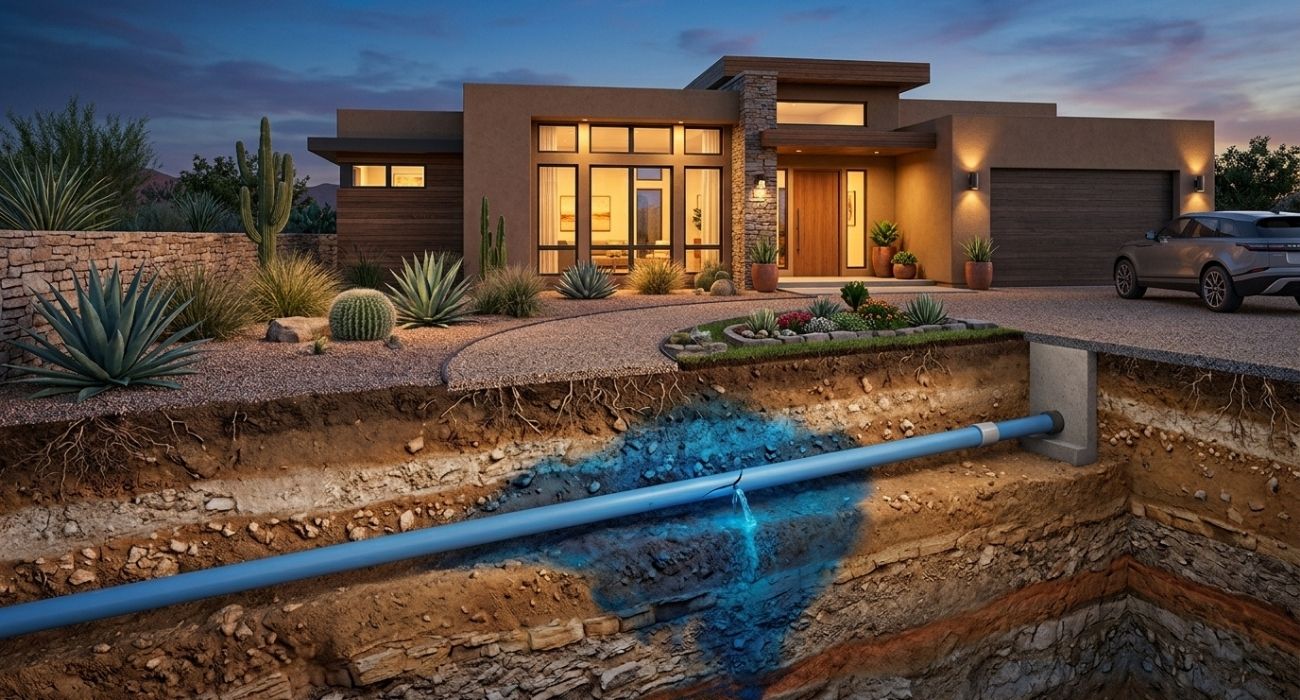
A hidden water line problem typically manifests through unexplainable surges in monthly utility bills, sudden decreases in household water pressure, or localized pooling of water in dry landscaping. Recognizing these early warning signs allows property owners to address subterranean plumbing failures promptly, mitigating the risk of severe foundation damage, landscape erosion, and hazardous mold growth before catastrophic failure occurs.
Key Takeaways
- Financial Spikes: Sudden, unexplained increases in your water bill are often the first indicator of a continuous subterranean leak.
- Pressure Loss: A noticeable drop in water pressure across multiple fixtures signals a potential breach in your primary supply line.
- Landscape Changes: Uncharacteristic lush patches, puddles, or sinkholes in arid environments strongly point to underground water pooling.
- Water Quality Degradation: Rust-colored, foul-smelling, or sediment-heavy water indicates internal pipe corrosion or soil infiltration.
- Structural Risks: Undetected leaks can undermine soil stability, leading to foundation cracks and hazardous structural shifting.
- Proactive Testing: Utilizing your property’s water meter is the most reliable DIY method for confirming a hidden leak before excavation.
The Unique Climate Challenges for Underground Infrastructure
Maintaining underground utilities requires a thorough understanding of local environmental factors. In regions with arid climates and hard soil compositions, subterranean infrastructure faces unique environmental stressors. As of 2026, the aging underground infrastructure across the American Southwest requires increased vigilance from property owners to prevent systemic failures.
Thermal expansion and contraction, driven by extreme temperature fluctuations, place immense physical stress on aging pipes. Additionally, soil compositions rich in calcium carbonate, often referred to as caliche, create an unforgiving environment for plumbing materials. When the ground shifts or settles, the rigidity of these soils offers no flexibility, often resulting in sheer breaks or micro-fractures in the primary supply lines.
According to the American Society of Civil Engineers (ASCE), “Drinking water infrastructure systems consist of 2.2 million miles of underground pipes that deliver safe, reliable water to millions of people.” When evaluating the need for a water line repair in Phoenix, understanding these local geological and climatic pressures is crucial for selecting the appropriate replacement materials and repair methodologies.
Sign 1: Unexplained Spikes in Your Water Bill
The most immediate and quantifiable indicator of a hidden plumbing breach is an unwarranted surge in monthly utility costs. Because the primary supply pipe runs underground from the municipal meter to the property, a rupture can release hundreds of gallons of water directly into the soil without ever leaving a visible trace inside the home.
The Environmental Protection Agency (EPA) officially states, “Fixing easily corrected household water leaks can save homeowners about 10 percent on their water bills.” However, a compromised primary supply line is far more severe than a dripping faucet. If your household water consumption habits have not changed, but your billing volume has doubled or tripled, a subterranean breach is highly probable.
Statistically, the EPA reports that minor water leaks account for more than 1 trillion gallons of wasted water each year nationwide, equal to the annual household water use of 11 million homes. Ten percent of homes have leaks that waste 90 gallons or more per day. Monitoring your municipal billing statements consistently remains the first line of defense against catastrophic water loss.
Sign 2: Sudden Drops in Water Pressure
Standard residential water pressure typically ranges between 40 and 80 pounds per square inch (PSI). When the main supply line suffers a significant fracture or root intrusion, water is diverted into the surrounding soil rather than flowing into the property’s plumbing network. This diversion results in a noticeable drop in hydrostatic pressure at the fixtures.
If you experience low pressure at a single faucet, the issue is likely localized, such as a clogged aerator or a faulty valve. However, if the pressure drop is systemic—affecting the shower, washing machine, and kitchen sink simultaneously—the primary delivery system is compromised. This drop may be continuous, or it may fluctuate based on municipal supply variables.
Mineral buildup and scaling inside galvanized steel or older copper pipes can also restrict flow rate, simulating a pressure drop. However, a sudden, acute loss of pressure almost always dictates the need for immediate diagnostic testing to isolate a structural breach.
Sign 3: Uncharacteristic Puddles and Lush Patches in the Yard
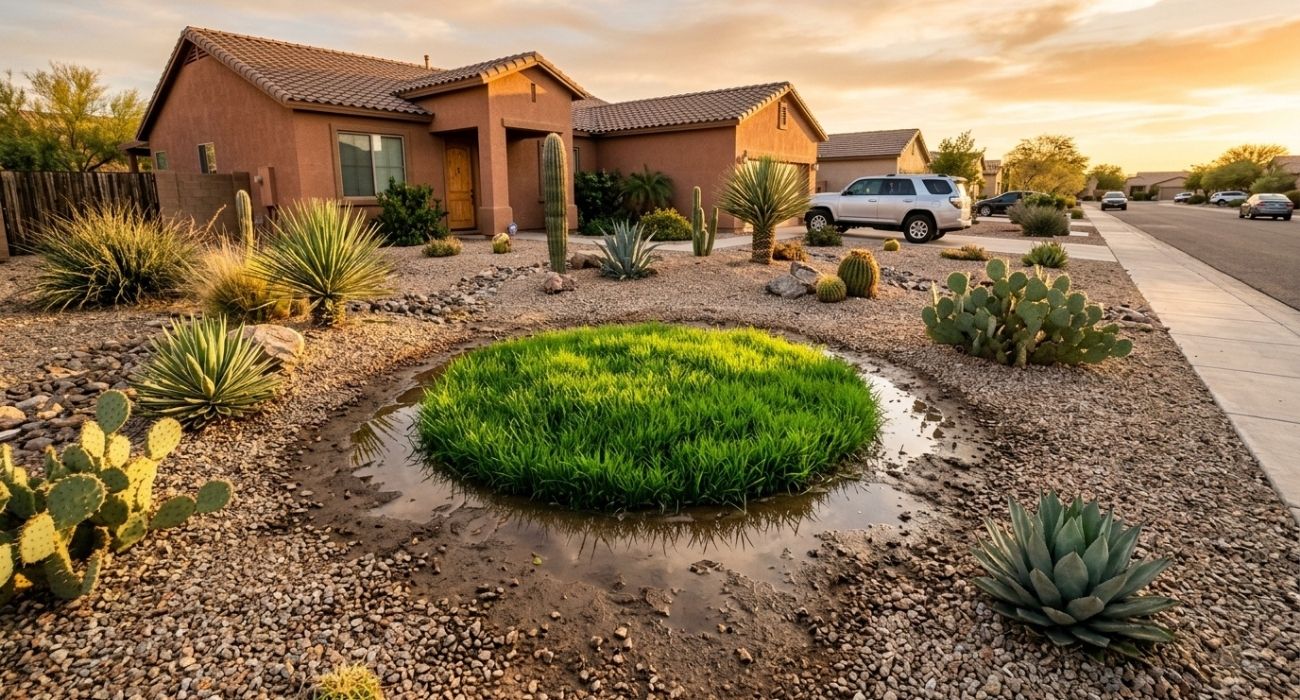
In arid climates where average annual rainfall is exceedingly low, anomalous moisture in the landscaping is a glaring red flag. An underground leak will eventually saturate the surrounding soil, forcing water upward through the path of least resistance. This upward capillary action results in localized pooling, mud, or unexplainable damp depressions in the yard.
Furthermore, this continuous subterranean irrigation creates micro-environments that stimulate rapid, localized plant growth. If one patch of grass is significantly greener, taller, or growing faster than the rest of the lawn, it is likely feeding off a compromised utility line. In desert landscaping setups featuring gravel or artificial turf, you may notice persistent damp odors or unnatural settling of the ground materials.
Ignoring these topographical changes can lead to severe landscape erosion. As water continues to wash away the subterranean topsoil, it creates voids that eventually collapse, leading to dangerous sinkholes directly above the pipe’s trajectory.
Sign 4: Discolored, Rusty, or Foul-Smelling Water
Potable water delivered to residential properties should be clear, odorless, and free of visible particulates. When a primary line is breached, the negative pressure created within the pipe can draw surrounding soil, sediment, and organic material into the clean water supply. This phenomenon, known as back-siphonage or infiltration, severely degrades household water quality.
According to the American Water Works Association (AWWA), “Safe water is essential to public health, fire protection, economic vitality, and the overall quality of life.” The presence of brown, yellow, or rust-tinted water indicates advanced oxidation and corrosion within metallic pipes, or direct soil contamination through a crack.
A persistent metallic taste or an odor resembling sulfur or sewage when you turn on the tap requires immediate professional intervention. Consuming or bathing in contaminated water poses significant health and safety hazards. Flushing the system may temporarily clear the discoloration, but if the tint returns, the structural integrity of the line is compromised.
Sign 5: Foundation Cracks and Sinkholes
The most catastrophic consequence of an unaddressed subterranean leak is structural foundation damage. When water continuously pools beneath a concrete slab or structural footing, it alters the hydrostatic pressure and load-bearing capacity of the soil. Expansive soils will swell, pushing upward against the concrete, while washed-out soils create dangerous voids.
Over time, this shifting causes the foundation to crack, settle, or heave. You may notice secondary symptoms inside the home, such as drywall cracks around doorframes, windows that suddenly stick, or sloping floors. By the time structural symptoms manifest, the plumbing failure has already transitioned into a severe architectural emergency.
Addressing these issues requires a multi-disciplinary approach, often necessitating both a plumbing overhaul and extensive concrete or structural remediation. Early detection is the only reliable method for preventing these highly expensive structural repairs.
Material Comparison: Assessing Supply Line Longevity
Understanding the materials used in your property’s infrastructure can help predict when failures might occur. Different piping materials react uniquely to soil chemistry, thermal stress, and water pressure over time. Below is a comparison of standard plumbing materials.
| Material Type | Average Lifespan | Corrosion Resistance | Vulnerability to Soil Stress |
|---|---|---|---|
| Copper | 50+ Years | High (Internal), Moderate (External) | Susceptible to pitting in highly acidic or alkaline soils. |
| PEX (Cross-linked Polyethylene) | 40 – 50 Years | Excellent | Highly flexible; excellent resistance to shifting ground. |
| PVC / CPVC | 50 – 70 Years | Excellent | Rigid; can become brittle and shatter under heavy ground weight. |
| Galvanized Steel (Older Homes) | 20 – 40 Years | Poor (Prone to internal scaling) | Highly rigid, but degrades rapidly due to rust and oxidation. |
How to Test for a Hidden Water Leak
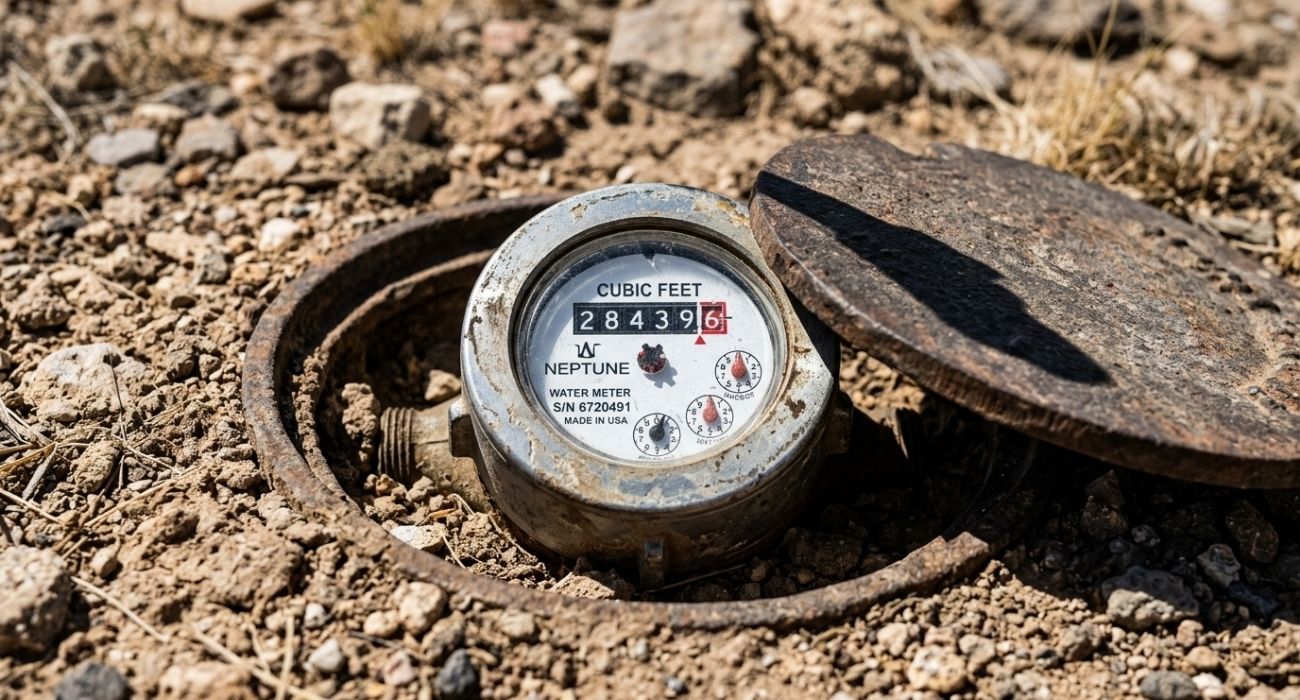
If you suspect a breach but lack visible evidence, the most reliable diagnostic tool is your municipal meter. Conducting a standardized hydrostatic isolation test takes approximately two hours and requires no specialized tools.
- Locate the Utility Meter: Find the municipal meter box, typically located near the curb or property line. Remove the lid carefully.
- Shut Off Main Valves: Ensure no water is being used inside or outside the property. Turn off all faucets, washing machines, ice makers, and automated irrigation systems.
- Record the Baseline: Look at the meter dial. Note the exact numerical reading, or take a clear photograph with your smartphone. Observe the low-flow indicator (often a small red triangle or a digital flow icon). If it is spinning while all water is off, a leak is actively occurring.
- Wait Two Hours: Leave the property’s water supply entirely untouched for a minimum of 120 minutes.
- Recheck the Reading: Return to the meter and check the reading again. If the numbers have increased, you have confirmed an active, hidden loss of volume on the property.
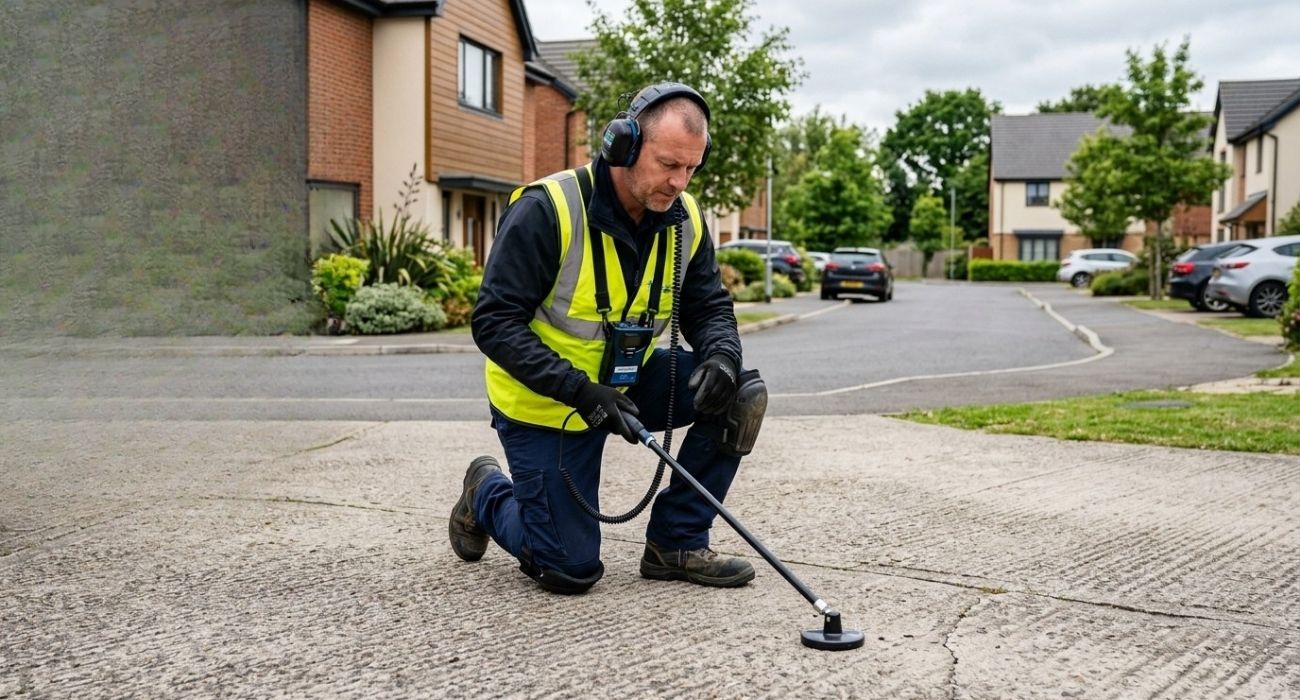
Navigating Infrastructure Repairs Safely
Once a breach is confirmed, property owners must navigate the repair process systematically. Modern plumbing advancements offer several methodologies to restore service with minimal disruption. Traditional open-trench excavation involves digging a channel from the meter to the foundation, which can destroy driveways and mature landscaping.
Alternatively, trenchless technologies, such as pipe bursting or epoxy relining, allow specialists to replace or seal the subterranean line through small access points. These methods significantly reduce the collateral damage to the surrounding environment and expedite the restoration of essential services.
Municipal codes strictly regulate subterranean utility work. Adhering to local building codes, obtaining necessary excavation permits, and coordinating with utility marking services (like 811) are mandatory steps. According to official municipal guidelines in major urban centers, the property owner is generally responsible for all infrastructure maintenance from the meter box to the building’s interior.
Frequently Asked Questions
How much water can a small underground leak waste?
A continuous leak from a hole as small as 1/8 inch at 60 PSI can waste over 100,000 gallons of water per month. This massive volume not only inflates utility bills but severely destabilizes the surrounding soil structure.
Does homeowner’s insurance cover subterranean plumbing failures?
Standard homeowner policies typically cover sudden, accidental internal water damage, but they frequently exclude the cost of repairing the underground utility line itself or damage resulting from long-term, gradual seepage. You must review your specific policy declarations for service line endorsements.
Can tree roots cause a main supply pipe to burst?
Yes. Tree roots inherently seek out moisture and can infiltrate microscopic joints or cracks in underground plumbing. As the roots expand, they exert immense hydrostatic and physical pressure, eventually shattering rigid PVC or degrading metallic pipes.
What is the difference between a water line and a sewer line?
The primary water supply line brings clean, pressurized, potable water from the municipality into the home. Conversely, a sewer line uses gravity to carry wastewater and organic refuse away from the home to the municipal treatment facility.
How long does a typical trenchless replacement take?
In most residential scenarios, a trenchless repair or replacement can be completed in one to two days. This method avoids the extensive excavation time associated with traditional trenching, allowing for rapid restoration of domestic utility service.
Is it safe to drink water if I suspect a leak?
If you observe discoloration, sediment, or a foul odor, you should not consume the water. A cracked subterranean pipe can allow soil, fertilizers, and bacteria to siphon into the potable supply. Rely on bottled alternatives until a professional assessment is completed.
Conclusion
Identifying a hidden water line problem requires vigilance and a basic understanding of your property’s environmental baseline. Unexplained utility bill spikes, systemic pressure drops, uncharacteristic landscape dampness, degraded utility quality, and shifting foundations are all critical warning signs that should never be ignored. Addressing these symptoms proactively through meter testing and professional diagnostics protects your property’s structural integrity, conserves vital natural resources, and prevents exorbitant remediation expenses.
If you have noticed any of these five warning signs, prompt action is required to secure your infrastructure. Contact us today to schedule a comprehensive diagnostic assessment and protect your property from hidden subterranean damage.
References
- U.S. Environmental Protection Agency (EPA) – WaterSense Statistics and Conservation Data
- American Water Works Association (AWWA) – Public Health and Water Quality Standards
- American Society of Civil Engineers (ASCE) – National Infrastructure Assessment Reports
- City of Phoenix – Municipal Water Services and Guidelines
