To prevent and eliminate drain flies around your plumbing, you must destroy the gelatinous organic biofilm inside your pipes where these insects lay their eggs. Pouring bleach or hot water down the sink is ineffective; long-term prevention requires a combination of mechanical pipe brushing, bio-enzymatic drain cleaners, and routine professional hydro-jetting to keep pipe walls completely bare. Because drain flies require stagnant, nutrient-rich moisture to breed, maintaining a dry, clean interior pipe environment is the only definitive way to stop an infestation.
Key Takeaways
- Target the Biofilm: Drain flies breed exclusively in the decaying organic matter (biofilm) stuck to the inside of plumbing pipes.
- Avoid Bleach: Standard bleach simply glides over the protective slime layer without killing the embedded eggs or larvae.
- Use the Tape Test: Identify the exact breeding source by placing clear tape over various drains overnight to catch emerging adults.
- Enzymatic Cleaners are Essential: Bio-enzymatic treatments use natural bacteria to digest the organic slime, removing the insect’s food source.
- Hard Water Complications: Calcium scale creates jagged edges inside pipes, trapping more organic matter and accelerating infestations.
- Professional Hydro-Jetting: Severe infestations require high-pressure water jetting to completely strip the pipe walls down to the bare metal or PVC.
Understanding the Drain Fly (Psychodidae) Lifecycle
Drain flies, scientifically classified within the family Psychodidae, are often referred to as moth flies, filter flies, or sewer gnats. Unlike fruit flies or fungus gnats, drain flies are uniquely adapted to thrive in the dark, damp, and nutrient-dense environment of residential and commercial plumbing systems. Understanding their biological lifecycle is the first step in implementing effective prevention strategies.
According to the Entomological Society of America, a single female drain fly can lay between 10 and 200 eggs simultaneously. These eggs are deposited directly into the gelatinous film—commonly called biofilm—that forms on the interior walls of drains. Biofilm is a sticky matrix of decaying food particles, grease, soap scum, and shed skin cells.
At an optimal temperature of 70°F, drain fly eggs hatch in just 48 hours. The emerging larvae then spend the next 9 to 15 days feeding voraciously on the surrounding organic matter. After a brief pupal stage lasting roughly 20 to 40 hours, the adult fly emerges from the drain. Because their entire lifecycle can be completed in less than three weeks, a minor plumbing issue can rapidly escalate into a severe infestation if the underlying biofilm is not eradicated.
Why the Climate Accelerates Plumbing Pest Issues
Environmental factors play a massive role in the prevalence of plumbing pests. In regions with extremely hot and dry climates, the temperature of the ground—and consequently the underground plumbing infrastructure—remains elevated for most of the year. For instance, the city of Phoenix averages over 300 sunny days annually. This relentless heat keeps subterranean pipes warm, which accelerates the metabolic rate and reproductive cycle of insects like the drain fly.
Furthermore, the arid exterior environment makes the cool, moist interior of a home’s plumbing system an irresistible oasis for pests seeking refuge. When searching for solutions, homeowners must recognize that routine drain cleaning in the Phoenix, AZ, metropolitan area is not just about preventing clogs; it is a critical pest control measure. Hard water is another major contributing factor in the Southwest. The City of Phoenix reports high levels of calcium and magnesium in the municipal water supply. As hard water flows through pipes, it leaves behind microscopic mineral deposits (scale).
This scale creates a rough, porous surface inside the normally smooth PVC or cast-iron pipes. Organic matter easily snags on these jagged mineral deposits, accelerating the formation of thick biofilm. Therefore, regular professional maintenance is required to descale the pipes and remove the breeding grounds that attract drain flies in the first place.
Signs You Have a Drain Fly Infestation
Identifying a drain fly infestation early can save you from extensive plumbing interventions later. Drain flies are relatively easy to distinguish from other common household flying insects due to their unique appearance and behavior.
Visual Identification
Adult drain flies measure roughly 1.5 to 5 millimeters in length. They are characterized by their fuzzy, moth-like appearance and oversized, leaf-shaped wings that they hold roof-like over their bodies when resting. Unlike fruit flies, which are strong flyers that hover around overripe produce, drain flies are weak flyers. You will typically find them resting on bathroom walls, near shower drains, or hopping erratically when disturbed.
The Clear Tape Test
Because homes have multiple plumbing fixtures, it is crucial to pinpoint exactly which drain is harboring the larvae. Entomologist Dr. Michael Potter, recognized for his extensive work with the University of Kentucky, has historically recommended a simple but highly effective diagnostic tool known as the “tape test.”
To perform the tape test, follow these steps before going to bed:
- Thoroughly dry the surface of the sink or shower basin around the suspected drain.
- Place a strip of clear packing tape directly over the center of the drain grate. Do not completely seal the drain; leave some gaps for airflow, as flies will not emerge if they sense the exit is airtight.
- Leave the tape in place overnight, as drain flies are primarily nocturnal and most active in the dark.
- In the morning, inspect the underside of the tape. As adult flies attempt to exit the plumbing to mate, they will become stuck to the adhesive.
- Repeat this process for all drains in the house over three consecutive nights to gauge the severity and location of the infestation.
Chemical vs. Enzymatic Drain Treatments
When homeowners first notice pests emerging from their sink, their immediate reaction is often to reach for harsh chemical drain cleaners or household bleach. However, standard chemicals are highly ineffective against drain flies and can cause long-term damage to the plumbing infrastructure.
| Feature | Chemical Cleaners (Bleach/Caustic Soda) | Bio-Enzymatic Cleaners |
|---|---|---|
| Mechanism of Action | Generates heat and attempts to dissolve hair and grease via highly corrosive reactions. | Uses live bacteria to organically digest fats, oils, greases, and proteins over time. |
| Impact on Biofilm | Glides over the top layer of slime; fails to penetrate the protective matrix where eggs hide. | Actively consumes the biofilm, completely eliminating the food source and breeding ground. |
| Safety for Pipes | Can corrode older metal pipes, degrade PVC adhesive, and harm septic systems. | Completely safe for all pipe materials, municipal sewer lines, and residential septic tanks. |
| Toxicity | High. Releases toxic fumes and poses severe burn risks to skin and eyes. | Low. Environmentally friendly and safe for use around humans and pets. |
As illustrated in the table above, bio-enzymatic cleaners are the superior choice for pest prevention. These cleaners contain specific enzymes—such as lipases for fats, proteases for proteins, and amylases for starches—that break down the complex organic molecules in the biofilm. Once the enzymes break down the matter, the live bacteria consume it, turning the waste into harmless water and carbon dioxide.
 Step-by-Step Guide: How to Eliminate Drain Flies and Biofilm
If the tape test confirms the presence of drain flies, you must take immediate action to sanitize the interior of your pipes. Follow this comprehensive, multi-step process to ensure complete eradication.
Step 1: Mechanical Brushing
Before applying any treatments, you must physically disrupt the biofilm. Remove the drain cover or pop-up stopper. Insert a stiff wire pipe brush into the drain and aggressively scrub the sides of the pipe. Move the brush up and down while rotating it to break up the gelatinous slime. For bathroom sinks, be sure to clean the overflow hole as well, as stagnant water and mildew often accumulate there, providing a secondary breeding ground.
Step 2: Boiling Water Flush
Once the biofilm has been mechanically loosened, slowly pour a gallon of boiling water down the drain. The extreme heat will help melt away loosened fats and grease, flushing the disrupted organic matter deeper into the main sewer line. Note: If you have older PVC pipes, avoid using boiling water, as temperatures exceeding 140°F can warp the plastic. Use very hot tap water instead.
Step 3: Apply Bio-Enzymatic Cleaner
After the pipes have cooled, apply a high-quality, commercial-grade bio-enzymatic drain cleaner. For the best results in 2026, apply the treatment late at night when the sinks will not be used for at least eight hours. This allows the beneficial bacteria sufficient time to cling to the pipe walls and consume the remaining organic matter. Repeat this application daily for five to seven days.
Step 4: Maintain the U-Trap (P-Trap)
The U-shaped pipe beneath your sink, known as the P-trap, is designed to hold a small amount of water to block toxic sewer gases from entering your home. However, in infrequently used guest bathrooms or basement floor drains, this water can evaporate. When the trap dries out, sewer gases escape, and pests from the main municipal sewer line can fly directly into your house. Ensure you run water in all unused sinks and showers for at least 60 seconds every week to keep the P-traps primed.
The Role of Environmental Conservation and Water Usage
In modern plumbing, water conservation is a critical focus. The Environmental Protection Agency (EPA) continuously updates regulations to promote high-efficiency fixtures. While low-flow faucets and dual-flush toilets drastically reduce water waste, they also inadvertently contribute to drain fly issues.
Traditional high-flow fixtures rush large volumes of water through the pipes, naturally scouring the walls and carrying heavy organic waste far out into the municipal sewer. Low-flow fixtures simply do not provide the same scouring velocity. Consequently, organic debris settles closer to the drain opening, creating an easily accessible food source for pests. Homeowners utilizing high-efficiency fixtures must be doubly vigilant about routine enzymatic treatments to compensate for the reduced mechanical flushing power of their plumbing systems.
When to Call a Professional Plumber
If you have diligently followed the brushing and enzymatic treatment protocols for two weeks and adult drain flies continue to emerge, the infestation is likely rooted deep within your plumbing system, far beyond the reach of standard household tools. At this stage, professional intervention is mandatory.
When dealing with stubborn plumbing issues and drain cleaning in Phoenix, AZ, licensed plumbers will typically employ advanced diagnostic and cleaning technologies. First, they will use a waterproof fiber-optic camera to inspect the interior of the main sewer line. This camera inspection reveals hidden issues such as tree root intrusions, collapsed pipes, or bellied sections holding stagnant water—all of which serve as massive breeding reservoirs for pests.
The Power of Hydro-Jetting
For severe biofilm accumulation, the industry gold standard is hydro-jetting. A hydro-jetting machine pressurizes water up to 4,000 PSI and blasts it through a specialized nozzle inserted into the plumbing line. The nozzle features a forward-facing jet to punch through solid blockages and multiple rear-facing jets that scour the pipe walls in a 360-degree pattern.
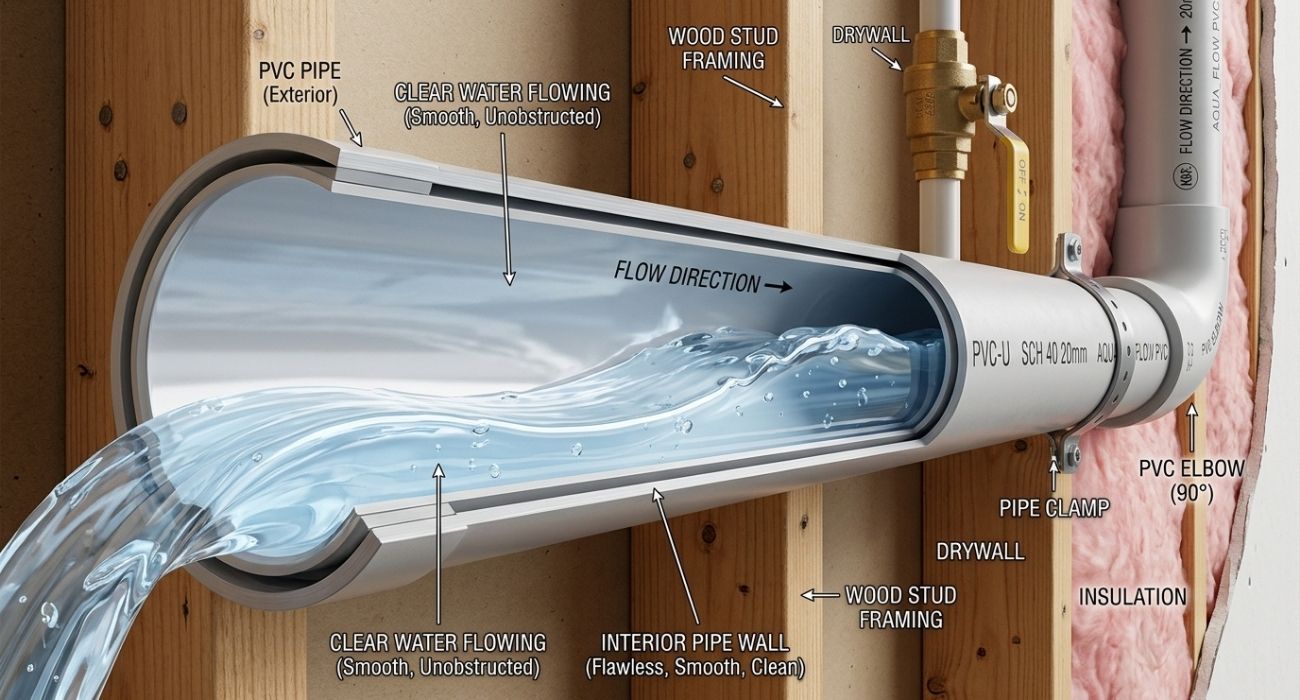
Unlike a mechanical snake, which simply punches a hole through the center of a clog, hydro-jetting completely emulsifies grease, pulverizes mineral scale, and strips the pipe walls bare. By restoring the interior of the pipe to its original, factory-smooth condition, hydro-jetting completely removes the habitat necessary for drain flies to reproduce.
 Frequently Asked Questions (FAQ)
Are drain flies harmful to humans or pets?
Drain flies do not bite, sting, or transmit blood-borne diseases. However, because they breed in decaying organic matter and raw sewage, they can mechanically transfer bacteria to sterile surfaces in your kitchen or bathroom, potentially causing minor contamination.
Can I use baking soda and vinegar to kill drain flies?
While the bubbling reaction of baking soda and vinegar can help dislodge minor surface debris and deodorize a sink, it is not powerful enough to dissolve thick, mature biofilm or kill embedded drain fly eggs.
How long does it take to get rid of a drain fly infestation?
If you accurately identify the source and aggressively treat it with mechanical brushing and daily enzymatic cleaners, a minor infestation can be resolved in one to two weeks. Severe infestations may require professional hydro-jetting for immediate eradication.
Why are there drain flies in my clean bathroom?
Even if the visible surfaces of your bathroom are meticulously clean, drain flies breed out of sight below the drain grate. Furthermore, hair clogs deep in the shower drain can trap dead skin cells and soap, creating an unseen breeding ground.
Will bleach destroy the drain fly eggs?
No. Bleach is a highly volatile liquid that quickly flows over the protective, water-resistant slime layer where the eggs are deposited. It is ineffective as a standalone pest control measure in plumbing.
Do I need an exterminator or a plumber for drain flies?
Because the root cause of a drain fly infestation is an accumulation of organic matter inside the plumbing infrastructure, you should call a licensed plumber. An exterminator can only kill the visible adult flies, but a plumber can remove the biofilm source to prevent them from returning.
Conclusion
Preventing drain flies requires a proactive approach to plumbing hygiene. By understanding the biology of these pests and the environments they prefer, homeowners can implement targeted, highly effective prevention strategies. Remember that standard household chemicals are insufficient; the permanent solution lies in destroying the organic biofilm through mechanical brushing, regular bio-enzymatic treatments, and maintaining adequately primed P-traps.
If you are struggling with persistent pest issues or slow-draining pipes, professional hydro-jetting is the most effective way to restore your system to a pristine condition. Don’t let a minor nuisance evolve into a major unsanitary infestation. Get in touch with our team today to schedule a comprehensive plumbing inspection and professional drain clearing service.
References
- Environmental Protection Agency (EPA) – Water Conservation and Residential Plumbing Efficiency Standards.
- Entomological Society of America – Data regarding the lifecycle and reproductive rates of the Psychodidae family.
- Centers for Disease Control and Prevention (CDC) – Guidelines on residential sanitation and mechanical bacteria transfer.
- City of Phoenix – Municipal water quality reports detailing hard water and mineral composition.
