 A constantly clogging bathroom fixture indicates underlying hydraulic or mechanical failures, ranging from partial blockages in the P-trap to systemic sewer line obstructions. The top five reasons include flushing non-degradable materials, severe hard water mineral accumulation, outdated low-flush mechanisms, degraded internal tank components, and obstructed plumbing vents. Addressing these specific failure points promptly restores optimal sanitation functionality, prevents costly water damage, and ensures long-term plumbing reliability.
Key Takeaways
- Non-degradable Items: Flushable wipes and paper towels account for the vast majority of municipal and residential blockages.
- Mineral Scaling: High calcium and magnesium levels in regional water supplies can reduce flush velocity by restricting siphon jets.
- Mechanical Wear: Deteriorated flappers or improperly adjusted lift chains prevent the tank from releasing adequate water volume.
- Outdated Fixtures: First-generation low-flow models often lack the necessary hydraulic force to push waste over the trapway weir.
- Systemic Blockages: Chronic backups frequently point to main sewer line root intrusions or blocked roof vents creating negative air pressure.
Reason 1: Flushing Non-Degradable Materials
The most frequent cause of residential plumbing blockages is the introduction of non-degradable materials into the drainage system. Unlike standard toilet paper, which is specifically engineered to dissolve rapidly upon contact with water, many modern personal hygiene products maintain their structural integrity when wet. This includes items deceptively marketed as “flushable” wipes, alongside paper towels, dental floss, feminine hygiene products, and cotton swabs.
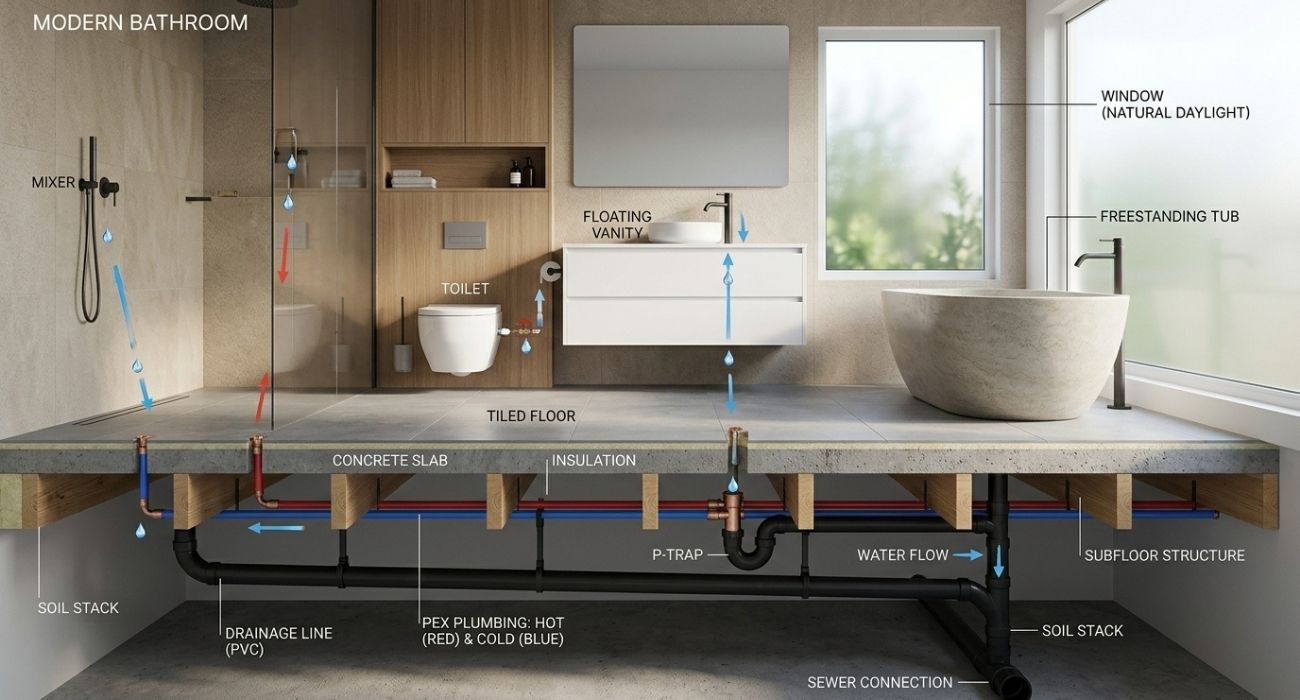
According to the Environmental Protection Agency (EPA), flushing the wrong items down the drain can cause significant problems in home plumbing and municipal wastewater treatment facilities. When these resilient materials enter the P-trap—the curved section of pipe beneath the bowl—they snag on minor imperfections in the porcelain or existing mineral deposits. Over time, these materials aggregate into a dense, solid mass that entirely obstructs the water flow.
The American Water Works Association (AWWA) strongly advises consumers to stick to the “3 Ps” (pee, poo, and paper) to maintain healthy municipal infrastructure. In 2026, plumbing experts continue to emphasize that a small waste basket placed beside the fixture is the most cost-effective preventative measure against these artificial blockages.
Reason 2: Hard Water Scaling and Mineral Buildup
In many regions of the American Southwest, water hardness is a defining factor in plumbing longevity. For instance, according to the City of Phoenix Water Services Department, the municipal water supply is generally considered very hard, frequently measuring between 12 and 22 grains per gallon (approximately 200 to 375 parts per million). This high concentration of dissolved minerals—primarily calcium and magnesium—has a compounding, detrimental effect on bathroom fixtures.
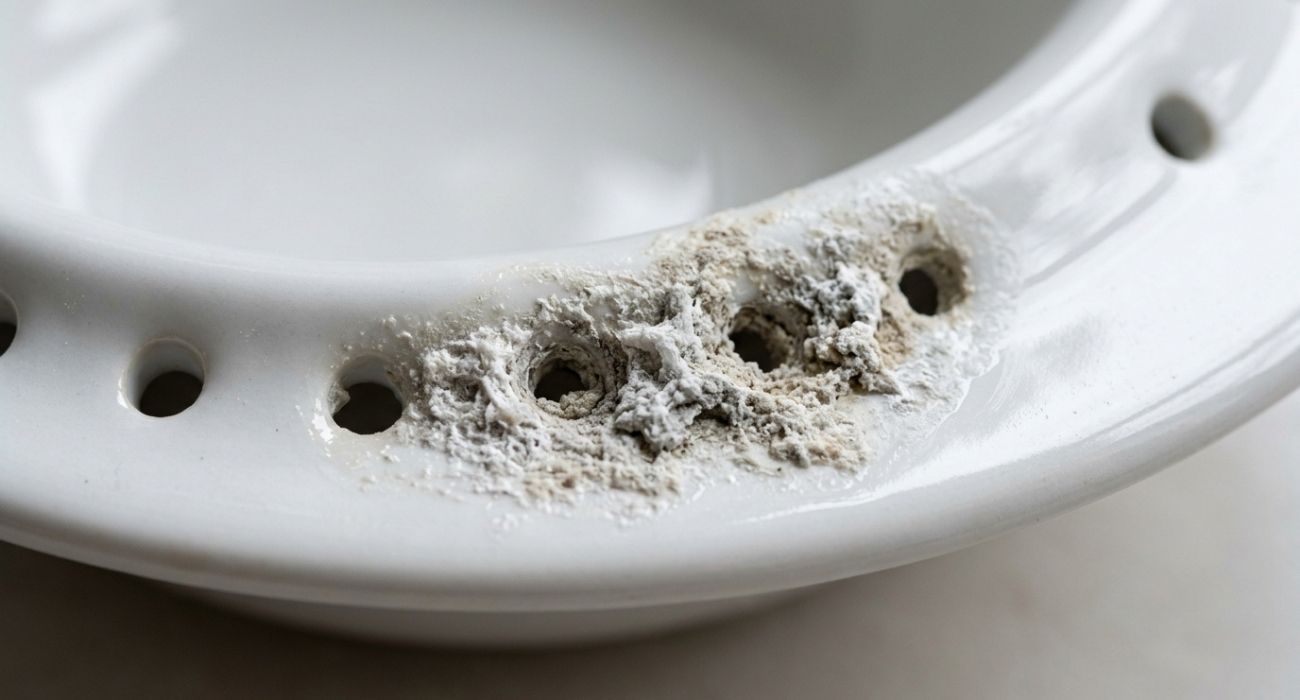
Every time a flush occurs, trace amounts of these minerals are left behind in the rim holes and the siphon jet at the base of the bowl. Over months and years, this residual moisture evaporates, leaving hard calcified scale. As the United States Geological Survey (USGS) notes, hard water deposits can severely restrict water flow in pipes and plumbing fixtures. When the siphon jet and rim holes become choked with scale, water enters the bowl too slowly to initiate the rapid vacuum action required to pull waste through the trapway.
Residents requiring toilet repair in the Phoenix area often discover that their fixture is not technically blocked by waste, but rather suffering from mineral strangulation. Descaling the jets with specialized acidic solutions or clearing the ports with physical tools is a routine necessity in desert climates.
Reason 3: Outdated Low-Flow Fixtures
The evolution of water conservation regulations fundamentally changed how plumbing fixtures operate. Following the 1994 Energy Policy Act, federal law mandated that residential fixtures use no more than 1.6 gallons per flush (GPF), a dramatic reduction from older models that utilized up to 7 gallons. However, the first generation of these low-flow models simply reduced the tank size without redesigning the bowl’s internal hydraulics.
These early models often lack the gravitational force and water volume necessary to create a strong siphon, leading to frequent clogs. The water moves sluggishly, allowing heavy waste and paper to settle in the trapway rather than being swept into the main sewer branch. If your home still utilizes a fixture manufactured in the late 1990s, chronic stoppages are a predictable outcome of its outdated engineering.
Fortunately, modern fixtures bearing the EPA WaterSense label use a maximum of 1.28 GPF but feature highly engineered, glazed trapways and pressurized flushing mechanisms. The EPA states that replacing older, inefficient models can save a typical family of four up to 13,000 gallons of water annually, while simultaneously eliminating the frustration of weak, incomplete flushes.
Reason 4: Mechanical Failures in the Tank
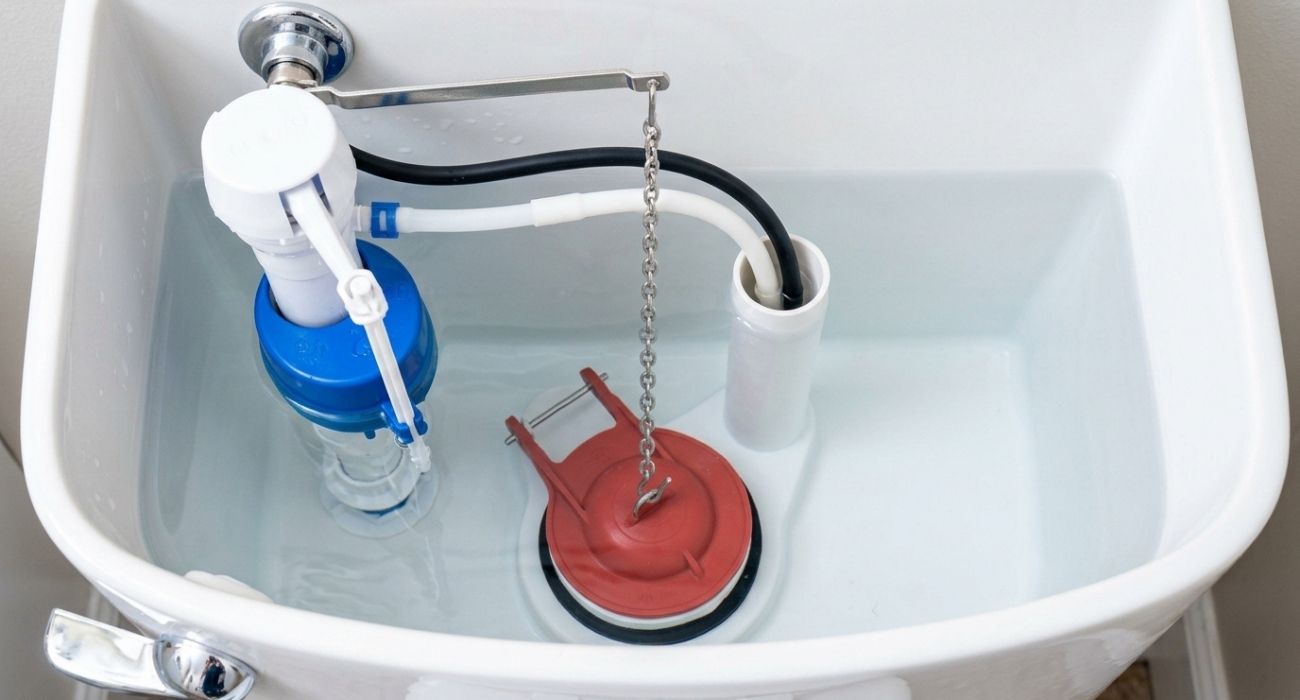
A fixture’s ability to clear waste relies entirely on a precise sequence of mechanical actions within the tank. The tank serves as a holding reservoir; to create a successful flush, the entire volume of water must be dumped into the bowl within approximately three seconds. If mechanical components degrade, this rapid dump fails, resulting in a weak, gurgling flush that leaves debris behind.
The primary culprit is often the flapper—the rubber seal at the bottom of the tank. Over time, especially in environments with high chlorine or hard water, the flapper warps, hardens, or deteriorates. If it closes too quickly, insufficient water enters the bowl. Similarly, the lift chain connecting the flush lever to the flapper requires precise tension. A chain with too much slack (ideally it should have about 1/2 inch of play) will not lift the flapper high enough, while a chain that is too tight may prevent the flapper from sealing, causing continuous running water.
Additionally, the fill valve, which dictates the water level in the tank, must be calibrated correctly. The water line must sit roughly one inch below the top of the overflow tube. If the water level is too low, the resulting flush lacks the hydraulic head pressure required to clear the bowl.
Reason 5: Mainline Sewer Obstructions and Vent Blockages
When multiple drains in a home begin to back up simultaneously, or a single fixture clogs despite vigorous plunging, the problem usually extends beyond the immediate bathroom. Systemic drainage failures typically stem from one of two external sources: main sewer line obstructions or blocked plumbing vents.
Underground sewer pipes, particularly older clay or cast-iron lines found in historic neighborhoods, are highly susceptible to root intrusion. Trees naturally seek out the moisture and nutrients within these pipes, penetrating small joints or microscopic cracks. Once inside, roots proliferate rapidly, creating an impenetrable net that catches paper and waste. Standard residential drain augers cannot sever heavy tree roots; such blockages require professional hydro-jetting or mechanical rodding.
Less commonly considered, but equally disruptive, are blocked plumbing vents. The vent pipes protruding from the roof allow sewer gases to escape and, crucially, allow air to enter the drainage system. This air prevents the formation of a vacuum. If a vent pipe is blocked by leaves, bird nests, or debris, the flowing water creates negative pressure, effectively stopping drainage. A gurgling sound emanating from the shower drain when the toilet is flushed is a classic symptom of poor venting.
Comparing Clog Types and Repair Approaches
Understanding the nature of the blockage helps determine the safest and most effective method of resolution. Applying inappropriate force to a delicate fixture can cause permanent cracking or seal failure.
| Clog Cause | Primary Symptom | Recommended DIY Fix | Professional Intervention |
|---|---|---|---|
| Organic Waste / Paper | Water drains slowly or stops completely at the bowl. | Flange plunger or basic hand auger. | Rarely needed unless compacted deeply. |
| Hard Water Scaling | Weak, sluggish flush; diagonal water flow from rim. | Vinegar soak, wire brush cleaning of rim jets. | Acid wash or complete fixture replacement. |
| Foreign Object (e.g., toy) | Immediate stoppage; normal flushing sound but no drain. | Closet auger to retrieve the item. | Fixture removal to access the trapway from underneath. |
| Mainline Sewer Issue | Gurgling in other drains; raw sewage backup in tub. | None recommended. Avoid adding water. | Video camera inspection, hydro-jetting, root clearing. |
Step-by-Step: How to Safely Clear a Minor Blockage
When confronted with a standard stoppage caused by excess paper or organic waste, homeowners can often resolve the issue without professional assistance. Employing the correct technique prevents messy overflows and protects the porcelain from scratching.
- Halt the Water Supply: If the bowl is threatening to overflow, immediately remove the tank lid and press the flapper down over the flush valve. Then, reach behind the base and turn the angle stop valve clockwise to shut off the water supply.
- Select the Proper Plunger: Utilize a flange plunger (featuring a rubber sleeve extending from the bottom cup) rather than a standard flat cup plunger, which is designed for flat sink surfaces.
- Establish a Seal: Submerge the plunger in the water, tilting it slightly to allow trapped air to escape from the bell. Seat the flange firmly over the drain opening to create a watertight seal.
- Apply Rhythmic Force: Push down gently initially to engage the seal, then pull up sharply. The upward pull—creating suction—is often more effective at dislodging the obstruction than the downward push. Maintain vigorous, rhythmic thrusts for 15 to 20 seconds.
- Test the Flush: Once the water drains naturally, turn the supply valve back on, allow the tank to fill, and execute a test flush to ensure the trapway is entirely clear.
Preventative Maintenance for Bathroom Plumbing
Proactive maintenance drastically reduces the likelihood of encountering catastrophic drainage failures. In regions with elevated mineral content, establishing a quarterly descaling routine is imperative. Pouring a gallon of standard white vinegar into the tank and bowl, and allowing it to sit overnight, dissolves nascent calcium deposits before they can harden and obstruct the siphon jets.
Furthermore, internal tank components should be inspected annually. Flappers typically have a lifespan of three to five years, depending on chemical exposure. Upgrading to chemically resistant, modern silicone flappers can extend this interval. Plumbers also advise checking the household water pressure; pressure exceeding 80 psi puts undue stress on internal fill valves, potentially leading to leaks and inconsistent water levels that hinder flushing performance.
Finally, education remains the most potent preventative tool. Ensuring all household members understand that wipes, paper towels, and hygiene products belong exclusively in the waste bin will eliminate the root cause of the vast majority of local plumbing service calls.
Frequently Asked Questions
Why does my toilet bubble and gurgle when it flushes?
Gurgling indicates that air is being trapped and forced back up through the water seal. This is typically caused by a partial blockage in the main sewer line or a clogged roof vent, which creates negative pressure in the drainage system.
Can hard water permanently damage my bathroom fixtures?
Yes, prolonged exposure to hard water without regular descaling can cause severe calcification in the internal trapway and rim jets. If the mineral buildup becomes heavily petrified, chemical cleaners may fail, necessitating a complete replacement of the porcelain fixture.
Are “flushable” wipes actually safe for plumbing?
No. Despite their marketing, “flushable” wipes do not disintegrate rapidly in water like standard toilet paper. The EPA and municipal water authorities strongly advise against flushing them, as they are a primary cause of residential and municipal sewer blockages.
How often should I replace the flapper in the tank?
A standard rubber flapper should be replaced every 3 to 5 years. However, in regions with heavily chlorinated municipal water or if in-tank chemical cleaning tablets are used, the rubber can deteriorate much faster, requiring annual replacement.
When should I stop plunging and call a professional?
If you have spent 10 to 15 minutes properly utilizing a flange plunger with no success, or if plunging causes water to back up into your shower or sink drains, stop immediately. These are clear signs of a severe mainline obstruction that requires commercial-grade augers or hydro-jetting.
Conclusion
Understanding the top 5 reasons toilets keep clogging empowers homeowners to differentiate between minor inconveniences and systemic plumbing failures. Whether your home is battling the severe mineral scaling endemic to desert environments, struggling with outdated low-flow mechanics, or facing intrusive tree roots in the main sewer line, accurate diagnosis is the first step toward a permanent solution. While basic organic clogs can often be handled with a sturdy flange plunger, chronic backups demand specialized tools and expertise to prevent permanent structural water damage to your property. If you are experiencing persistent drainage issues, don’t wait for a costly overflow to occur. Contact us today for a comprehensive professional inspection and restore peace of mind to your household.
References
- United States Environmental Protection Agency (EPA). Information on WaterSense fixtures and the impact of non-degradable waste on municipal systems. https://www.epa.gov
- City of Phoenix Water Services Department. Data regarding regional water hardness, mineral content, and residential infrastructure maintenance. https://www.phoenix.gov
- American Water Works Association (AWWA). Guidelines on municipal wastewater health and the “3 Ps” flushing standards. https://www.awwa.org
- United States Geological Survey (USGS). Scientific explanations on water hardness, calcium, and magnesium scaling in residential pipes. https://www.usgs.gov
