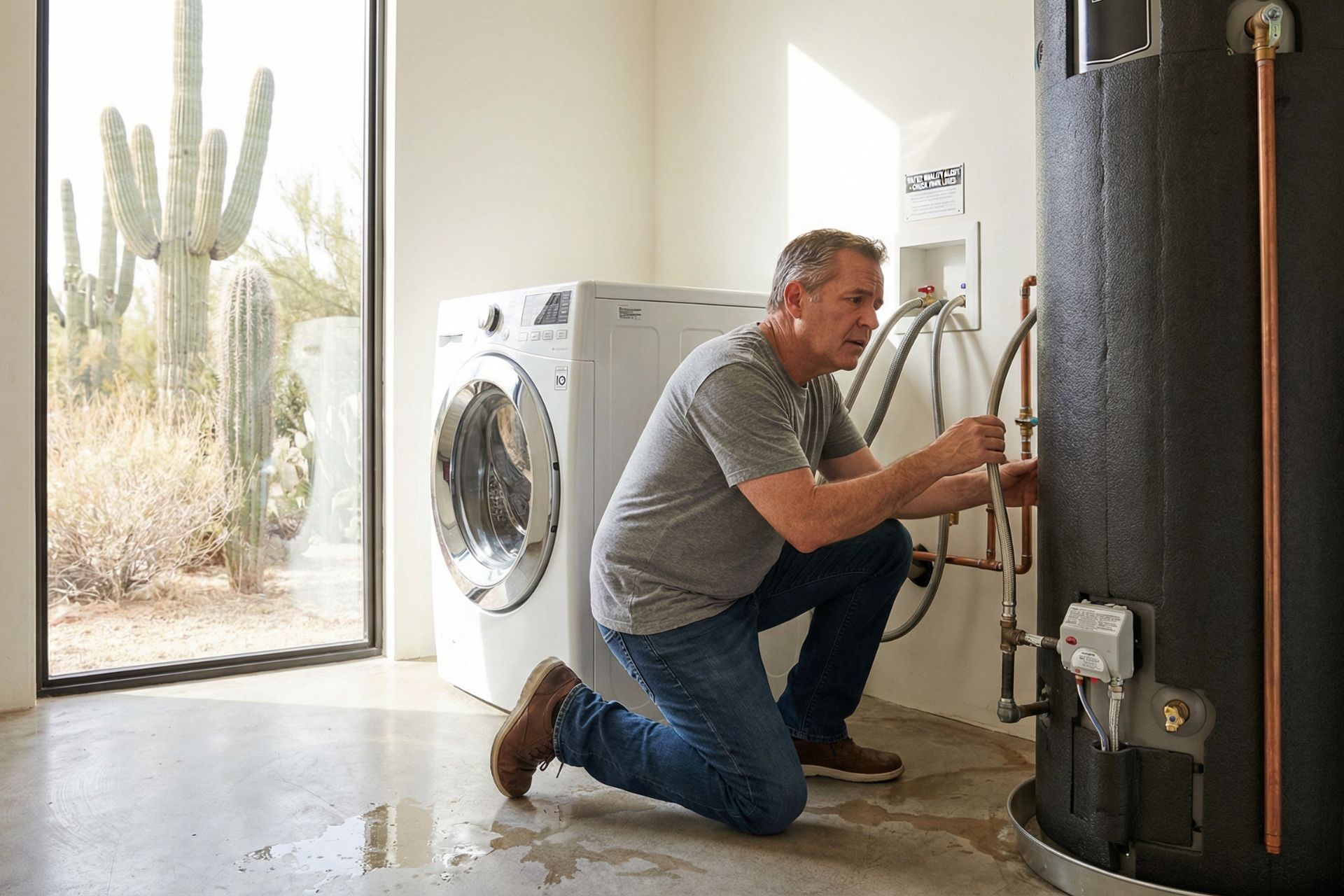
Water line problems create cascading damage throughout Phoenix homes, affecting not just plumbing fixtures but also appliances that depend on clean, pressurized water for proper operation. Washing machines, dishwashers, refrigerators with ice makers, and water heaters all suffer accelerated wear, reduced efficiency, and premature failure when water line problems Phoenix home systems develop go unaddressed.
At Rapid Fire Plumbing, we regularly see appliances damaged by water line issues homeowners didn’t realize affected anything beyond their plumbing. Understanding these connections helps protect expensive equipment investments while avoiding the compound costs of simultaneous plumbing and appliance failures.
Low water pressure damages appliances systematically
How pressure affects appliance function
Appliances designed to operate at 40–80 PSI malfunction when water line leaks, blockages, or corrosion reduce delivered pressure. Washing machines cannot fill properly, extending cycle times while failing to rinse detergent completely from clothing. Dishwashers underfill, leaving dishes dirty while running multiple unnecessary cycles that waste energy and shorten component life.
Compounding wear from pressure problems
Appliances compensating for low pressure run longer cycles, overheat components designed for normal duration operation, and stress pumps and motors beyond design specifications. A dishwasher operating at 30 PSI instead of 60 PSI may run twice as long per cycle, effectively doubling motor runtime and halving expected service life. The cumulative effect transforms minor water line pressure issues into major appliance replacement expenses.
Ice maker and refrigerator complications
Refrigerator ice makers and water dispensers require minimum pressure—typically 20–30 PSI—to function. When water line problems Phoenix home systems develop reduce pressure below these thresholds, ice makers produce small, hollow cubes or stop working entirely; water dispensers deliver weak streams or nothing at all. Homeowners often call appliance repair services for problems actually caused by water line deterioration requiring plumbing attention.
 Hard water from deteriorating pipes accelerates appliance failure
Mineral buildup inside appliances
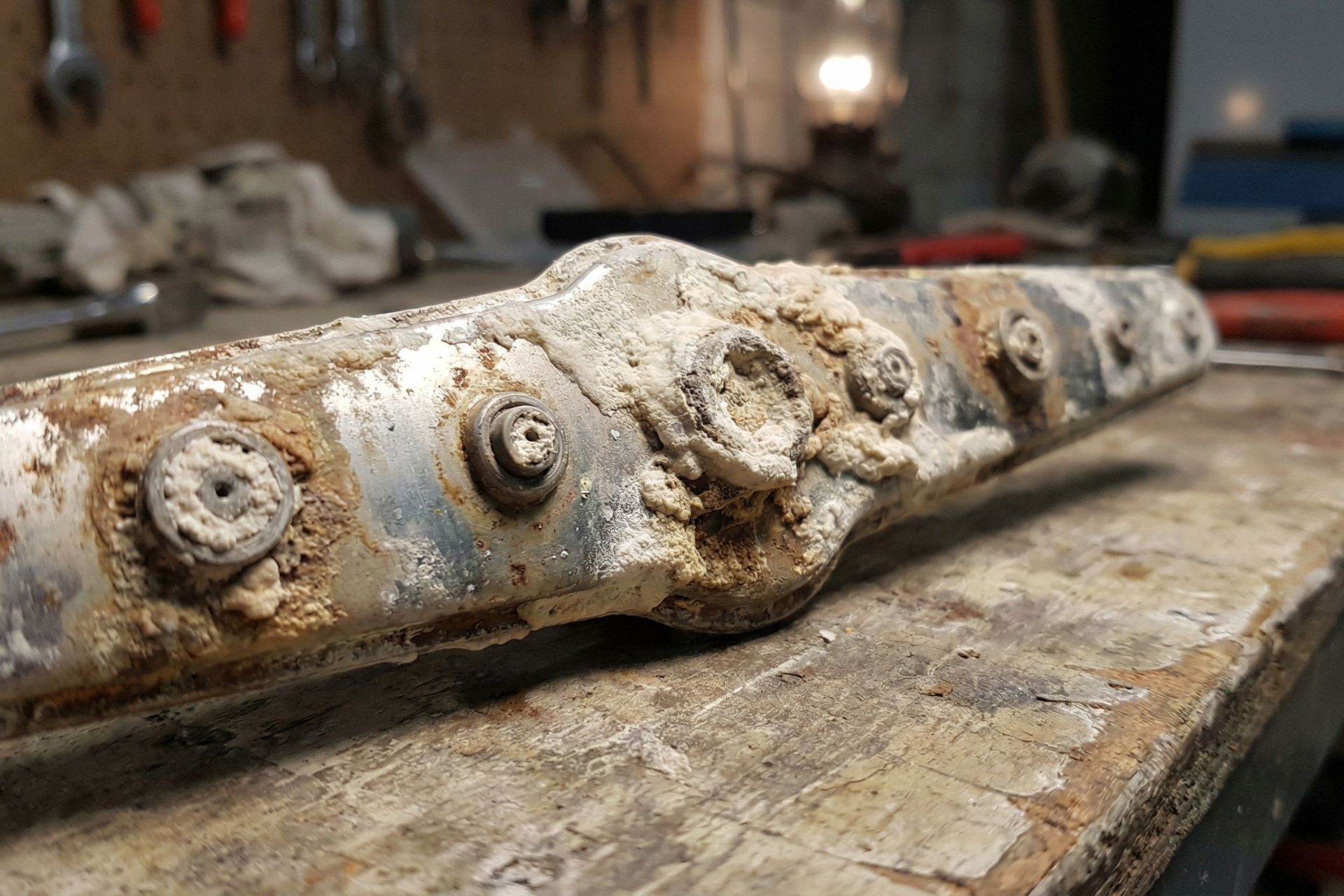
Phoenix’s already-hard water becomes more concentrated with minerals when it flows through corroding pipes. Galvanized steel pipes, common in older homes, shed iron, zinc, and accumulated mineral deposits that dramatically increase water hardness beyond municipal supply levels. This super-hard water deposits scale inside washing machine hoses, dishwasher spray arms, water heater tanks, and refrigerator water lines.
Component failures from scale accumulation
Scale buildup restricts water flow through appliance components, forcing pumps to work harder while delivering less water. Dishwasher spray arms clog, leaving dishes dirty; washing machine inlet valves seize partially closed, extending fill times; water heater heating elements become encased in scale that reduces efficiency by 30–40% while causing premature burnout. What appears as appliance failure often originates from deteriorating water lines feeding contaminated, mineral-laden water to equipment.
Valve and connection damage
Mineral-heavy water from corroding pipes creates deposits in appliance inlet valves and supply line connections. These deposits cause valves to stick open (creating flood risks) or closed (preventing operation); they also accumulate in braided supply hoses, hardening flexible lines until they crack and leak. Replacing these components repeatedly without addressing source water line corrosion proves futile—new parts fail as quickly as originals.
Water heater damage from main line contamination
Sediment acceleration in tanks
Water flowing through deteriorating main lines carries rust particles, mineral chunks, and sediment that settles in water heater tanks at accelerated rates. Phoenix water heaters already face challenging conditions from naturally hard water; adding corrosion byproducts from failing supply lines can reduce tank life from 10–12 years to 6–8 years or less.
Premature element and anode failure
Contaminated water attacks water heater heating elements and anode rods more aggressively than clean municipal supply. Elements develop scale coating that causes inefficiency and burnout; anode rods designed to last 3–5 years may deteriorate in 12–18 months when protecting against both normal electrolytic corrosion and contamination from failing supply lines. The resulting tank corrosion leads to catastrophic failures that flood homes.
Efficiency loss and cost increases
Water heaters receiving contaminated water from deteriorating lines operate 25–40% less efficiently due to sediment insulation and scale accumulation on heating surfaces. This efficiency loss appears as higher energy bills months or years before actual heater failure, representing ongoing costs homeowners often don’t connect to underlying water line deterioration.
Washing machine hose failures and flooding
Supply line stress from pressure fluctuations
Water line problems create pressure fluctuations—sudden surges when blockages clear, pressure drops when leaks worsen. These fluctuations stress washing machine supply hoses, particularly older rubber hoses more common in homes with aging water lines. Constant pressure cycling fatigues hose materials, causing the catastrophic burst failures that flood laundry rooms and adjacent spaces.
Connection point vulnerabilities
Contaminated water from corroding pipes accelerates deterioration of hose connections to washing machine inlets and wall valves. Mineral deposits and corrosion particles lodge in connection threads, preventing proper sealing while promoting galvanic corrosion between dissimilar metals. These compromised connections leak gradually or fail suddenly, with either scenario causing water damage.
Internal component wear
Sediment and particles from deteriorating water lines enter washing machine pumps, valves, and water level sensors. Pump impellers wear rapidly from abrasive particles; inlet valves accumulate debris that prevents proper closure; level sensors malfunction from mineral coating. Machines served by clean water from sound supply lines outlast those receiving contaminated flow from failing infrastructure by years.
Dishwasher performance degradation
Spray arm clogging patterns
Fine sediment and mineral particles from corroding supply lines clog dishwasher spray arm holes faster than deposits from water alone. As holes plug progressively, cleaning performance declines, requiring homeowners to rewash dishes or run multiple cycles. Complete spray arm replacement becomes necessary when buildup proves impossible to clear—a recurring expense when source water contamination continues.
Heating element and pump damage
Dishwasher heating elements encrusted with scale from mineral-laden water fail prematurely, leaving dishes wet and poorly sanitized. Pumps circulating particle-contaminated water wear faster as abrasives pass through impellers and seals designed only for filtered water containing dissolved minerals. The combination reduces expected dishwasher lifespan from 10–12 years to 6–8 years in homes with deteriorating water lines.
Filter maintenance escalation
Dishwasher filters clog far more frequently when supplied by water carrying sediment from failing pipes. What should be quarterly maintenance becomes weekly cleaning, and filters themselves require more frequent replacement. This ongoing maintenance burden signals underlying water quality issues traceable to supply line deterioration.
 Detecting water line problems before appliance damage
Monitoring for early warning signs
Unexplained appliance performance declines—longer cycle times, reduced cleaning effectiveness, unusual noises—often indicate water supply problems rather than appliance defects. When multiple appliances develop issues simultaneously or sequentially, leak detection Phoenix services should assess water line condition before investing in appliance repairs that won’t address root causes.
Water quality changes
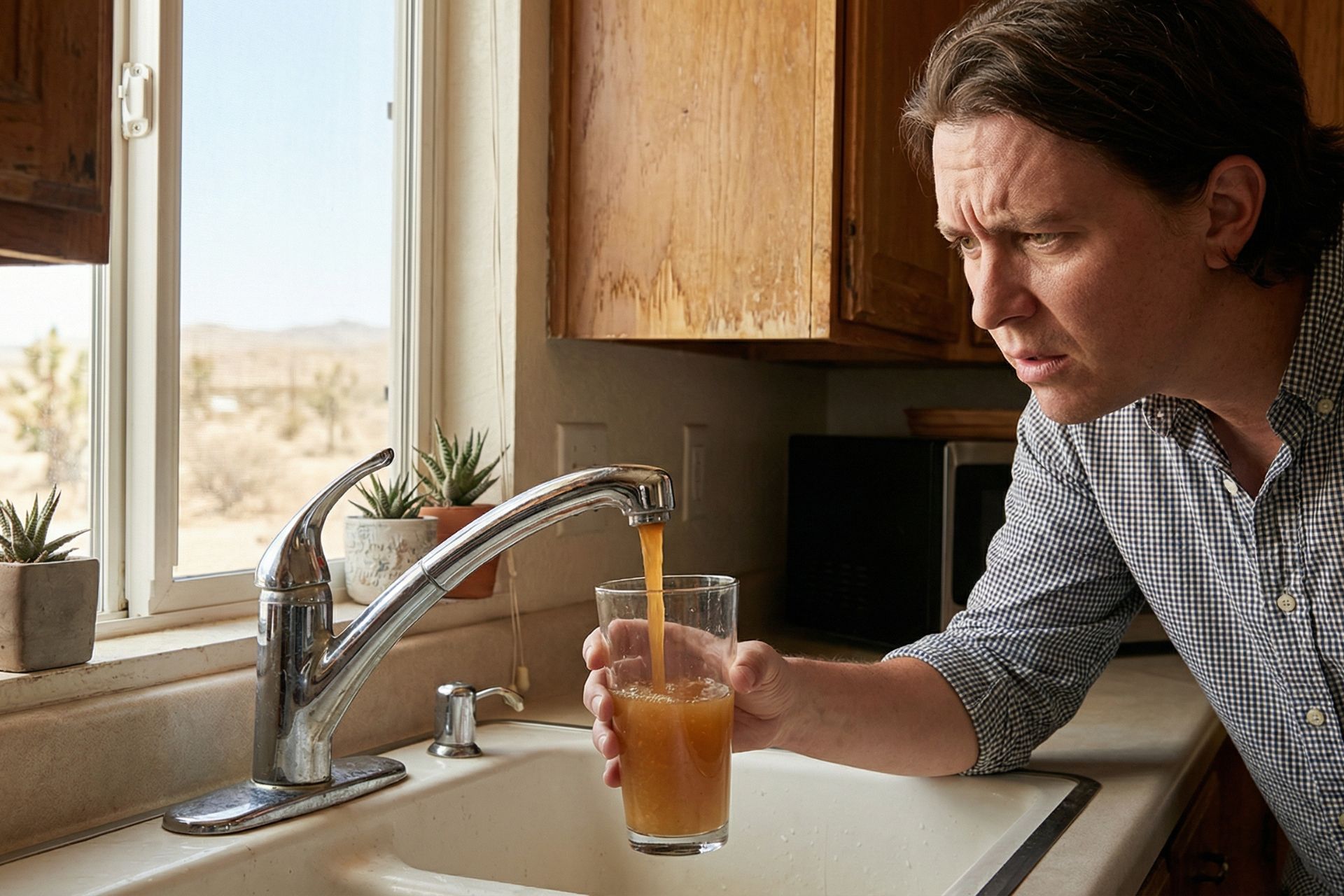
Discolored water, metallic tastes, or sediment in faucet aerators signal pipe deterioration affecting all downstream appliances. Rust-colored water indicates advanced corrosion in iron pipes; blue-green staining shows copper pipe deterioration; gritty sediment reveals mineral scale breaking loose from deteriorating pipe interiors. These visible signs warrant immediate professional assessment before appliance damage occurs.
Pressure monitoring
Installing a simple pressure gauge on an outdoor hose connection provides baseline data showing when pressure drops indicate developing water line problems. Pressure declining from normal 60–70 PSI toward 40 PSI or below signals blockages, leaks, or corrosion restricting flow—conditions that will damage appliances if unaddressed.
Cost comparison: prevention versus replacement
Appliance replacement expenses
Washing machines cost $500–1,500; dishwashers $400–1,200; water heaters $800–2,000; refrigerators with ice makers $1,000–3,000. When water line problems cause premature failure across multiple appliances, replacement costs easily reach $5,000–10,000—far exceeding the expense of addressing underlying water line deterioration.
Water line repair investment
Professional water line assessment, leak detection, and targeted repairs typically cost $500–2,500 depending on problem extent and location. Even major water line replacement projects costing $3,000–8,000 prove economical compared to ongoing appliance replacement cycles caused by leaving deteriorating lines unaddressed.
Combined damage scenarios
The worst financial outcomes occur when homeowners replace appliances repeatedly without recognizing that water line problems Phoenix home infrastructure creates are the root cause. Spending thousands on appliances that fail prematurely because contaminated, low-pressure water continues damaging new equipment wastes money that should address source water line deterioration.
Professional assessment protects investments
When appliances underperform or fail, professional plumbing assessment should precede appliance replacement to rule out water line problems causing the issues. This diagnostic approach often reveals that appliances remain serviceable once water supply quality and pressure improve through infrastructure repair.
Phoenix’s aging housing stock and harsh water conditions make water line problems Phoenix home owners face increasingly common as infrastructure reaches end of design life. Proactive assessment and maintenance of water supply lines protects appliance investments while preventing the cascading failures that occur when deteriorating infrastructure goes unaddressed.
Protect your appliances through water line maintenance
Appliances represent substantial investments deserving protection from preventable water line damage. Regular professional plumbing inspections identify deteriorating water lines before they contaminate water supply, reduce pressure, or create conditions that destroy expensive equipment.
Contact Rapid Fire Plumbing at 623-810-6166 to schedule comprehensive water line assessment protecting your Phoenix home’s appliances from preventable damage. Our experienced technicians identify water line problems early, explain impacts on household systems, and provide solutions that extend appliance life while preventing costly failures.
