When a residential plumbing system begins to fail, homeowners often immediately suspect a clogged drain or a damaged main line. However, the true culprit is frequently located not beneath the floors, but high above on the roof. A blocked plumbing vent restricts essential airflow, creating a vacuum within the pipes that stops wastewater from flowing out and allows toxic sewer gases to seep into the home. Identifying a restricted roof vent early is critical for maintaining both the structural integrity of your plumbing and the health of your indoor environment.
Understanding the Role of Plumbing Vents in Arizona Homes
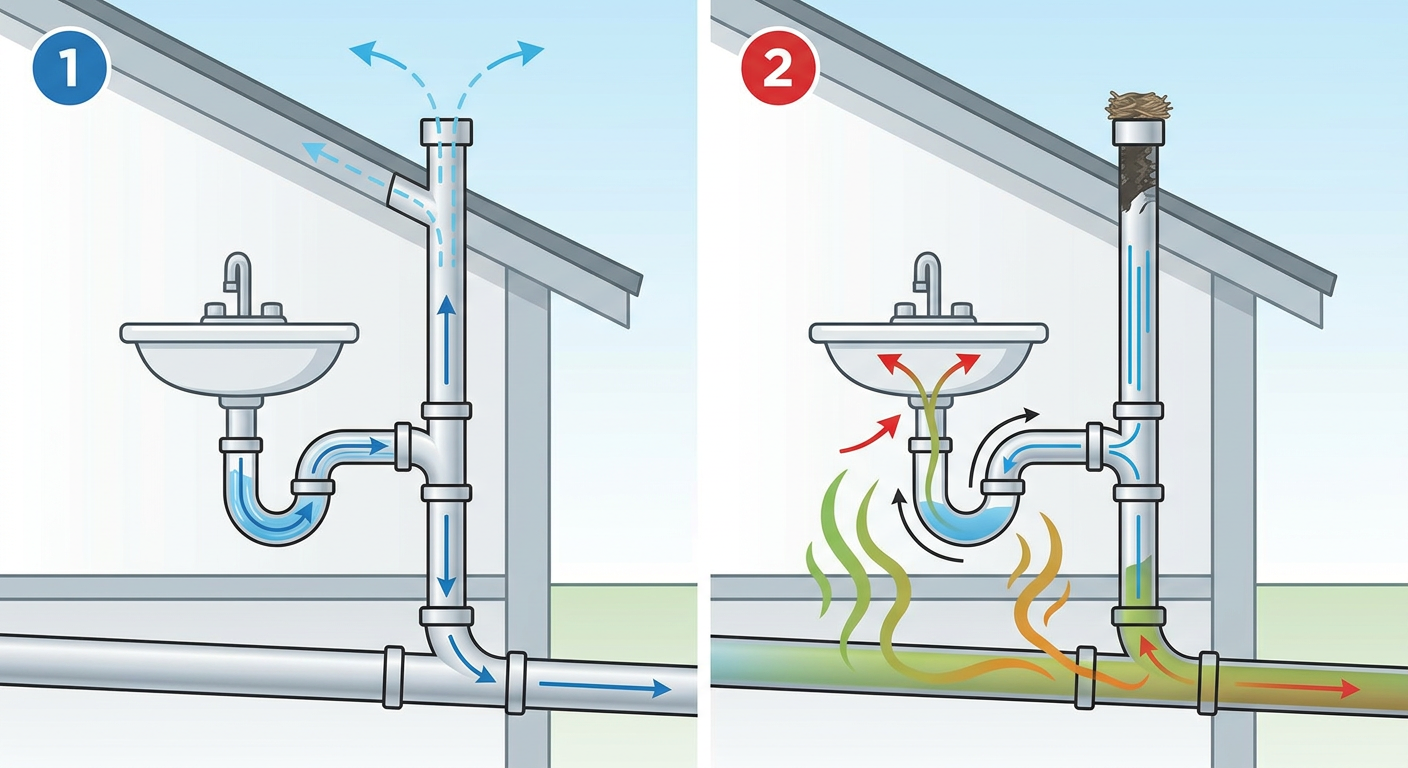
To understand why a restricted vent causes such widespread issues, it is essential to look at the mechanics of a home’s Drain-Waste-Vent (DWV) system. Every time a toilet is flushed or a sink is drained, water rushes through the pipes, pushing air ahead of it and pulling air behind it. Without a dedicated source of replacement air, this movement creates negative hydrostatic pressure.
According to research from the American Society of Plumbing Engineers (ASPE), a properly functioning DWV system relies on atmospheric pressure to equalize the pipes, allowing gravity to pull wastewater smoothly toward the municipal sewer. The vent stack, which typically exits through the roof, serves as this critical breathing tube.
When this airway is obstructed, the negative pressure must find air elsewhere. It does this by siphoning water out of your plumbing fixtures’ P-traps—the curved pipes beneath sinks and toilets that hold a small amount of water to block sewer gases. As Sarah Jenkins, Master Plumber at the National Plumbing Institute, explains: “A plumbing system breathes. Without proper airflow through the roof vent, the negative pressure will siphon water right out of your P-traps, effectively opening a direct gateway for hazardous gases to enter your living space.”
The Top 5 Signs of a Blocked Sewer Vent Pipe
Because the DWV system is interconnected, an obstruction on the roof will manifest in various ways throughout the house. Here are the five most definitive indicators that your home is suffering from inadequate plumbing ventilation.
1. Slow Draining Fixtures Across the House
A localized clog usually affects a single sink or shower. However, if you notice that multiple fixtures across different rooms are draining sluggishly, the issue is likely systemic. Without air entering the vent stack to break the vacuum, water drains at a painfully slow rate. Data from plumbing industry surveys indicates that up to 85% of unexplained, widespread slow drains are linked to inadequate venting rather than physical blockages in the drain pipes themselves.
2. Gurgling Sounds from Drains and Toilets
One of the most immediate auditory red flags is a distinct gurgling or bubbling noise coming from your drains. This occurs when the negative pressure inside the pipes becomes strong enough to pull air through the water resting in the P-trap. If you flush a toilet and hear the bathtub drain gurgling in response, the system is gasping for air. Because plumbing noises should never be ignored, investigating these sounds promptly can prevent more severe backups.
3. Persistent Sewer Gas Odors Indoors
When the water seal in a P-trap is siphoned away, there is nothing left to block the noxious fumes from the municipal sewer. You may begin to smell a distinct “rotten egg” odor, which is hydrogen sulfide gas. The Environmental Protection Agency (EPA) notes that indoor air quality can be 2 to 5 times more polluted than outdoor air, a metric heavily exacerbated by plumbing failures. If your home smells like a sewer despite rigorous cleaning, the vent stack is a primary suspect. This directly ties into the impact of plumbing on indoor air quality, especially in tightly sealed modern homes.
4. Weak or Inconsistent Toilet Flushes
A toilet requires a rapid, high-volume release of water to flush effectively. If the vent is blocked, the lack of air displacement slows the water’s momentum. You might notice that the toilet bowl fills with water but fails to drain completely, or that it requires multiple flushes to clear waste. This weak flushing action is a direct result of the vacuum holding the water back.
5. Empty Toilet Bowls
A healthy toilet bowl should always retain a specific water level. If you frequently find that the water level in your toilet bowl has dropped significantly or is completely empty without anyone flushing it, siphonage is occurring. The negative pressure in the blocked DWV system is literally sucking the water out of the bowl and down the drain line.
Common Causes of Vent Pipe Obstructions in Phoenix
Diagnosing plumbing vent obstructions in Arizona requires an understanding of how our unique desert environment interacts with residential infrastructure. The climate in Maricopa County presents specific challenges that homeowners in other regions may not face.
- Bird Nests and Pests: During the intense dry heat of the Arizona summer, birds, rodents, and insects actively seek out sources of moisture and cool air. The open pipe on your roof provides an ideal, protected nesting ground. Roof rats are particularly notorious in the Valley for infiltrating these spaces.
- Monsoon Debris: Heading into the 2026 monsoon season, homeowners must be vigilant. Monsoon winds frequently exceed 40 mph, carrying massive amounts of dust, leaves, and palm fronds. This debris can easily settle into an unprotected roof vent, accumulating over time until it forms a solid plug. Following a comprehensive monsoon plumbing checklist is essential for prevention.
- Deteriorating Pipe Materials: In older homes, cast iron or clay vent pipes can corrode and scale from the inside. This internal flaking narrows the pipe’s diameter, eventually leading to a complete restriction of airflow.
Comparing Vent Pipe Blockages vs. Main Sewer Line Clogs
It is easy to confuse a blocked vent with a clogged main sewer line, as the symptoms often overlap. However, understanding the distinctions can save you time and money on unnecessary diagnostic procedures. If you are unsure, reviewing the signs your sewer line might be clogged can provide further clarity.
| Symptom / Characteristic | Blocked Roof Vent | Clogged Main Sewer Line |
|---|---|---|
| Primary Indicator | Gurgling sounds and empty P-traps | Raw sewage backing up into low drains (showers/tubs) |
| Water Flow | Slow draining across all fixtures | Complete stoppage; water returns up through drains |
| Odor Location | Near sinks, toilets, and upper-level fixtures | Primarily in lower-level drains or the yard |
| Response to Flushing | Nearby fixtures gurgle or lose water | Water immediately backs up into the shower or tub |
How to Safely Inspect and Clear a Blocked Vent
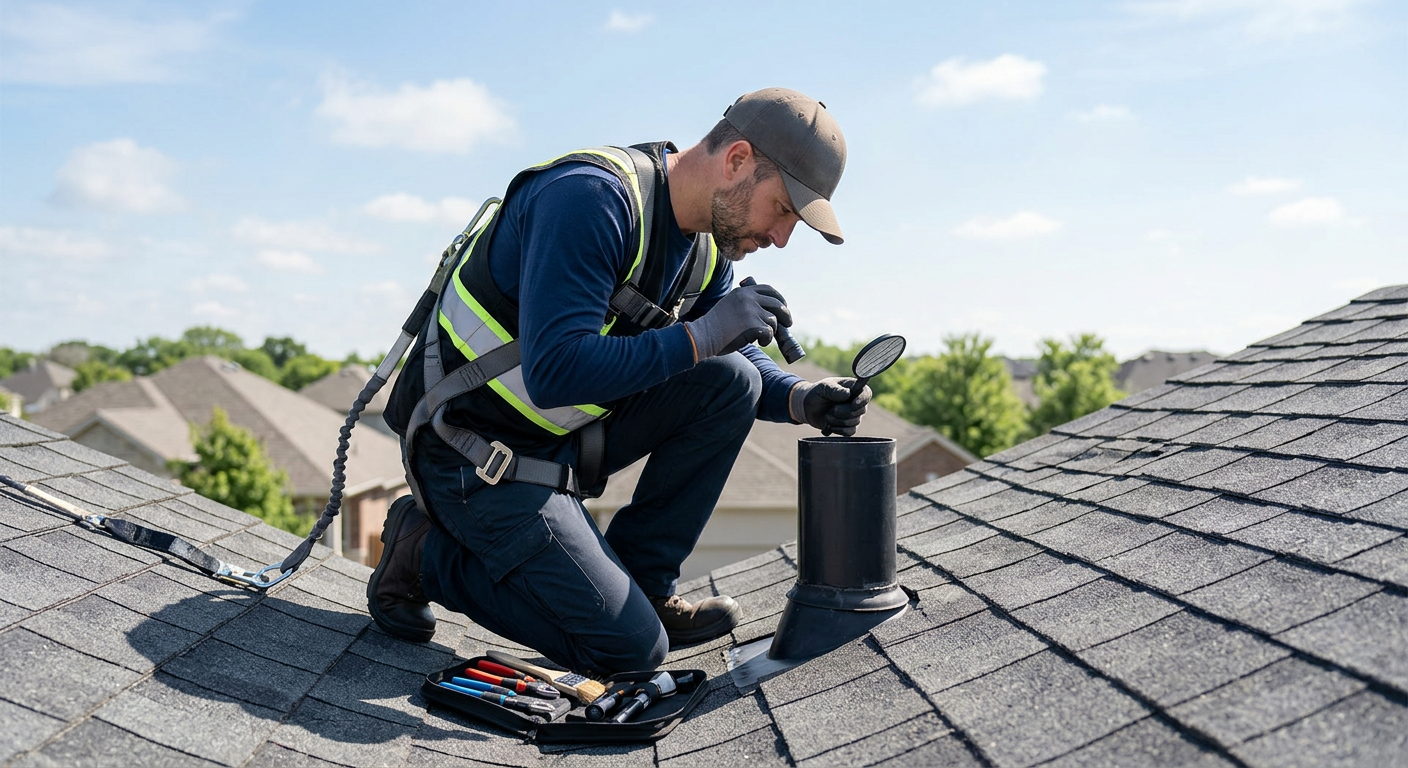
If you suspect an airflow restriction in your plumbing system, immediate action is required. However, because the stack is located on the roof, safety must be the primary concern. Understanding the risks of DIY plumbing work is crucial before attempting any rooftop maintenance.
Step-by-Step Diagnostic Process
- Visual Ground Inspection: Before climbing a ladder, use binoculars to inspect the roof stack from the ground. Look for obvious signs of bird nests, accumulated leaves, or physical damage to the pipe.
- Safe Roof Access: If you must access the roof, ensure you use a stabilized ladder and wear slip-resistant footwear. Never access a roof during high winds, rain, or extreme summer heat.
- Clear Surface Debris: Wearing heavy-duty gloves, carefully remove any visible obstructions from the top of the pipe. Often, a tennis ball, a bird’s nest, or a cluster of leaves is sitting right at the opening.
- The Flashlight Test: Shine a high-powered flashlight down the shaft. If you can see a blockage further down, do not attempt to push it deeper with a stick, as this can compact the debris and make it impossible to remove without cutting the pipe.
- Water Flushing (Use Caution): You can attempt to clear minor dust and leaf accumulations by running a garden hose up to the roof and spraying a gentle stream of water down the pipe. If the water backs up and spills onto the roof, stop immediately—the clog is solid and requires professional snaking.
- Professional Snaking: For stubborn obstructions, a licensed plumber will use a specialized motorized auger (plumber’s snake) designed for vertical stacks to break apart the clog and restore airflow.
The Hidden Dangers of Ignoring Plumbing Vent Issues
Delaying repairs on a restricted DWV system is not just an inconvenience; it poses severe risks to both property and personal health. The most immediate danger is the infiltration of sewer gas. According to the Centers for Disease Control and Prevention (CDC), hydrogen sulfide (H2S) is highly toxic. Even at low concentrations, it can cause eye irritation, shortness of breath, and chronic headaches. H2S is detectable by the human nose at levels as low as 0.00047 parts per million, meaning if you can smell it, you are already being exposed.
Furthermore, the chronic negative pressure places immense stress on pipe joints. As Marcus Thorne, a structural engineer specializing in residential water damage, notes: “Continuous hydrostatic fluctuations caused by poor venting can weaken PVC and ABS pipe joints over time, leading to micro-leaks inside the wall cavities that often go undetected until mold remediation is required.”
Preventative Maintenance for Your Roof Vents
The most effective way to manage plumbing airflow issues is to prevent them from occurring in the first place. Proactive maintenance is highly cost-effective compared to emergency plumbing calls.
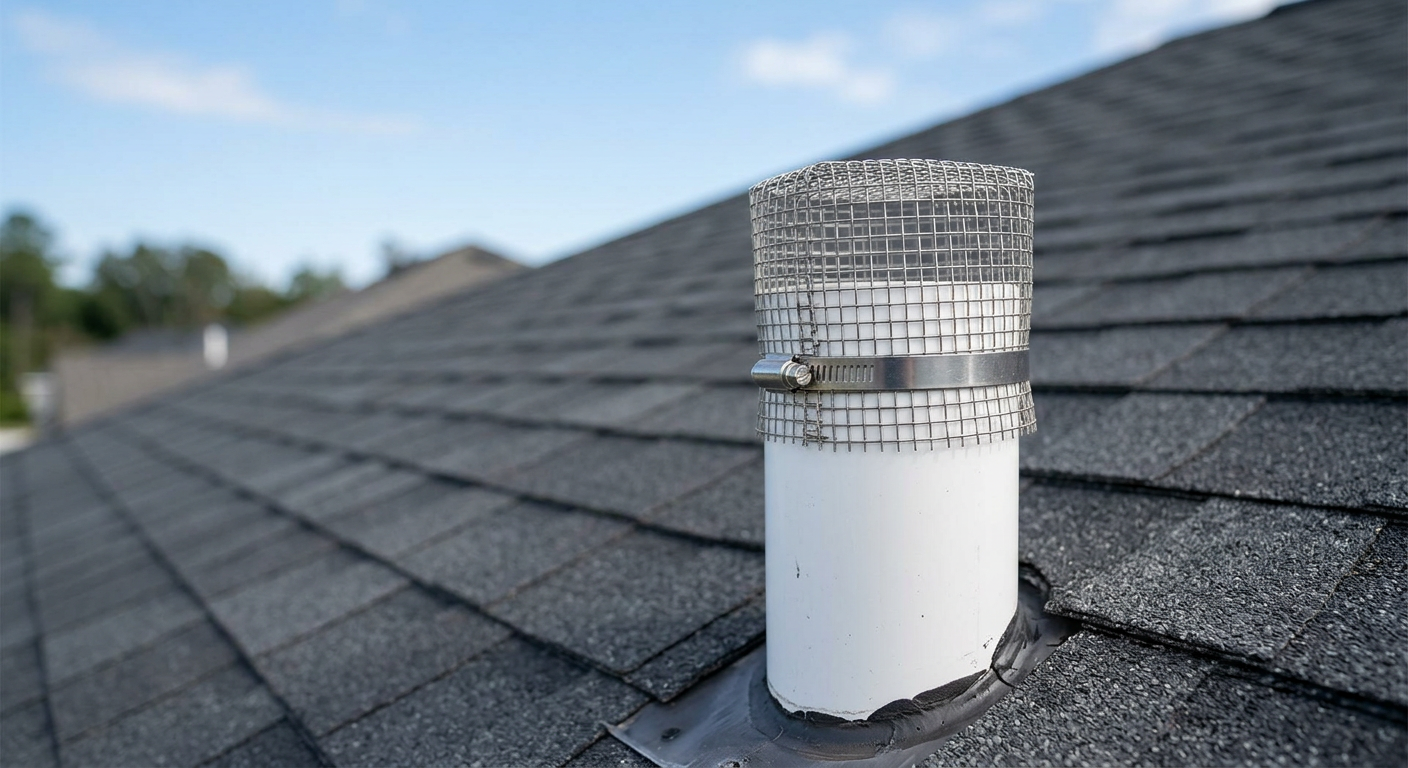
First, consider installing a specialized vent cap or wire mesh screen over the opening of the pipe. These inexpensive devices allow air to flow freely while blocking birds, rodents, and large debris. However, ensure the screen is specifically designed for plumbing vents; a mesh that is too fine can freeze over in colder climates or become clogged with dust during Arizona dust storms.
Secondly, incorporate the roof stack into your routine home maintenance schedule. Scheduling annual plumbing inspections ensures that a professional can evaluate the airflow of your DWV system, check for early signs of siphonage, and clear minor debris before it compacts into a solid blockage.
Key Takeaways
- A blocked roof vent creates negative pressure, preventing wastewater from draining and siphoning water out of P-traps.
- The top signs include widespread slow drains, gurgling noises, empty toilet bowls, weak flushes, and indoor sewer odors.
- In desert climates, bird nests, roof rats, and monsoon debris are the leading causes of these obstructions.
- Never ignore sewer gas odors, as hydrogen sulfide poses significant respiratory health risks.
- Preventative measures, such as installing vent screens and scheduling annual inspections, are the best defense against DWV system failures.
Frequently Asked Questions (FAQ)
Can a blocked vent pipe cause a toilet to overflow?
While it rarely causes a direct overflow on its own, a blocked vent severely slows the drain rate. If a toilet is flushed multiple times while the vacuum is holding water back, the bowl can overfill and spill over.
How much does it cost to clear a roof vent?
Professional clearing typically ranges from $150 to $350, depending on roof accessibility, the severity of the clog, and whether specialized augers or camera inspections are required.
Is it safe to pour chemical drain cleaners down a vent pipe?
No. Chemical drain cleaners are highly corrosive and ineffective against common vent blockages like leaves or bird nests. They can also splash back and cause severe chemical burns or damage the pipe material.
How do I know if the smell is from a dry P-trap or a blocked vent?
If running water in the smelly fixture for 30 seconds eliminates the odor permanently, it was likely just a dry P-trap from lack of use. If the smell returns shortly after, a blocked vent is likely siphoning the water away again.
Can high winds affect my plumbing vents?
Yes. Extremely high winds, such as those during a microburst, can create temporary pressure differentials over the vent pipe, occasionally causing a single gurgle. However, persistent issues indicate a physical blockage.
Do all plumbing fixtures connect to the same roof vent?
In smaller homes, all fixtures may tie into a single main stack. Larger homes or homes with additions often have multiple secondary vents protruding from the roof to ensure adequate airflow to distant bathrooms or kitchens.
Conclusion
A blocked plumbing vent is a hidden problem with very loud symptoms—from the “gurgling” protests of your drains to the dangerous infiltration of sewer gases. In the Phoenix desert, where monsoon debris and local wildlife often turn roof stacks into nesting grounds, maintaining clear airflow is just as vital as maintaining clear pipes.
Because these vertical blockages are difficult to reach and even harder to diagnose without the right tools, don’t risk a DIY roof accident. If your toilets are flushing weakly or you’re noticing systemic drainage issues, a professional Sewer Line Repair Phoenix specialist can use camera technology to pinpoint the obstruction and restore your system’s ability to “breathe.” Addressing these signs early keeps your home’s air quality safe and your plumbing flowing exactly as it should.
Get Professional Help from Rapid Fire Plumbing
Contact Rapid Fire Plumbing at 623-810-6166 for expert plumbing vent and drain services in Phoenix and surrounding areas. Whether you need professional roof vent clearing, video camera inspections, or stubborn clog removal, our experienced plumbers deliver quality solutions with transparent pricing and customer satisfaction guaranteed.
