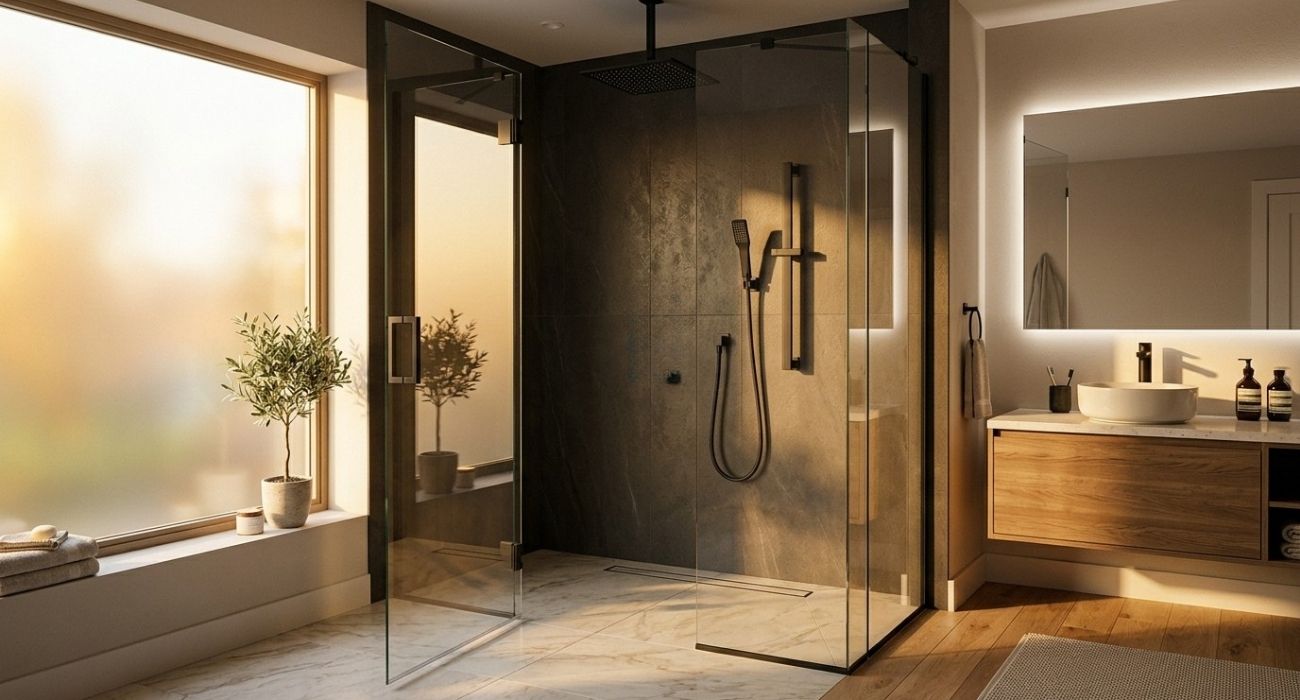
Uneven water temperatures in a residential plumbing system are primarily caused by five issues: severe sediment accumulation at the bottom of the tank, a deteriorating or broken dip tube, malfunctioning heating elements or thermostats, an undersized water heating system struggling with high demand, and defective pressure-balancing valves in the plumbing fixtures. Resolving these thermal fluctuations requires a systematic diagnostic approach to identify whether the failure lies within the water heating unit itself or the broader distribution network. By addressing these core mechanical and chemical failures, homeowners can restore consistent hot water delivery, improve energy efficiency, and extend the operational lifespan of their plumbing infrastructure.
Key Takeaways
- Sediment Buildup: High mineral content causes calcification, creating a thermal barrier that leads to inconsistent heating.
- Dip Tube Failure: A broken dip tube mixes incoming cold water directly with outbound hot water, drastically reducing delivery temperatures.
- Component Degradation: Faulty upper or lower heating elements in electric units cause severe temperature swings.
- System Overload: Simultaneous fixture usage can exceed the unit’s First-Hour Rating (FHR), resulting in rapid temperature drops.
- Valve Malfunctions: Defective pressure-balancing valves in showers can cause sudden blasts of hot or cold water when pressure shifts occur elsewhere in the home.
- Local Climate Impact: Regional water hardness significantly accelerates component wear, requiring tailored maintenance strategies.
The Impact of Regional Water Hardness on Thermal Consistency
Before examining the specific mechanical failures that cause temperature fluctuations, it is crucial to understand the environmental factors affecting plumbing infrastructure. In regions like the American Southwest, municipal water supplies are notoriously mineral-heavy. According to the City of Phoenix public works data updated for 2026, local tap water consistently registers between 12 and 16 grains per gallon (gpg) of dissolved calcium and magnesium. This classifies the regional water supply as “very hard.”
When this hard water is heated, the dissolved minerals precipitate out of the solution and bond to internal metal surfaces. The U.S. Department of Energy (DOE) notes that water heating accounts for approximately 20% of a home’s total energy consumption. However, this efficiency drops precipitously when scale buildup forms inside the tank. Regular professional servicing and water heater repair of your water heater in the Phoenix metropolitan area is not just a mechanical precaution; it is a necessity driven by regional water chemistry. Understanding this context illuminates why the following five causes are so prevalent.
1. Severe Mineral Accumulation and Sediment Buildup
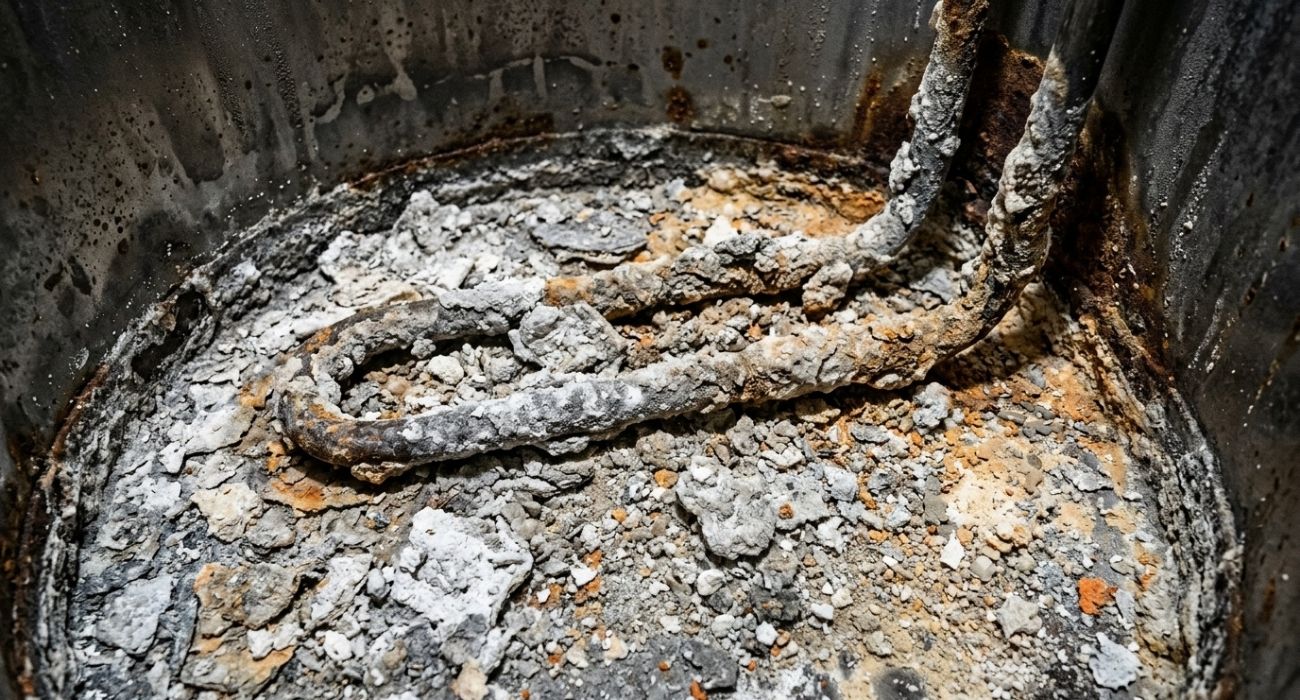
The most common culprit behind fluctuating water temperatures is sediment accumulation. As the water heater operates, calcium carbonate and magnesium precipitate to the bottom of the tank. Over months and years, this creates a dense, rock-like layer of calcification.
In gas-powered units, the burner is located at the bottom of the tank. The sediment layer acts as a powerful thermal insulator between the heat source and the water. As a result, the burner must run longer to heat the water, often causing the system to overheat the water at the bottom while leaving the upper layers lukewarm. When a fixture is opened, the user experiences bursts of excessively hot water followed rapidly by tepid water. The Water Quality Association (WQA) reports that untreated hard water scale can lead to a 24% loss of efficiency in gas heaters and severely disrupt thermal consistency.
To mitigate this, annual flushing of the tank is required to remove loose sediment before it can solidify. Once calcification hardens, standard flushing is ineffective, and more intensive chemical descaling or complete unit replacement becomes necessary.
2. Deteriorating or Broken Dip Tubes
The dip tube is a critical, yet often overlooked, component of a storage-tank water heater. It is a long plastic pipe that directs incoming cold water to the very bottom of the tank, where the heating element or gas burner is located. This design relies on the principle of thermal stratification: heat rises, meaning the hottest water remains at the top of the tank near the exit pipe.
If the dip tube cracks, breaks, or disintegrates—a common issue in older models manufactured with defective plastics, or units exposed to extreme thermal stress—incoming cold water is deposited at the top or middle of the tank. This immediately dilutes the heated water waiting to exit the system. A homeowner experiencing a sudden drop in hot water duration (e.g., a shower that runs cold after only three minutes) is likely dealing with a compromised dip tube. Replacing the tube restores the internal stratification and eliminates this specific cause of uneven temperatures.
3. Malfunctioning Thermostats and Heating Elements
In electric water heaters, temperature regulation is managed by a pair of thermostats and heating elements (upper and lower). These components work in tandem to heat the water evenly. The upper element heats the top portion of the tank to satisfy immediate demand, while the lower element maintains the overall bulk temperature.
If the lower heating element fails due to mineral encrustation or electrical burnout, the tank will only hold a small volume of hot water at the top. The user will experience a brief burst of hot water followed by cold. Conversely, if a thermostat fails in the “closed” position, it will continuously supply power to the element, causing the water to reach dangerously high, scalding temperatures before the high-limit switch trips and shuts down the entire unit.
According to safety guidelines published by the U.S. Department of Energy, thermostats should be set to 120 degrees Fahrenheit. This optimal setting reduces the rate of mineral scale buildup, limits thermal heat loss, and significantly mitigates the risk of scalding, ensuring a safe and consistent output.
4. Undersized System Capacity and Flow Rate Limitations
Sometimes, uneven temperatures are not caused by a mechanical failure, but by a mismatch between the unit’s capacity and the household’s peak demand. Every storage-tank water heater has a First-Hour Rating (FHR), which indicates the number of gallons of hot water the heater can supply per hour (starting with a tank full of hot water). Tankless units are measured by gallons per minute (GPM) flow rate.
If multiple high-flow fixtures—such as a washing machine, dishwasher, and two showers—are running simultaneously, the demand can easily exceed the system’s capacity. When a tankless unit is overloaded, it cannot heat the rapidly flowing water to the target temperature, resulting in lukewarm output across all active fixtures. For storage tanks, exceeding the FHR means the tank is drained faster than the recovery rate can replenish it.
5. Defective Pressure-Balancing Valves in Fixtures
When uneven temperatures are isolated to a single fixture, such as one specific shower, the issue is almost certainly a plumbing crossover or a failed pressure-balancing valve, rather than the primary heating unit. Modern shower valves are equipped with pressure-balancing spools designed to maintain a consistent water temperature despite pressure fluctuations in the supply lines.
For example, if someone flushes a toilet, the cold water pressure in the home drops momentarily. A functioning pressure-balancing valve will instantly reduce the hot water flow to match, preventing the user from being scalded. However, if this internal cartridge becomes jammed with hard water scale or deteriorates over time, it fails to regulate the flow. The result is “shower shock”—sudden, extreme swings between hot and cold water. Replacing the valve cartridge resolves this localized temperature fluctuation.
Comparing Water Heater Technologies and Temperature Stability
Different water heating technologies handle temperature consistency in unique ways. Understanding these differences can aid in selecting the right system for optimal thermal stability.
| System Type | Primary Cause of Uneven Temps | Vulnerability to Hard Water | Recovery Rate |
|---|---|---|---|
| Standard Gas Tank | Sediment insulating the bottom burner | High (Requires annual flushing) | Fast |
| Standard Electric Tank | Lower heating element failure | High (Elements prone to calcification) | Moderate |
| Tankless (On-Demand) | Exceeding GPM flow capacity | Very High (Requires acid flushing) | Instant (Continuous) |
| Hybrid Heat Pump | Blocked air filters / ambient temp drops | Moderate to High | Slow (Relies on ambient heat extraction) |
Step-by-Step Professional Diagnostic Process
When professional technicians investigate inconsistent water temperatures, they follow a strict diagnostic protocol to isolate the variable causing the failure. Homeowners should not attempt electrical diagnostics without proper training, as systems operate on high-voltage circuitry (typically 240V).
- Initial Temperature Audit: The technician tests the temperature output at the fixture nearest the heating unit, followed by the furthest fixture. A drop of more than 10 degrees indicates significant thermal loss in the uninsulated piping.
- Flow Rate Analysis: By activating multiple fixtures, the technician monitors the GPM draw to determine if the system is simply undersized for the household’s 2026 usage habits.
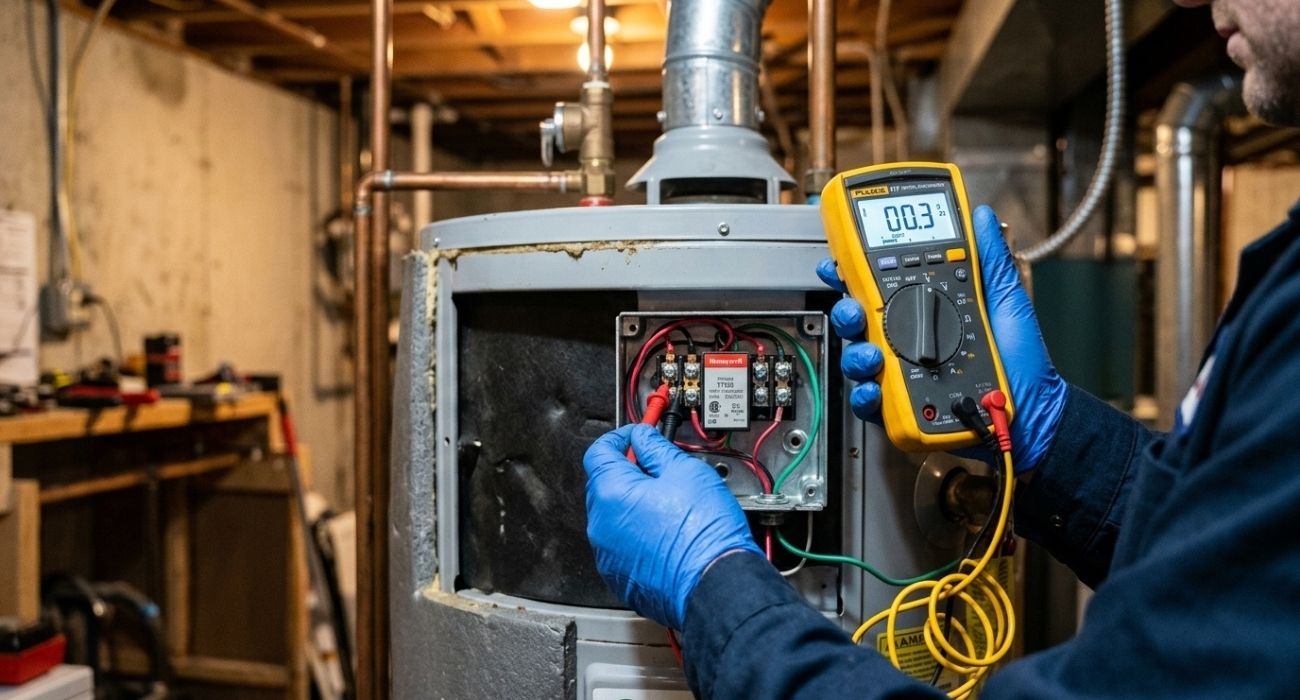
- Electrical Continuity Testing: For electric models, power is disconnected, and a multimeter is used to test the resistance (ohms) of the upper and lower heating elements. A reading of infinity indicates a burned-out element.
- Thermostat Calibration: The technician verifies that both thermostats sit flush against the tank wall and are properly calibrated to the DOE-recommended 120°F.
- Sediment Check: A small volume of water is drained from the baseline valve. If the water runs milky white or contains calcified chunks, severe sediment buildup is confirmed.
Frequently Asked Questions (FAQs)
Why does my shower go cold after only 5 minutes?
A shower that rapidly loses heat usually indicates a broken dip tube inside your storage tank. Instead of directing cold water to the bottom to be heated, the broken tube dumps cold water directly into the hot water supply exiting the tank.
Can hard water permanently ruin my heating elements?
Yes. High mineral content causes scale to aggressively bind to electric heating elements. Over time, this forces the element to overheat and burn out, requiring complete replacement of the component to restore functionality.
Why is my hot water scalding hot in the morning but lukewarm at night?
This is a classic sign of thermal stacking or a malfunctioning thermostat. If the thermostat fails to shut off at the designated temperature, it will continuously heat during low-usage periods (overnight), leading to dangerously hot water in the morning.
Does flushing the tank really prevent temperature fluctuations?
Absolutely. Annual flushing removes the loose mineral sediment before it has a chance to solidify into a thermal barrier at the bottom of the tank. This ensures the burner can transfer heat efficiently to the water.
Why is only one faucet in my house experiencing uneven temperatures?
If the temperature fluctuation is isolated to a single fixture, the heating unit is likely fine. The issue is usually a defective pressure-balancing cartridge or a localized cross-connection within that specific plumbing fixture.
How long should a standard water heater last before needing replacement?
According to the Environmental Protection Agency (EPA) and industry standards, traditional tank water heaters have an expected lifespan of 8 to 12 years. Regular maintenance, such as anode rod replacement, can push this to the higher end of the spectrum.
Conclusion
Uneven water temperatures are more than just a minor inconvenience; they are early warning signs of underlying mechanical or chemical failures within your plumbing system. Whether you are dealing with extreme hard water sediment accumulation, a shattered dip tube, failing electrical elements, an undersized system, or malfunctioning shower valves, accurate diagnostics are paramount. Ignoring these symptoms often leads to catastrophic tank failure or severely inflated utility bills due to lost efficiency.
Maintaining thermal consistency requires proactive care, particularly in regions with demanding municipal water profiles. If you are tired of fluctuating temperatures and unpredictable showers, professional intervention is the safest and most effective solution. Contact us today to schedule a comprehensive system inspection and restore the reliability of your home’s hot water supply.
References
- U.S. Department of Energy (DOE) – Energy Efficiency & Renewable Energy: Water Heating. https://www.energy.gov
- City of Phoenix – Water Quality Reports and Hardness Data (2026). https://www.phoenix.gov
- Water Quality Association (WQA) – Impacts of Hard Water on Appliance Efficiency. https://www.wqa.org
- U.S. Environmental Protection Agency (EPA) – WaterSense Program Guidelines. https://www.epa.gov
