When navigating the real estate market in 2026, understanding the condition of a property’s plumbing system is paramount. The top five plumbing issues found during home inspections include hard water scale and corrosion, outdated or defective piping materials, hidden slab leaks, failing water heaters, and sewer line root intrusions. Because water damage is one of the most expensive repairs a homeowner can face, identifying these vulnerabilities before closing a deal can save thousands of dollars and prevent catastrophic property damage.
The Unique Challenges of Arizona Plumbing Systems
Plumbing systems in the desert Southwest operate under extreme conditions. When evaluating home inspection plumbing issues, Phoenix buyers and sellers must account for factors that simply do not exist in other parts of the country. The combination of exceptionally hard water, expansive clay soils, and extreme summer temperatures creates a perfect storm for accelerated plumbing degradation.
According to the City of Phoenix Water Services, the local water supply contains high levels of dissolved minerals, averaging between 12 and 16 grains per gallon (GPG). This classification of “extremely hard” water drastically reduces the lifespan of fixtures, pipes, and water-using appliances. Furthermore, the intense Arizona heat bakes the soil, causing it to contract and expand violently during the monsoon season, which exerts immense hydrostatic pressure on underground pipes.
As Mark Davis, Senior Evaluator at the Arizona Real Estate Inspection Board, explains: “A standard home inspection is primarily a visual check. However, in Arizona, the most destructive plumbing issues are often hidden behind walls or buried beneath concrete slabs. Buyers in 2026 must be proactive, looking beyond the surface to understand the true health of a home’s plumbing infrastructure.”
1. Hard Water Scale and Pipe Corrosion
The most pervasive issue discovered during Arizona home inspections is the cumulative damage caused by hard water. Calcium carbonate and magnesium naturally present in the municipal water supply precipitate out of the water, forming a rock-like scale inside pipes, showerheads, faucets, and appliance supply lines.
How Hard Water Destroys Plumbing
Over time, this scale buildup restricts water flow, leading to localized high water pressure that stresses pipe joints and valves. In homes with copper piping, the abrasive nature of hard water, combined with high flow rates, can cause pitting corrosion—tiny pinhole leaks that develop from the inside out. Inspectors frequently note heavy white or green crust around faucet aerators, shutoff valves, and exposed pipe fittings, which are clear indicators of advanced hard water damage.
Research from the Water Quality Association indicates that hard water can reduce the efficiency of water heaters by up to 48% and cut the lifespan of household plumbing fixtures by roughly one-third. If an inspector flags severe scale buildup, buyers should anticipate the need for immediate fixture replacements and the installation of a whole-home water softening or conditioning system.
2. Outdated or Defective Piping Materials
Many homes built in Arizona between the 1970s and late 1990s harbor a hidden liability: defective piping materials. During a real estate transaction, the discovery of polybutylene or aging galvanized steel pipes is a major red flag that often necessitates renegotiation.
The Polybutylene Problem
Polybutylene (PB) was a highly popular plastic piping material used extensively in Sun Belt states. Unfortunately, the chlorine present in municipal water supplies reacts with the PB piping, causing it to become brittle, flake, and eventually rupture without warning. Industry statistics show that up to 80% of polybutylene installations experience catastrophic failure within 15 to 20 years of installation. Inspectors are trained to look for gray, blue, or black plastic pipes stamped with the code “PB2110.”
Galvanized Steel Corrosion
In older vintage homes, galvanized steel pipes are another common finding. These pipes are coated with zinc to prevent rusting, but over decades of use, the zinc lining deteriorates. This leads to severe internal rusting, restricted water flow, and rusty-colored water. When an inspector identifies these materials, they will typically recommend that the buyer repipe your home in Arizona to prevent imminent water damage.
3. Hidden Slab Leaks
Because the vast majority of homes in Arizona are built on concrete slab foundations, the plumbing supply and drainage lines are routed directly through or beneath the concrete. This architectural standard makes homes highly susceptible to slab leaks—one of the most dreaded findings in any inspection report.
Causes of Slab Leaks in the Desert
Slab leaks occur when the pipes beneath the foundation rupture. In Arizona, this is primarily driven by three factors:
- Expansive Soils: The clay-heavy soil expands when wet and shrinks when dry, causing the foundation to shift and putting immense physical stress on rigid underground pipes.
- Friction: As pipes naturally expand and contract with temperature changes, they can rub against the concrete slab or gravel base, eventually wearing a hole in the pipe wall.
- Galvanic Corrosion: When dissimilar metals come into contact underground without proper dielectric separation, an electrochemical reaction accelerates pipe decay.
While inspectors cannot see through concrete, they look for secondary signs of a slab leak. These include unexplained warm spots on the floor, baseboard swelling, moisture reading anomalies on drywall near the floor, and a water meter that continues to spin even when all fixtures are turned off. According to the Environmental Protection Agency (EPA), 10% of homes have leaks that waste 90 gallons or more per day, and undetected slab leaks are a leading contributor to this statistic.
4. Failing Water Heaters and Code Violations
Water heaters are a focal point of any home inspection. In Arizona, the combination of hard water and extreme garage temperatures (where most units are located) significantly reduces a water heater’s operational lifespan. While the national average lifespan of a traditional tank water heater is 10 to 12 years, units in Arizona often fail between 8 and 10 years.
Common Water Heater Inspection Failures
Inspectors frequently document the following water heater issues:
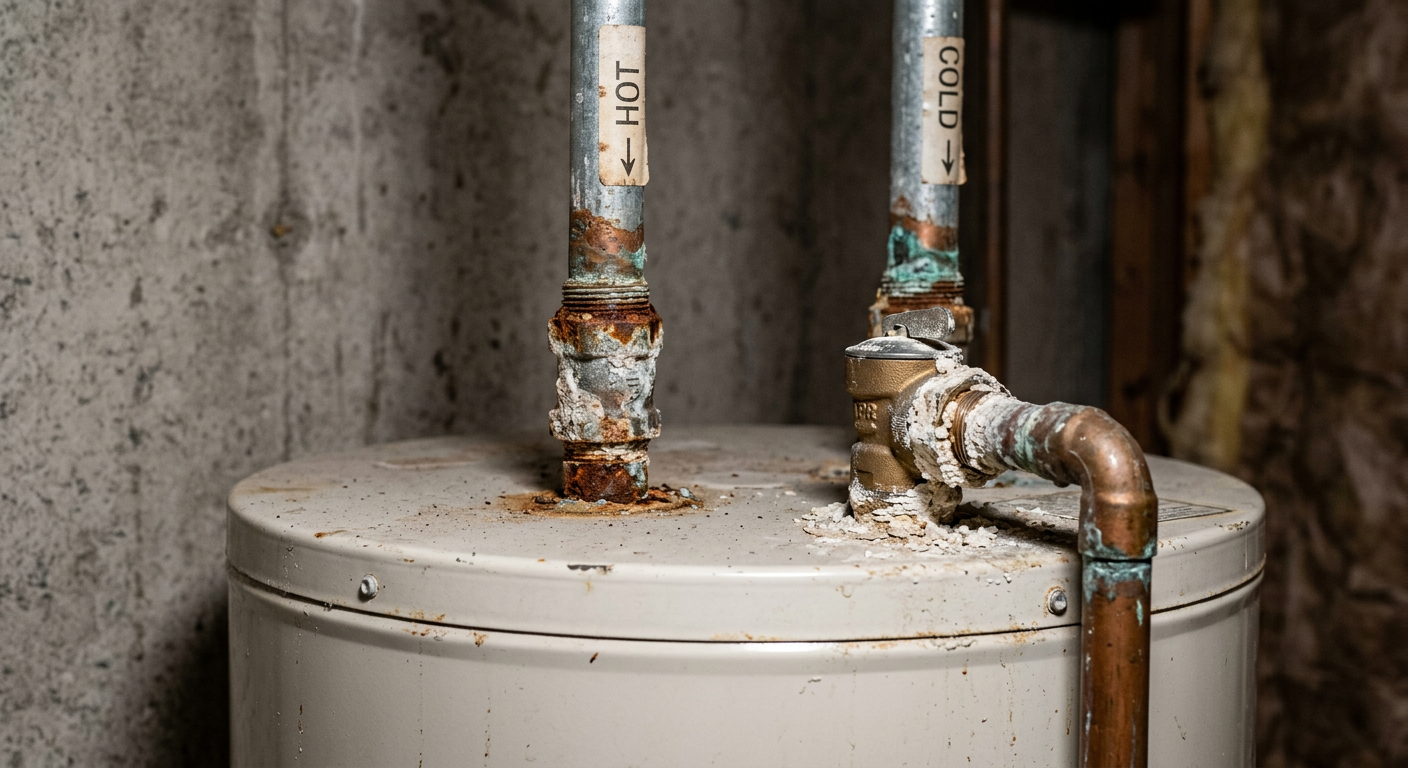
- Heavy Sediment Buildup: Hard water minerals settle at the bottom of the tank, forcing the burner to work harder, which overheats the tank floor and leads to premature rupture.
- Missing or Improper TPR Valves: The Temperature and Pressure Relief (TPR) valve is a critical safety device that prevents the tank from exploding if pressure exceeds safe limits. Inspectors often find TPR valves that are corroded shut, missing their discharge pipes, or improperly routed.
- Lack of Expansion Tanks: Modern plumbing codes in Phoenix often require thermal expansion tanks on closed-loop systems, a feature frequently missing in older homes.
Furthermore, maintaining proper water heater temperatures is a health and safety issue. The Centers for Disease Control and Prevention (CDC) recommends keeping water heaters set to at least 120°F to prevent the growth of Legionella bacteria, yet inspectors routinely find units set incorrectly or struggling to maintain consistent temperatures due to failing heating elements.
5. Sewer Line Root Intrusion and Blockages
The final major issue frequently uncovered during real estate transactions involves the home’s main sewer line. In the arid Arizona climate, large trees and shrubs are constantly seeking subterranean moisture. The nutrient-rich water flowing through a home’s sewer line is highly attractive to root systems.
The Mechanics of Root Intrusion
Even microscopic cracks or loose joints in older clay, cast iron, or Orangeburg sewer pipes emit water vapor. Tree roots detect this vapor, grow toward the pipe, and infiltrate the tiny fissures. Once inside, the roots proliferate rapidly, creating a dense net that catches toilet paper, grease, and debris, eventually causing a complete sewage backup into the home.
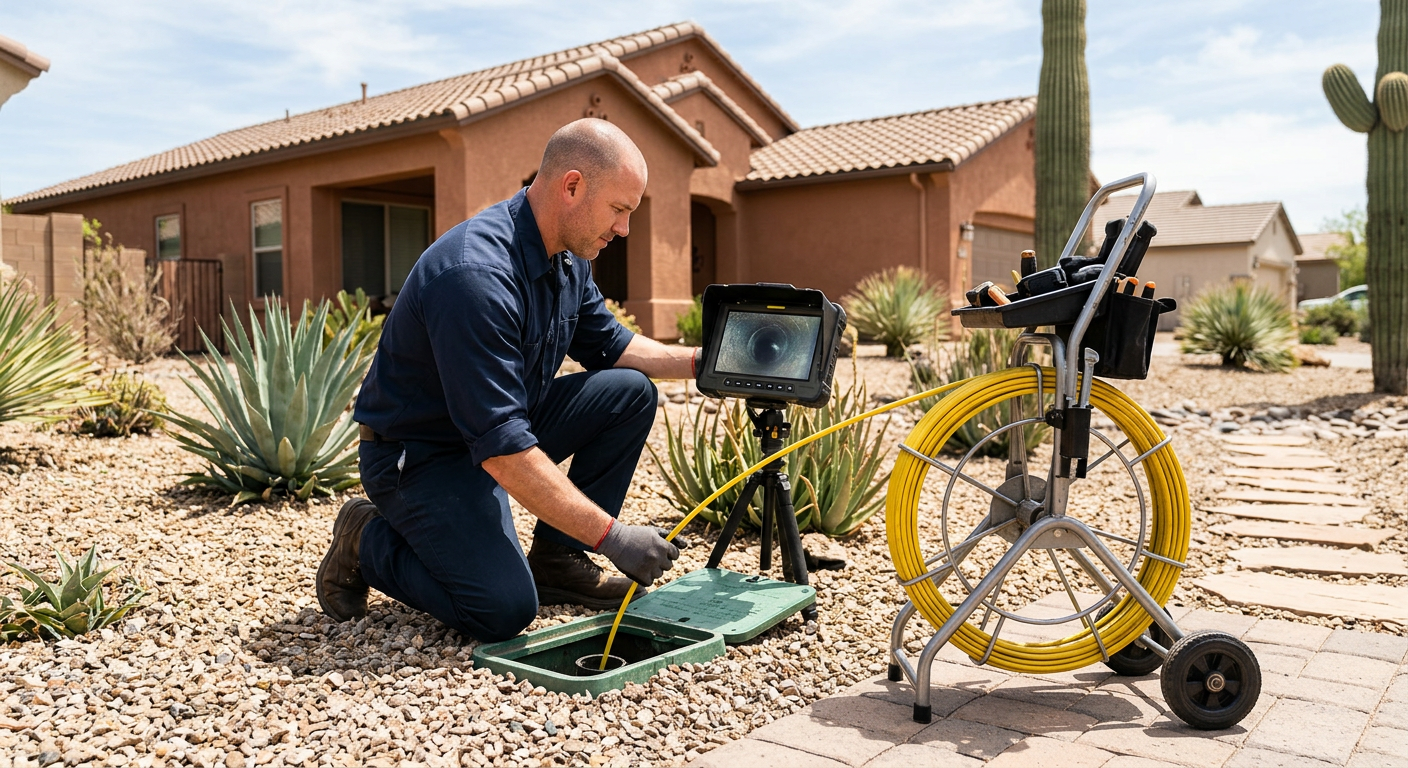
Because the sewer line is buried underground, standard visual inspections will not catch this issue until a backup occurs. This is why experts strongly advise buyers to commission a specialized CCTV sewer camera inspection. As noted by industry professionals, tree roots can wreck your plumbing in a matter of months, and replacing a collapsed main sewer line can cost anywhere from $5,000 to $15,000 depending on the length of the run and whether concrete driveways must be excavated.
Comparing the Top 5 Plumbing Inspection Issues
To help buyers and sellers understand the severity and financial impact of these common findings, the following table breaks down the detection methods, average repair costs, and urgency levels for the 2026 Arizona real estate market.
| Plumbing Issue | Primary Detection Method | Average AZ Repair Cost (2026) | Urgency Level |
|---|---|---|---|
| Hard Water Scale | Visual inspection of aerators and valves | $500 – $2,500 (Softener Install) | Moderate |
| Defective Piping (PB) | Visual identification of pipe material | $4,000 – $12,000 (Whole Home Repipe) | High |
| Hidden Slab Leaks | Moisture meters, thermal imaging, meter tests | $1,500 – $4,500 (Reroute or Breakout) | Critical |
| Failing Water Heater | Age verification, visual rust, TPR check | $1,200 – $3,000 (Replacement) | High |
| Sewer Root Intrusion | CCTV Sewer Camera Inspection | $300 (Cleanout) – $10,000+ (Replacement) | Critical |
How to Prepare Your Plumbing for a Home Inspection
If you are preparing to sell your home in 2026, addressing plumbing maintenance beforehand can prevent buyers from walking away or demanding steep concessions. Follow these five actionable steps to ensure your plumbing system passes inspection with flying colors:
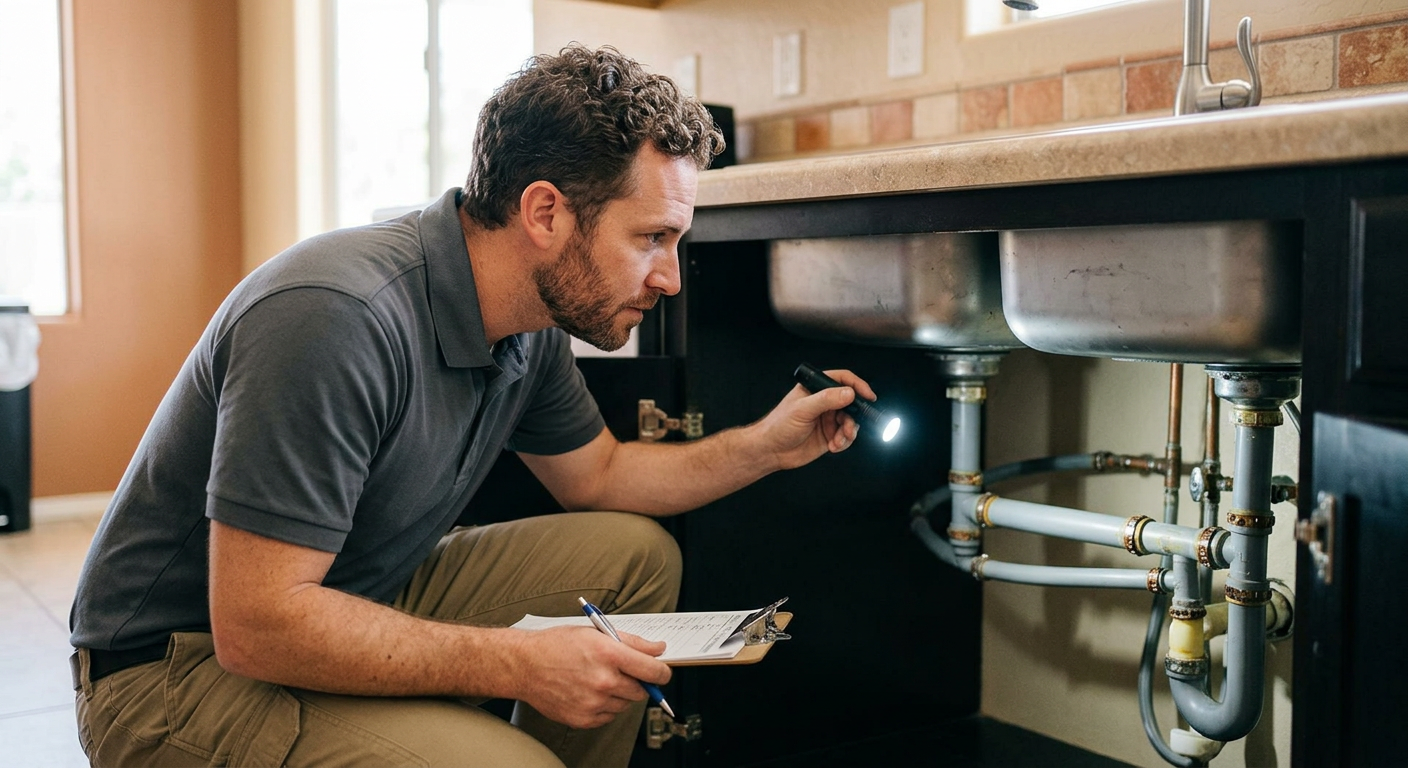
- Test All Shutoff Valves: Go under every sink and behind every toilet to test the angle stops (shutoff valves). In Arizona, hard water frequently causes these valves to seize. If they will not turn by hand, have a licensed plumber replace them with quarter-turn ball valves.
- Check for Active Leaks: Inspect the cabinets beneath your sinks for water stains, damp wood, or mold. Even a minor drip from a P-trap will be flagged as an active leak on an inspection report.
- Verify the Main Shutoff: Ensure you know how to check if your main water line is leaking. Locate your primary house shutoff valve, verify it operates smoothly, and ensure it completely stops the flow of water to the property.
- Service the Water Heater: Flush the water heater tank to remove sediment, check the anode rod, and ensure the TPR valve discharge pipe terminates 6 inches above the floor in accordance with current safety standards.
- Schedule a Pre-Listing Inspection: The most effective way to avoid surprises is to hire a professional plumber to conduct a comprehensive evaluation before listing the property. Annual plumbing inspections are a hallmark of responsible homeownership and provide documented proof of maintenance to prospective buyers.
The Role of Professional Plumbers in Real Estate Transactions
When an inspection report highlights plumbing deficiencies, it is crucial not to rely solely on the general inspector’s assessment. General home inspectors are generalists; they identify symptoms but do not diagnose the exact cause or provide binding repair estimates. According to the International Association of Certified Home Inspectors (InterNACHI), any significant plumbing defect should be further evaluated by a licensed plumbing contractor.
For instance, if an inspector notes low water pressure in a bathroom, it could be a simple clogged aerator (a $10 fix) or a symptom of heavily corroded galvanized pipes requiring a full bathroom repipe (a $3,000 fix). Only a licensed plumber utilizing specialized diagnostic tools, such as hydrostatic pressure gauges and digital pipe inspection cameras, can provide an accurate diagnosis and a realistic repair estimate for negotiation purposes.
Key Takeaways for 2026 Homebuyers and Sellers
- Location Matters: The most prevalent home inspection plumbing issues Phoenix residents face are directly tied to the region’s hard water and expansive desert soils.
- Look Beyond the Surface: The most expensive plumbing failures, such as slab leaks and sewer line collapses, are hidden from plain sight. Always opt for specialized camera inspections on older homes.
- Material Lifespans are Shorter: Due to extreme heat and mineral-heavy water, expect water heaters and plumbing fixtures in Arizona to fail years earlier than national averages.
- Proactive Maintenance Wins: Sellers who address minor leaks, replace seized valves, and service water heaters prior to listing will experience smoother transactions and retain more of their home’s equity.
Ultimately, a home’s plumbing system is its circulatory network. By understanding the most common points of failure and relying on licensed professionals to evaluate and repair defects, both buyers and sellers can navigate the 2026 real estate market with confidence and peace of mind.
Conclusion: Don’t Let Hidden Plumbing Derail Your Real Estate Deal
Navigating the Phoenix real estate market means contending with unique environmental factors that wreak havoc on plumbing infrastructure. From the silent destruction of hard water scale and defective polybutylene pipes to the catastrophic potential of hidden slab leaks and root intrusions, surface-level aesthetics simply don’t tell the whole story. Whether you are a buyer trying to avoid a money pit or a seller aiming for a seamless, profitable transaction, proactive plumbing maintenance is your best safeguard. Don’t let a compromised water heater or a failing sewer line sink your investment. By relying on certified plumbing professionals to thoroughly diagnose and repair your home’s most critical network, you can head to the closing table with total confidence.
Get Professional Help from Rapid Fire Plumbing
Contact Rapid Fire Plumbing at 623-810-6166 for expert home inspection plumbing repairs in Phoenix and surrounding areas. Whether you need comprehensive leak detection, pipe repair, or water heater replacement, our experienced plumbers deliver quality solutions with transparent pricing and customer satisfaction guaranteed.
We specialize in all aspects of plumbing services including pre-listing inspections, slab leak repairs, and routine maintenance, as well as comprehensive sewer camera inspections when root intrusions indicate deeper issues in your plumbing system.
Call 623-810-6166 today for your free estimate. Keep your real estate transaction on track and your plumbing system running smoothly with help from Rapid Fire Plumbing!
